Refaat Hesham, Naguib Youssef W, Elsayed Mahmoud M A, Sarhan Hatem A A, Alaaeldin Eman
Department of Pharmaceutics, faculty of Pharmacy, Minia University, Minia 61519, Egypt.
Department of Pharmaceutics, faculty of Pharmacy, Deraya University, Minia 61111, Egypt.
Pharmaceutics. 2019 Oct 28;11(11):558. doi: 10.3390/pharmaceutics11110558.
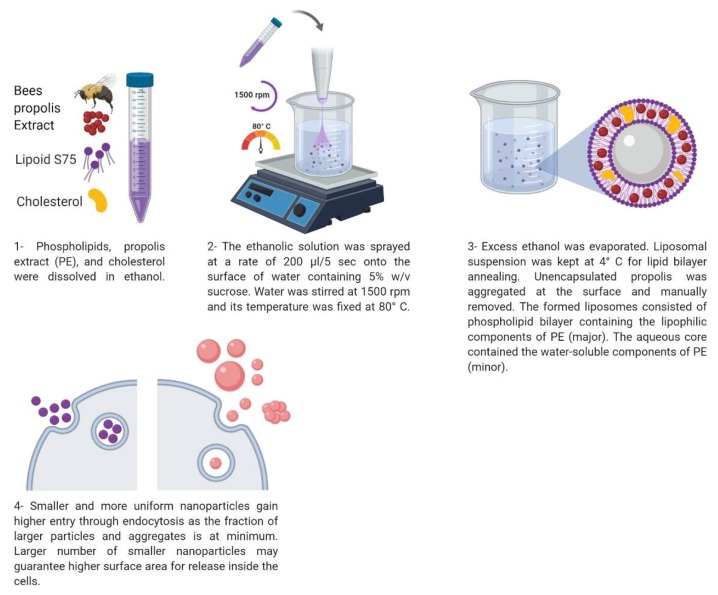
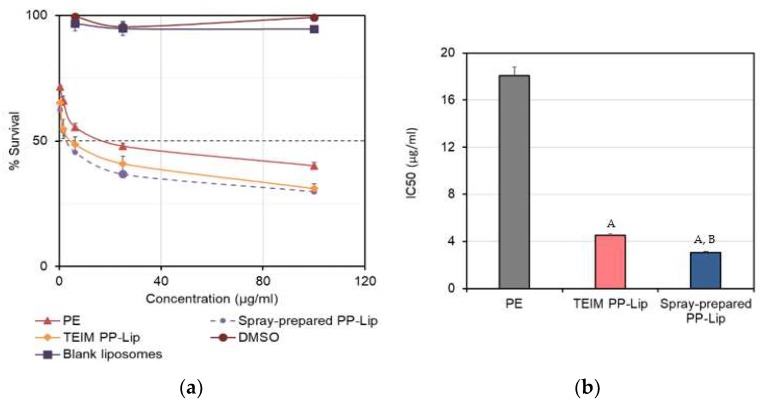
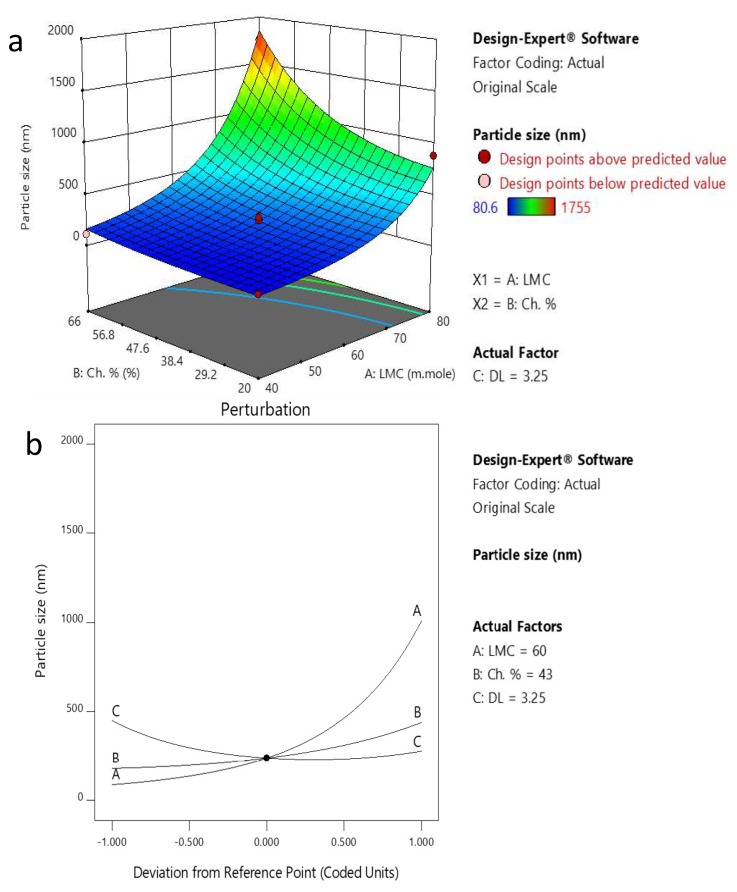
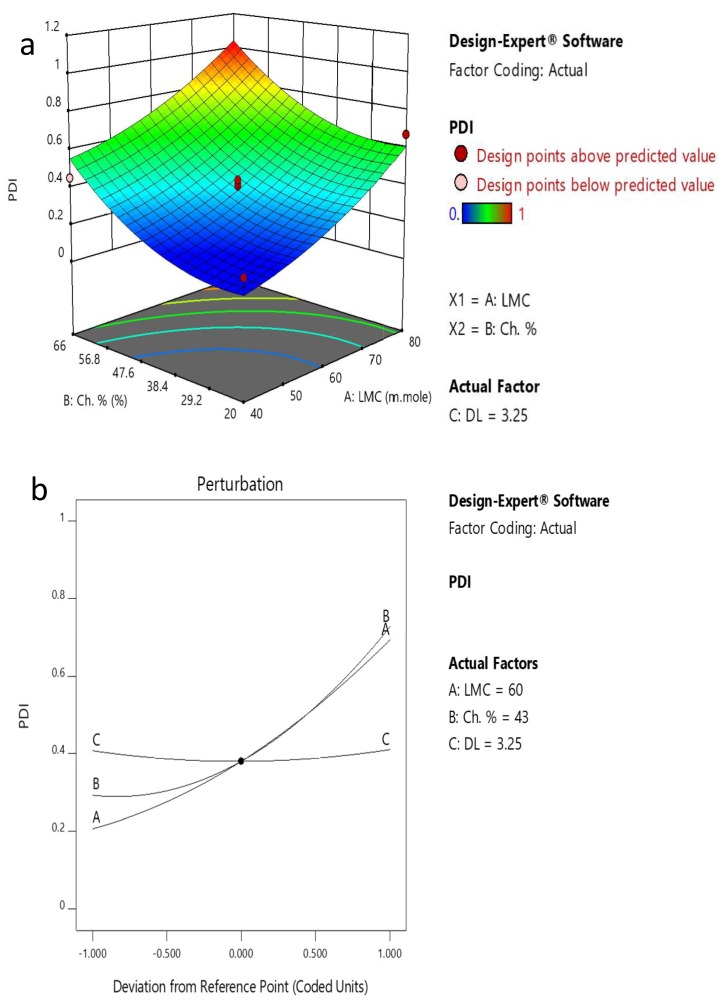
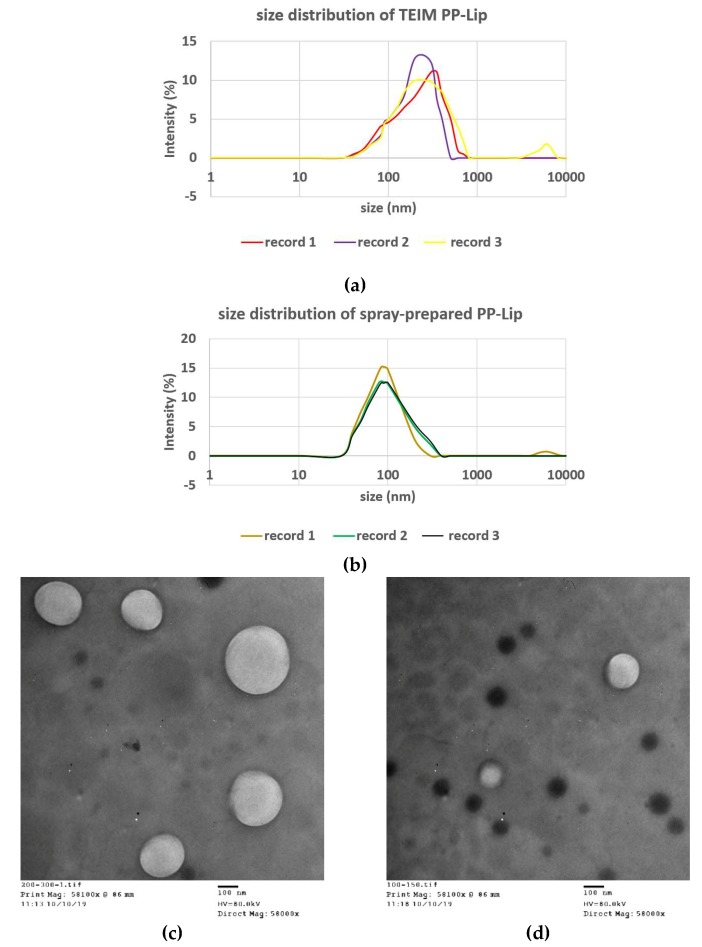
Propolis is a honeybee product that contains a mixture of natural substances with a broad spectrum of biological activities. However, the clinical application of propolis is limited due to the presence of a myriad of constituents with different physicochemical properties, low bioavailability and lack of appropriate formulations. In this study, a modified injection technique (spraying technique) has been developed for the encapsulation of the Egyptian propolis within liposomal formulation. The effects of three variables (lipid molar concentration, drug loading and cholesterol percentage) on the particle size and poly dispersity index (PDI) were studied using response surface methodology and the Box-Behnken design. Response surface diagrams were used to develop an optimized liposomal formulation of the Egyptian propolis. A comparative study between the optimized liposomal formulation prepared either by the typical ethanol injection method (TEIM) or the spraying method in terms of particle size, PDI and the in-vitro anti-proliferative effect against human melanoma cell line A375 was carried out. The spraying method resulted in the formation of smaller propolis-loaded liposomes compared to TEIM (particle sizes of 90 ± 6.2 nm, and 170 ± 14.7 nm, respectively). Furthermore, the IC50 values against A375 cells were found to be 3.04 ± 0.14, 4.5 ± 0.09, and 18.06 ± 0.75 for spray-prepared propolis liposomes (PP-Lip), TEIM PP-Lip, and propolis extract (PE), respectively. The encapsulation of PE into liposomes is expected to improve its cellular uptake by endocytosis. Moreover, smaller and more uniform liposomes obtained by spraying can be expected to achieve higher cellular uptake, as the ratio of liposomes or liposomal aggregates that fall above the capacity of cell membrane to "wrap" them will be minimized.
蜂胶是一种蜜蜂产品,含有多种具有广泛生物活性的天然物质混合物。然而,由于存在无数具有不同物理化学性质的成分、生物利用度低以及缺乏合适的制剂,蜂胶的临床应用受到限制。在本研究中,已开发出一种改良的注射技术(喷雾技术),用于将埃及蜂胶包封在脂质体制剂中。使用响应面法和Box-Behnken设计研究了三个变量(脂质摩尔浓度、载药量和胆固醇百分比)对粒径和多分散指数(PDI)的影响。利用响应面图开发了埃及蜂胶的优化脂质体制剂。对通过典型乙醇注射法(TEIM)或喷雾法制备的优化脂质体制剂在粒径、PDI以及对人黑色素瘤细胞系A375的体外抗增殖作用方面进行了比较研究。与TEIM相比,喷雾法形成的载蜂胶脂质体更小(粒径分别为90±6.2nm和170±14.7nm)。此外,喷雾制备的蜂胶脂质体(PP-Lip)、TEIM法制备的PP-Lip和蜂胶提取物(PE)对A375细胞的IC50值分别为3.04±0.14、4.5±0.09和18.06±0.75。预计将PE包封到脂质体中可通过内吞作用提高其细胞摄取。此外,通过喷雾获得的更小且更均匀的脂质体有望实现更高的细胞摄取,因为超过细胞膜“包裹”能力的脂质体或脂质体聚集体的比例将降至最低。