BPMP, Univ Montpellier, CNRS, INRA, SupAgro, Montpellier, France.
Evolutionary Genomics, Center for Computational and Theoretical Biology (CCTB), University Würzburg, Würzburg, Germany.
PLoS Genet. 2019 Nov 6;15(11):e1008392. doi: 10.1371/journal.pgen.1008392. eCollection 2019 Nov.
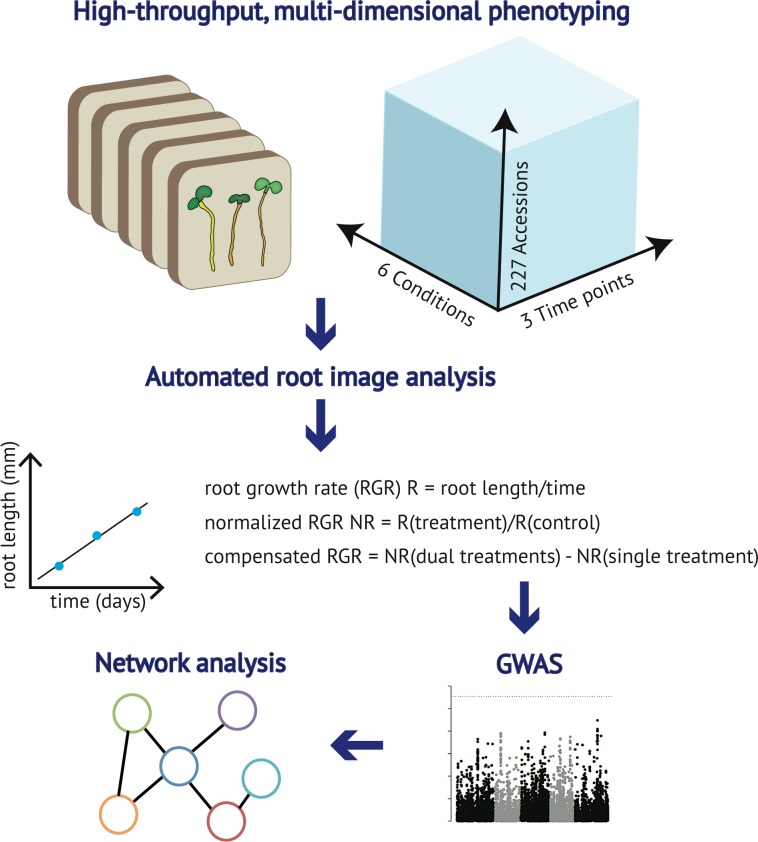
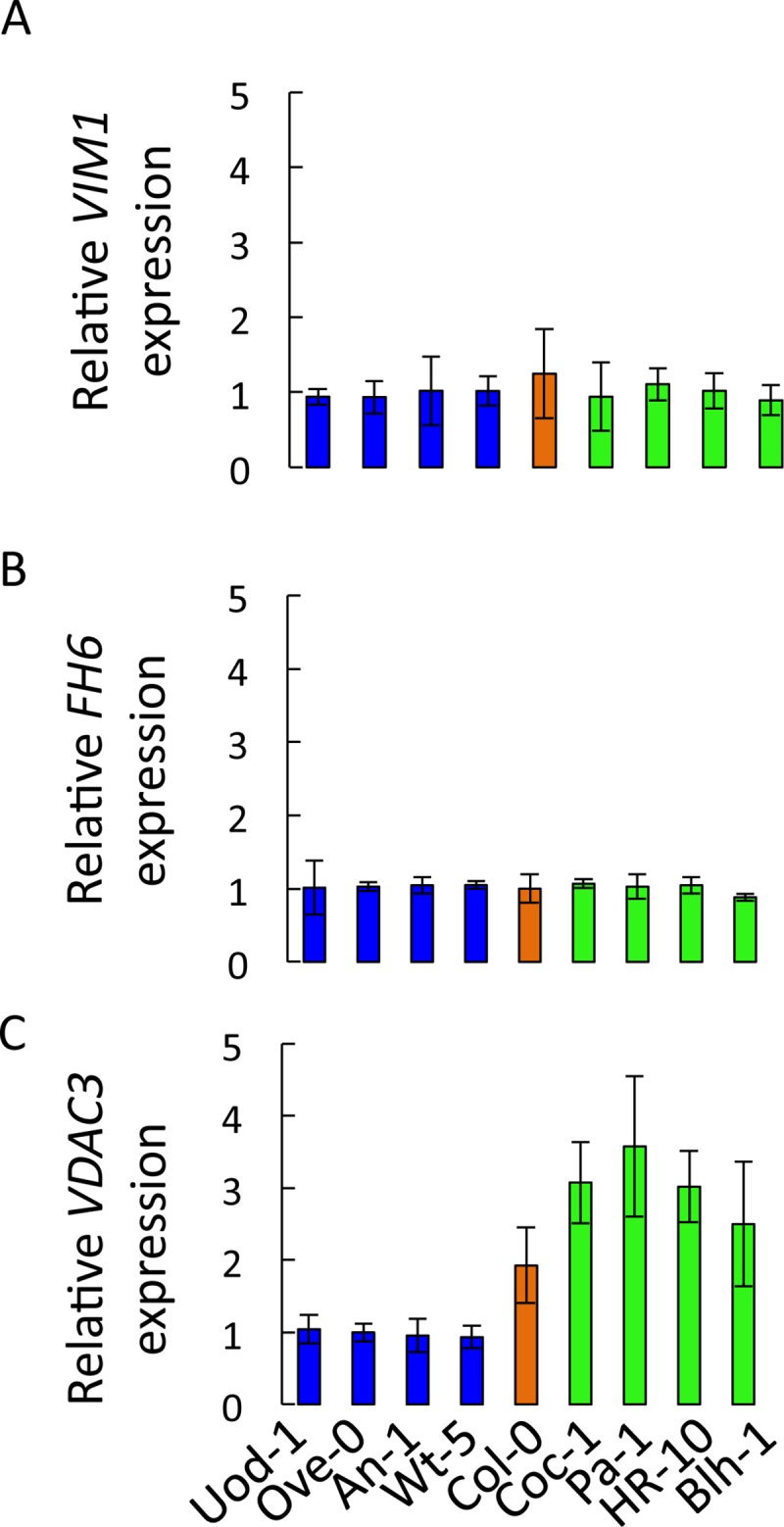
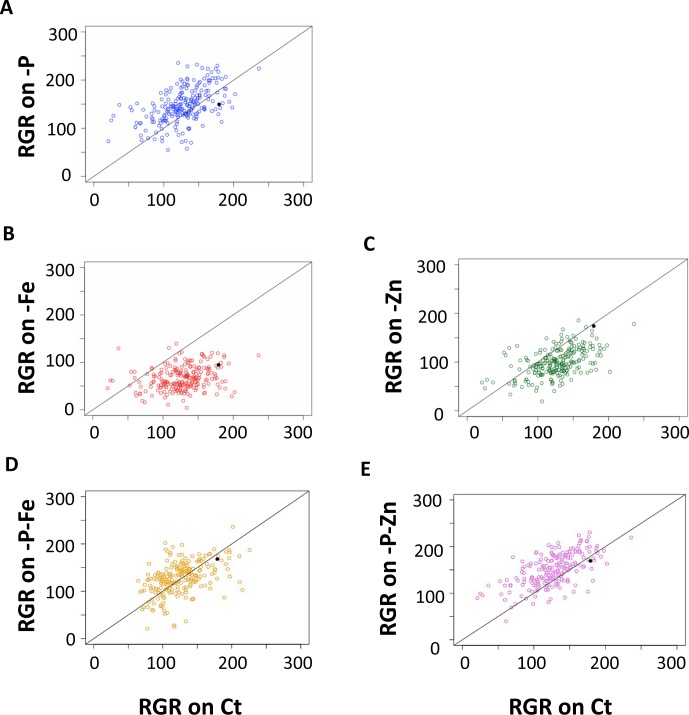
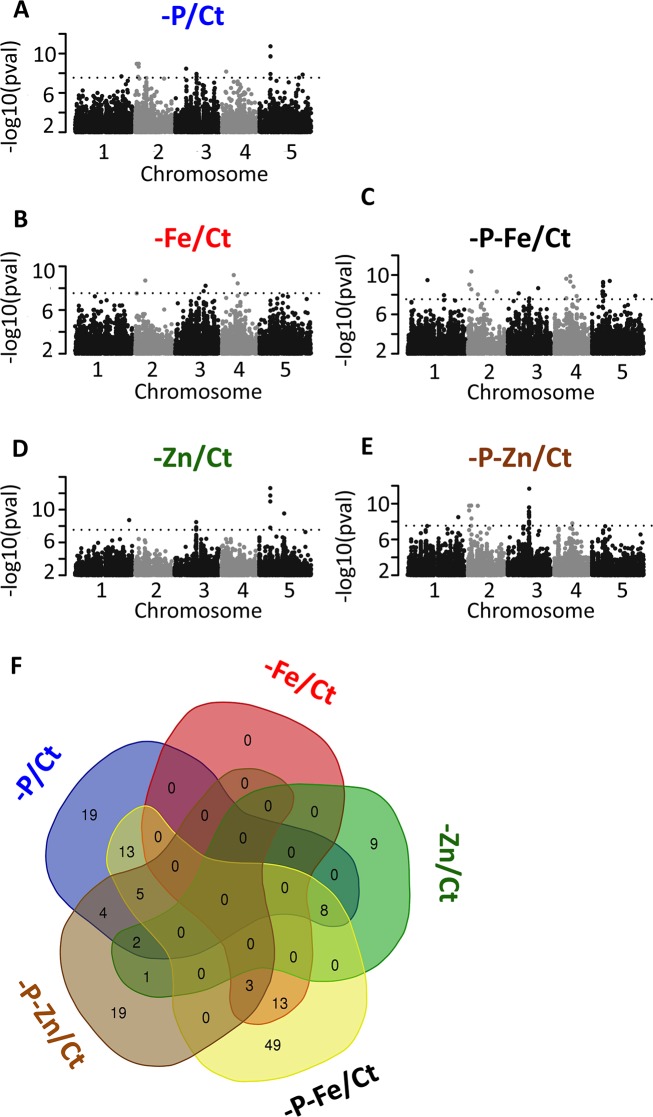
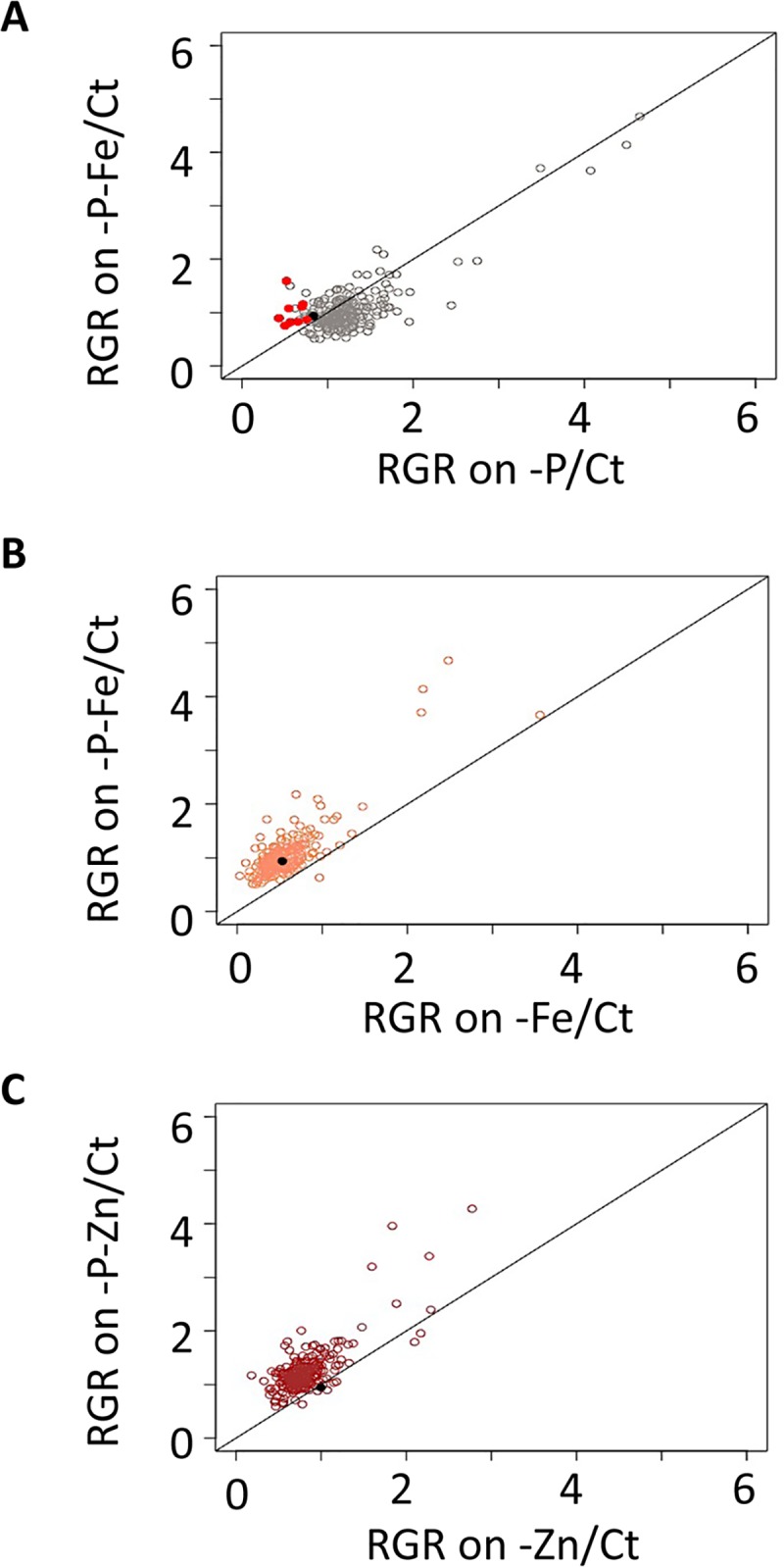
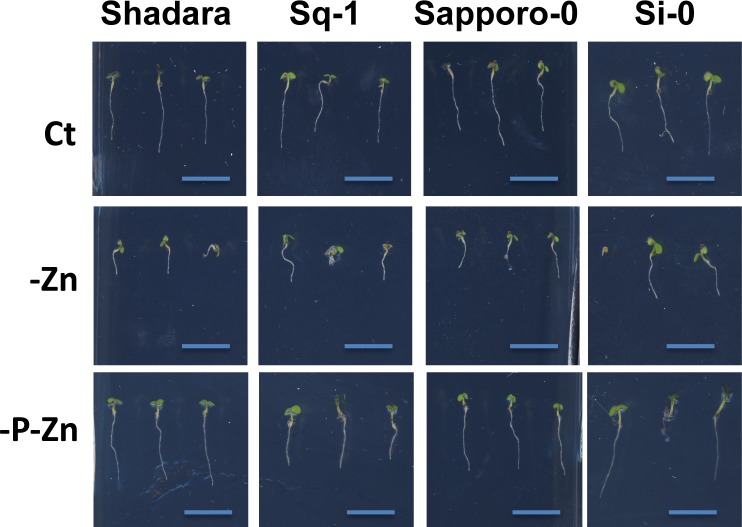
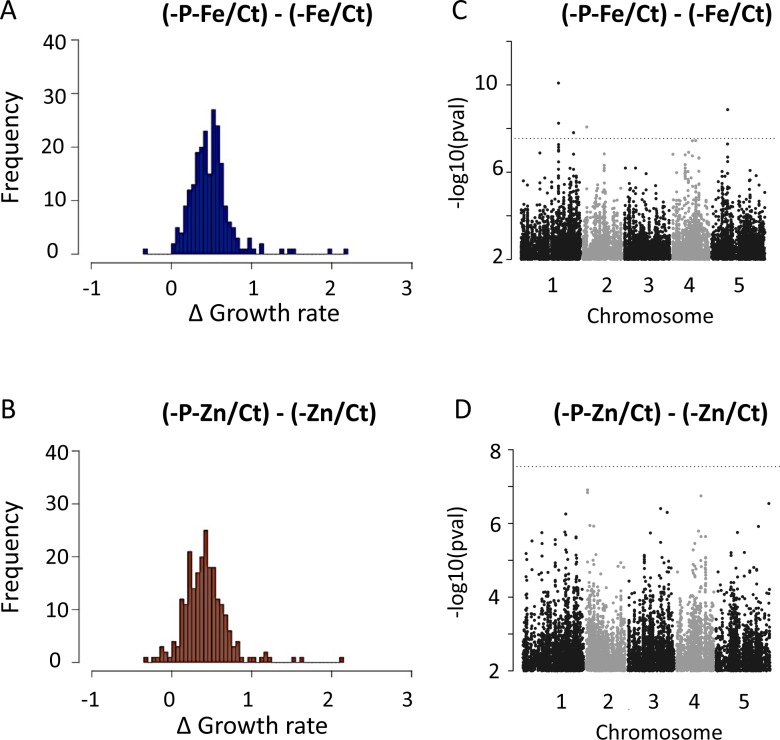
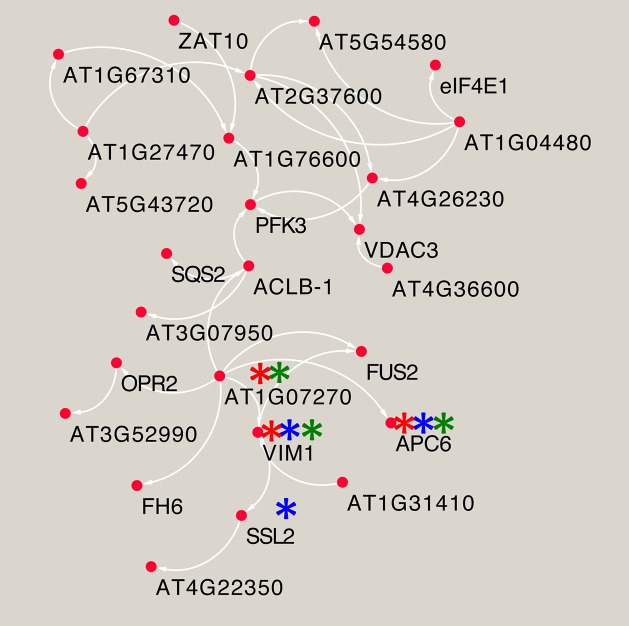
The molecular mechanisms by which plants modulate their root growth rate (RGR) in response to nutrient deficiency are largely unknown. Using Arabidopsis thaliana accessions, we analyzed RGR variation under combinatorial mineral nutrient deficiencies involving phosphorus (P), iron (Fe), and zinc (Zn). While -P stimulated early RGR of most accessions, -Fe or -Zn reduced it. The combination of either -P-Fe or -P-Zn led to suppression of the growth inhibition exerted by -Fe or -Zn alone. Surprisingly, root growth responses of the reference accession Columbia (Col-0) were not representative of the species under -P nor -Zn. Using a systems approach that combines GWAS, network-based candidate identification, and reverse genetic screen, we identified new genes that regulate root growth in -P-Fe: VIM1, FH6, and VDAC3. Our findings provide a framework to systematically identifying favorable allelic variations to improve root growth, and to better understand how plants sense and respond to multiple environmental cues.
植物调节根生长速率(RGR)以响应养分缺乏的分子机制在很大程度上是未知的。我们使用拟南芥品系,分析了涉及磷(P)、铁(Fe)和锌(Zn)的组合矿质养分缺乏对 RGR 变化的影响。虽然 -P 刺激了大多数品系的早期 RGR,但 -Fe 或 -Zn 则降低了它。-P-Fe 或 -P-Zn 的组合导致了 -Fe 或 -Zn 单独施加的生长抑制作用的抑制。令人惊讶的是,参考品系哥伦比亚(Col-0)的根生长反应既不代表 -P 条件下,也不代表 -Zn 条件下的物种。我们使用一种结合 GWAS、基于网络的候选物识别和反向遗传筛选的系统方法,鉴定了新的基因,这些基因在 -P-Fe 中调节根生长:VIM1、FH6 和 VDAC3。我们的发现为系统地识别有利的等位基因变异以改善根生长提供了一个框架,并更好地理解植物如何感知和响应多种环境线索。