Chan-Rodriguez David, Koboyi Brian Wakimwayi, Werghi Sirine, Till Bradley J, Maksymiuk Julia, Shoormij Fatemeh, Hilderlith Abuya, Hawliczek Anna, Królik Maksymilian, Bolibok-Brągoszewska Hanna
Department of Plant Genetics Breeding and Biotechnology, Institute of Biology, Warsaw University of Life Sciences, Warsaw, Poland.
Veterinary Genetics Laboratory, University of California, Davis, Davis, CA, United States.
Front Plant Sci. 2025 Jun 16;16:1529358. doi: 10.3389/fpls.2025.1529358. eCollection 2025.
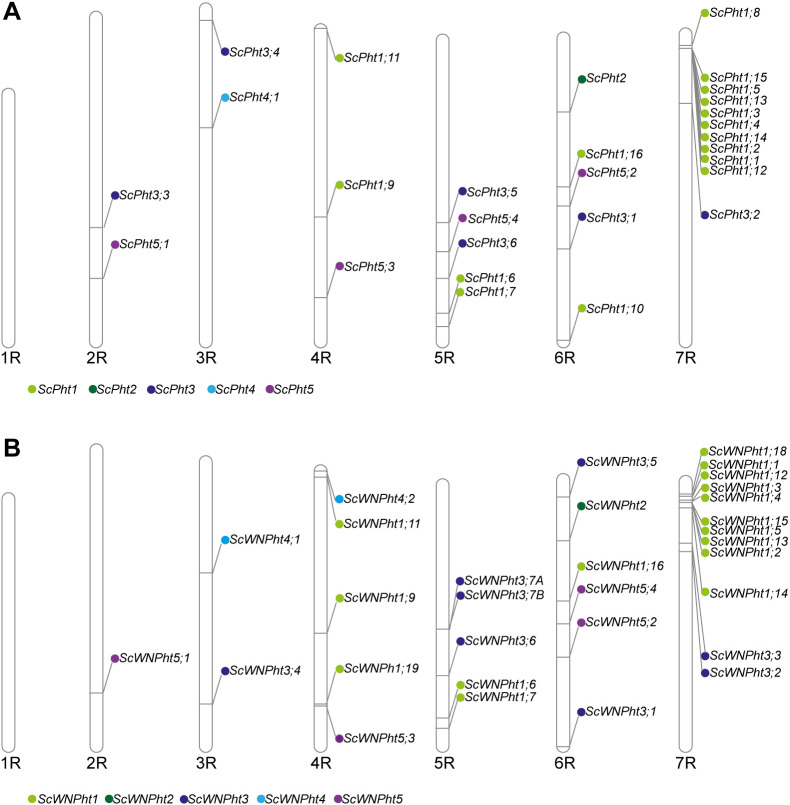
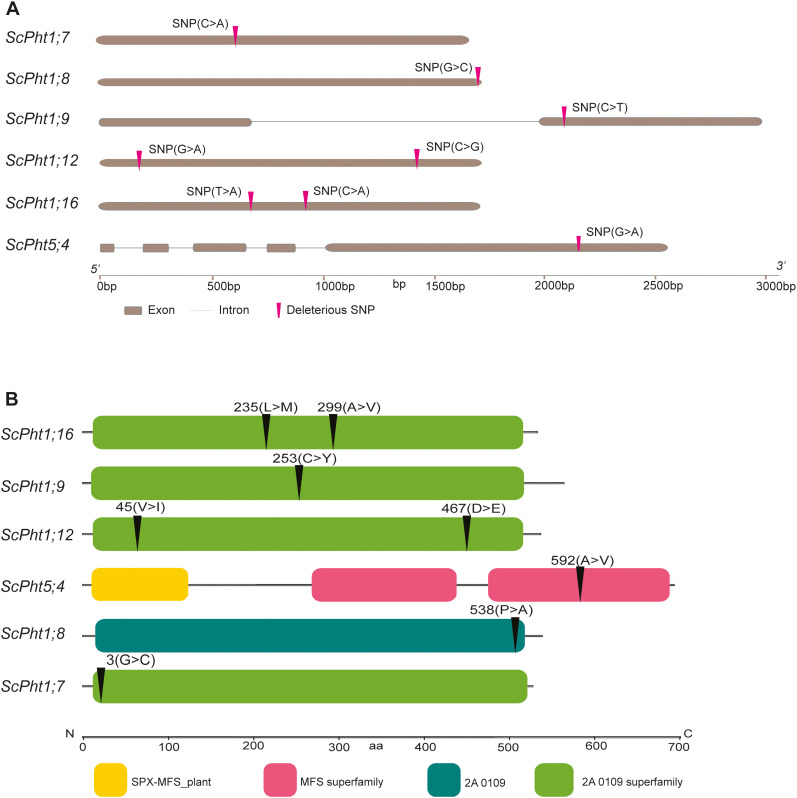
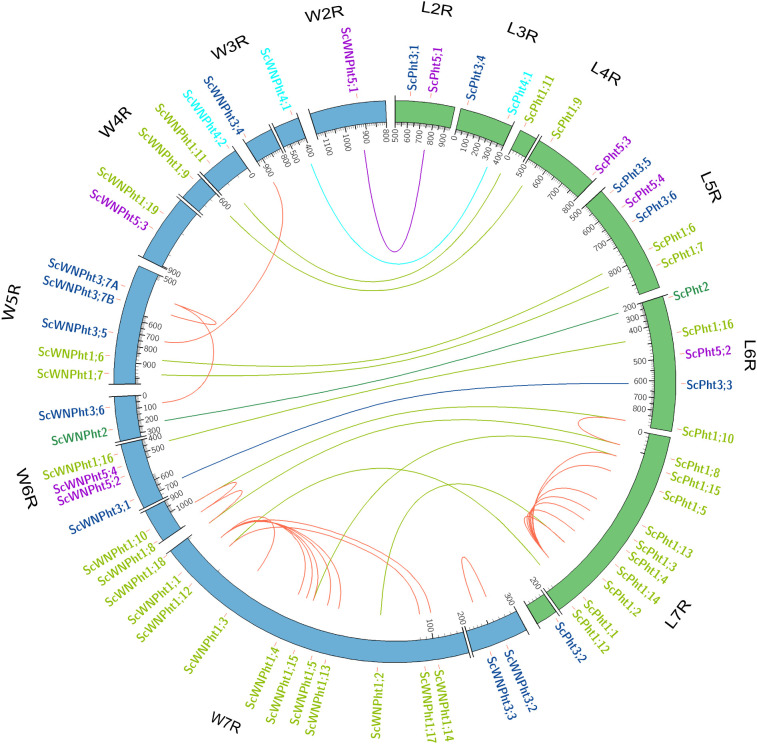
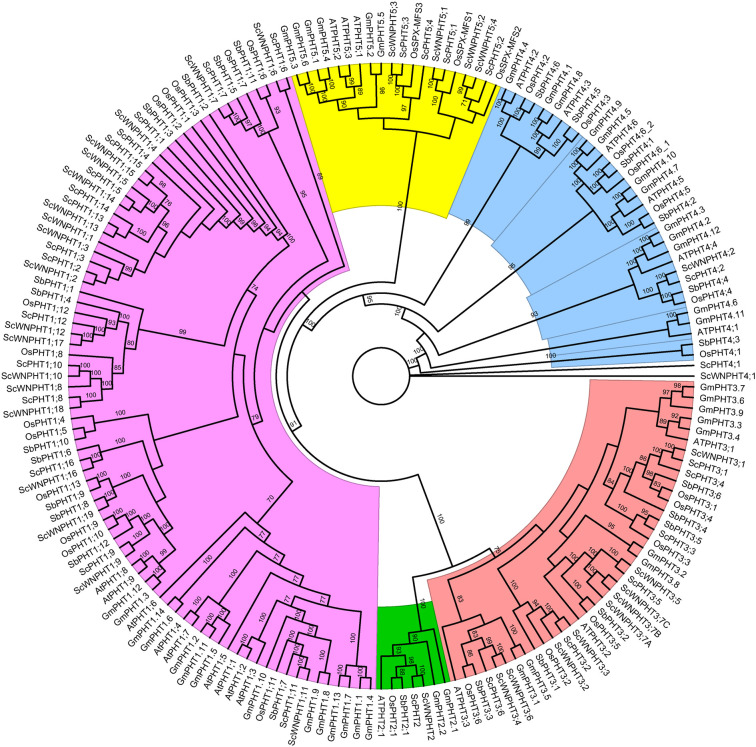
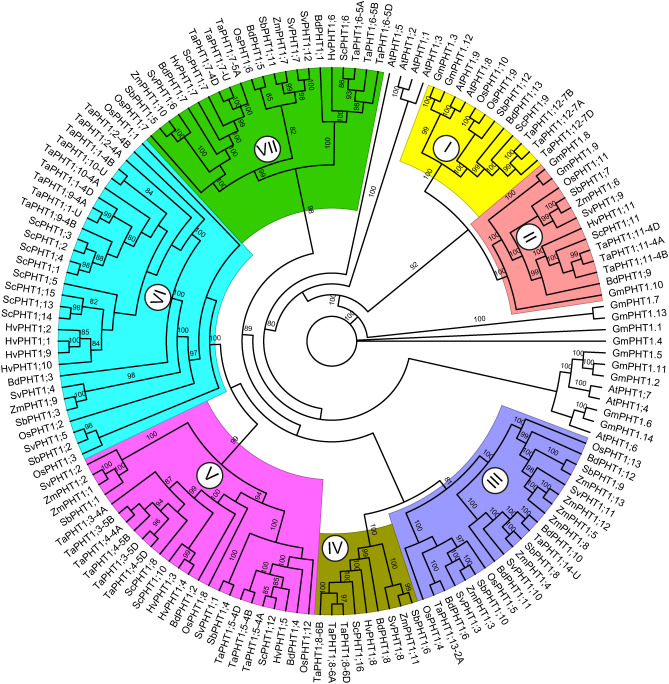
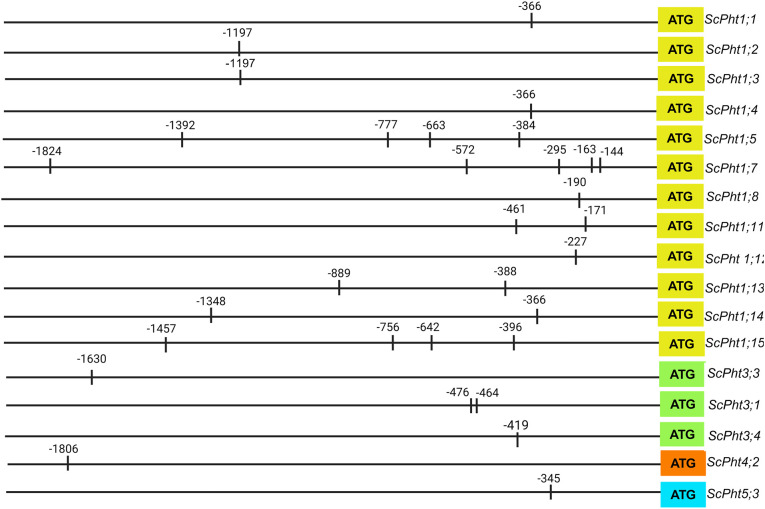
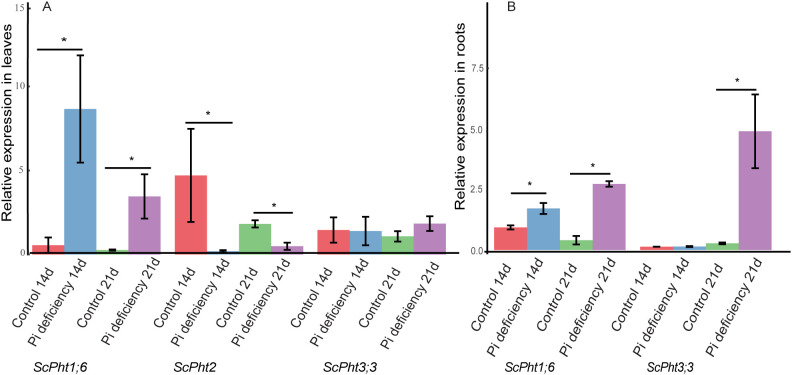
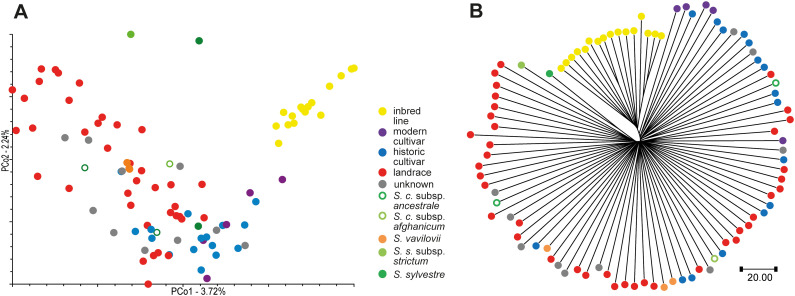
Phosphorus is a macronutrient indispensable for plant growth and development. Plants utilize specialized transporters (PHT) to take up inorganic phosphorus and distribute it throughout the plant. The PHT transporters are divided into five families: PHT1 to PHT5. Each PHT family has a particular physiological and cellular function. Rye ( L.) is a member of , and an important source of variation for wheat breeding. It is considered to have the highest tolerance of nutrient deficiency, among . To date, there is no report about genes involved in response to phosphorus deficiency in rye. The aim of this study was to: (i) identify and characterize putative members of different phosphate transporter families in rye, (ii) assess their sequence diversity in a collection of 94 diverse rye accessions via low-coverage resequencing (DArTreseq), and (iii) evaluate the expression of putative rye genes under phosphate-deficient conditions. We identified 29 and 35 putative transporter genes in the rye Lo7 and Weining reference genomes, respectively, representing all known families. Phylogenetic analysis revealed a close relationship of rye PHT with previously characterized PHT proteins from other species. Quantitative RT PCR carried out on leaf and root samples of Lo7 plants grown in Pi-deficient and control condition demonstrated that , and are Pi-deficiency responsive. Based on DArTreseq genotyping of 94 diverse rye accessions we identified 820 polymorphic sites within rye , including 12 variants identified by the SIFT algorithm as having a potentially deleterious effect, of which three are scored as high confidence. SNP density varied markedly between genes. This report is the first step toward elucidating the mechanisms of rye's response to Pi deficiency. Our findings point to multiple layers of adaptation to local environments, ranging from gene copy number variation to differences in level of polymorphism across family members. DArTreseq genotyping permits for a quick and cost-effective assessment of polymorphism levels across genes/gene families and supports identification and prioritization of candidates for further studies. Collectively our findings provide the foundation for selecting most promising candidates for further functional characterization.
磷是植物生长发育不可或缺的大量营养素。植物利用特定的转运蛋白(PHT)来吸收无机磷并将其分配到整个植物中。PHT转运蛋白分为五个家族:PHT1至PHT5。每个PHT家族都有特定的生理和细胞功能。黑麦(L.)是其中一员,也是小麦育种的重要变异来源。在这些植物中,它被认为对养分缺乏具有最高的耐受性。迄今为止,尚无关于黑麦中参与磷缺乏响应的基因的报道。本研究的目的是:(i)鉴定和表征黑麦中不同磷酸盐转运蛋白家族的推定成员,(ii)通过低覆盖度重测序(DArTreseq)评估94个不同黑麦种质中它们的序列多样性,以及(iii)评估推定的黑麦基因在缺磷条件下的表达。我们分别在黑麦Lo7和威宁参考基因组中鉴定出29个和35个推定的转运蛋白基因,代表了所有已知的家族。系统发育分析揭示了黑麦PHT与其他物种中先前表征的PHT蛋白之间的密切关系。对在缺磷和对照条件下生长的Lo7植物的叶片和根样本进行的定量RT-PCR表明,、和对缺磷有响应。基于对94个不同黑麦种质的DArTreseq基因分型,我们在黑麦中鉴定出820个多态性位点,包括12个被SIFT算法鉴定为具有潜在有害作用的变体,其中三个被评为高可信度。不同基因之间的SNP密度差异显著。本报告是阐明黑麦对缺磷响应机制的第一步。我们的研究结果表明,从基因拷贝数变异到家族成员间多态性水平的差异,存在多层次的对当地环境的适应性。DArTreseq基因分型允许对基因/基因家族的多态性水平进行快速且经济高效的评估,并支持对进一步研究的候选者进行鉴定和优先级排序。总体而言,我们的研究结果为选择最有前景的候选者进行进一步功能表征提供了基础。