Hou Shujie, Lake Rachel, Park Shiwha, Edwards Seth, Jones Chante, Jeong Kyung Jae
Department of Chemical Engineering, University of New Hampshire, Durham, NH 03824.
ACS Appl Bio Mater. 2018 Nov 19;1(5):1430-1439. doi: 10.1021/acsabm.8b00380. Epub 2018 Oct 15.
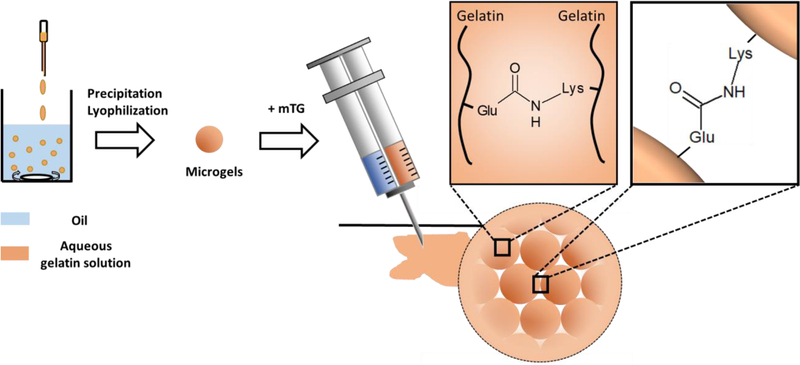
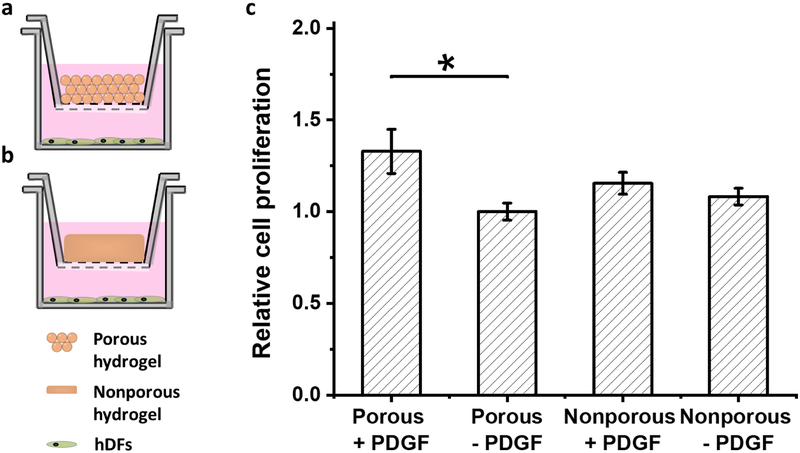
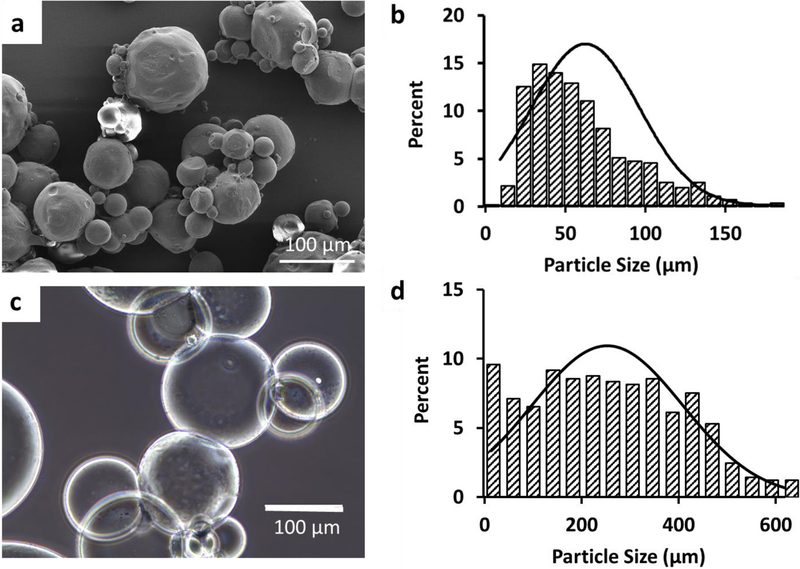
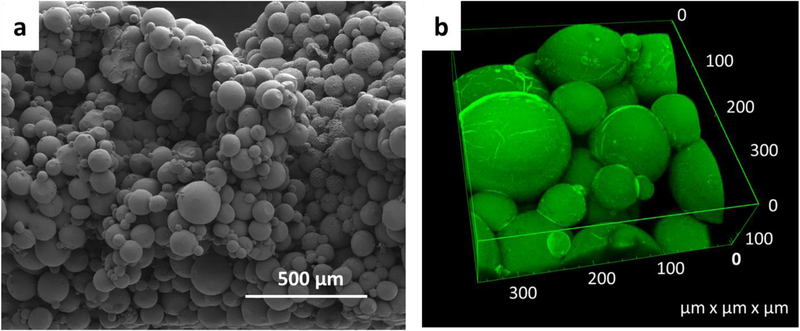
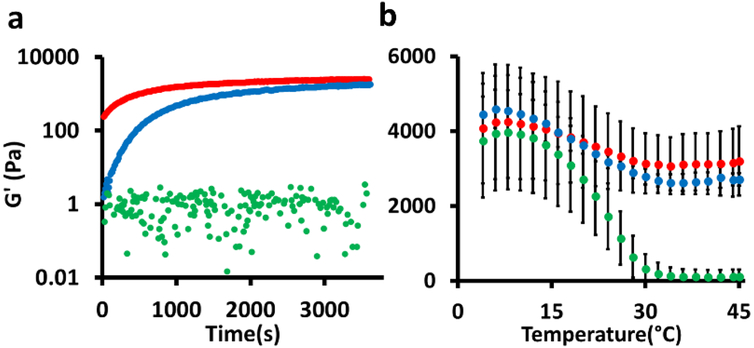
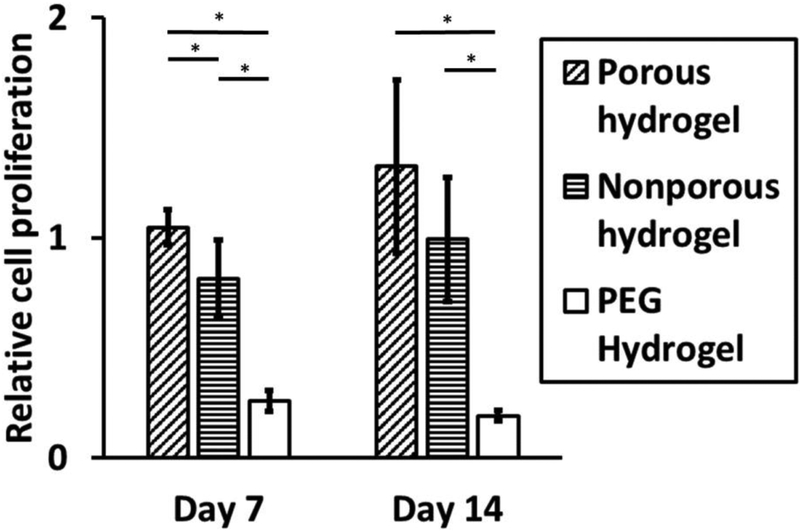
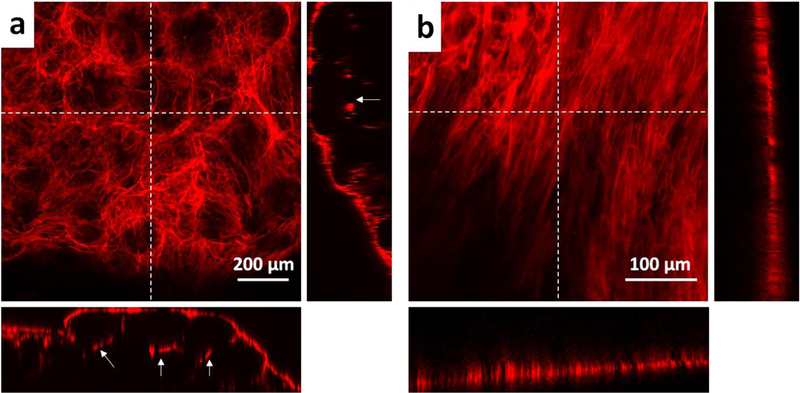
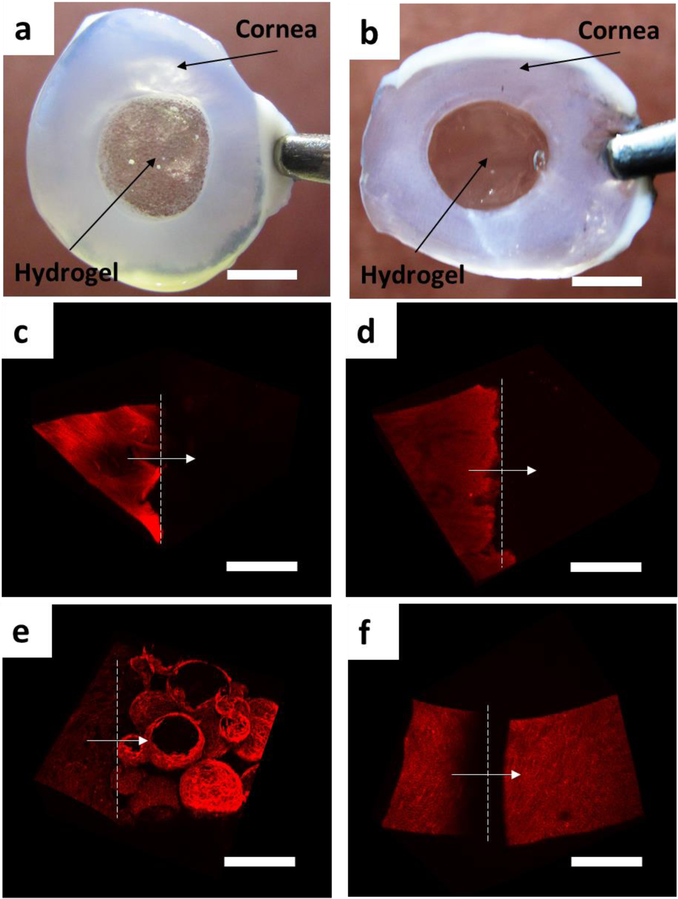
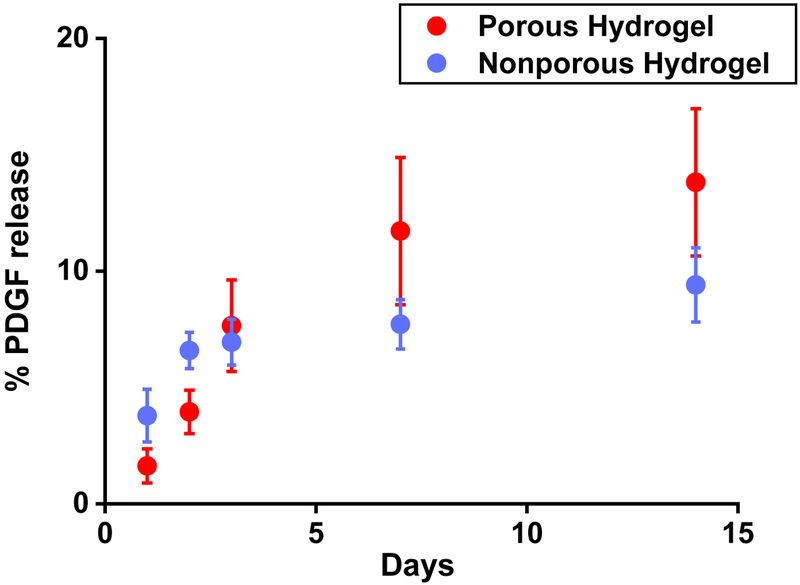
Injectable hydrogels can be useful tools for facilitating wound healing since they conform to the irregular shapes of wounds, serving as a temporary matrix during the healing process. However, the lack of inherent pore structures of most injectable hydrogels prohibits desired interactions with the cells of the surrounding tissues limiting their clinical efficacy. Here, we introduce a simple, cost-effective and highly biofunctional injectable macroporous hydrogel made of gelatin microgels crosslinked by microbial transglutaminase (mTG). Pores are created by the interstitial space among the microgels. A water-in-oil emulsion technique was used to create gelatin microgels of an average size of 250μm in diameter. When crosslinked with mTG, the microgels adhered to each other to form a bulk hydrogel with inherent pores large enough for cell migration. The viscoelastic properties of the porous hydrogel were similar to those of nonporous gelatin hydrogel made by adding mTG to a homogeneous gelatin solution. The porous hydrogel supported higher cellular proliferation of human dermal fibroblasts (hDFs) than the nonporous hydrogel over two weeks, and allowed the migration of hDFs into the pores. Conversely, the hDFs were unable to permeate the surface of the nonporous hydrogel. To demonstrate its potential use in wound healing, the gelatin microgels were injected with mTG into a cut out section of an excised porcine cornea. Due to the action of mTG, the porous hydrogel stably adhered to the cornea tissue for two weeks. Confocal images showed that a large number of cells from the cornea tissue migrated into the interstitial space of the porous hydrogel. The porous hydrogel was also used for the controlled release of platelet-derived growth factor (PDGF), increasing the proliferation of hDFs compared to the nonporous hydrogel. This gelatin microgel-based porous hydrogel will be a useful tool for wound healing and tissue engineering.
可注射水凝胶可以成为促进伤口愈合的有用工具,因为它们能贴合伤口的不规则形状,在愈合过程中充当临时基质。然而,大多数可注射水凝胶缺乏固有的孔隙结构,这限制了它们与周围组织细胞的理想相互作用,从而限制了其临床疗效。在此,我们介绍一种由微生物转谷氨酰胺酶(mTG)交联的明胶微凝胶制成的简单、经济高效且具有高度生物功能的可注射大孔水凝胶。孔隙是由微凝胶之间的间隙形成的。采用油包水乳液技术制备平均直径为250μm的明胶微凝胶。当与mTG交联时,微凝胶相互粘附形成具有足够大固有孔隙以供细胞迁移的块状水凝胶。该多孔水凝胶的粘弹性与通过向均匀明胶溶液中添加mTG制成的无孔明胶水凝胶相似。在两周时间内,多孔水凝胶比无孔水凝胶支持更高的人皮肤成纤维细胞(hDFs)细胞增殖,并允许hDFs迁移到孔隙中。相反,hDFs无法渗透到无孔水凝胶表面。为了证明其在伤口愈合中的潜在用途,将明胶微凝胶与mTG一起注射到切除的猪角膜的切口部分。由于mTG的作用,多孔水凝胶在两周内稳定地粘附在角膜组织上。共聚焦图像显示,大量来自角膜组织的细胞迁移到多孔水凝胶的间隙空间中。该多孔水凝胶还用于血小板衍生生长因子(PDGF)的控释,与无孔水凝胶相比,增加了hDFs的增殖。这种基于明胶微凝胶的多孔水凝胶将成为伤口愈合和组织工程的有用工具。