Laboratory of Immunofluorescence and Electron Microcopy (LIME), Presidente Dutra University Hospital, Federal University of Maranhão, São Luís, Maranhão, Brazil.
Postgraduate Program in Adult Health (PPGSAD), Federal University of Maranhão, São Luís, Maranhão, Brazil.
BMC Ophthalmol. 2019 Nov 8;19(1):218. doi: 10.1186/s12886-019-1223-x.
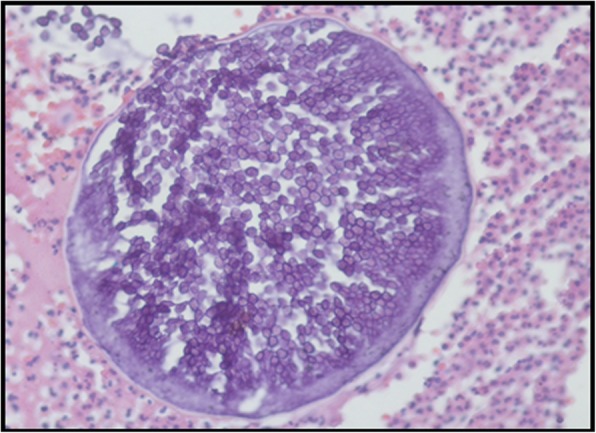
Oculosporidiosis (ocular rhinosporidiosis) accounts for 15% of cases of rhinosporidiosis, which is a chronic granulomatous disease and is endemic in India and Sri Lanka. In Brazil, the climatic and hydrographic similarities to these endemic areas and the presence of riverside populations contributes to an increase in the incidence of rhinosporidiosis particularly in the State of Maranhão. This study, therefore, aimed to identify the number of diagnosed cases of oculosporidiosis and describe its the clinical epidemiology, laboratory, histopathology, and therapeutic characteristics.
The study is descriptive, observational, and cross-sectional, and reports the prevalence and clinical epidemiological characteristics of oculosporidiosis in the State of Maranhão, Brazil. A retrospective analysis of the paper and electronic records for a period from 1999 to 2017 was conducted in the University Hospital of Federal University of Maranhão (HU-UFMA), located in the northeastern region of Brazil.
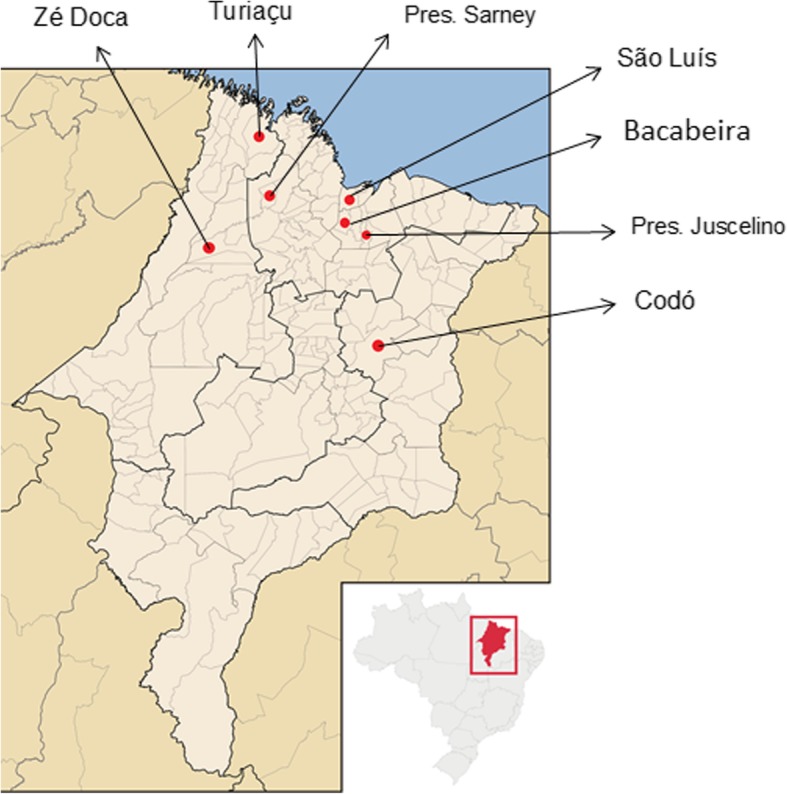
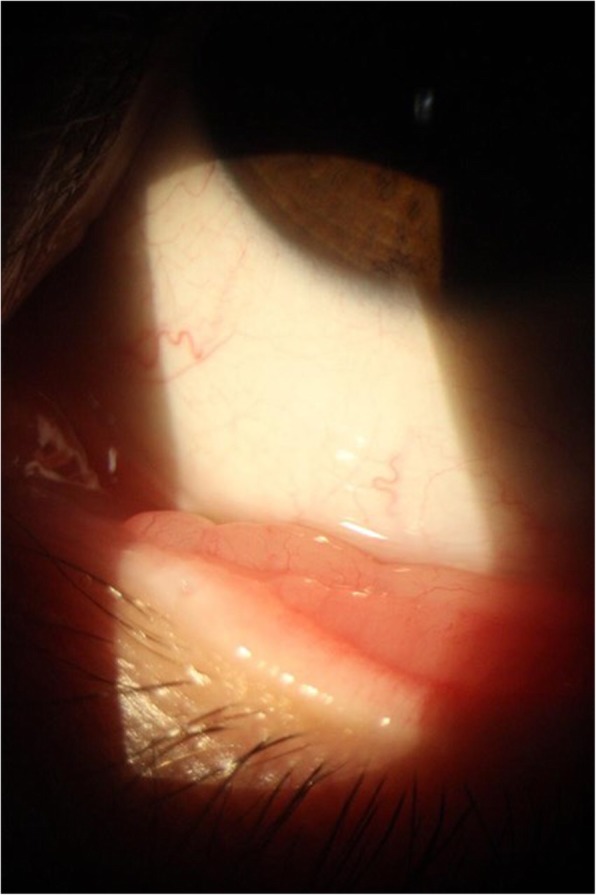
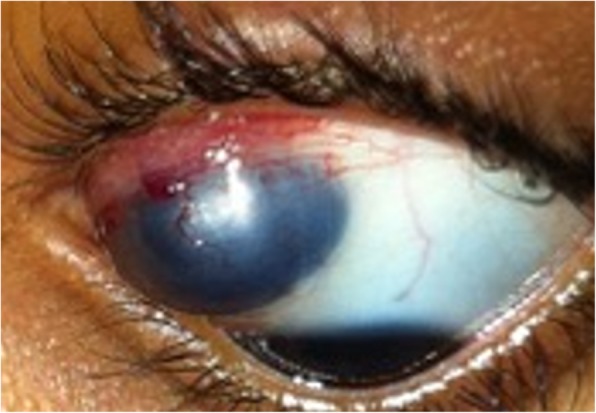
Thirty patients were diagnosed with rhinosporidiosis, eight of them had oculosporidiosis and seven of these met the criteria to be included in the study. Of the cases (23.3% of all 30), five were men (71.4%) and two women (28.5%), with an average age of 16.4 ± 15.6 years. In terms of race, four patients (57.1%) declared themselves white and three (42.9%) as brown. The north of the state, the mesoregion, had the most diagnosed cases accounting for 57.1% of the total. Left eye was the most affected site, reported in six patients (85.7%), while the conjunctiva was affected in all patients. Rhinosporidiosis and papilloma were the predominant diagnostic hypotheses (28.5 and 28.5%, respectively), followed by chronic scleritis, granuloma, and chalazion (14.25, 14.25, and 14.25%, respectively). All these cases were treated with lesion excision, and only two patients (28.5%) progressed with recurrence.
It was verified that there was a male predominance, with only one eye reported as an infected site, with no bilateral involvement. The younger age group (between 1 and 2 years of age) was more affected by oculosporidiosis, and histopathological examination was necessary for a conclusive diagnosis.
眼鼻孢子菌病(眼部鼻孢子菌病)占鼻孢子菌病的 15%,是一种慢性肉芽肿性疾病,在印度和斯里兰卡流行。在巴西,气候和水文条件与这些流行地区相似,且河畔人口众多,这导致了鼻孢子菌病发病率的上升,尤其是在马拉尼昂州。因此,本研究旨在确定诊断为眼鼻孢子菌病的病例数量,并描述其临床流行病学、实验室、组织病理学和治疗特征。
本研究为描述性、观察性和横断面研究,报告了巴西马拉尼昂州眼鼻孢子菌病的流行情况和临床流行病学特征。对 1999 年至 2017 年期间在联邦马拉尼昂大学医院(HU-UFMA)的纸质和电子病历进行了回顾性分析,该医院位于巴西东北部。
共诊断出 30 例鼻孢子菌病患者,其中 8 例为眼鼻孢子菌病,其中 7 例符合纳入研究的标准。在这 30 例病例中(占所有病例的 23.3%),有 5 例为男性(71.4%),2 例为女性(28.5%),平均年龄为 16.4±15.6 岁。在种族方面,4 例患者(57.1%)自称白人,3 例(42.9%)为棕色人种。该州北部的中地区域诊断出的病例最多,占总数的 57.1%。左眼是受影响最严重的部位,报告了 6 例患者(85.7%),所有患者的结膜均受到影响。鼻孢子菌病和乳头瘤是主要的诊断假设(分别为 28.5%和 28.5%),其次是慢性巩膜炎、肉芽肿和霰粒肿(分别为 14.25%、14.25%和 14.25%)。所有这些病例均采用病变切除术进行治疗,仅有 2 例患者(28.5%)出现复发。
研究结果表明,男性患病率较高,仅有一只眼睛被感染,无双眼受累。年龄较小的(1-2 岁)组受眼鼻孢子菌病的影响更大,组织病理学检查对于明确诊断是必要的。