Department of Family Medicine, Faculty of Medicine, Chiang Mai University, Chiang Mai, Thailand, 110 Intawaroros Road, Muang, Chiang Mai, 50200, Thailand.
Sci Rep. 2019 Nov 8;9(1):16343. doi: 10.1038/s41598-019-52754-w.
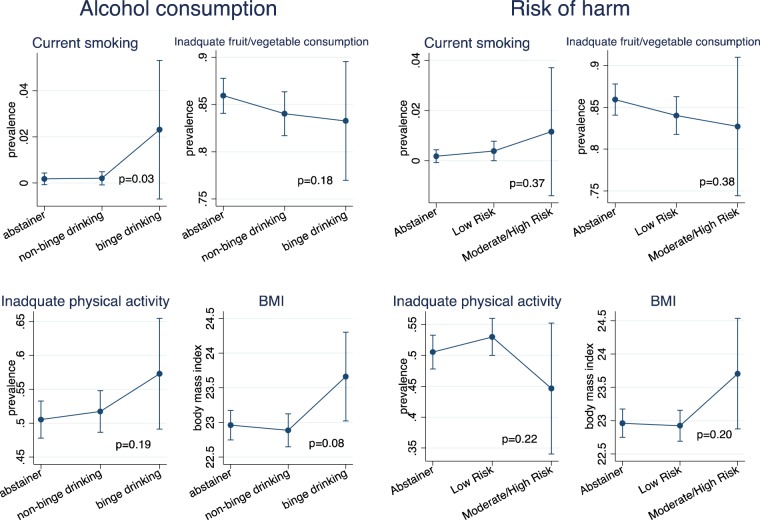
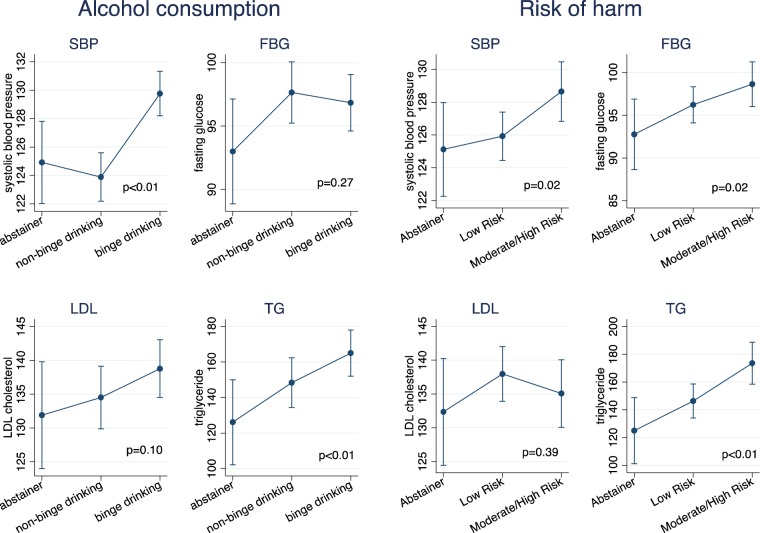
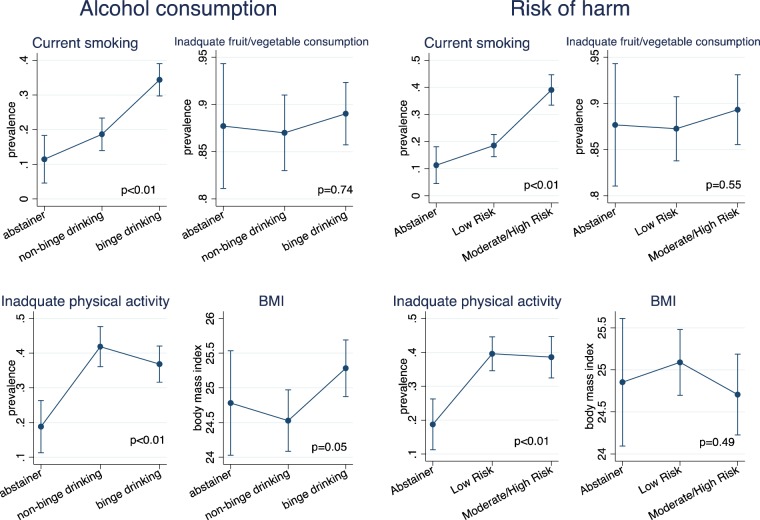
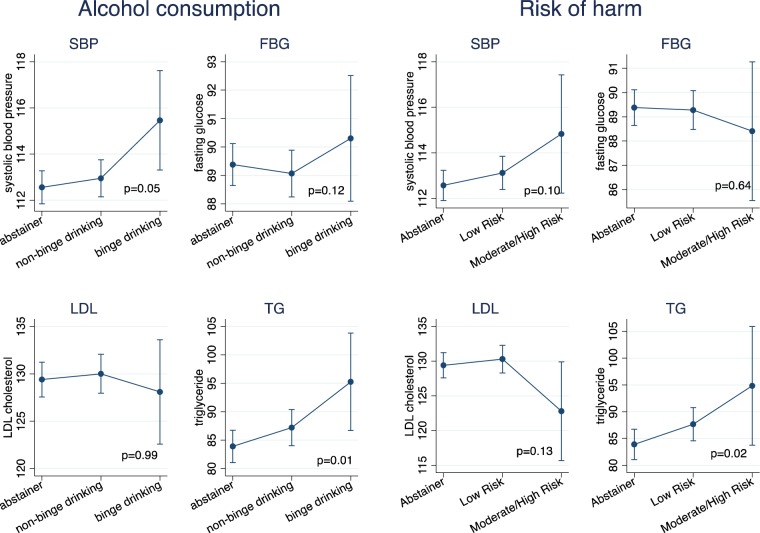
While there is an abundance of literature examining the relation between quantity of alcohol consumption and risk factors for non-communicable diseases (NCD), there is less evidence on whether the risk of harm from alcohol use would have a similar relationship with NCD risk factors. The study aims to determine the association between level of harm from alcohol use and NCD risk factors. A cross-sectional survey was conducted among health care workers in Thailand in 2013. The Alcohol, Smoking and Substance Involvement Screening Test (ASSIST) was used to assessed risk of harm from alcohol use. The results suggest that higher risk of harm from alcohol use was associated with two of the eight NCD risk factors among women (higher blood pressure and higher triglyceride level) and five of the eight NCD risk factors among men (smoking, physical inactivity, higher blood pressure, higher blood glucose and higher triglyceride level). For men, assessing risk of harm could be incorporated as part of NCD programs as practitioners do not have to worry about the accuracy of the alcohol quantification and conversion to standard drinks. However, among women, quantifying volume may still be needed.
尽管有大量文献研究了饮酒量与非传染性疾病(NCD)风险因素之间的关系,但关于酒精使用带来的危害风险与 NCD 风险因素之间是否存在类似关系的证据较少。本研究旨在确定酒精使用带来的危害程度与 NCD 风险因素之间的关联。2013 年在泰国的卫生保健工作者中进行了一项横断面调查。使用酒精、吸烟和物质使用参与筛查测试(ASSIST)来评估酒精使用带来的危害风险。结果表明,较高的酒精使用危害风险与女性的八个 NCD 风险因素中的两个(较高的血压和较高的甘油三酯水平)以及男性的八个 NCD 风险因素中的五个(吸烟、身体活动不足、较高的血压、较高的血糖和较高的甘油三酯水平)有关。对于男性来说,评估危害风险可以作为 NCD 计划的一部分,因为从业者不必担心酒精定量和转换为标准饮料的准确性。然而,对于女性来说,可能仍需要定量。