Center for Systems Biology, Department of Radiology, Massachusetts General Hospital and Harvard Medical School, Simches Research Building, 185 Cambridge Street, Boston, MA 02114, USA.
Center for Systems Biology, Department of Radiology, Massachusetts General Hospital and Harvard Medical School, Simches Research Building, 185 Cambridge Street, Boston, MA 02114, USA; Program in Membrane Biology and Division of Nephrology, Massachusetts General Hospital and Harvard Medical School, Boston, MA 02114, USA.
Immunity. 2019 Nov 19;51(5):899-914.e7. doi: 10.1016/j.immuni.2019.10.010. Epub 2019 Nov 12.
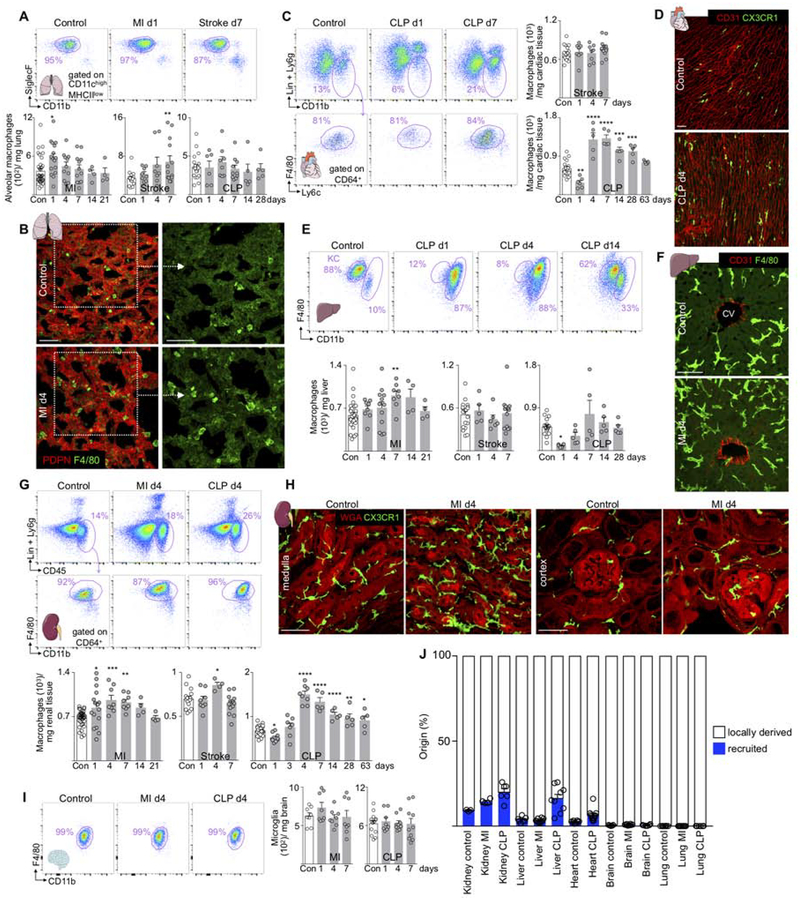
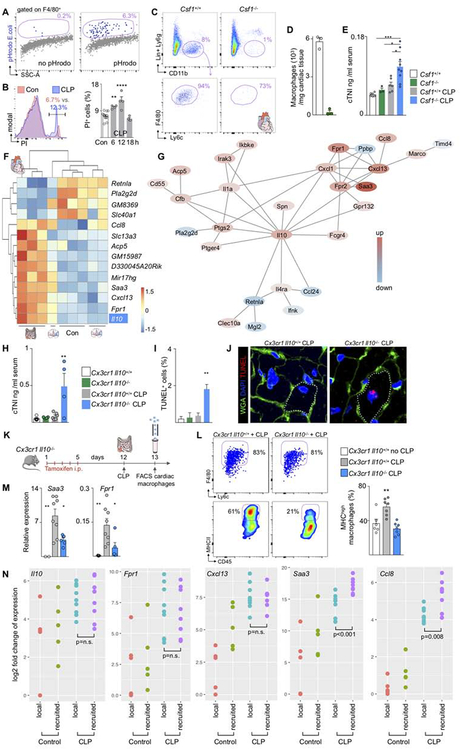
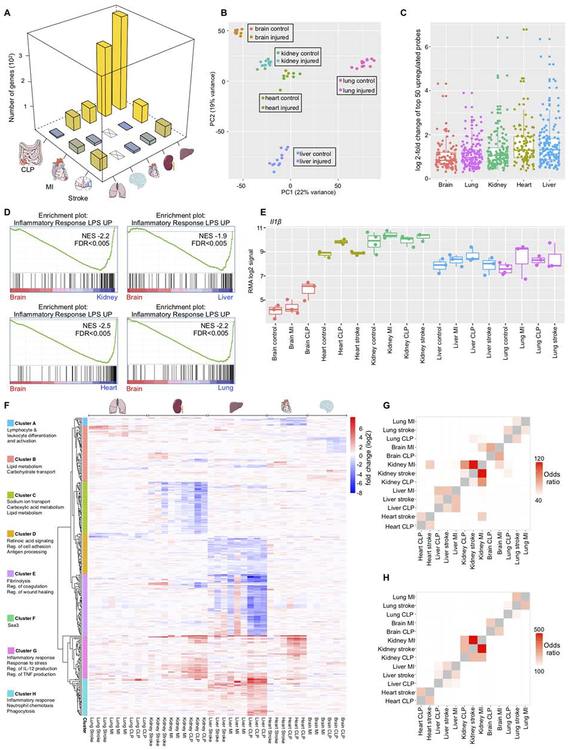
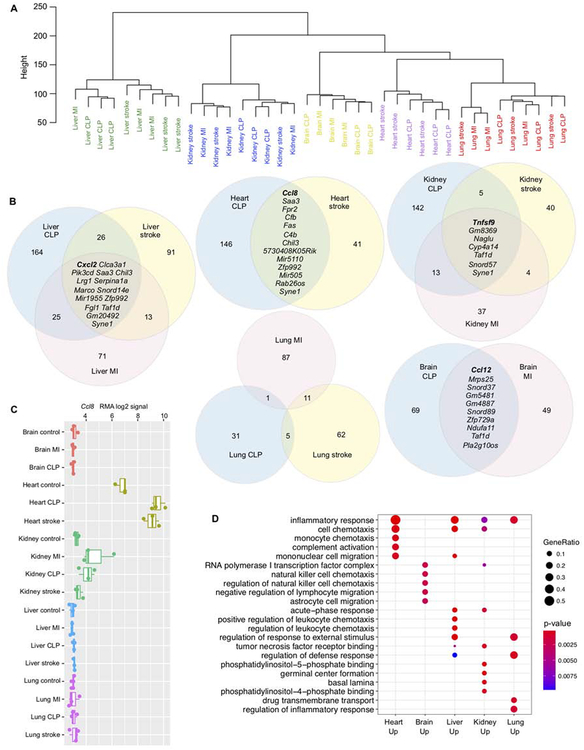
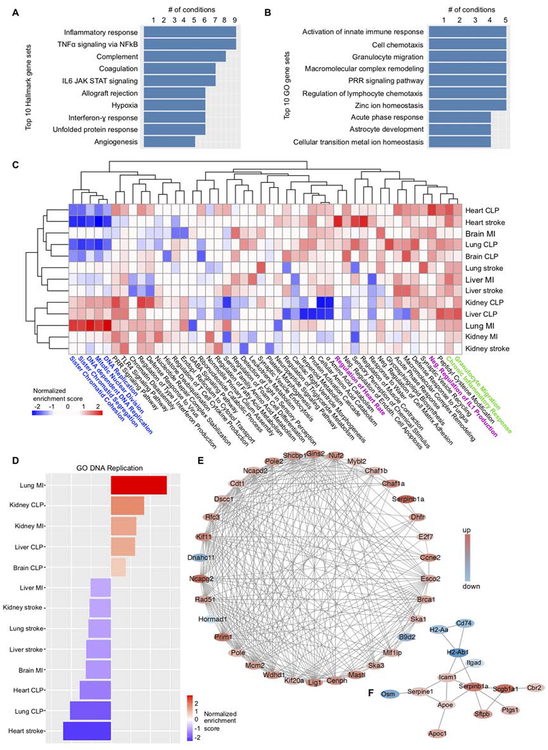
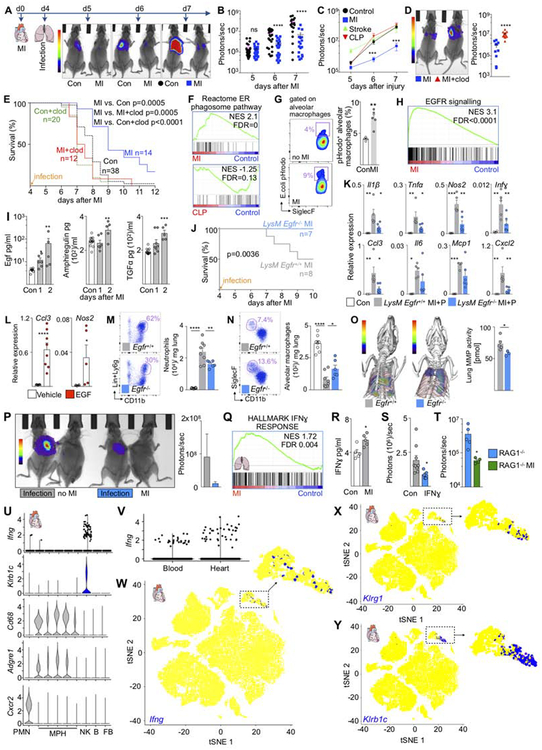
Myocardial infarction, stroke, and sepsis trigger systemic inflammation and organism-wide complications that are difficult to manage. Here, we examined the contribution of macrophages residing in vital organs to the systemic response after these injuries. We generated a comprehensive catalog of changes in macrophage number, origin, and gene expression in the heart, brain, liver, kidney, and lung of mice with myocardial infarction, stroke, or sepsis. Predominantly fueled by heightened local proliferation, tissue macrophage numbers increased systemically. Macrophages in the same organ responded similarly to different injuries by altering expression of tissue-specific gene sets. Preceding myocardial infarction improved survival of subsequent pneumonia due to enhanced bacterial clearance, which was caused by IFNɣ priming of alveolar macrophages. Conversely, EGF receptor signaling in macrophages exacerbated inflammatory lung injury. Our data suggest that local injury activates macrophages in remote organs and that targeting macrophages could improve resilience against systemic complications following myocardial infarction, stroke, and sepsis.
心肌梗死、中风和败血症会引发全身性炎症和全身性并发症,这些并发症难以治疗。在这里,我们研究了驻留在重要器官中的巨噬细胞对这些损伤后全身反应的贡献。我们生成了一个全面的目录,其中包括心肌梗死、中风或败血症小鼠的心脏、大脑、肝脏、肾脏和肺部中巨噬细胞数量、来源和基因表达的变化。主要由局部增殖增加驱动,组织巨噬细胞数量在全身增加。同一器官中的巨噬细胞通过改变组织特异性基因集的表达对不同损伤做出相似的反应。心肌梗死之前改善了随后肺炎的存活率,原因是肺泡巨噬细胞中 IFNɣ 的引发增强了细菌清除。相反,巨噬细胞中的 EGF 受体信号转导会加剧炎症性肺损伤。我们的数据表明,局部损伤会激活远处器官中的巨噬细胞,并且靶向巨噬细胞可能会改善心肌梗死、中风和败血症后全身并发症的恢复能力。