College of Horticulture, Northwest A&F University, Yangling 712100, China.
State Key Laboratory of Crop Stress Biology in Arid Regions, Northwest A&F University, Yangling 712100, China.
Genes (Basel). 2019 Nov 14;10(11):925. doi: 10.3390/genes10110925.
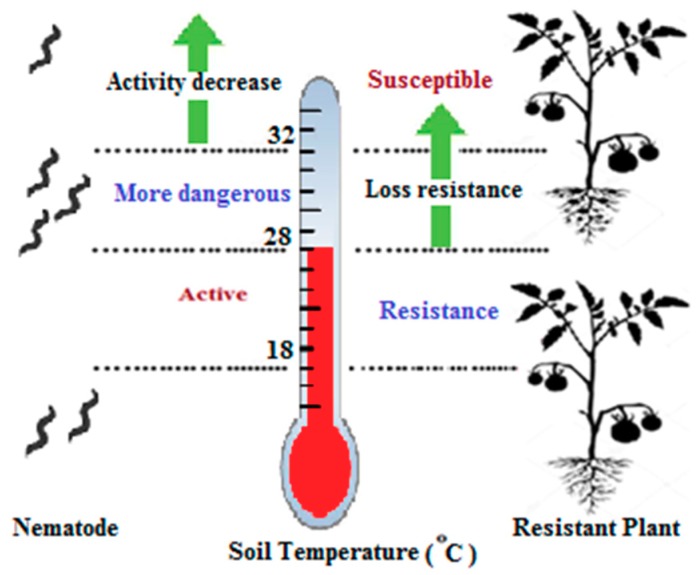
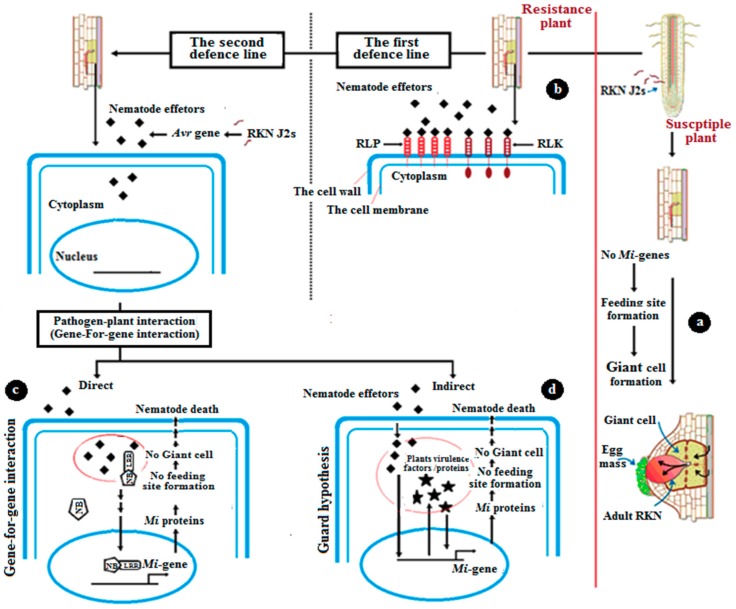
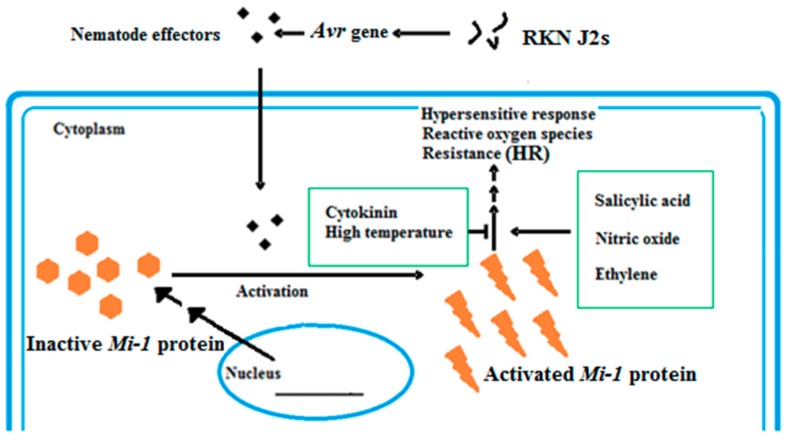
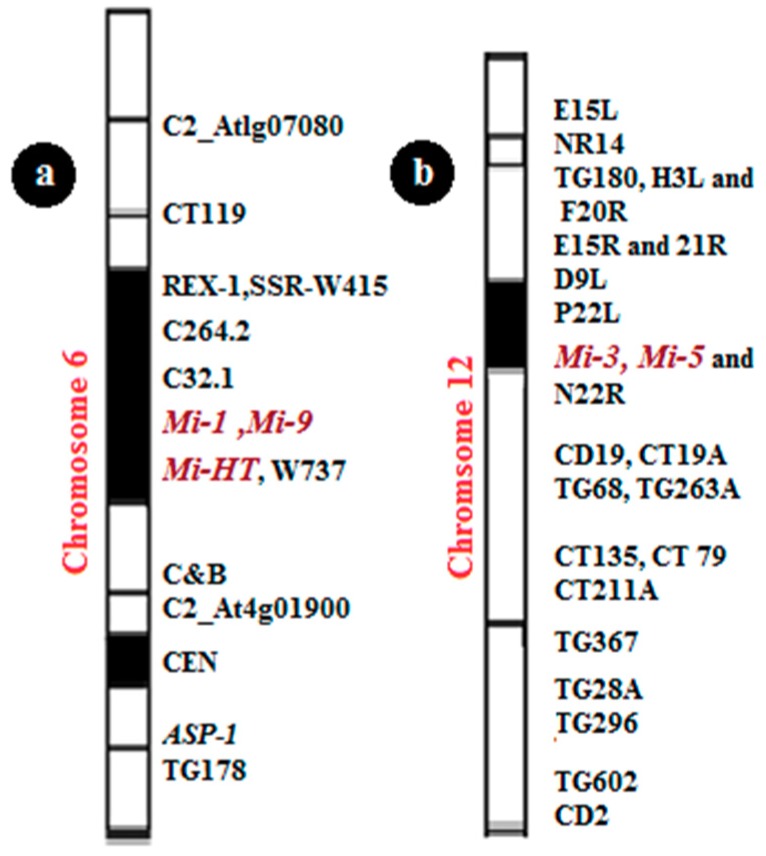
The root-knot nematode (RKN) is one of the most dangerous and widespread types of nematodes affecting tomatoes. There are few methods for controlling nematodes in tomatoes. Nature resistance genes (R-genes) are important in conferring resistance against nematodes. These genes that confer resistance to the RKN have already been identified as , , , , , , , , , and . Only five of these genes have been mapped. The major problem is that their resistance breaks down at high temperatures. Some of these genes still work at high temperatures. In this paper, the mechanism and characteristics of these natural resistance genes are summarized. Other difficulties in using these genes in the resistance and how to improve them are also mentioned.
根结线虫(RKN)是危害番茄的最危险和最广泛的线虫之一。番茄防治线虫的方法很少。自然抗性基因(R 基因)在赋予线虫抗性方面非常重要。这些赋予 RKN 抗性的基因已经被鉴定为 、 、 、 、 、 、 、 和 。其中只有五个基因已经被定位。主要问题是它们的抗性在高温下会失效。其中一些基因在高温下仍然有效。本文总结了这些天然抗性基因的机制和特性。还提到了在抗性中使用这些基因的其他困难以及如何改进它们。