Sood Vishesh, Jermy Stephen, Saad Hadil, Samuels Petronella, Moosa Sulaiman, Ntusi Ntobeko
Division of Radiology, Department of Radiation Medicine, University of Cape Town.
Groote Schuur Hospital, Cape Town, South Africa.
SA J Radiol. 2017 Nov 14;21(2):1248. doi: 10.4102/sajr.v21i2.1248. eCollection 2017.
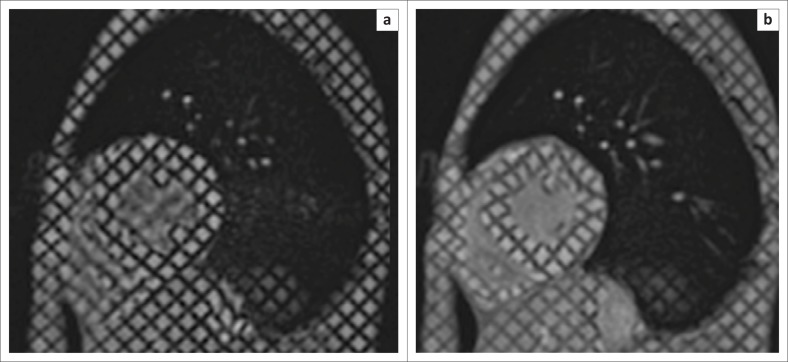
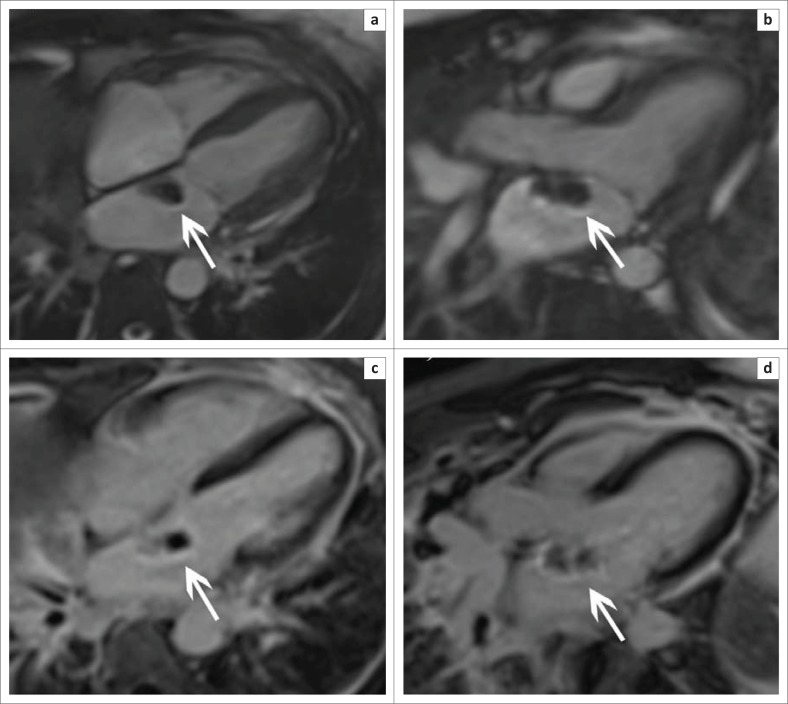
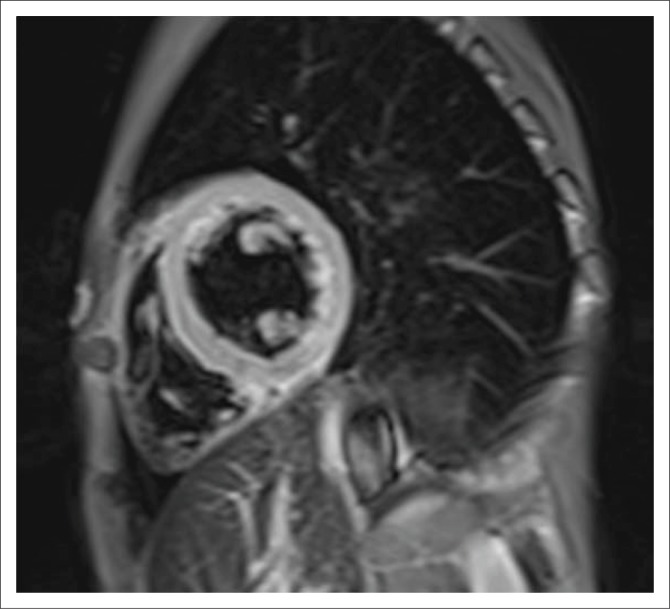
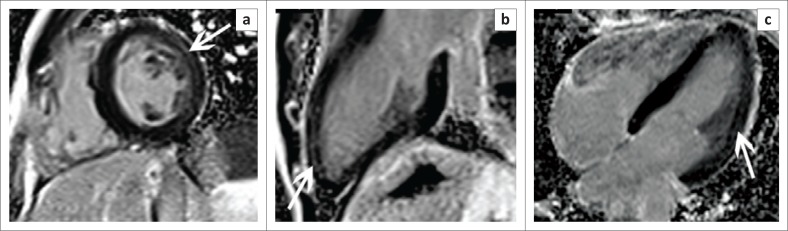
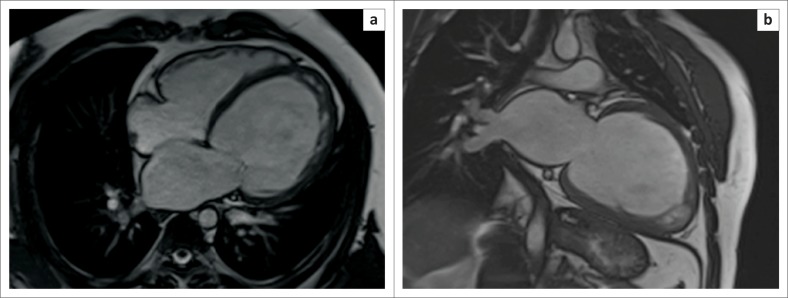
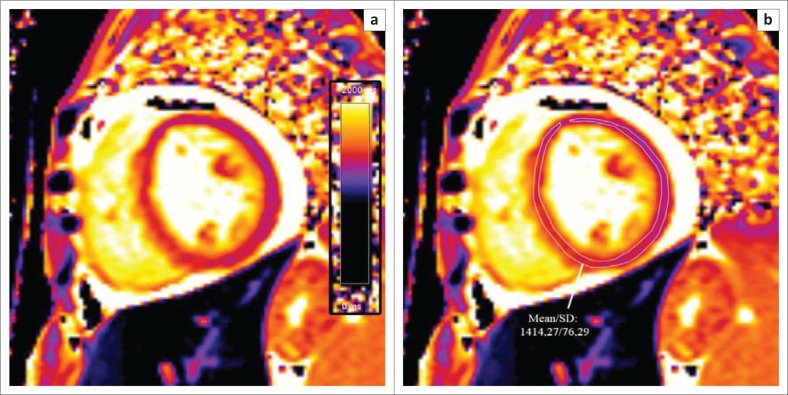
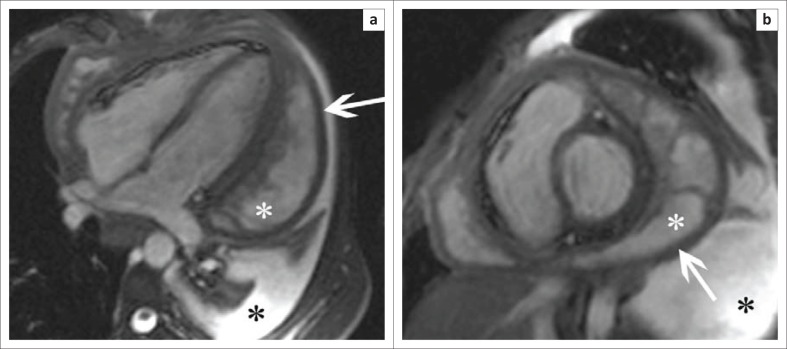
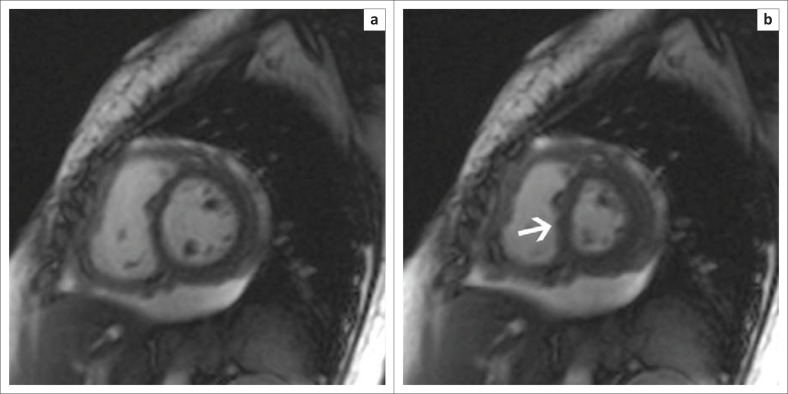
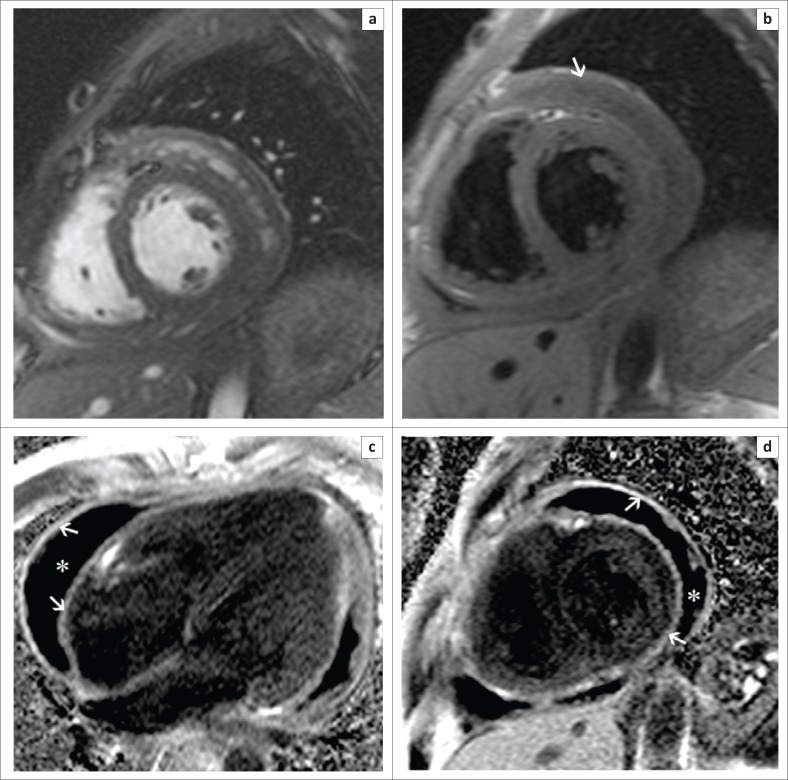
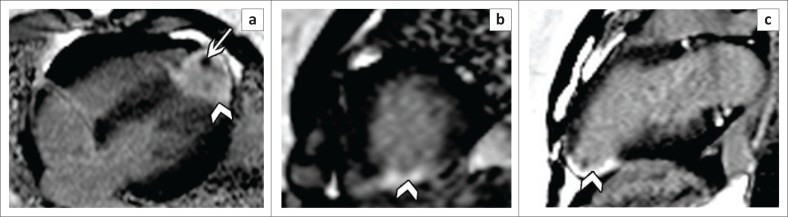
Despite ongoing advances in the treatment of patients with human immunodeficiency virus (HIV) or acquired immunodeficiency syndrome (AIDS), they remain a major global public health concern conferring an increased risk of morbidity and mortality in affected individuals. This is, in part, because of the widespread dysfunction imposed by HIV and its treatment on the cardiovascular system, including the myocardium, valvular apparatus, pericardium and coronary, pulmonary and peripheral vasculature. In recent times, cardiovascular magnetic resonance (CMR) imaging has emerged as the gold standard tool for assessment of a variety of indications, allowing comprehensive characterisation of functional, morphological, metabolic and haemodynamic sequelae of several cardiovascular pathologies. Furthermore, continued advancement in imaging techniques has yielded novel insights into the underlying pathophysiology and guides future therapeutic strategies. In this article, we review the various clinical phenotypes of HIV-associated cardiovascular disease and highlight the utility of CMR in their assessment.
尽管在人类免疫缺陷病毒(HIV)或获得性免疫缺陷综合征(AIDS)患者的治疗方面不断取得进展,但他们仍然是全球主要的公共卫生问题,会增加受影响个体的发病和死亡风险。部分原因是HIV及其治疗对心血管系统造成的广泛功能障碍,包括心肌、瓣膜装置、心包以及冠状动脉、肺血管和外周血管。近年来,心血管磁共振(CMR)成像已成为评估多种病症的金标准工具,能够全面表征多种心血管疾病的功能、形态、代谢和血流动力学后遗症。此外,成像技术的不断进步为潜在的病理生理学带来了新的见解,并指导未来的治疗策略。在本文中,我们回顾了HIV相关心血管疾病的各种临床表型,并强调了CMR在其评估中的作用。