Affiliated Hospital of Integrated Traditional Chinese and Western Medicine, Nanjing University of Chinese Medicine, Nanjing, Jiangsu, China.
College of Pharmacy, Nanjing University of Chinese Medicine, Nanjing, Jiangsu, China.
J Immunother Cancer. 2019 Nov 27;7(1):326. doi: 10.1186/s40425-019-0817-4.
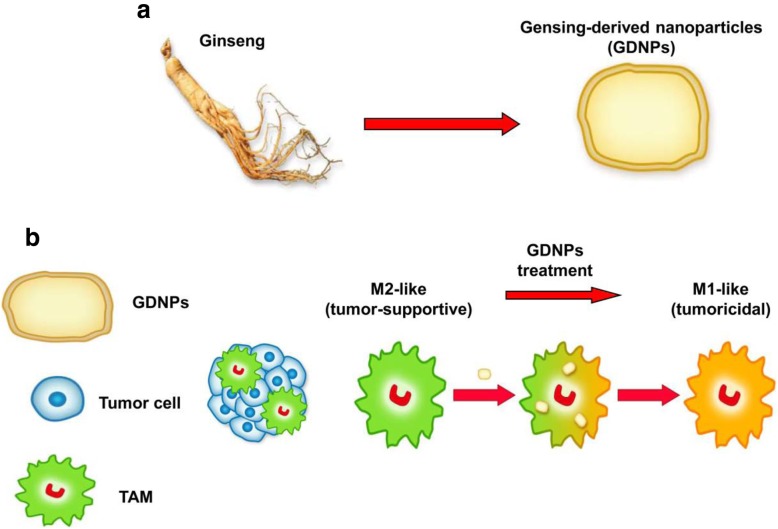
It is unclear whether plant-derived extracellular vesicles (EVs) can mediate interspecies communication with mammalian cells. Tumor-associated macrophages (TAMs) display a continuum of different polarization states between tumoricidal M1 phenotype and tumor-supportive M2 phenotypes, with a lower M1/M2 ratio correlating with tumor growth, angiogenesis and invasion. We investigated whether EVs from ginseng can alter M2-like polarization both in vitro and in vivo to promote cancer immunotherapy.
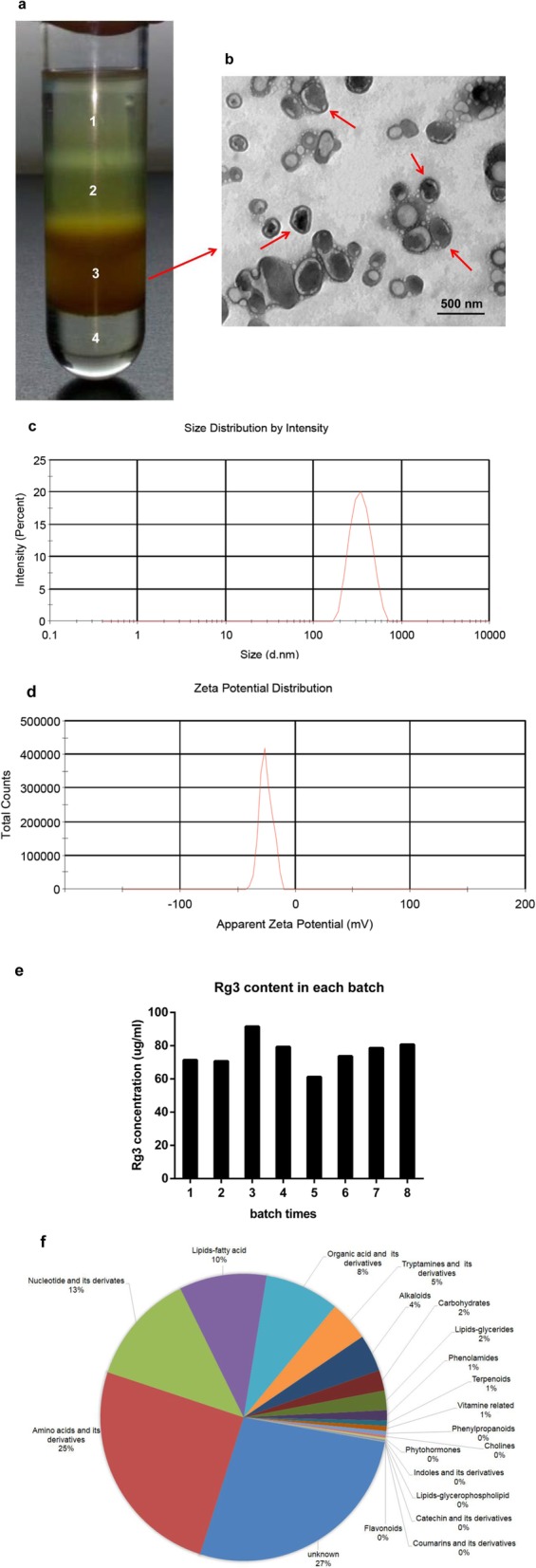
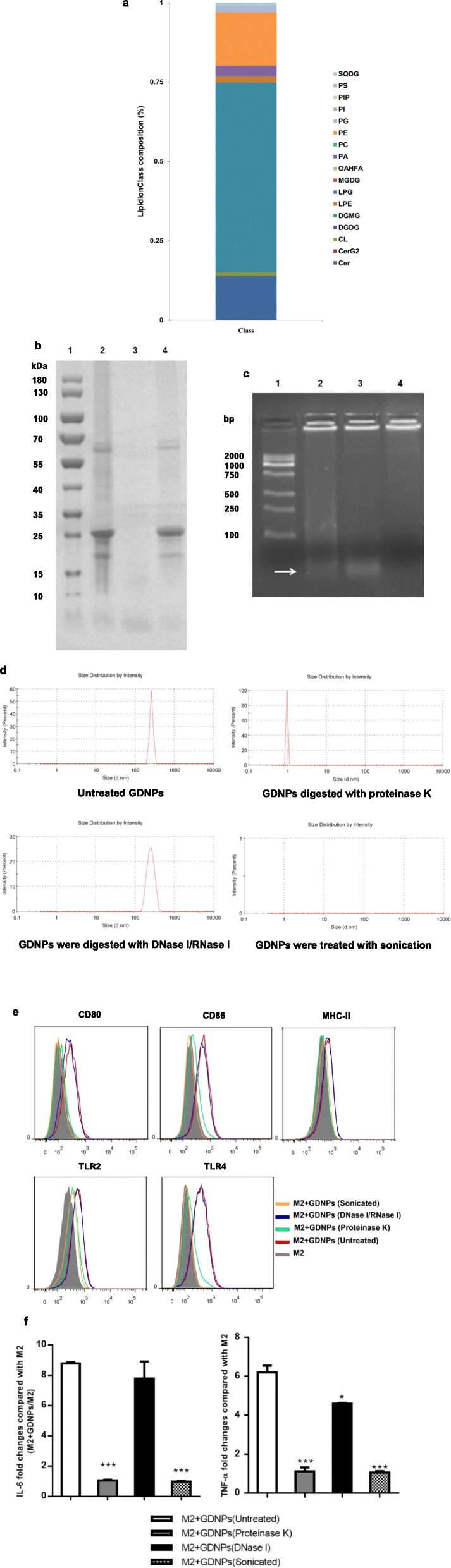
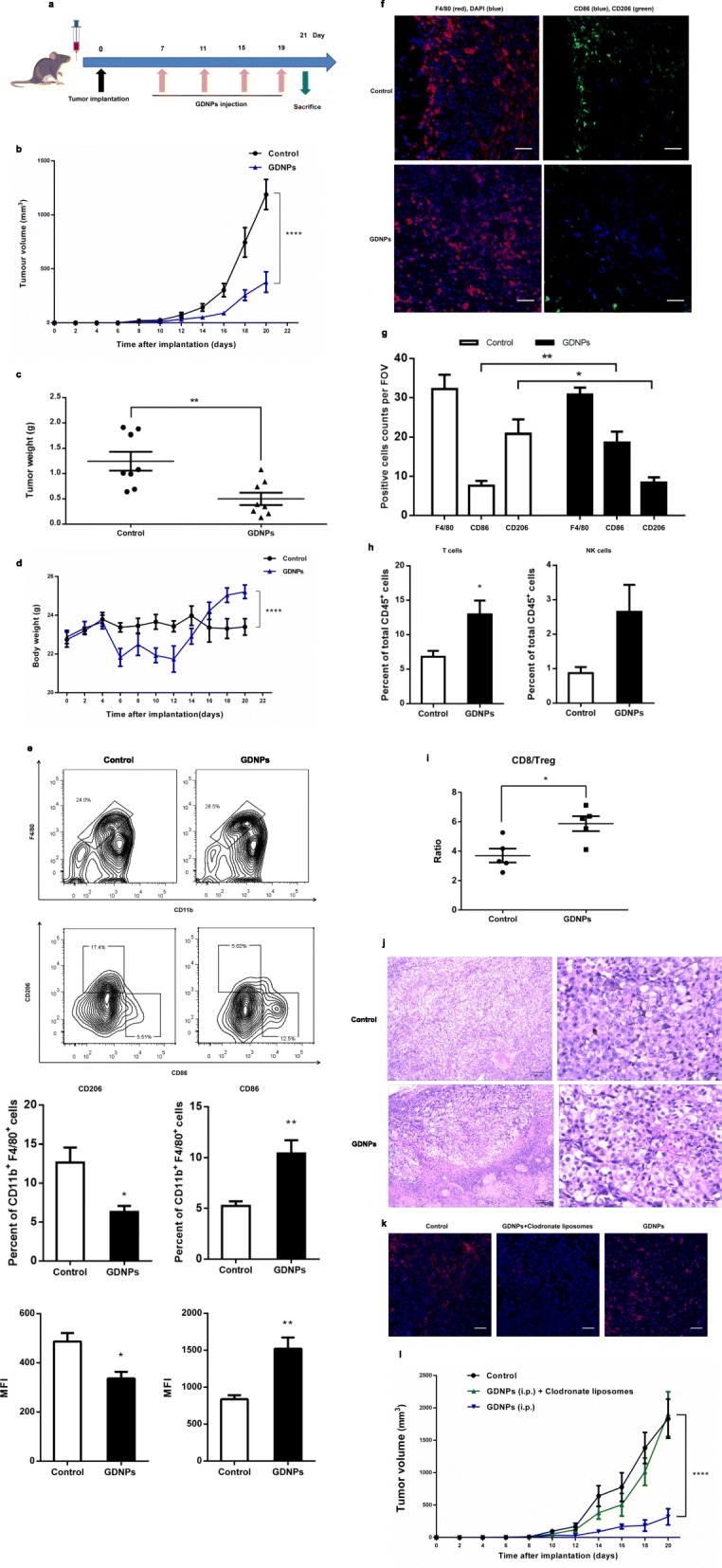
A novel EVs-liked ginseng-derived nanoparticles (GDNPs) were isolated and characterized from Panax ginseng C. A. Mey. Using GDNPs as an immunopotentiator for altering M2 polarized macrophages, we analyzed associated surface markers, genes and cytokines of macrophages treated with GDNPs. Mice bearing B16F10 melanoma were treated with GDNPs therapy. Tumor growth were assessed, and TAM populations were evaluated by FACS and IF.
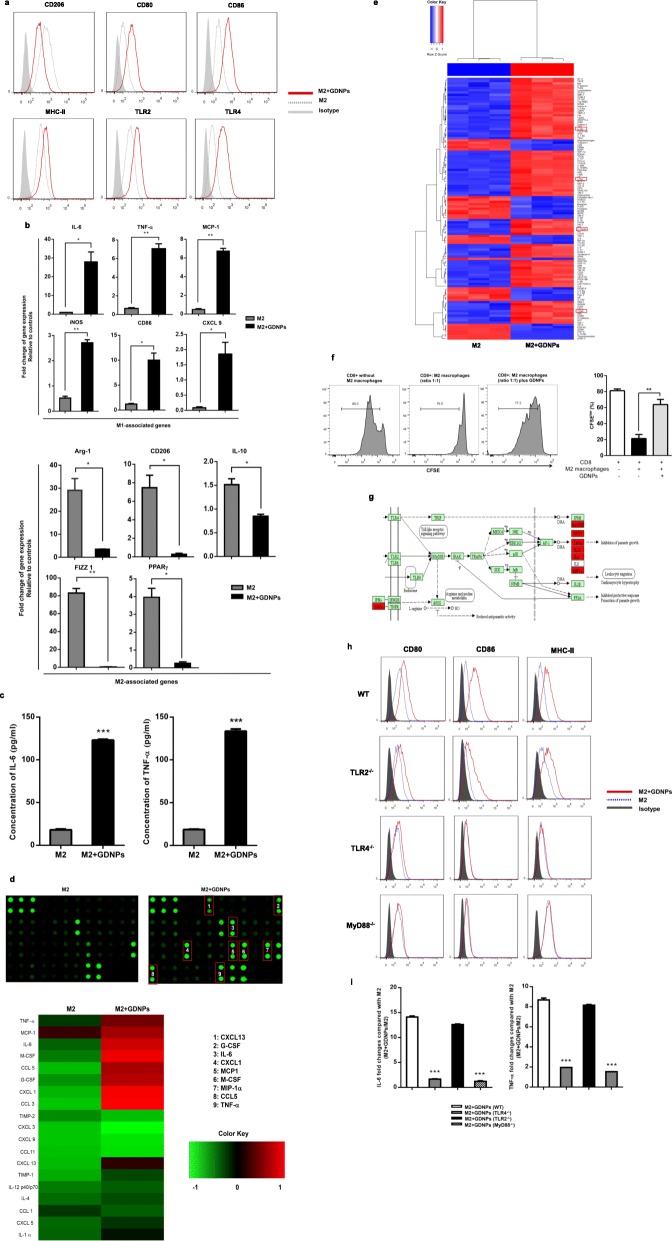
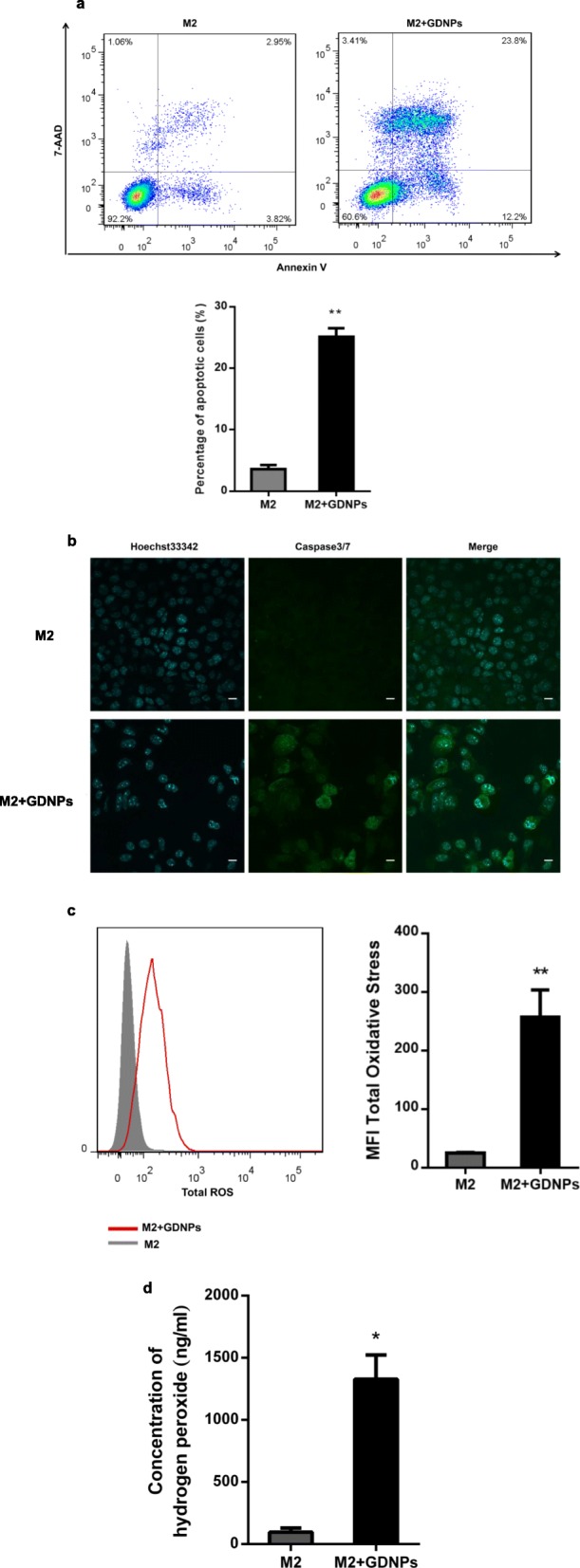
GDNPs significantly promoted the polarization of M2 to M1 phenotype and produce total reactive oxygen species, resulting in increasing apoptosis of mouse melanoma cells. GDNP-induced M1 polarization was found to depend upon Toll-like receptor (TLR)-4 and myeloid differentiation antigen 88 (MyD88)-mediated signaling. Moreover, ceramide lipids and proteins of GDNPs may play an important role in macrophage polarization via TLR4 activation. We found that GDNPs treatment significantly suppressed melanoma growth in tumor-bearing mice with increased presence of M1 macrophages detected in the tumor tissue.
GDNPs can alter M2 polarization both in vitro and in vivo, which contributes to an antitumor response. The polarization of macrophages induced by GDNPs is largely dependent on TLR4 and MyD88 signalling. GDNPs as an immunomodulator participate in mammalian immune response and may represent a new class of nano-drugs in cancer immunotherapy.
目前尚不清楚植物来源的细胞外囊泡(EVs)是否可以介导与哺乳动物细胞的种间通讯。肿瘤相关巨噬细胞(TAMs)在杀伤肿瘤的 M1 表型和肿瘤支持的 M2 表型之间表现出不同极化状态的连续谱,较低的 M1/M2 比值与肿瘤生长、血管生成和侵袭相关。我们研究了来自人参的 EVs 是否可以在体外和体内改变 M2 样极化,以促进癌症免疫治疗。
从 Panax ginseng C. A. Mey. 中分离并表征了一种新型 EVs 样人参衍生纳米颗粒(GDNPs)。使用 GDNPs 作为改变 M2 极化巨噬细胞的免疫增强剂,我们分析了用 GDNPs 处理的巨噬细胞的相关表面标志物、基因和细胞因子。用 GDNPs 治疗携带 B16F10 黑色素瘤的小鼠。评估肿瘤生长,并通过 FACS 和 IF 评估 TAM 群体。
GDNPs 显著促进 M2 向 M1 表型的极化,并产生总活性氧,导致小鼠黑色素瘤细胞凋亡增加。发现 GDNP 诱导的 M1 极化依赖于 Toll 样受体(TLR)-4 和髓样分化抗原 88(MyD88)介导的信号转导。此外,GDNPs 的神经酰胺脂质和蛋白可能通过 TLR4 激活在巨噬细胞极化中发挥重要作用。我们发现,GDNPs 治疗显著抑制了荷瘤小鼠的黑色素瘤生长,并且在肿瘤组织中检测到 M1 巨噬细胞的存在增加。
GDNPs 可以在体外和体内改变 M2 极化,有助于抗肿瘤反应。GDNPs 诱导的巨噬细胞极化在很大程度上依赖于 TLR4 和 MyD88 信号转导。GDNPs 作为免疫调节剂参与哺乳动物免疫反应,可能代表癌症免疫治疗中的一类新型纳米药物。