Wheeler Benjamin J, Snoddy Anne Marie E, Munns Craig, Simm Peter, Siafarikas Aris, Jefferies Craig
Department of Women's and Children's Health, Dunedin School of Medicine, University of Otago, Dunedin, New Zealand.
Paediatric Department, Southern District Health Board, Dunedin, New Zealand.
Front Endocrinol (Lausanne). 2019 Nov 14;10:795. doi: 10.3389/fendo.2019.00795. eCollection 2019.
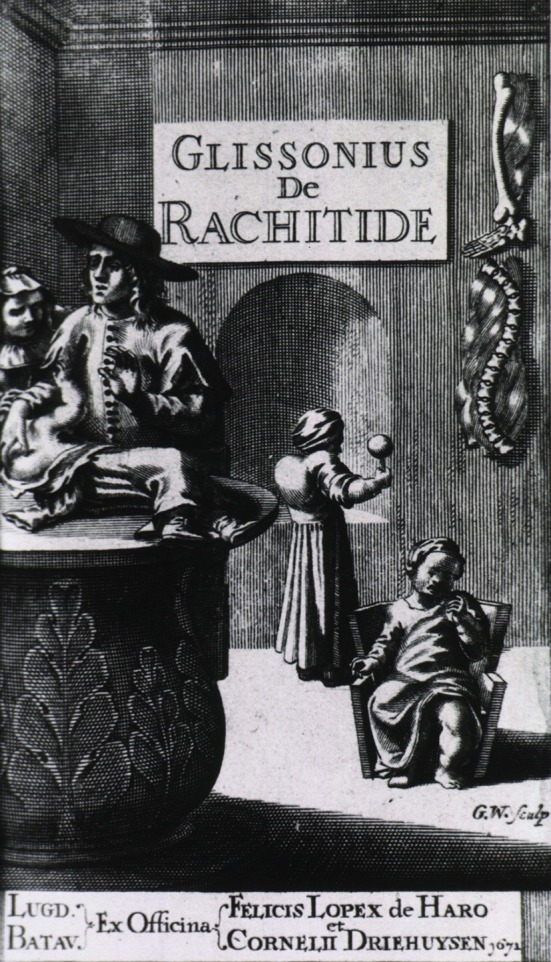
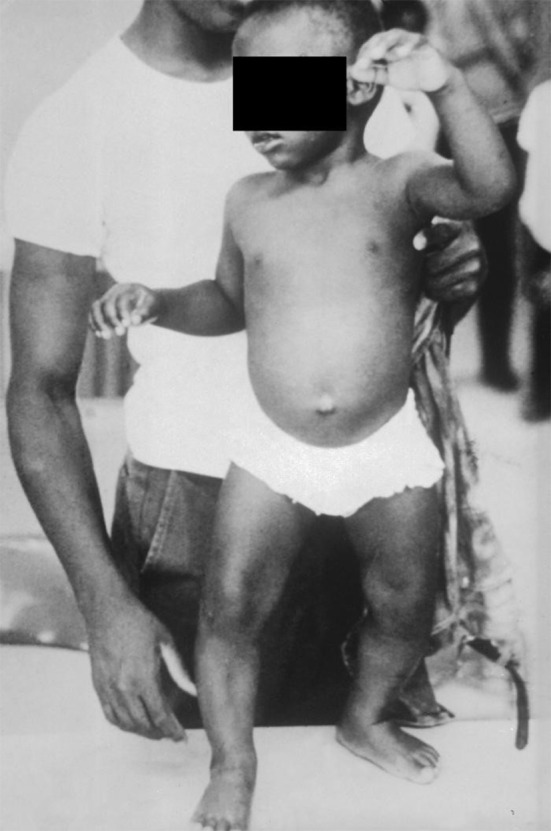
Since first described almost a century ago, vitamin D preparations have been successfully used as a public health intervention to prevent nutritional rickets. In this manuscript, we document the periods in history when nutritional rickets was described, examine early efforts to understand its etiology and the steps taken to treat and prevent it. We will also highlight that despite the wealth of historical data and multiple preventative strategies, nutritional rickets remains a significant public health disorder. Nutritional rickets has both skeletal and extraskeletal manifestations. While the skeletal manifestations are the most recognized features, it is the extraskeletal complications, hypocalcaemic seizure and cardiomyopathy that are the most devastating features and result in reported fatalities. Reviewing this history provides an opportunity to further promote recent global consensus recommendations for the prevention and management of nutritional rickets, as well as gain a greater understanding of the well-known public health measures that can be used to manage this entirely preventable disease.
自近一个世纪前首次被描述以来,维生素D制剂已成功用作预防营养性佝偻病的公共卫生干预措施。在本手稿中,我们记录了营养性佝偻病被描述的历史时期,审视了早期对其病因的研究努力以及为治疗和预防该病所采取的措施。我们还将强调,尽管有丰富的历史数据和多种预防策略,但营养性佝偻病仍是一种严重的公共卫生疾病。营养性佝偻病有骨骼和骨骼外表现。虽然骨骼表现是最广为人知的特征,但骨骼外并发症、低钙血症性惊厥和心肌病才是最具破坏性的特征,并导致了报告的死亡病例。回顾这段历史为进一步推广近期全球关于营养性佝偻病预防和管理的共识性建议提供了契机,同时也有助于更深入地了解可用于管理这种完全可预防疾病的著名公共卫生措施。