Huang Yaping, Zhao Jizhi, Mao Guogen, Lee Grace Sanghee, Zhang Jia, Bi Lijun, Gu Liya, Chang Zhijie, Valentino Joseph, Li Guo-Min
1Department of Radiation Oncology, University of Texas Southwestern Medical Center, Dallas, TX 75390 USA.
4Department of Stomatology, Peking Union Medical College Hospital, Beijing, 100730 China.
Cell Discov. 2019 Nov 26;5:57. doi: 10.1038/s41421-019-0126-6. eCollection 2019.
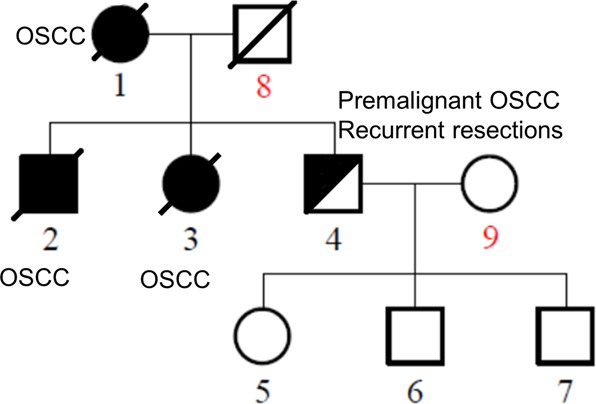
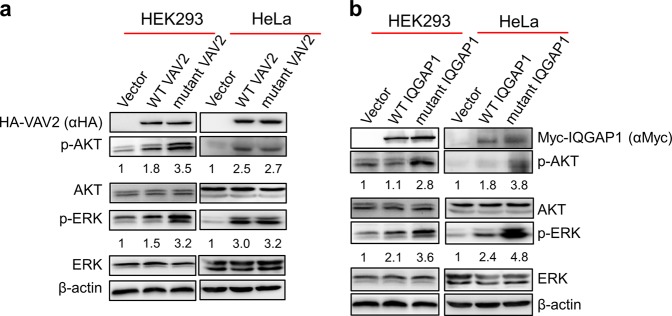
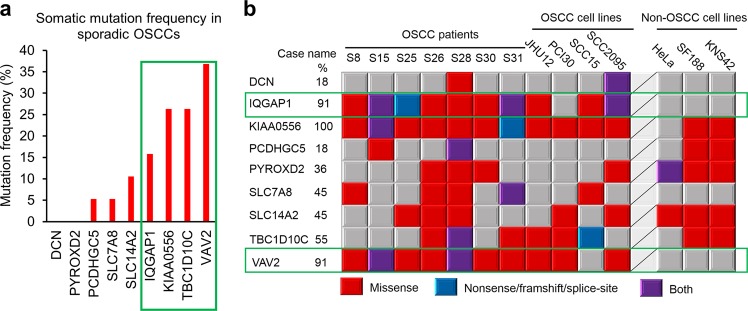
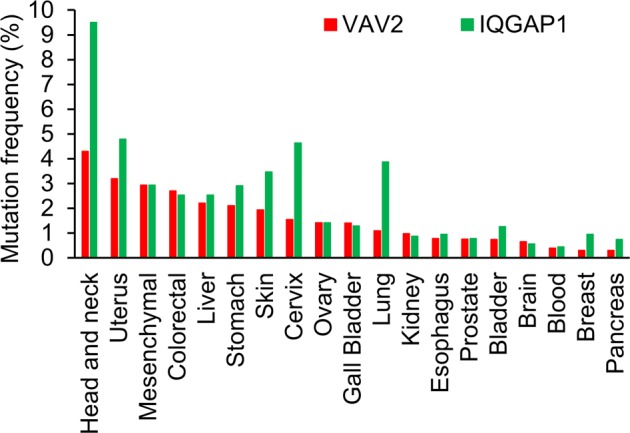
Oral squamous cell carcinoma (OSCC) is a common subtype of head and neck squamous cell carcinoma (HNSCC), but the pathogenesis underlying familial OSCCs is unknown. Here, we analyzed whole-genome sequences of a family with autosomal dominant expression of oral tongue cancer and identified proto-oncogenes and as the primary factors responsible for oral cancer in the family. These two genes are also frequently mutated in sporadic OSCCs and HNSCCs. Functional analysis revealed that the detrimental variants target tumorigenesis-associated pathways, thus confirming that these novel genetic variants help to establish a predisposition to familial OSCC.
口腔鳞状细胞癌(OSCC)是头颈部鳞状细胞癌(HNSCC)的一种常见亚型,但家族性OSCC的发病机制尚不清楚。在此,我们分析了一个口腔舌癌呈常染色体显性表达的家族的全基因组序列,并确定原癌基因 和 是该家族口腔癌的主要致病因素。这两个基因在散发性OSCC和HNSCC中也经常发生突变。功能分析表明,有害变异靶向肿瘤发生相关途径,从而证实这些新的基因变异有助于确立家族性OSCC的易感性。