Oster Emily
Brown University and NBER.
Am Econ J Appl Econ. 2018 Oct;10(4):308-348. doi: 10.1257/app.20160232.
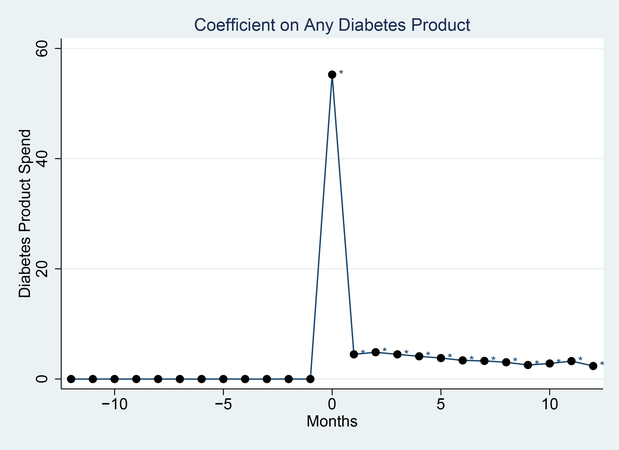
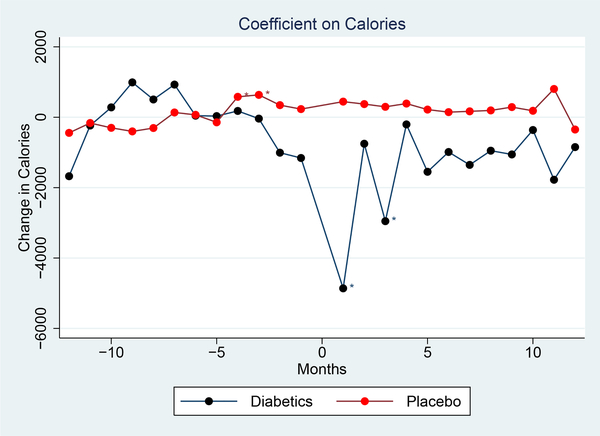
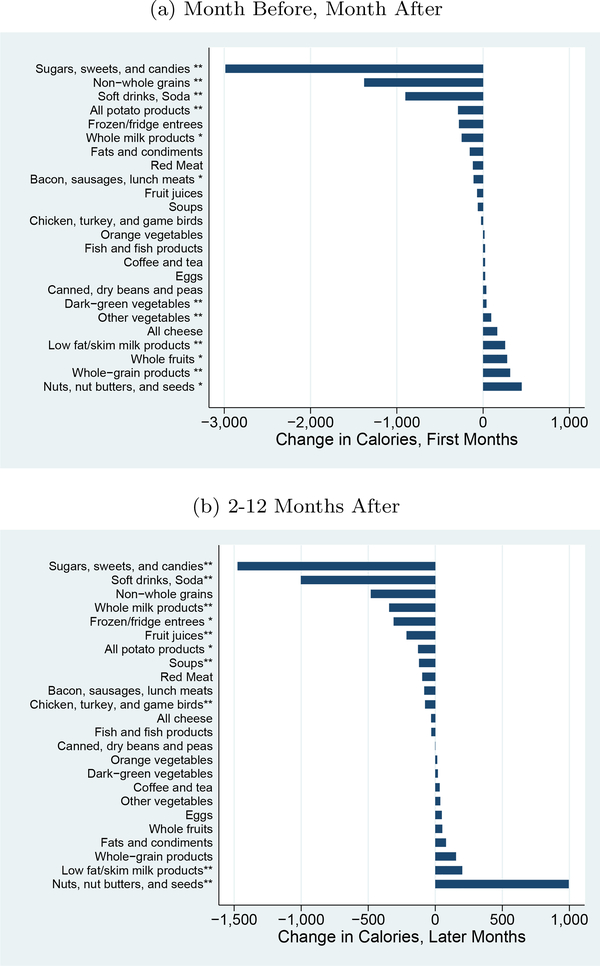
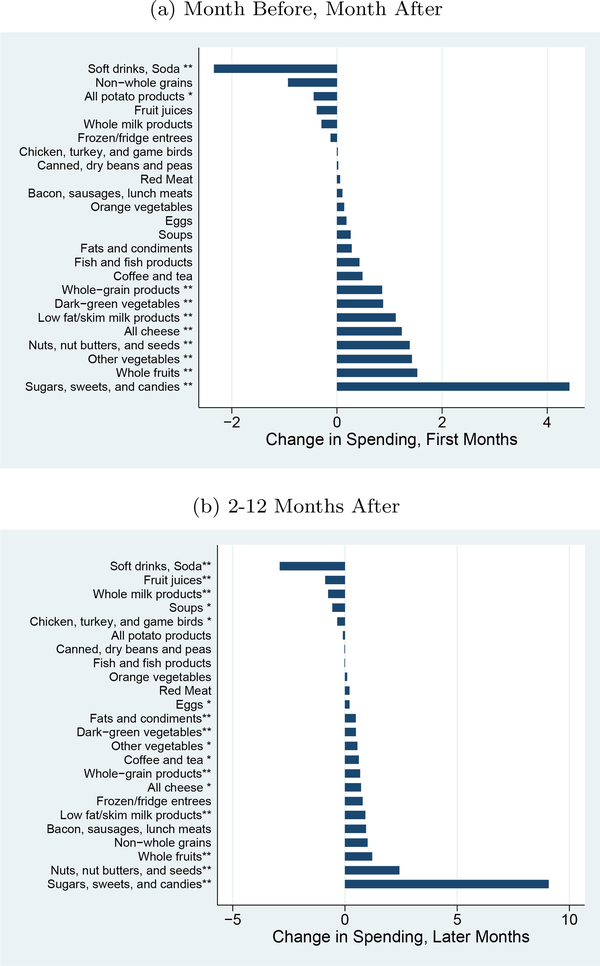
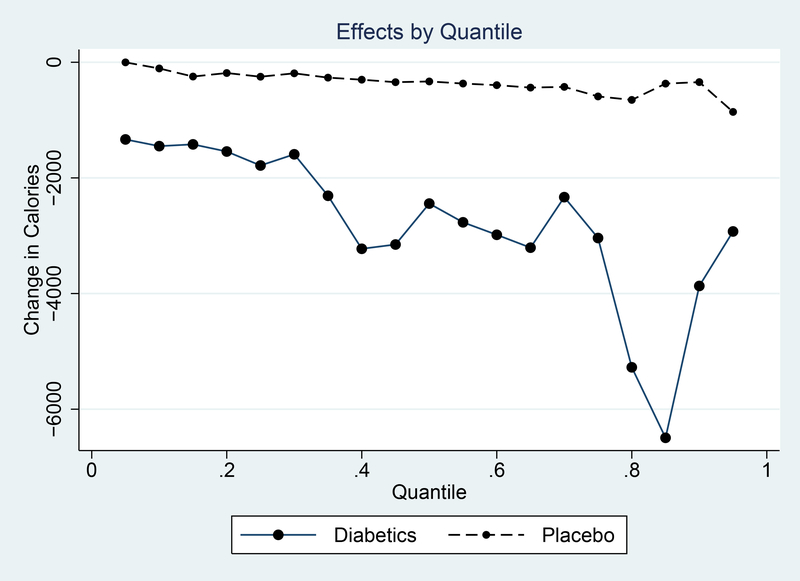
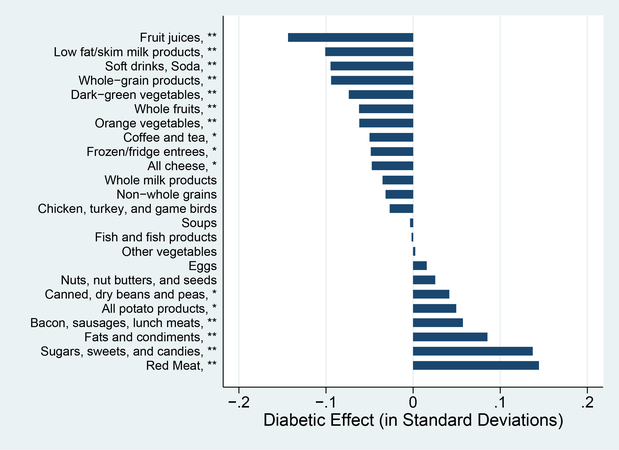
Individuals with obesity and related conditions are often reluctant to change their diet. Evaluating the details of this reluctance is hampered by limited data. I use household scanner data to estimate food purchase response to a diagnosis of diabetes. I use a machine learning approach to infer diagnosis from purchases of diabetes-related products. On average, households show significant, but relatively small, calorie reductions. These reductions are concentrated in unhealthy foods, suggesting they reflect real efforts to improve diet. There is some heterogeneity in calorie changes across households, although this heterogeneity is not well predicted by demographics or baseline diet, despite large correlations between these factors and diagnosis. I suggest a theory of behavior change which may explain the limited overall change and the fact that heterogeneity is not predictable.
患有肥胖症及相关病症的人往往不愿改变饮食习惯。有限的数据阻碍了对这种不情愿情绪具体细节的评估。我利用家庭扫描仪数据来估计糖尿病诊断对食品购买的影响。我采用机器学习方法,根据糖尿病相关产品的购买情况推断诊断结果。平均而言,家庭的卡路里摄入量有显著但相对较小的减少。这些减少集中在不健康食品上,表明它们反映了改善饮食的实际努力。不同家庭在卡路里变化方面存在一些异质性,尽管这些因素与诊断之间存在很大相关性,但人口统计学特征或基线饮食并不能很好地预测这种异质性。我提出了一种行为改变理论,该理论或许可以解释总体变化有限以及异质性不可预测这一现象。