1Department of Microbiology and Immunology, Graduate School of Medicine, Osaka University, Suita, Osaka, 565-0871 Japan.
2WPI Immunology Frontier Research Center, Osaka University, Suita, Osaka, 565-0871 Japan.
NPJ Biofilms Microbiomes. 2019 Dec 20;5(1):37. doi: 10.1038/s41522-019-0110-9. eCollection 2019.
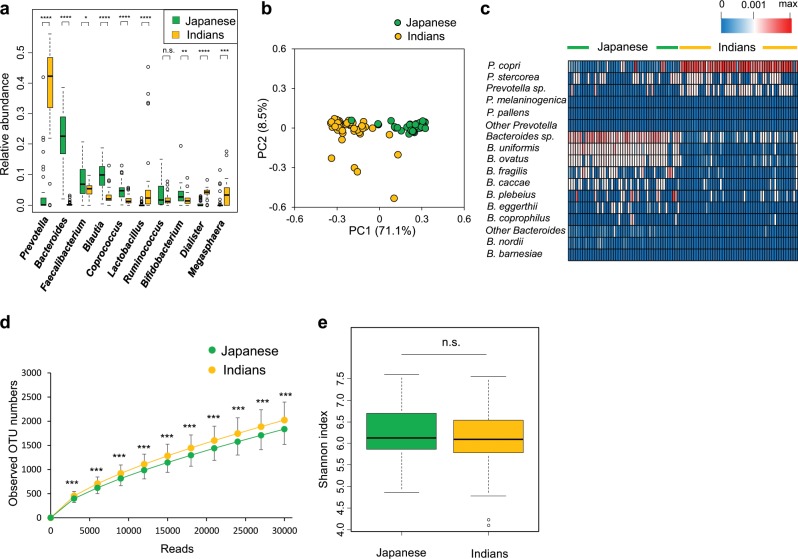
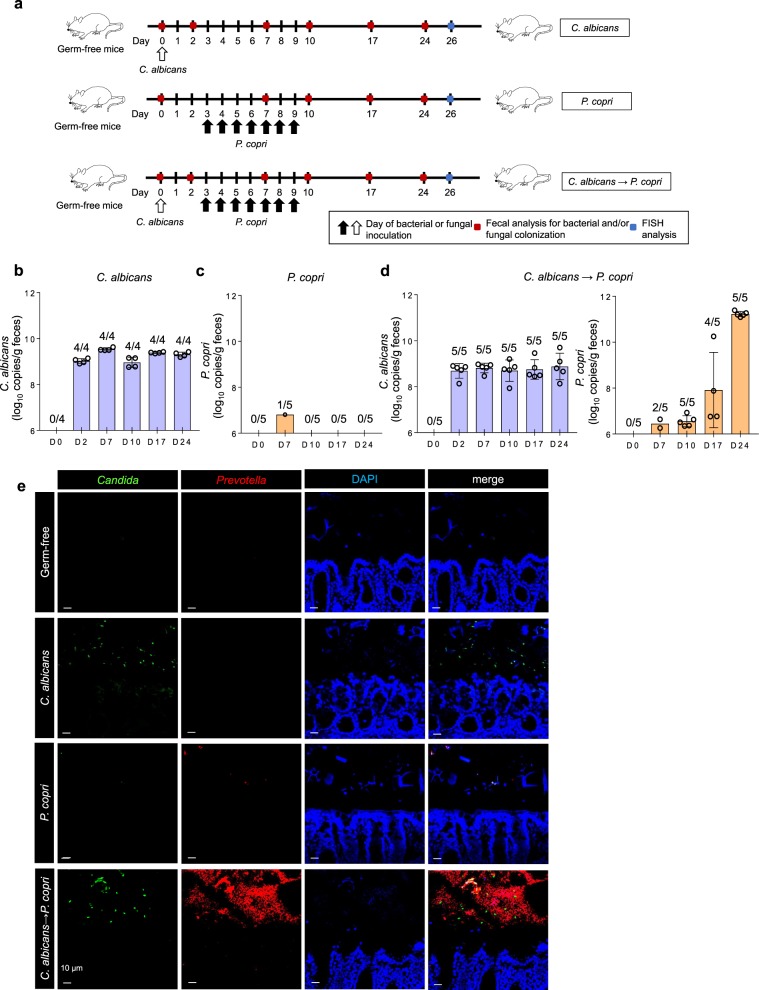
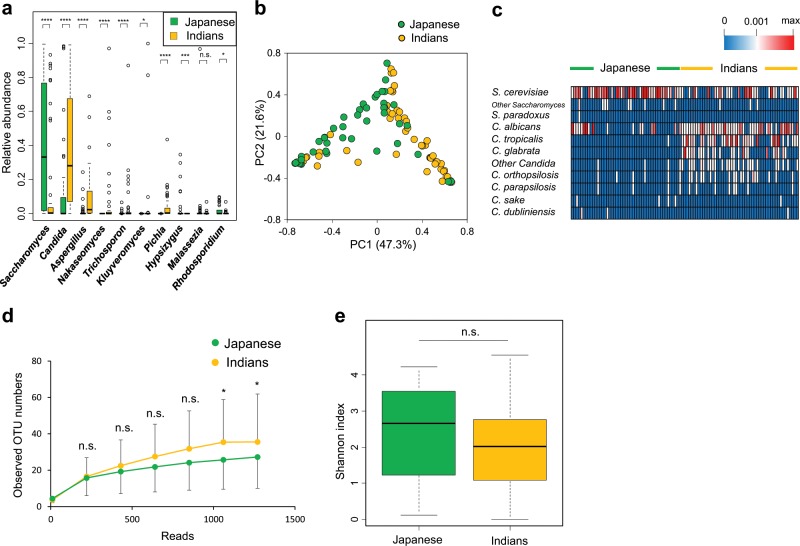
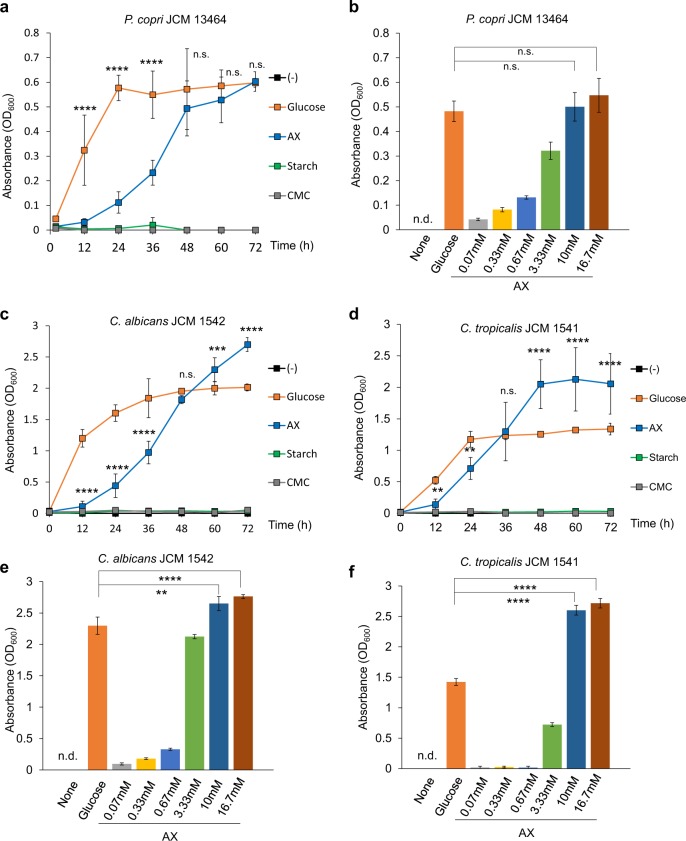
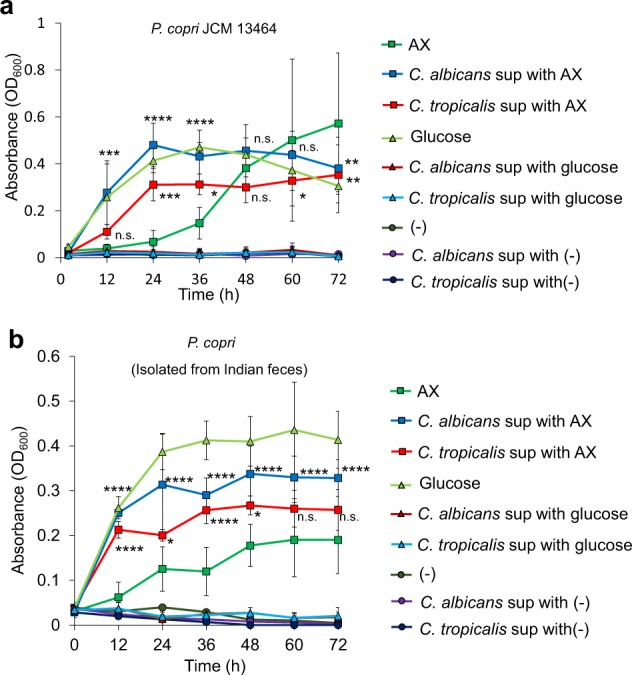
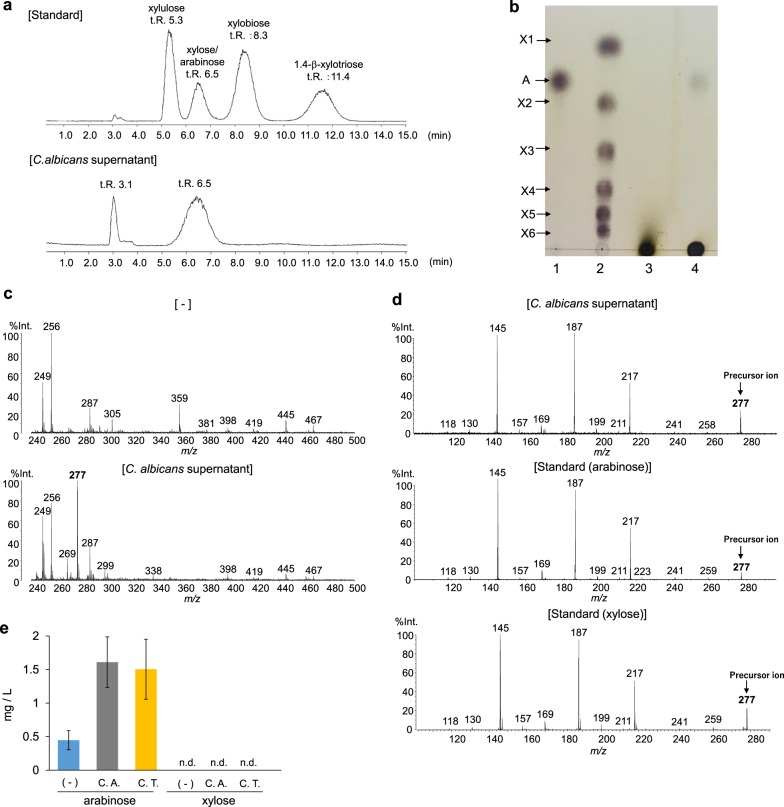
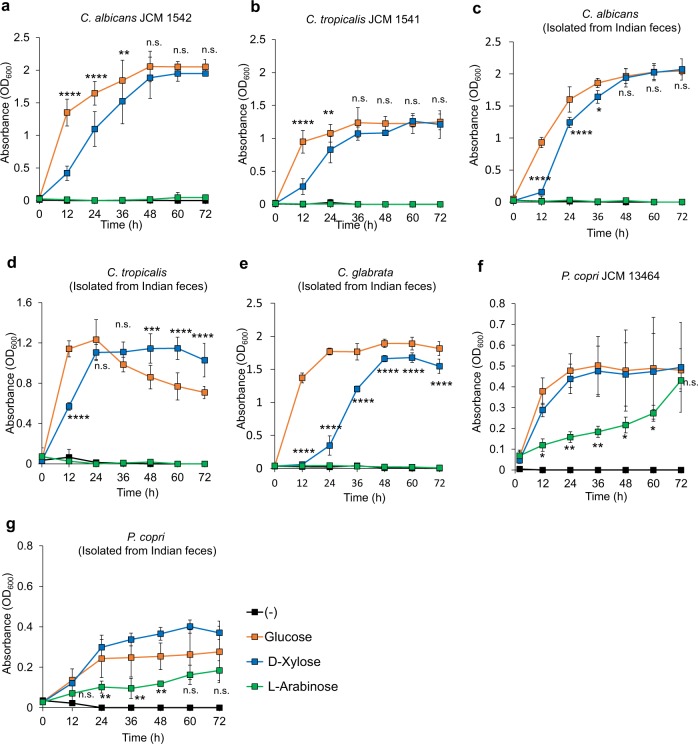
The bacterial species living in the gut mediate many aspects of biological processes such as nutrition and activation of adaptive immunity. In addition, commensal fungi residing in the intestine also influence host health. Although the interaction of bacterium and fungus has been shown, its precise mechanism during colonization of the human intestine remains largely unknown. Here, we show interaction between bacterial and fungal species for utilization of dietary components driving their efficient growth in the intestine. Next generation sequencing of fecal samples from Japanese and Indian adults revealed differential patterns of bacterial and fungal composition. In particular, Indians, who consume more plant polysaccharides than Japanese, harbored increased numbers of and . spp. showed strong growth responses to the plant polysaccharide arabinoxylan in vitro. Furthermore, the culture supernatants of spp. grown with arabinoxylan promoted rapid proliferation of . Arabinose was identified as a potential growth-inducing factor in the culture supernatants. spp. exhibited a growth response to xylose, but not to arabinose, whereas proliferated in response to both xylose and arabinose. spp., but not , colonized the intestine of germ-free mice. However, successfully colonized mouse intestine already harboring . These findings demonstrate a proof of concept that fungal members of gut microbiota can facilitate a colonization of the intestine by their bacterial counterparts, potentially mediated by a dietary metabolite.
肠道中生存的细菌物种介导许多生物学过程,如营养和适应性免疫的激活。此外,居住在肠道中的共生真菌也会影响宿主健康。尽管已经证明了细菌和真菌之间的相互作用,但它们在人类肠道定植过程中的精确机制在很大程度上仍然未知。在这里,我们展示了细菌和真菌物种之间的相互作用,以利用膳食成分来驱动它们在肠道中的有效生长。对来自日本和印度成年人的粪便样本进行下一代测序,揭示了细菌和真菌组成的不同模式。特别是,与日本人相比,食用更多植物多糖的印度人肠道中 和 的数量增加。 spp. 在体外对植物多糖阿拉伯木聚糖表现出强烈的生长反应。此外,用阿拉伯木聚糖培养的 spp. 的培养上清液促进了 的快速增殖。阿拉伯糖被鉴定为 培养上清液中潜在的生长诱导因子。 spp. 对木糖表现出生长反应,但对阿拉伯糖没有反应,而 对木糖和阿拉伯糖都有反应。 spp.,而不是 ,定植于无菌小鼠的肠道。然而, 成功定植于已经定植的无菌小鼠肠道。这些发现证明了一个概念验证,即肠道微生物群的真菌成员可以通过一种饮食代谢物促进其细菌对应物的定植。