Cellular and Molecular Biology Graduate Program, University of Wisconsin-Madison, Madison, Wisconsin, United States of America.
Department of Neuroscience, University of Wisconsin-Madison, Madison, Wisconsin, United States of America.
PLoS One. 2019 Dec 31;14(12):e0226733. doi: 10.1371/journal.pone.0226733. eCollection 2019.
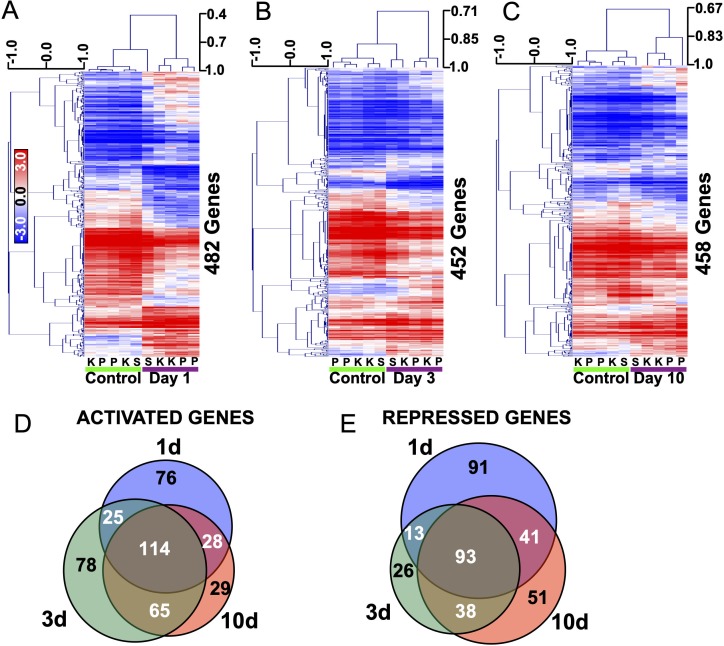
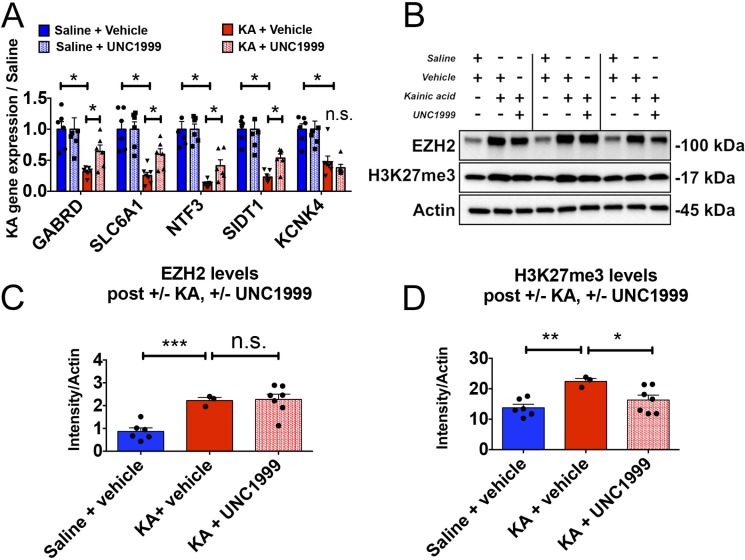
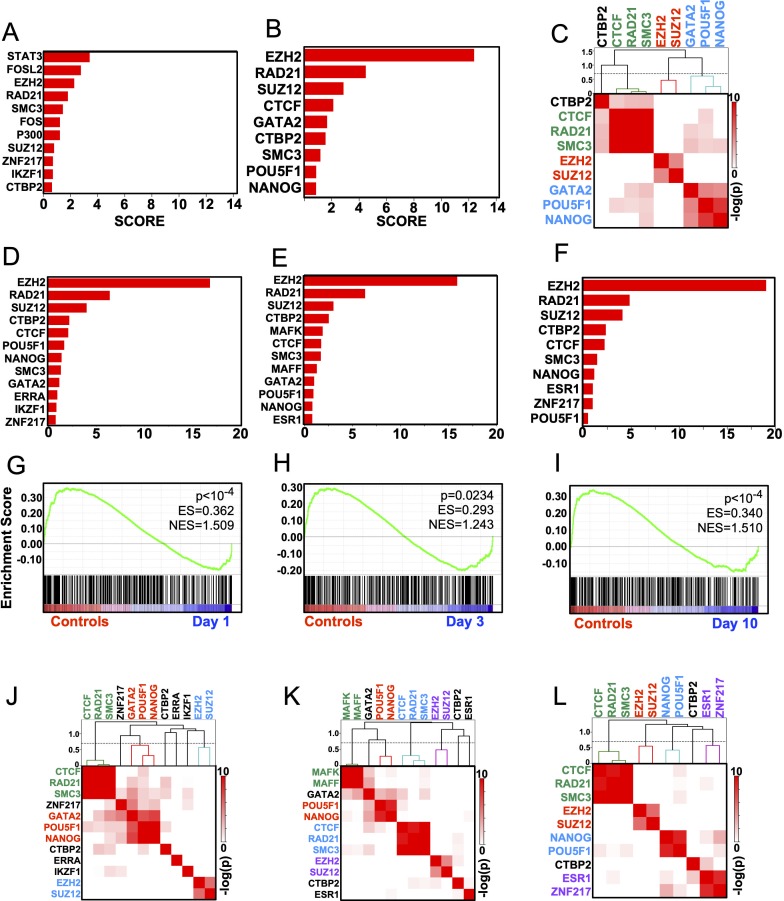
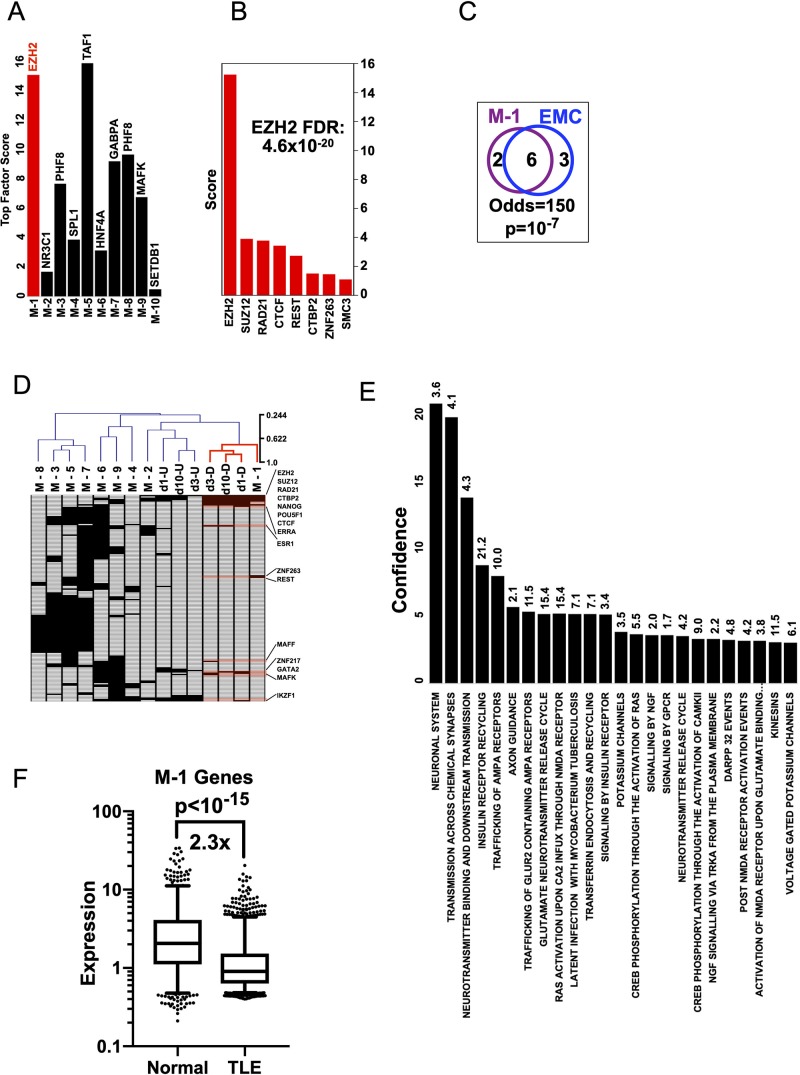
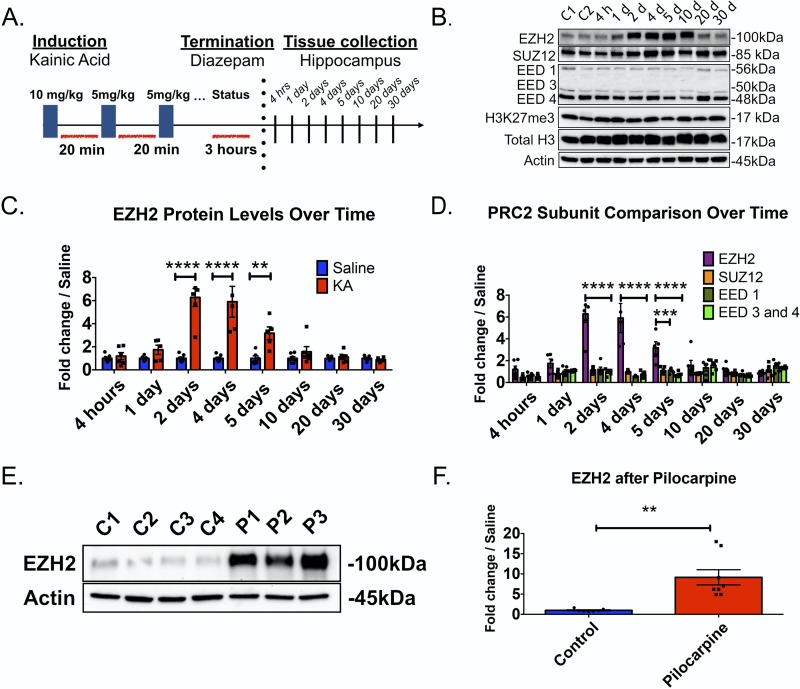
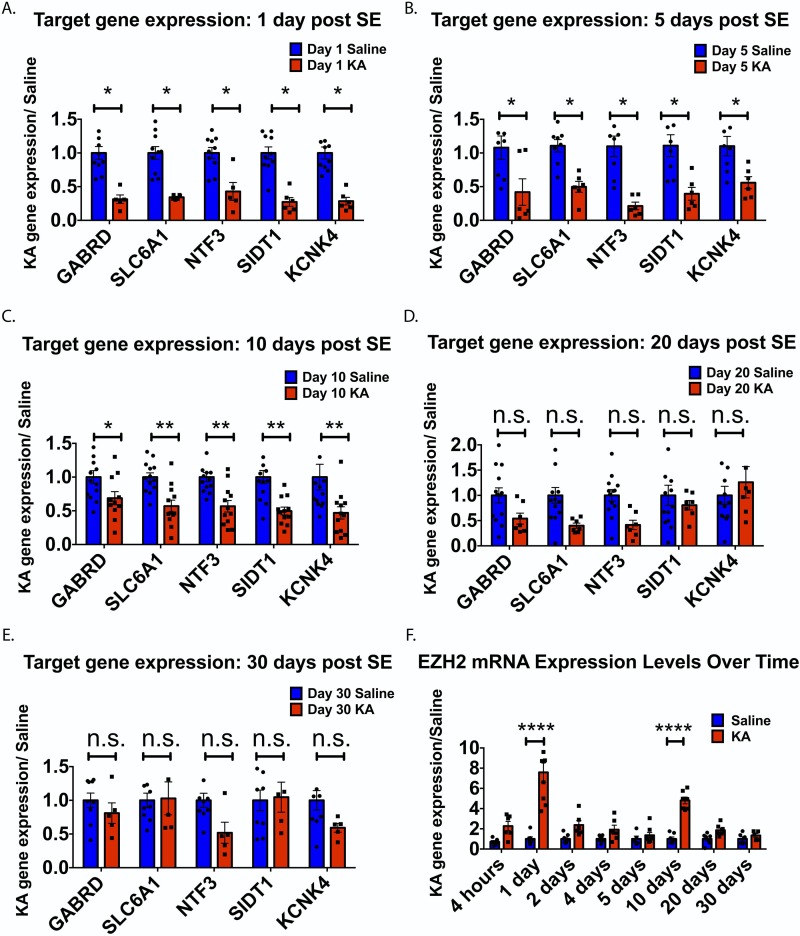
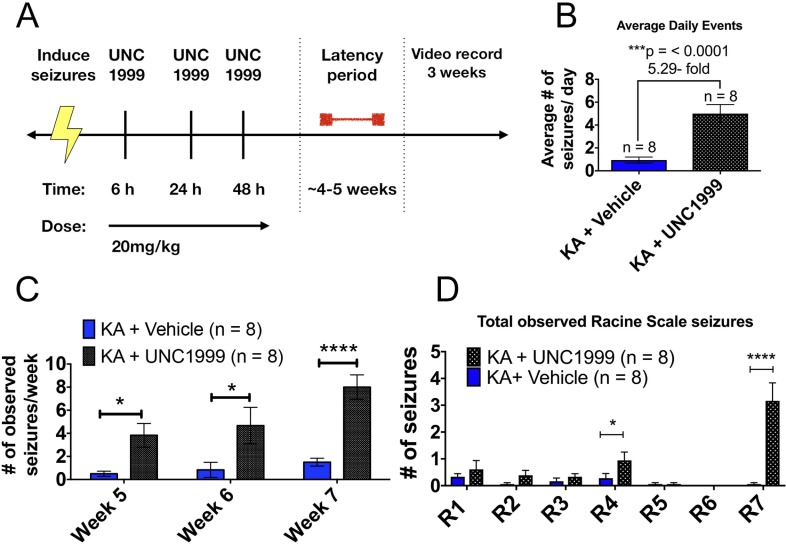
Complex neurological conditions can give rise to large scale transcriptomic changes that drive disease progression. It is likely that alterations in one or a few transcription factors or cofactors underlie these transcriptomic alterations. Identifying the driving transcription factors/cofactors is a non-trivial problem and a limiting step in the understanding of neurological disorders. Epilepsy has a prevalence of 1% and is the fourth most common neurological disorder. While a number of anti-seizure drugs exist to treat seizures symptomatically, none is curative or preventive. This reflects a lack of understanding of disease progression. We used a novel systems approach to mine transcriptome profiles of rodent and human epileptic brain samples to identify regulators of transcriptional networks in the epileptic brain. We find that Enhancer of Zeste Homolog 2 (EZH2) regulates differentially expressed genes in epilepsy across multiple rodent models of acquired epilepsy. EZH2 undergoes a prolonged upregulation in the epileptic brain. A transient inhibition of EZH2 immediately after status epilepticus (SE) robustly increases spontaneous seizure burden weeks later. This suggests that EZH2 upregulation is a protective. These findings are the first to characterize a role for EZH2 in opposing epileptogenesis and debut a bioinformatic approach to identify nuclear drivers of complex transcriptional changes in disease.
复杂的神经状况可能会引起大规模的转录组变化,从而推动疾病的进展。这些转录组变化很可能是由一个或几个转录因子或辅助因子的改变引起的。确定驱动转录因子/辅助因子是一个复杂的问题,也是理解神经障碍的一个限制步骤。癫痫的患病率为 1%,是第四大常见神经疾病。尽管有许多抗癫痫药物可以治疗癫痫发作的症状,但没有一种是治愈或预防的。这反映了对疾病进展的理解不足。我们使用一种新的系统方法挖掘了啮齿动物和人类癫痫脑样本的转录组谱,以确定癫痫脑中转录网络的调节因子。我们发现,EZH2( Enhancer of Zeste Homolog 2 )在多种获得性癫痫啮齿动物模型中调节癫痫的差异表达基因。EZH2 在癫痫脑中的表达持续上调。癫痫发作后短暂抑制 EZH2 可显著增加数周后的自发性癫痫发作负担。这表明 EZH2 的上调是一种保护机制。这些发现首次描述了 EZH2 在对抗癫痫发生中的作用,并开创了一种生物信息学方法来识别疾病中复杂转录变化的核驱动因素。