Department of Agricultural and Food Sciences, Alma Mater Studiorum-University of Bologna, viale Fanin 46, 40127, Bologna, Italy.
The New Zealand Institute for Plant & Food Research Ltd, Ruakura Research Centre, Bisley Road, Ruakura, Private Bag 3123, Hamilton, 3240, New Zealand.
Microb Ecol. 2020 Jul;80(1):81-102. doi: 10.1007/s00248-019-01459-8. Epub 2020 Jan 3.
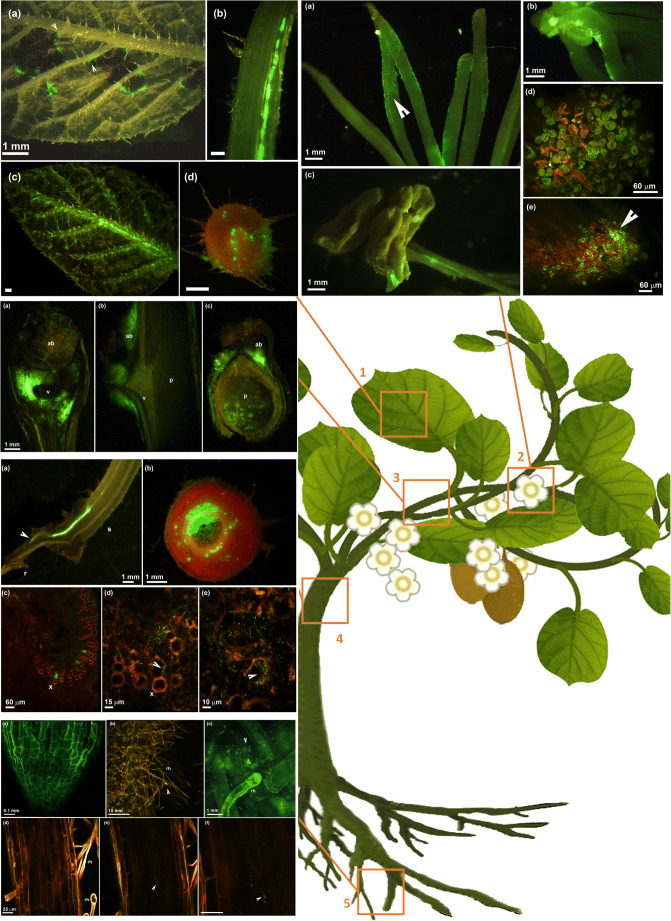
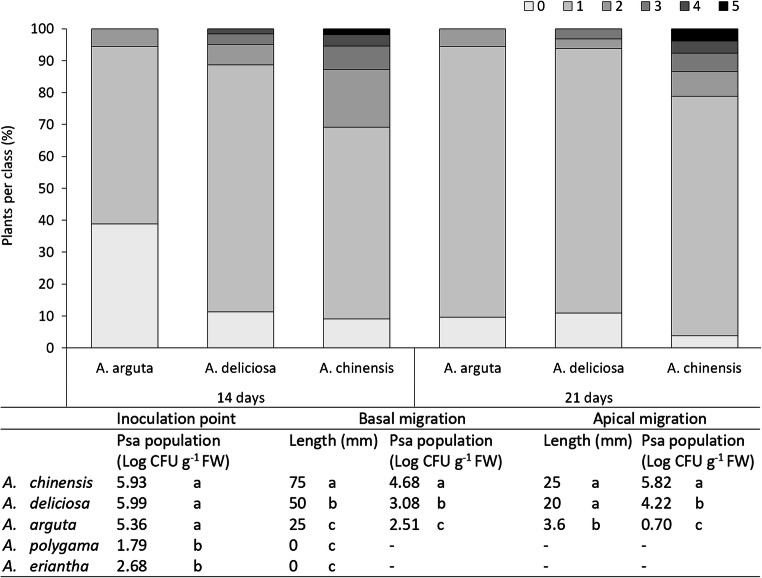
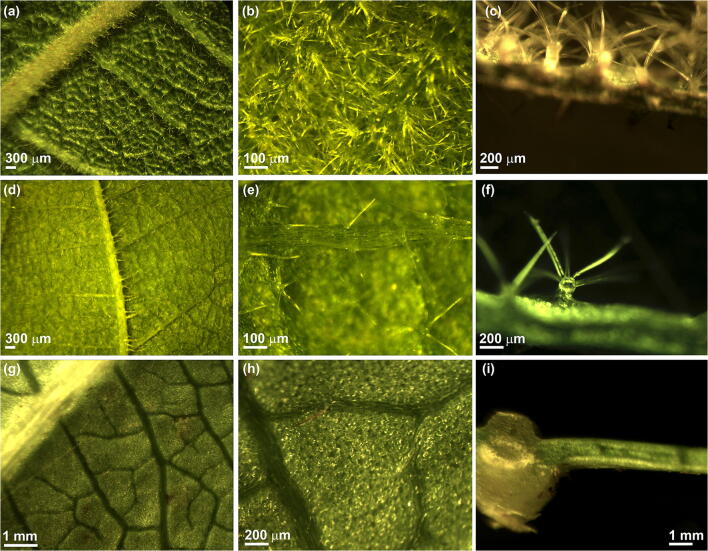
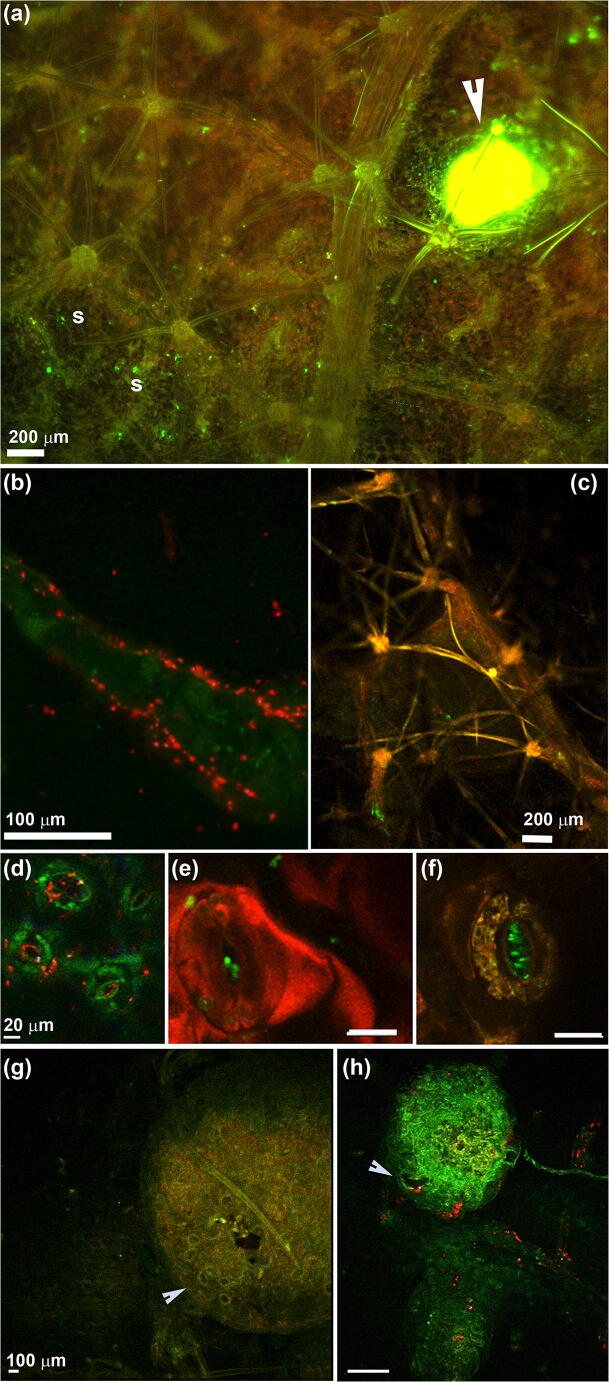
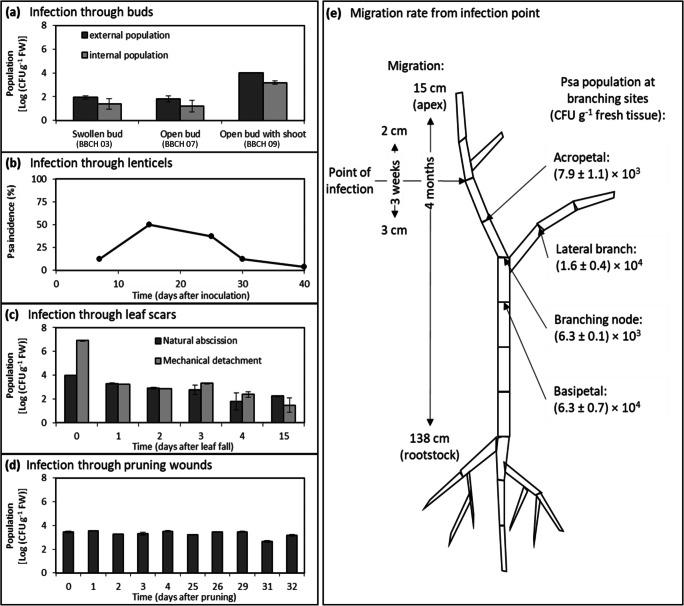
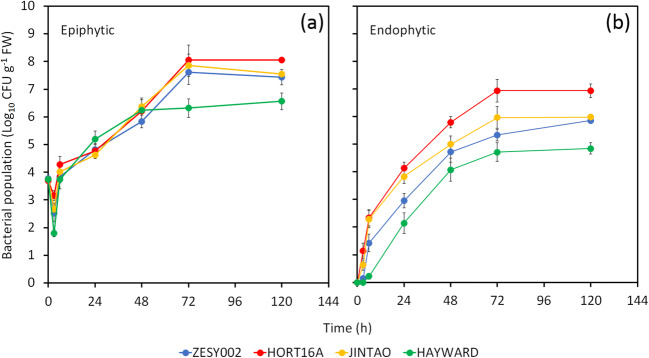
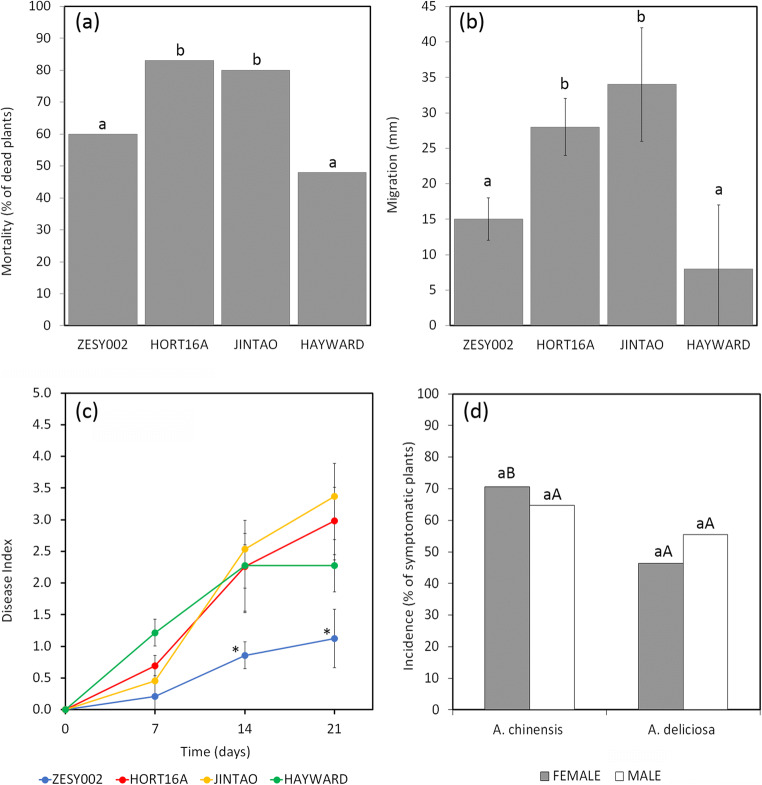
Since 2008, the kiwifruit industry has been devastated by a pandemic outbreak of Pseudomonas syringae pv. actinidiae (Psa), the causal agent of bacterial canker. This disease has become the most significant limiting factor in kiwifruit production. Psa colonizes different organs of the host plant, causing a specific symptomatology on each of them. In addition, the systemic invasion of the plant may quickly lead to plant death. Despite the massive risk that this disease poses to the kiwifruit industry, studies focusing on Psa ecology have been sporadic, and a comprehensive description of the disease epidemiology is still missing. Optimal environmental conditions for infection, dispersal and survival in the environment, or the mechanisms of penetration and colonization of host tissues have not been fully elucidated yet. The present work aims to provide a synthesis of the current knowledge, and a deeper understanding of the epidemiology of kiwifruit bacterial canker based on new experimental data. The pathogen may survive in the environment or overwinter in dormant tissues and be dispersed by wind or rain. Psa was observed in association with several plant structures (stomata, trichomes, lenticels) and wounds, which could represent entry points for apoplast infection. Environmental conditions also affect the bacterial colonization, with lower optimum values of temperature and humidity for epiphytic than for endophytic growth, and disease incidence requiring a combination of mild temperature and leaf wetness. By providing information on Psa ecology, these data sets may contribute to plan efficient control strategies for kiwifruit bacterial canker.
自 2008 年以来,猕猴桃产业一直受到细菌性溃疡病(Psa)的严重打击,该病由假单胞菌猕猴桃亚种(Pseudomonas syringae pv. actinidiae)引起,是猕猴桃溃疡病的致病因子。这种疾病已成为猕猴桃生产的最大限制因素。Psa 可以在宿主植物的不同器官中定殖,在每个器官上引起特定的症状。此外,植物的系统性侵染可能会迅速导致植物死亡。尽管这种疾病对猕猴桃产业构成了巨大风险,但针对 Psa 生态学的研究一直很零散,而且仍然缺乏对该病流行病学的全面描述。感染、在环境中传播和生存的最佳环境条件,或者穿透和定植宿主组织的机制,尚未得到充分阐明。本工作旨在提供对当前知识的综合理解,并基于新的实验数据深入了解猕猴桃细菌性溃疡病的流行病学。病原体可能在环境中存活或在休眠组织中越冬,并通过风和雨传播。在几个植物结构(气孔、毛状体、皮孔)和伤口中观察到 Psa,这些结构可能代表了质外体感染的进入点。环境条件也会影响细菌的定殖,与内生生长相比,附生生长的最适温度和湿度较低,而疾病的发生需要温和的温度和叶片湿润的结合。通过提供关于 Psa 生态学的信息,这些数据集可能有助于计划猕猴桃细菌性溃疡病的有效控制策略。