Li Deli, Song Lin, Chen Yonghua, Huang Wei
MIIT Key Laboratory of Flexible Electronics (KLoFE) Shaanxi Key Laboratory of Flexible Electronics (KLoFE) Xi'an Key Laboratory of Flexible Electronics (KLoFE) Xi'an Key Laboratory of Biomedical Materials & Engineering Xi'an Institute of Flexible Electronics Institute of Flexible Electronics (IFE) Northwestern Polytechnical University (NPU) Xi'an 710072 Shaanxi P. R. China.
Key Laboratory of Flexible Electronics (KLoFE) & Institution of Advanced Materials (IAM) Jiangsu National Synergetic Innovation Center for Advanced Materials (SICAM) Nanjing Tech University (NanjingTech) Nanjing 211816 Jiangsu P. R. China.
Adv Sci (Weinh). 2019 Nov 7;7(1):1901397. doi: 10.1002/advs.201901397. eCollection 2020 Jan.
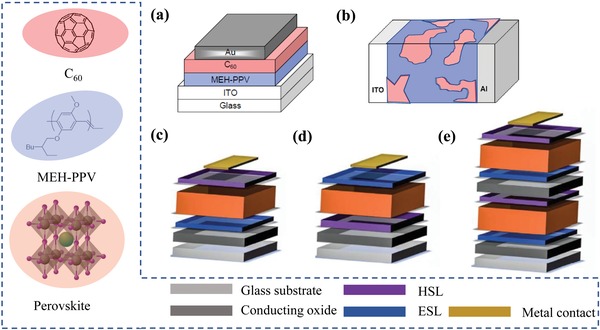
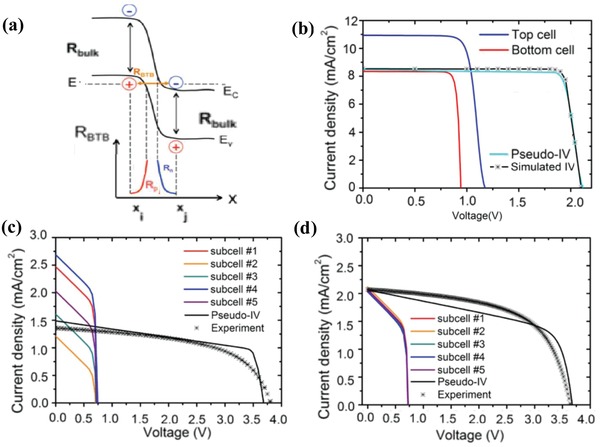
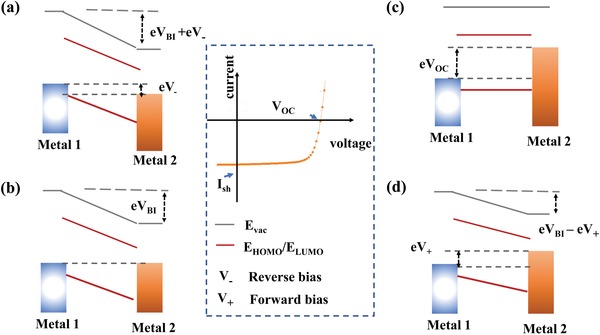
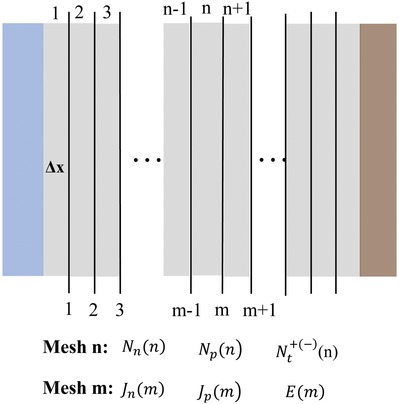
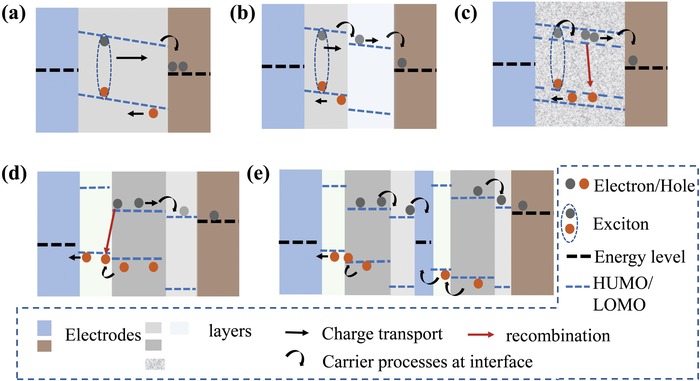
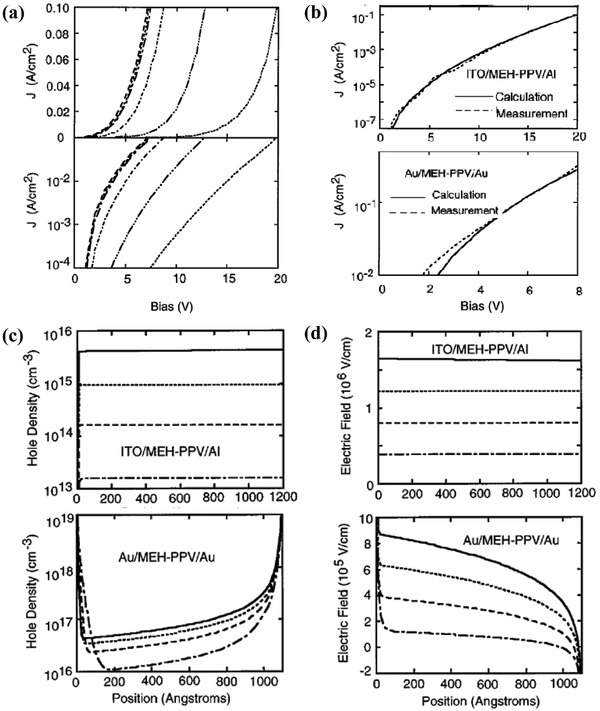
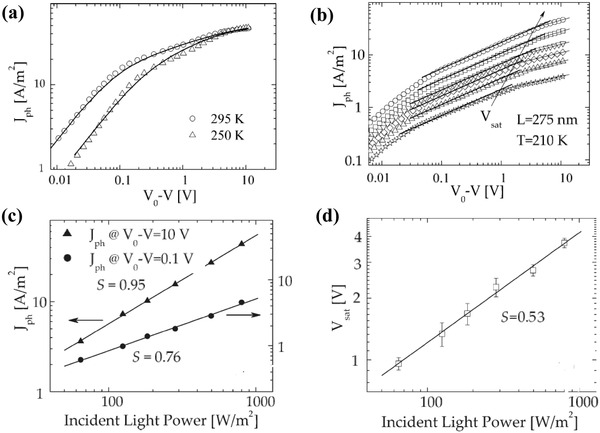
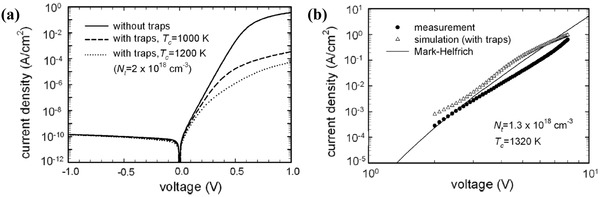
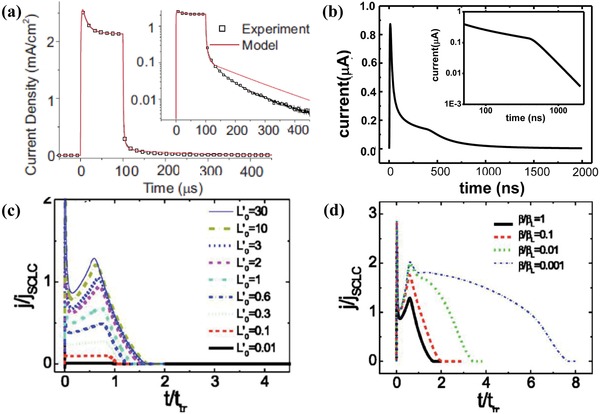
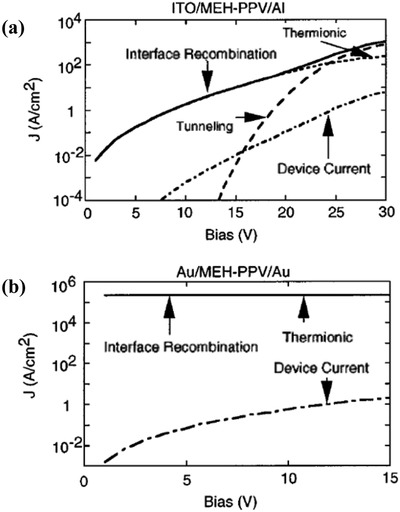
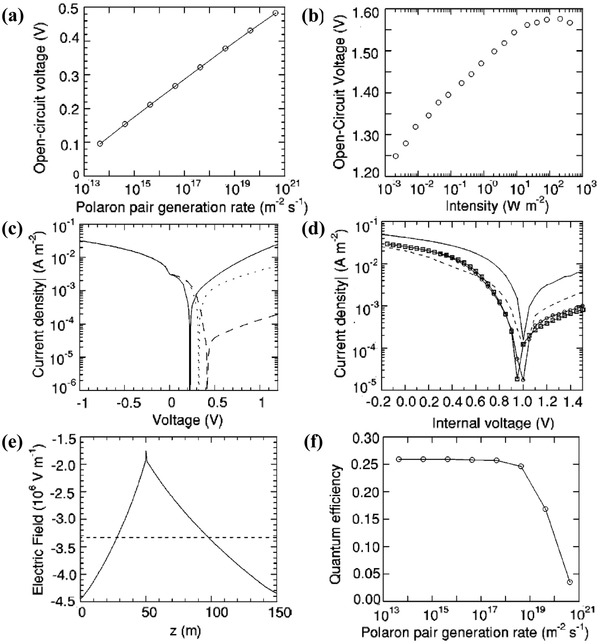
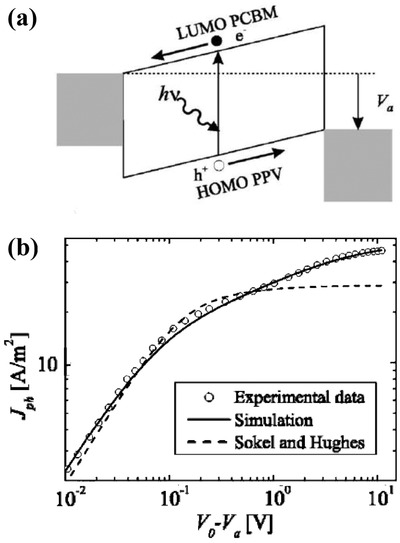
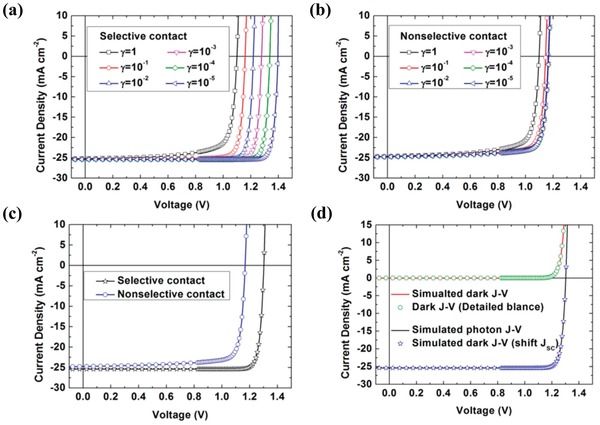
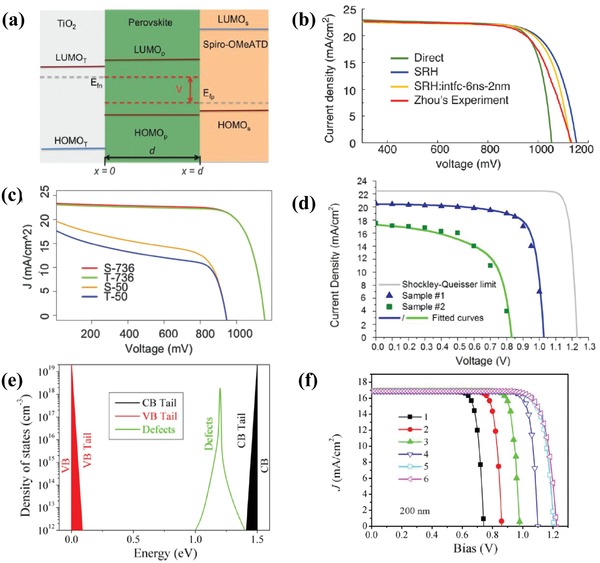
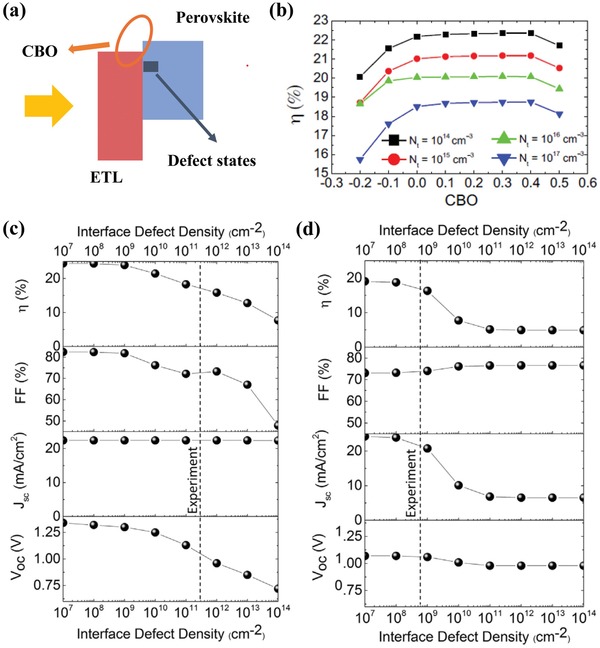
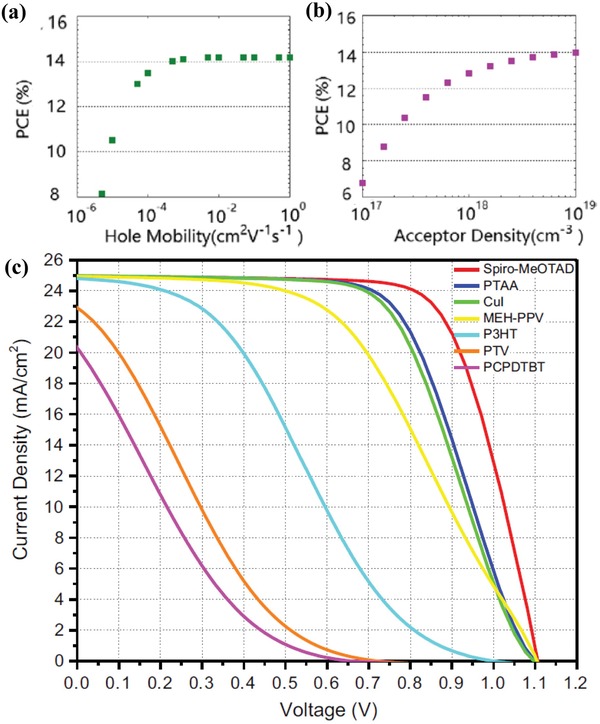
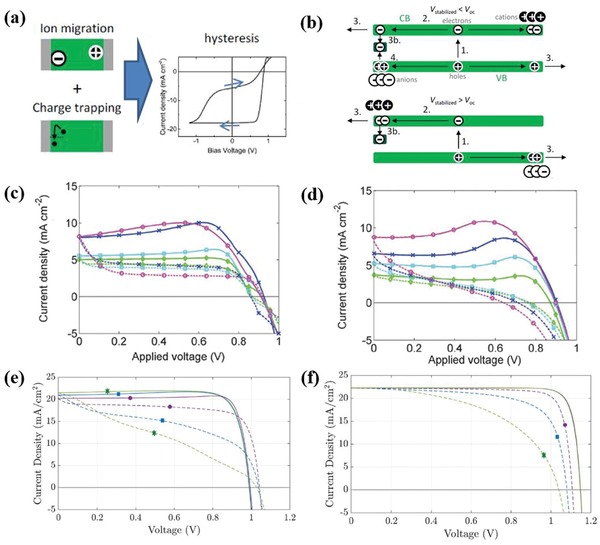
Device model simulation is one of the primary tools for modeling thin film solar cells from organic materials to organic-inorganic perovskite materials. By directly connecting the current density-voltage (-) curves to the underlying device physics, it is helpful in revealing the working mechanism of the heatedly discussed organic-inorganic hybrid perovskite solar cells. Some distinctive optoelectronic features need more phenomenological models and accurate simulations. Herein, the application of the device model method in the simulation of organic and organic-inorganic perovskite solar cells is reviewed. To this end, the ways of the device model are elucidated by discussing the metal-insulator-metal picture and the equations describing the physics. Next, the simulations on - curves of organic solar cells are given in the presence of the space charge, interface, charge injection, traps, or exciton. In the perovskite section, the effects of trap states, direct band recombination, surface recombination, and ion migration on the device performance are systematically discussed from the perspective of the device model simulation. Suggestions for designing perovskite devices with better performance are also given.
器件模型模拟是对从有机材料到有机-无机钙钛矿材料的薄膜太阳能电池进行建模的主要工具之一。通过将电流密度-电压(-)曲线直接与基础器件物理联系起来,有助于揭示备受热议的有机-无机混合钙钛矿太阳能电池的工作机制。一些独特的光电特性需要更多唯象模型和精确模拟。在此,综述了器件模型方法在有机和有机-无机钙钛矿太阳能电池模拟中的应用。为此,通过讨论金属-绝缘体-金属模型以及描述物理过程的方程来阐明器件模型的方法。接下来,给出了在存在空间电荷、界面、电荷注入、陷阱或激子时有机太阳能电池的-曲线模拟。在钙钛矿部分,从器件模型模拟的角度系统地讨论了陷阱态、直接带复合、表面复合和离子迁移对器件性能的影响。还给出了设计具有更好性能的钙钛矿器件的建议。