Lv Yan, Huang Ying, Xu Mingming, Heng Boon Chin, Yang Congchong, Cao Cen, Hu Zhewen, Liu Wenwen, Chi Xiaopei, Gao Min, Zhang Xuehui, Wei Yan, Deng Xuliang
Department of Geriatric Dentistry NMPA Key Laboratory for Dental Materials National Engineering Laboratory for Digital and Material Technology of Stomatology Beijing Laboratory of Biomedical Materials Peking University School and Hospital of Stomatology Beijing 100081 P. R. China.
Department of Cariology and Endodontology Peking University School and Hospital of Stomatology Beijing 100081 P. R. China.
Adv Sci (Weinh). 2019 Nov 13;7(1):1901412. doi: 10.1002/advs.201901412. eCollection 2020 Jan.
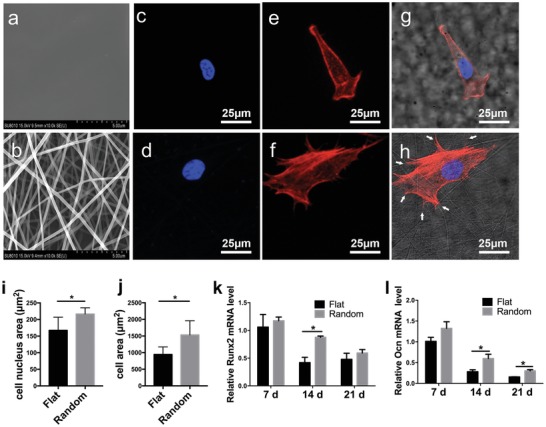
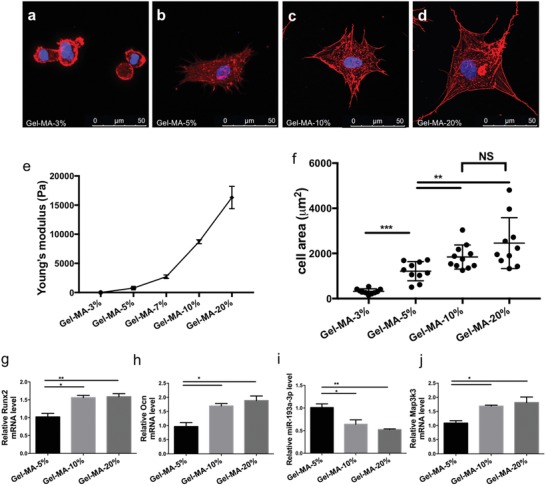
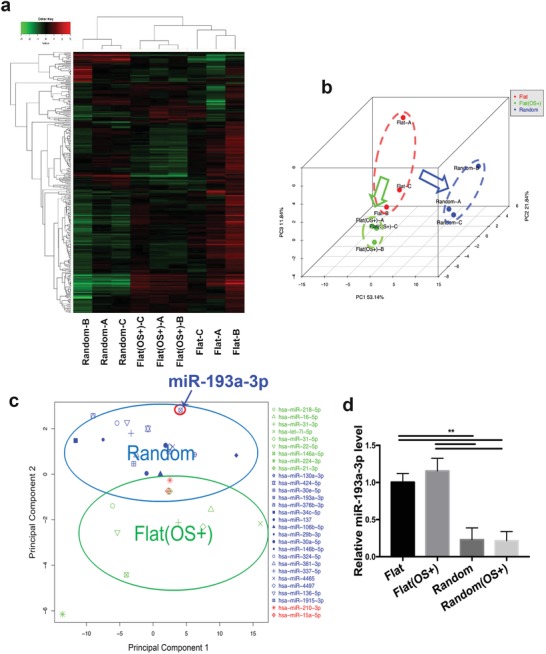
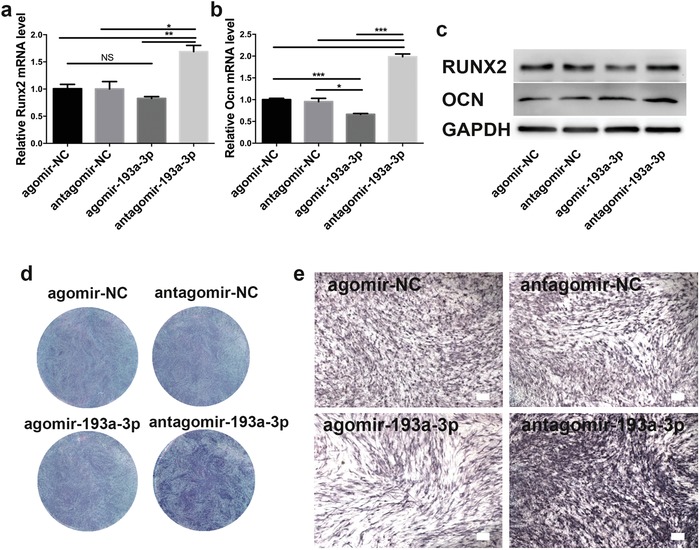
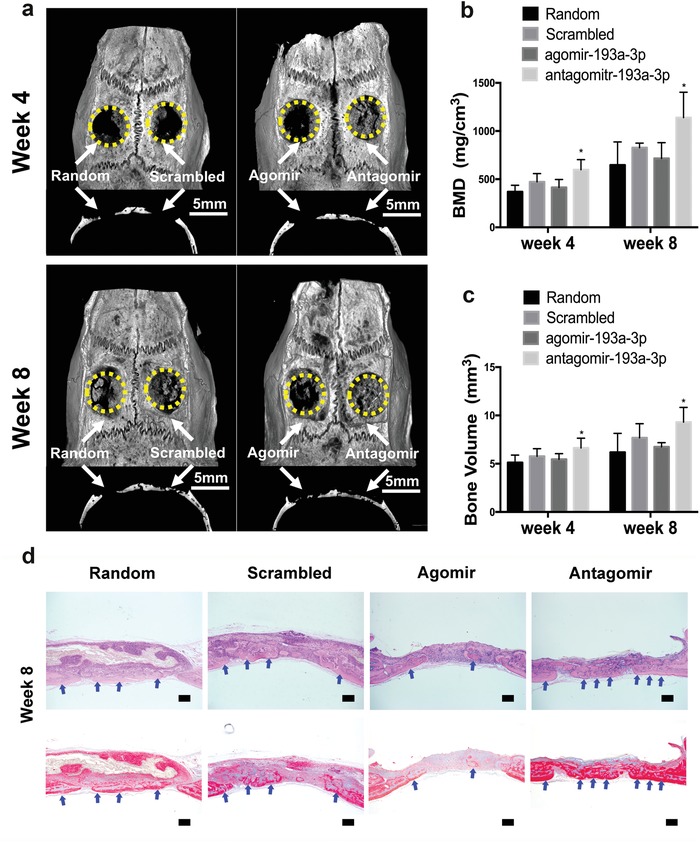
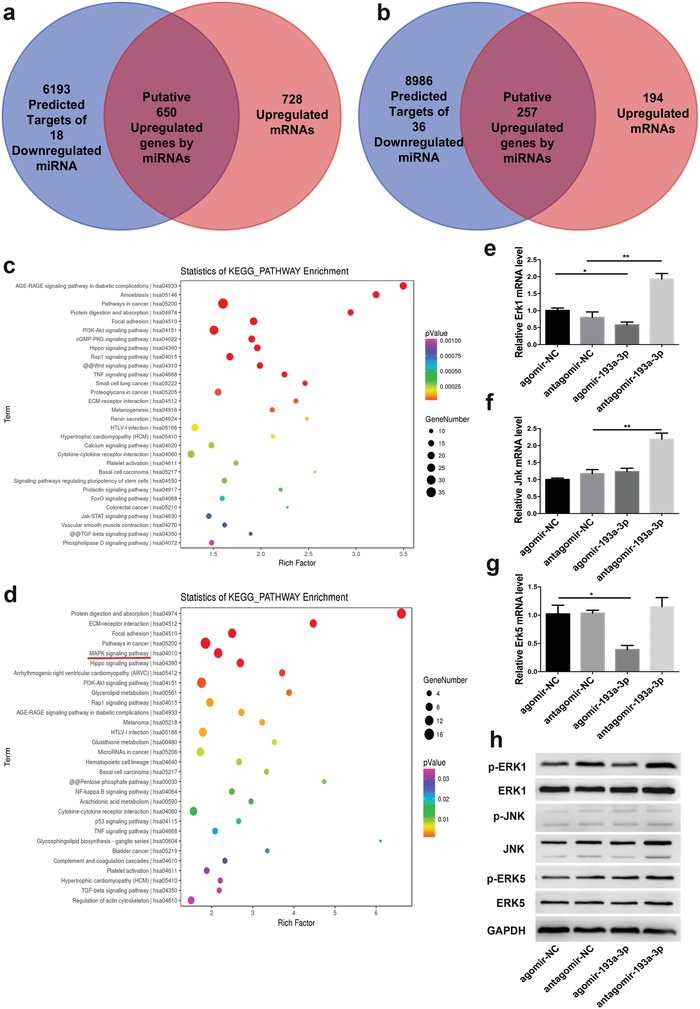
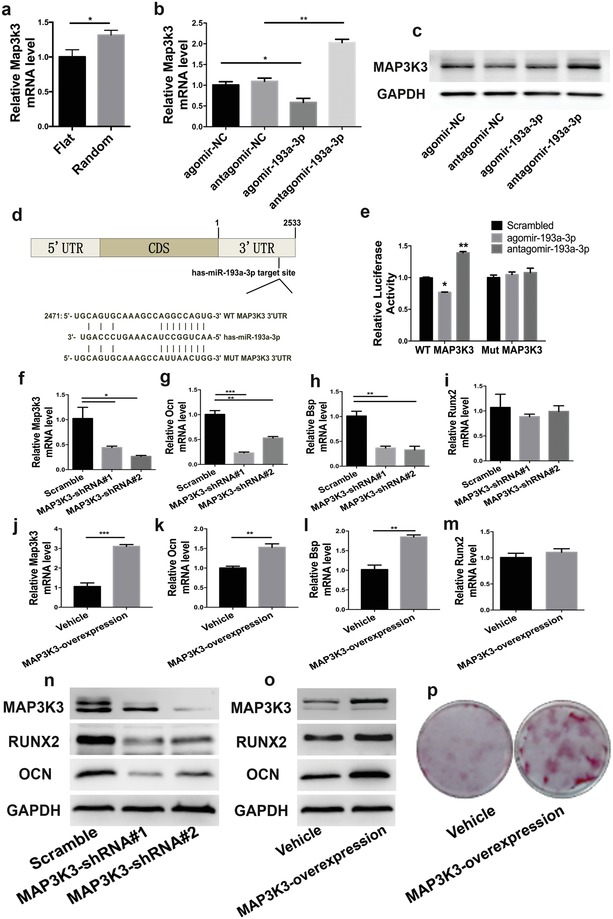
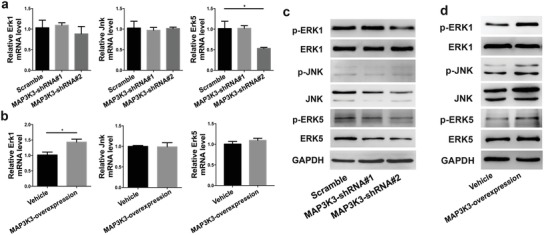
Substrate topographical features induce osteogenic differentiation of bone marrow stem cells (BMSCs), but the underlying mechanisms are unclear. As microRNAs (miRNAs) play key roles in osteogenesis and bone regeneration, it would be meaningful to elucidate the roles of miRNAs in the intracellular signaling cascade of topographical cue-induced osteogenic differentiation. In this study, the miRNA expression profile of the topographical feature-induced osteogenic differentiation group is different from that of the chemical-factors-induced osteogenic differentiation group. miR-193a-3p is sensitive to substrate topographical features and its downregulation enhances osteogenic differentiation only in the absence of osteogenesis-inducing medium. Also, substrate topographical features specifically activate a nonclassical osteogenetic pathway-the mitogen-activated protein kinase (MAPK) pathway. Loss- and gain-of-function experiments demonstrate that miR-193a-3p regulates the MAPK pathway by targeting the gene. In conclusion, this data indicates that different osteogenic-lineage-related intracellular signaling cascades are triggered in BMSCs subjected to biophysical or chemical stimulation. Moreover, the miR-193a-3p-MAP3k3 signaling axis plays a pivotal role in the transduction of biophysical cues from the substrate to regulate the osteogenic lineage specification of BMSCs, and hence may be a promising molecular target for bone regenerative therapies.
基质拓扑学特征可诱导骨髓干细胞(BMSCs)发生成骨分化,但其潜在机制尚不清楚。由于微小RNA(miRNAs)在骨生成和骨再生中发挥关键作用,因此阐明miRNAs在拓扑学线索诱导的成骨分化细胞内信号级联反应中的作用具有重要意义。在本研究中,拓扑学特征诱导的成骨分化组的miRNA表达谱与化学因子诱导的成骨分化组不同。miR-193a-3p对基质拓扑学特征敏感,其下调仅在无成骨诱导培养基的情况下增强成骨分化。此外,基质拓扑学特征特异性激活一条非经典的成骨途径——丝裂原活化蛋白激酶(MAPK)途径。功能缺失和功能获得实验表明,miR-193a-3p通过靶向 基因来调节MAPK途径。总之,这些数据表明,在受到生物物理或化学刺激的BMSCs中触发了不同的成骨谱系相关细胞内信号级联反应。此外,miR-193a-3p-MAP3k3信号轴在从基质传导生物物理线索以调节BMSCs的成骨谱系特化过程中起关键作用,因此可能是骨再生治疗的一个有前景的分子靶点。