Department of Stem Cell and Regenerative Biology, Harvard University, Cambridge, United States.
Department of Molecular and Cellular Biology, Harvard University, Cambridge, United States.
Elife. 2020 Jan 14;9:e50765. doi: 10.7554/eLife.50765.
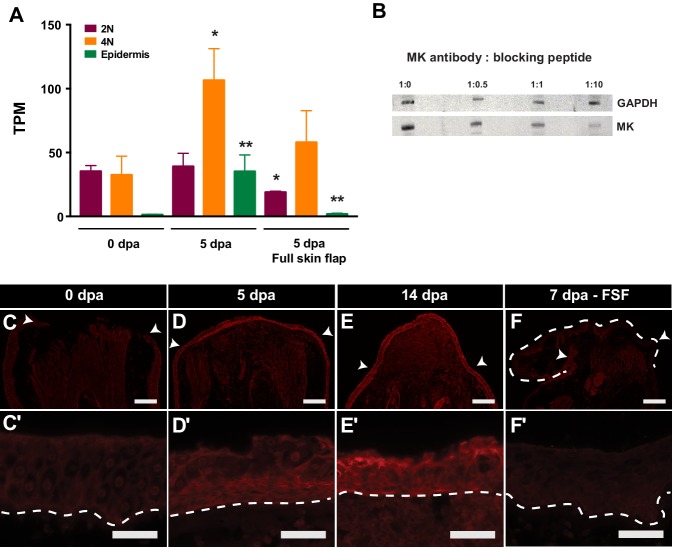
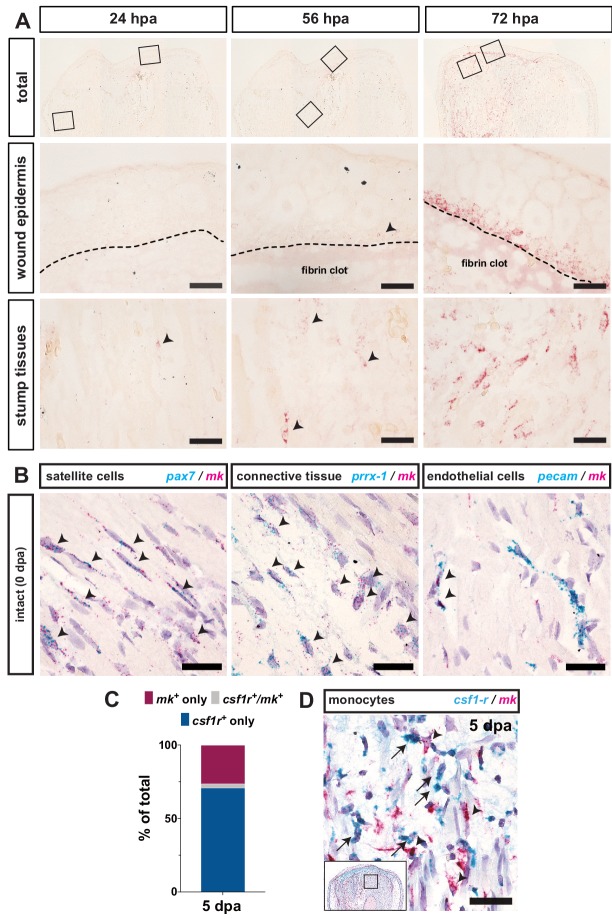
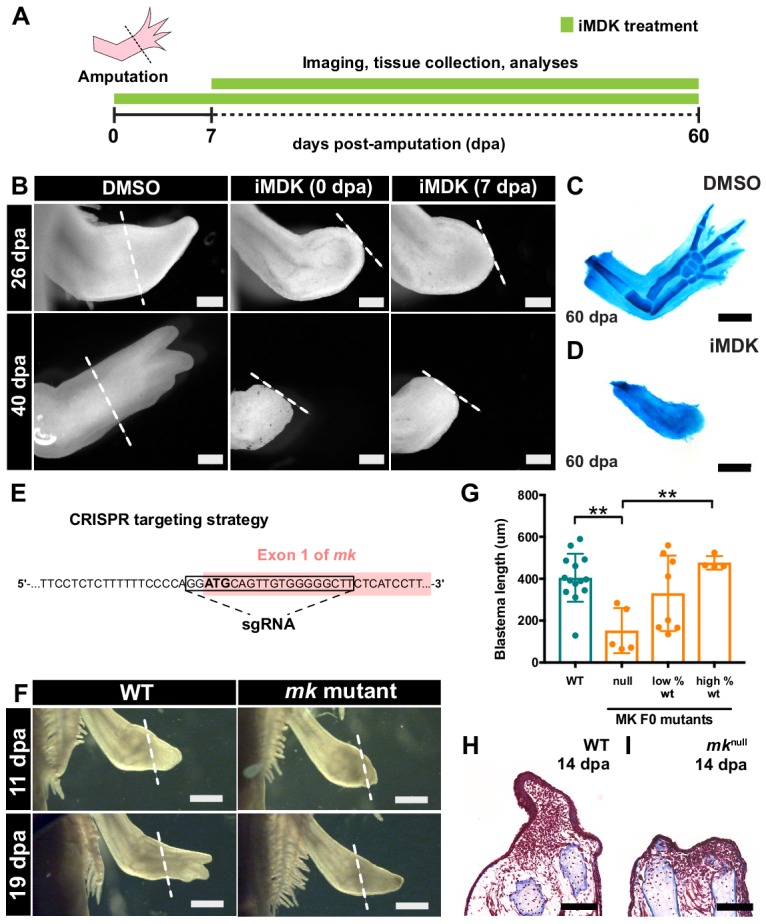
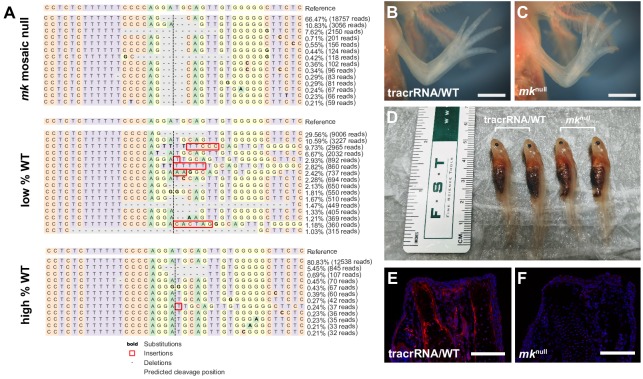
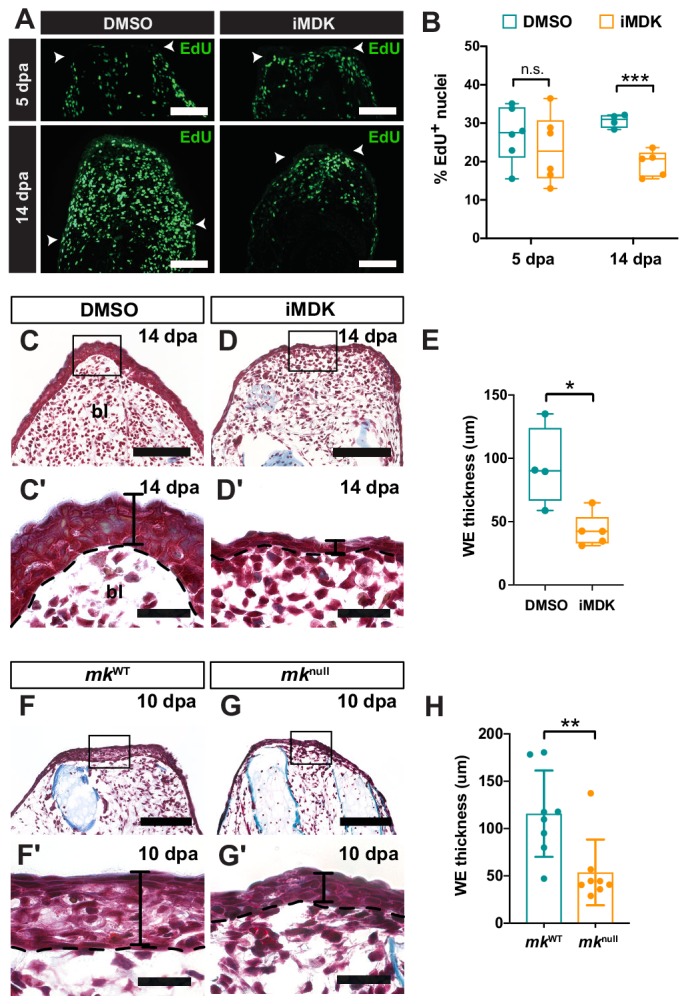
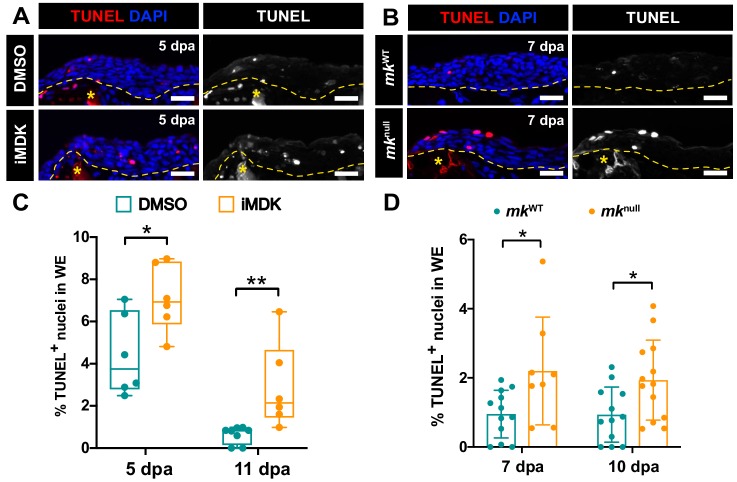
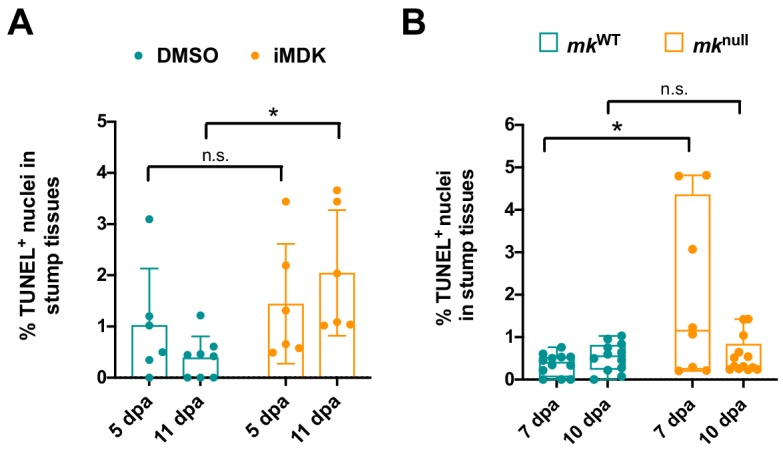
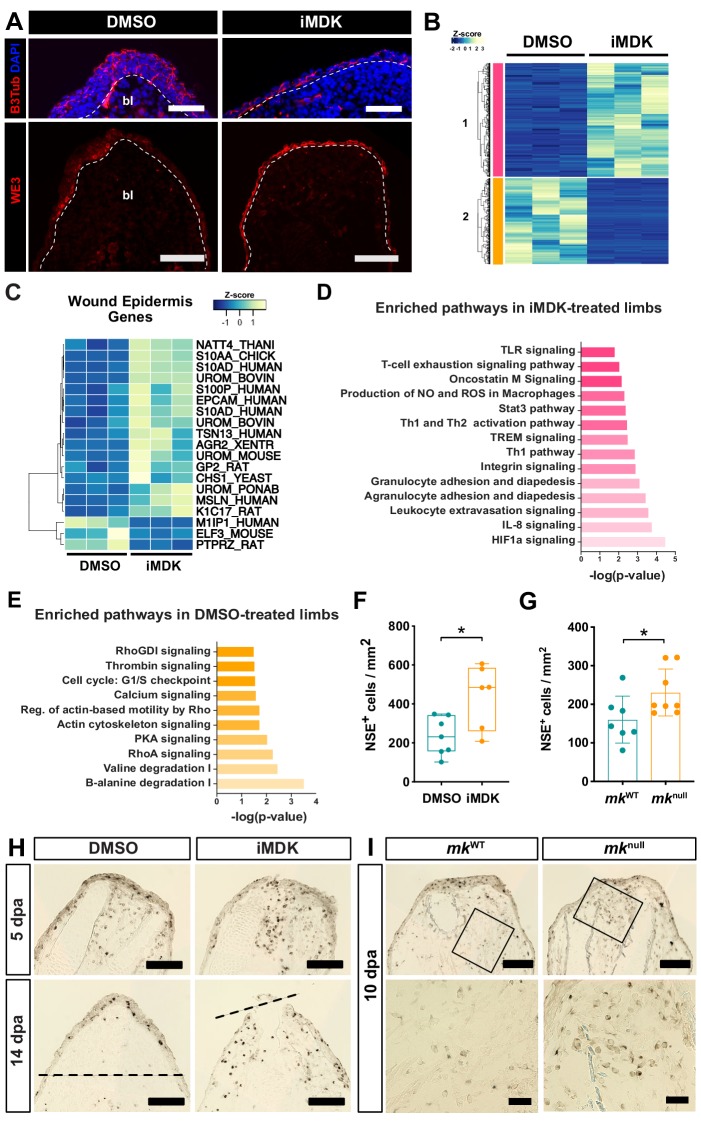
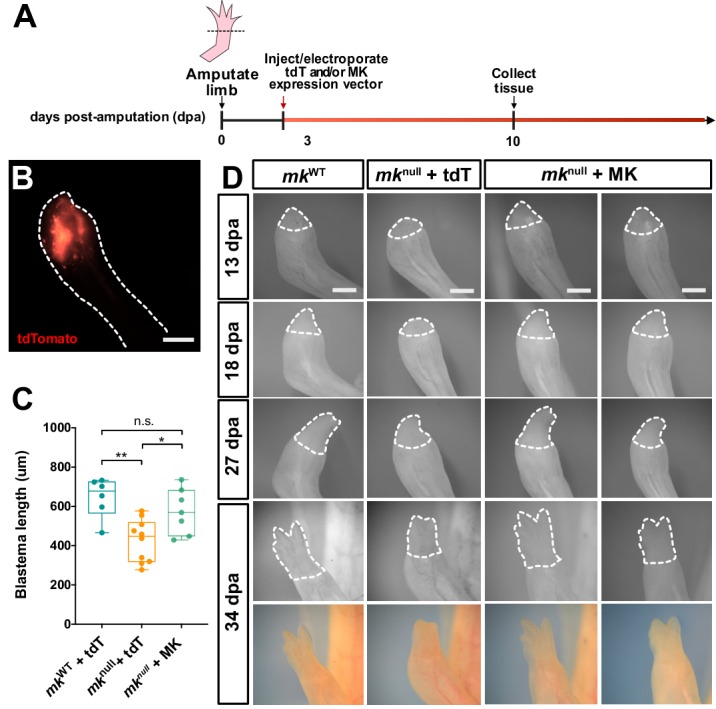
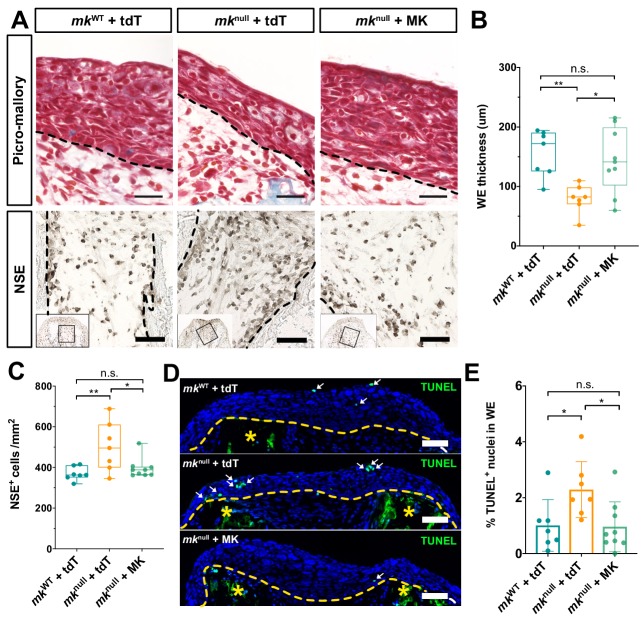
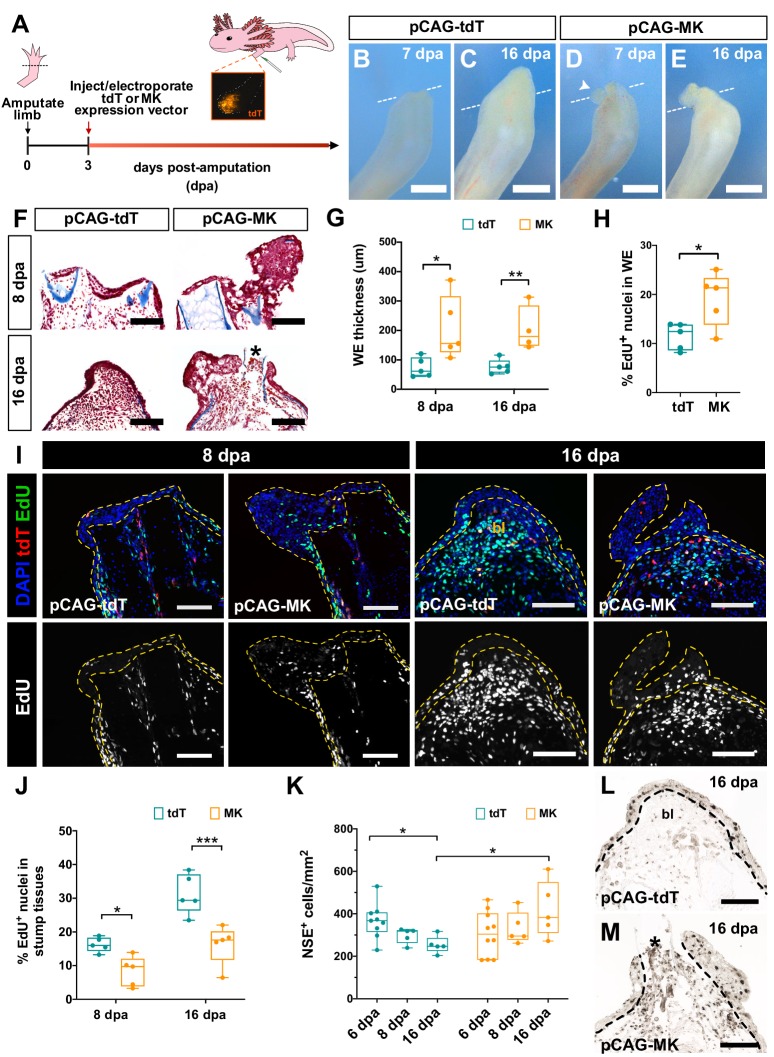
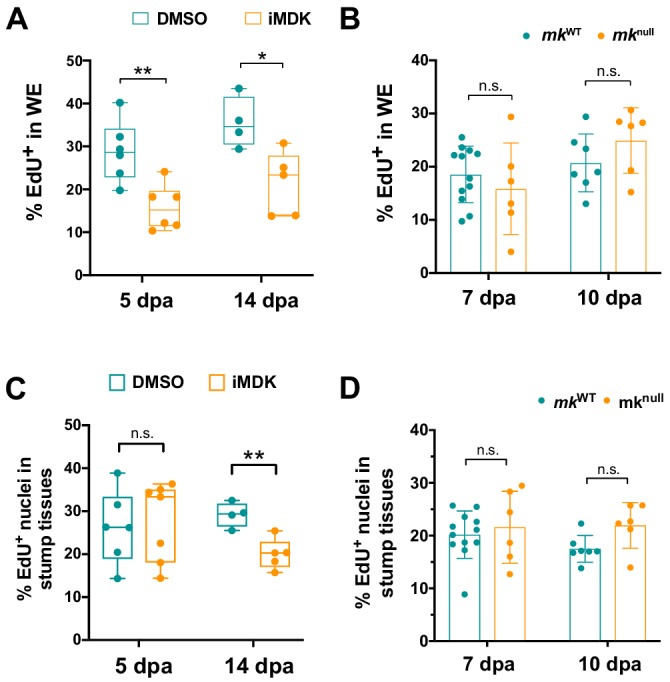
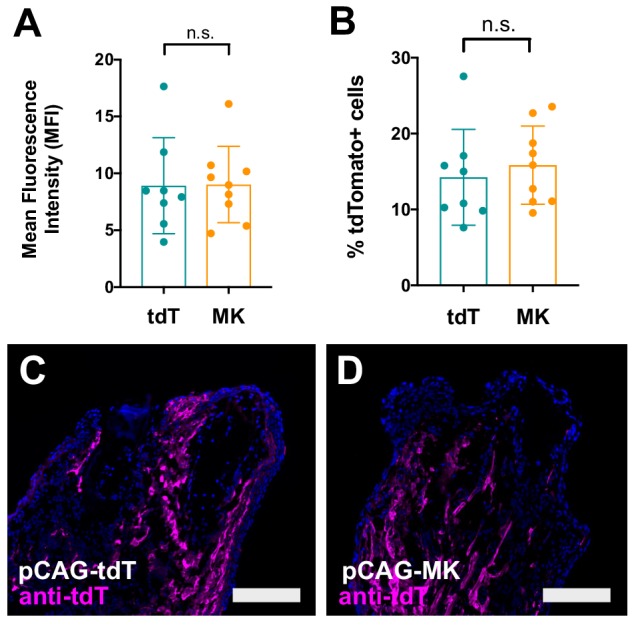
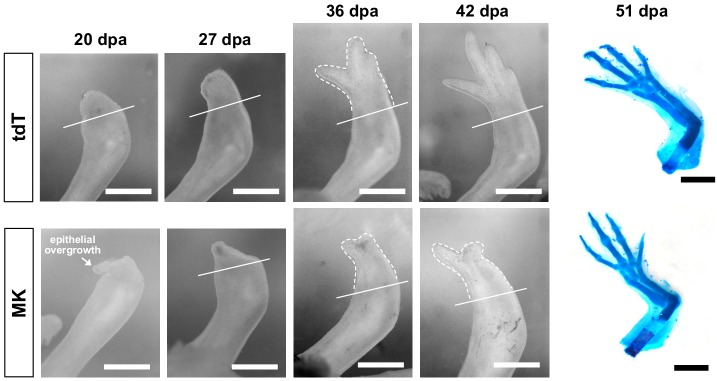
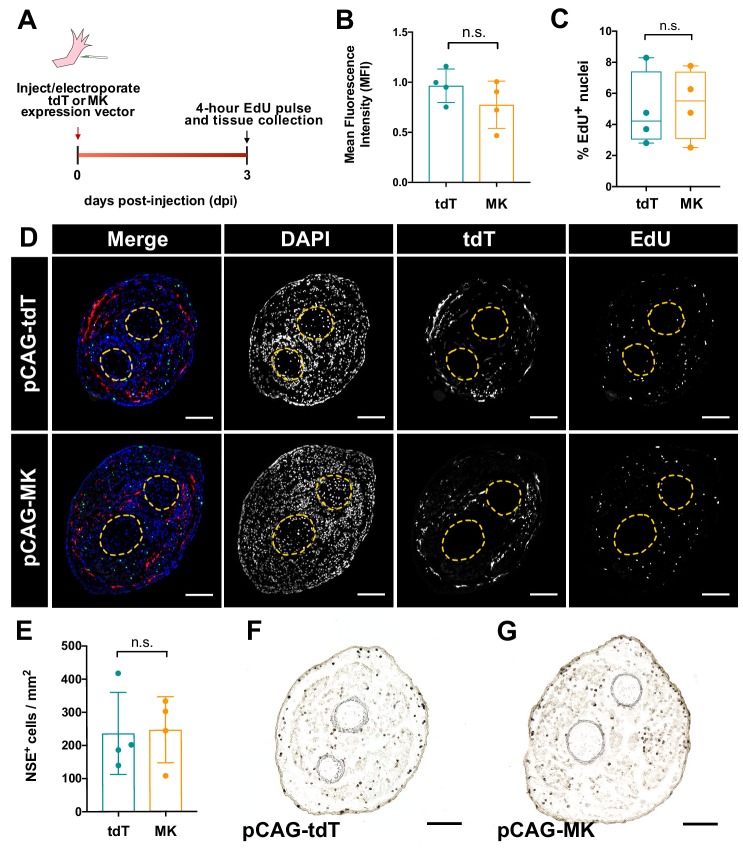
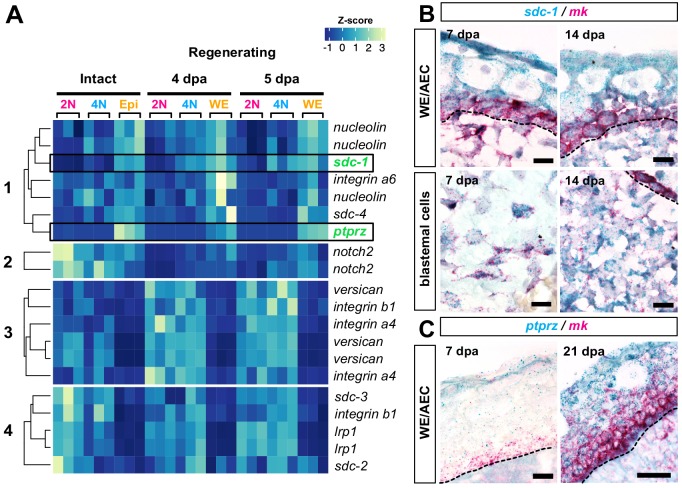
Formation of a specialized wound epidermis is required to initiate salamander limb regeneration. Yet little is known about the roles of the early wound epidermis during the initiation of regeneration and the mechanisms governing its development into the apical epithelial cap (AEC), a signaling structure necessary for outgrowth and patterning of the regenerate. Here, we elucidate the functions of the early wound epidermis, and further reveal () as a dual regulator of both AEC development and inflammation during the initiation of axolotl limb regeneration. Through loss- and gain-of-function experiments, we demonstrate that acts as both a critical survival signal to control the expansion and function of the early wound epidermis and an anti-inflammatory cytokine to resolve early injury-induced inflammation. Altogether, these findings unveil one of the first identified regulators of AEC development and provide fundamental insights into early wound epidermis function, development, and the initiation of limb regeneration.
形成专门的伤口表皮是启动蝾螈肢体再生所必需的。然而,人们对早期伤口表皮在启动再生过程中的作用以及控制其发育为顶端上皮帽(AEC)的机制知之甚少,AEC 是再生的外生和模式形成所必需的信号结构。在这里,我们阐明了早期伤口表皮的功能,并进一步揭示 ()是蝾螈肢体再生启动时 AEC 发育和炎症的双重调节剂。通过功能丧失和功能获得实验,我们证明 既是控制早期伤口表皮扩张和功能的关键存活信号,也是一种抗炎细胞因子,可解决早期损伤诱导的炎症。总之,这些发现揭示了最早确定的 AEC 发育调节剂之一,并为早期伤口表皮功能、发育和肢体再生的启动提供了基本的见解。