Technische Universität Dresden, Institute of Plant and Wood Chemistry, 01062 Dresden, Germany.
C2MA, IMT-Mines Alès, 6, avenue de Clavières, 30100 Alès, France.
Molecules. 2020 Jan 14;25(2):335. doi: 10.3390/molecules25020335.
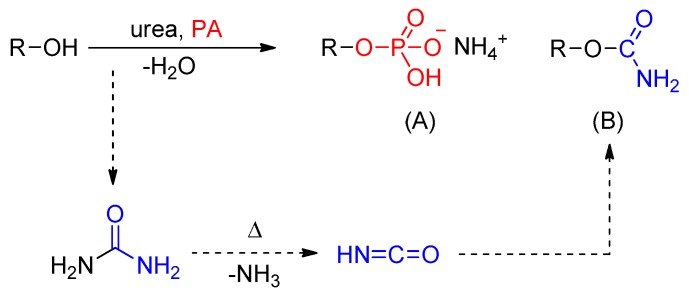
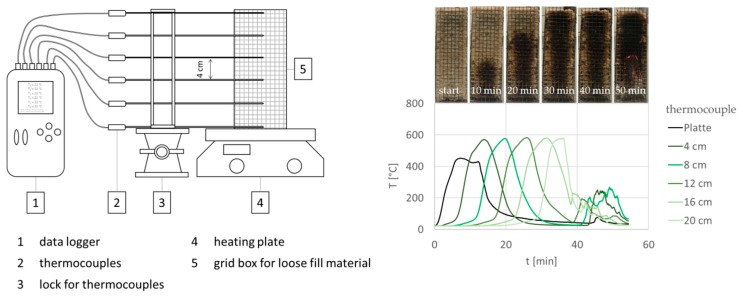
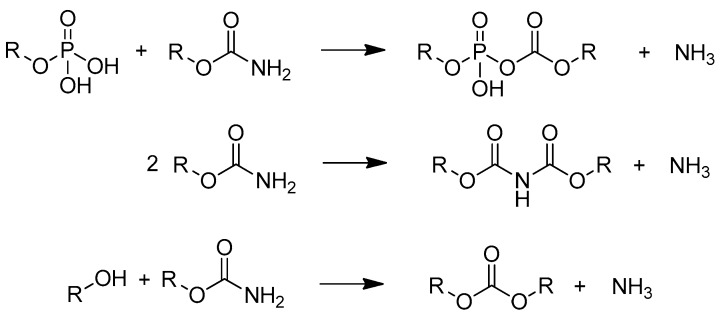
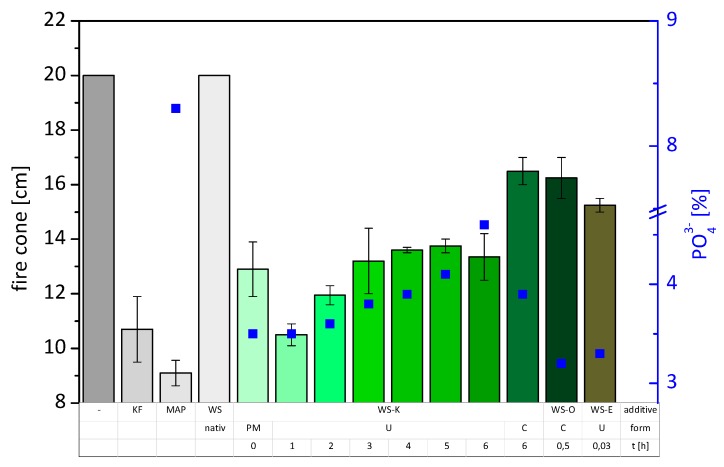
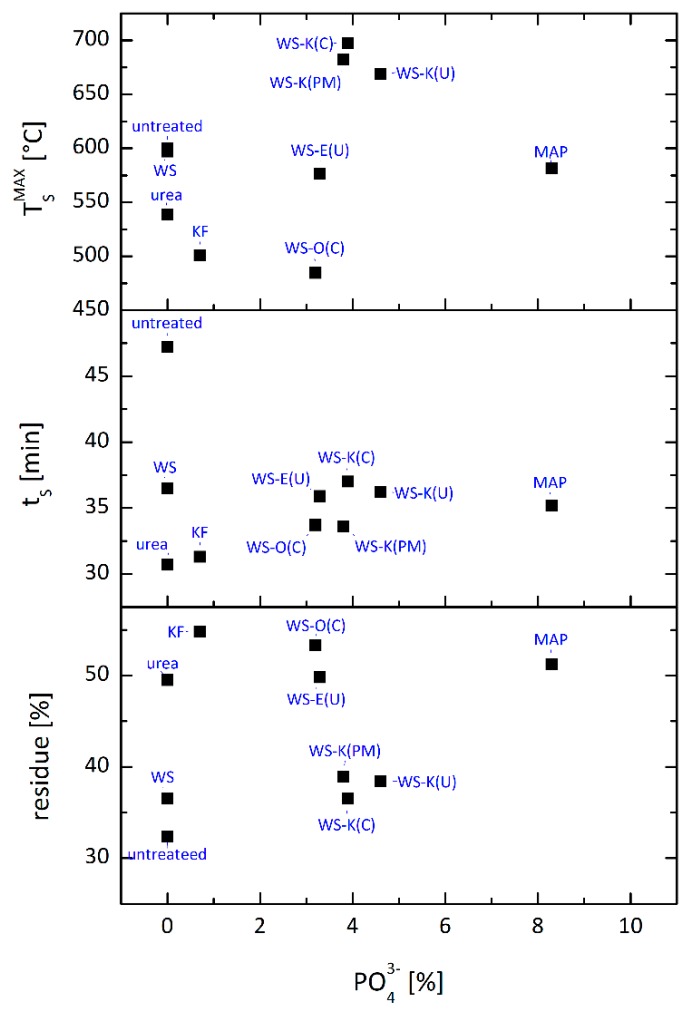
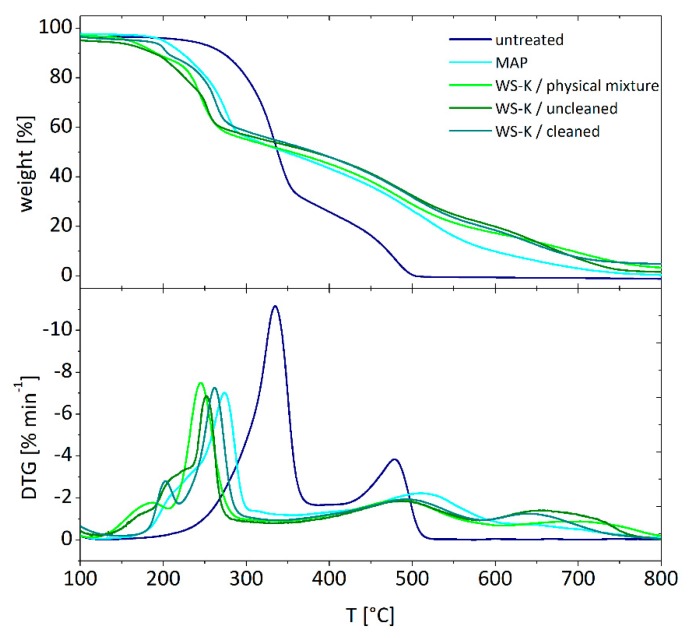
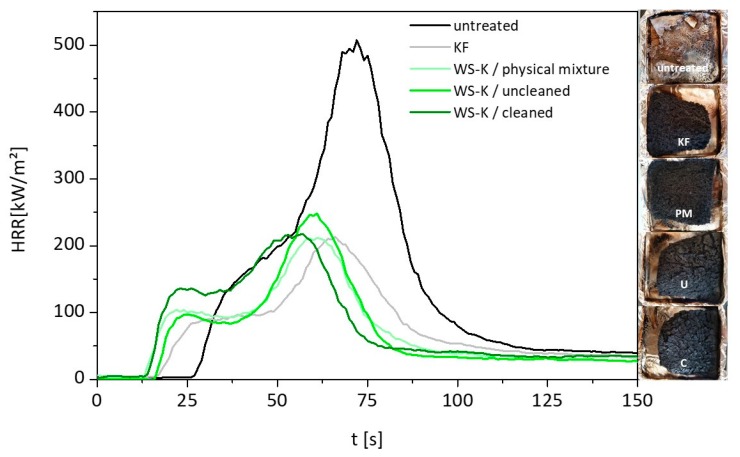
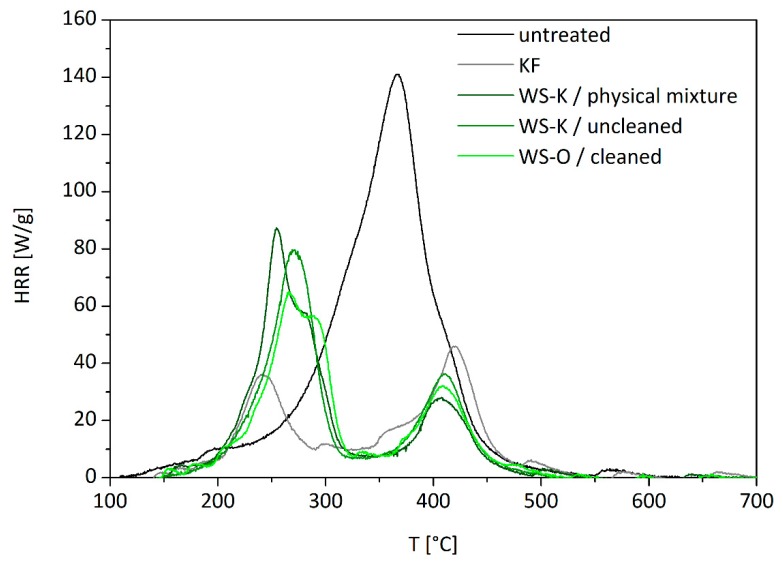
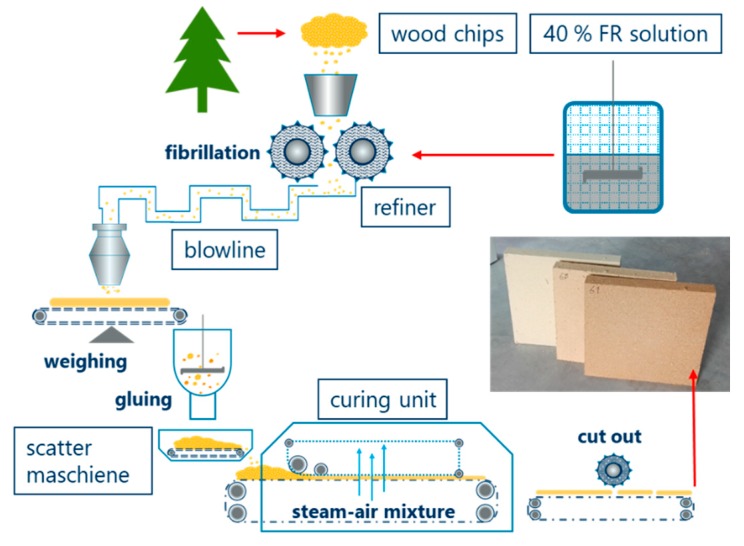
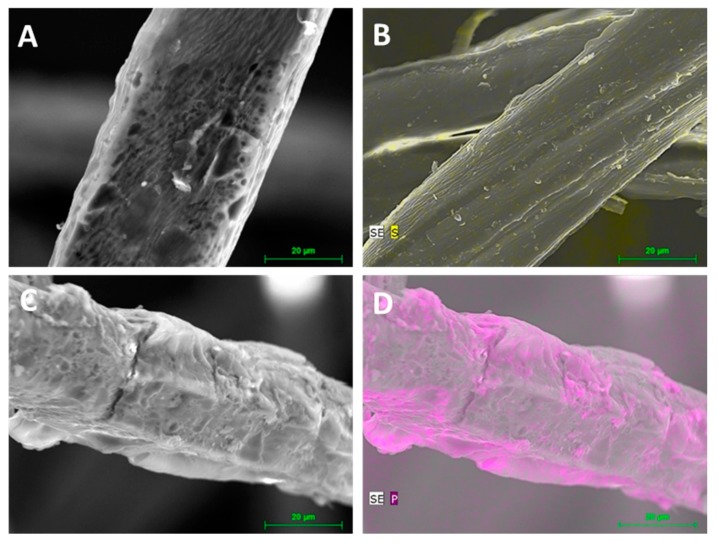
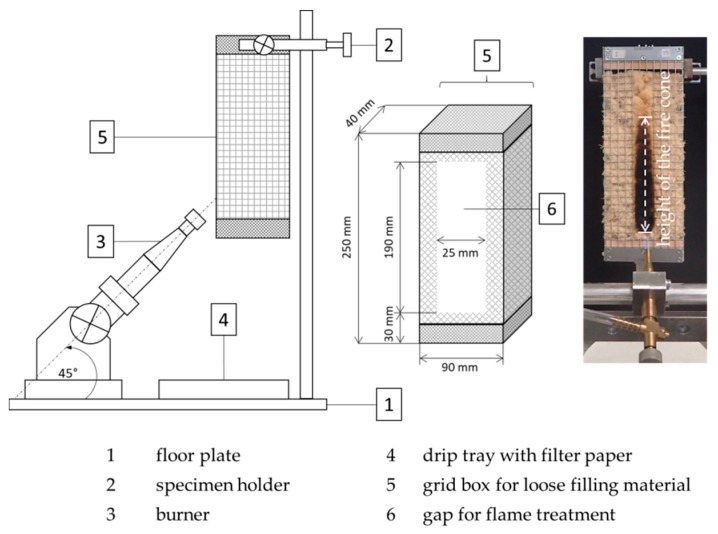
Biopolymer-based flame retardants (FR) are a promising approach to ensure adequate protection against fire while minimizing health and environmental risks. Only a few, however, are suitable for industrial purposes because of their poor flame retardancy, complex synthesis pathway, expensive cleaning procedures, and inappropriate application properties. In the present work, wheat starch was modified using a common phosphate/urea reaction system and tested as flame retardant additive for wood fibers. The results indicate that starch derivatives from phosphate/urea systems can reach fire protection efficiencies similar to those of commercial flame retardants currently used in the wood fiber industry. The functionalization leads to the incorporation of fire protective phosphates (up to 38 wt.%) and nitrogen groups (up to 8.3 wt.%). The lowest levels of burning in fire tests were measured with soluble additives at a phosphate content of 3.5 wt.%. Smoldering effects could be significantly reduced compared to unmodified wood fibers. The industrial processing of a starch-based flame retardant on wood insulating materials exhibits the fundamental applicability of flame retardants. These results demonstrate that starch modified from phosphate/urea-systems is a serious alternative to traditional flame retardants.
基于生物聚合物的阻燃剂 (FR) 是一种很有前途的方法,可以在尽量降低健康和环境风险的同时确保提供足够的防火保护。然而,由于其阻燃性差、合成途径复杂、昂贵的清洁程序以及不合适的应用性能,只有少数几种适合工业用途。在本工作中,使用常见的磷酸盐/尿素反应体系对小麦淀粉进行了改性,并将其作为阻燃添加剂用于木纤维。结果表明,来自磷酸盐/尿素体系的淀粉衍生物可以达到与目前用于纤维行业的商业阻燃剂相似的防火保护效率。功能化导致了阻燃磷酸盐(高达 38wt.%)和氮基团(高达 8.3wt.%)的掺入。在 3.5wt.%的磷酸盐含量下,在燃烧测试中测量到的最低燃烧水平。与未改性的木纤维相比,闷烧效应显著降低。在木质绝缘材料上对基于淀粉的阻燃剂进行工业加工显示出了阻燃剂的基本适用性。这些结果表明,由磷酸盐/尿素体系改性的淀粉是传统阻燃剂的一种可行替代品。