Department of Health and Nutritional Sciences, South Dakota State University, Brookings, SD 57007, USA.
Department of Food and Nutritional Sciences, University of Reading, Reading RG6 6AP, UK.
Nutrients. 2020 Jan 15;12(1):222. doi: 10.3390/nu12010222.
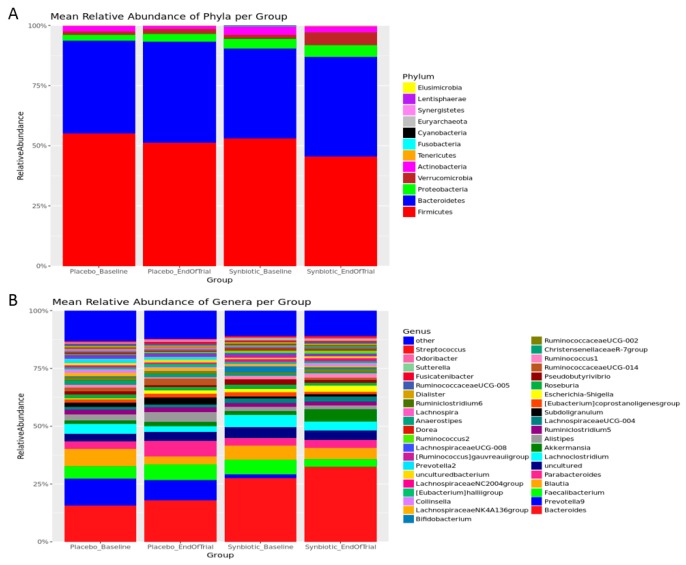
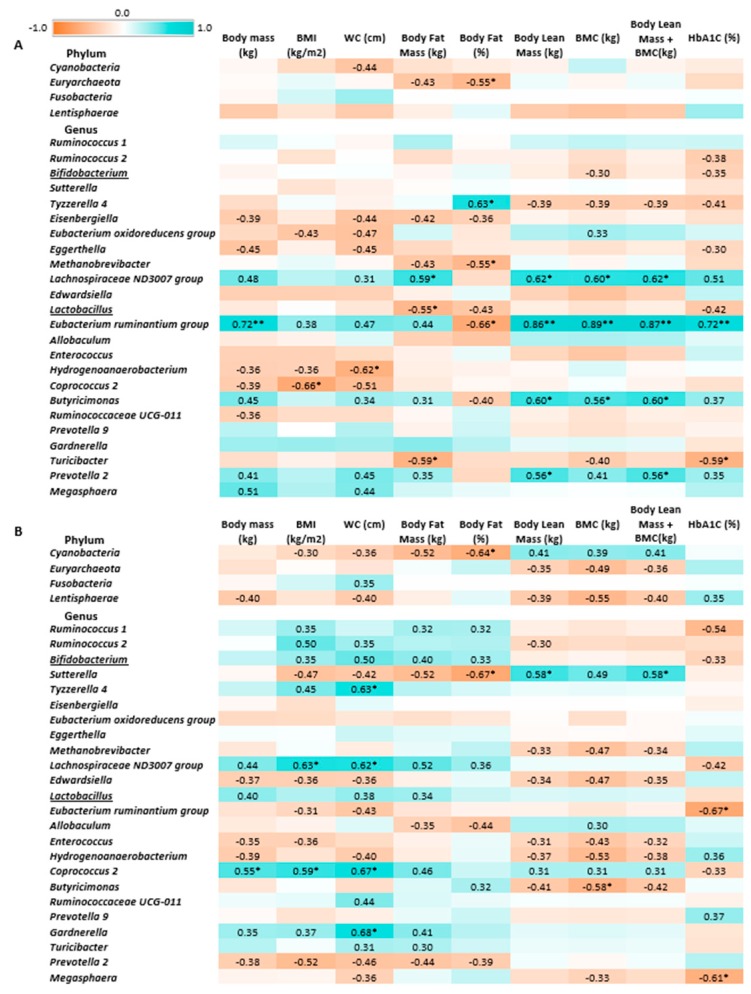
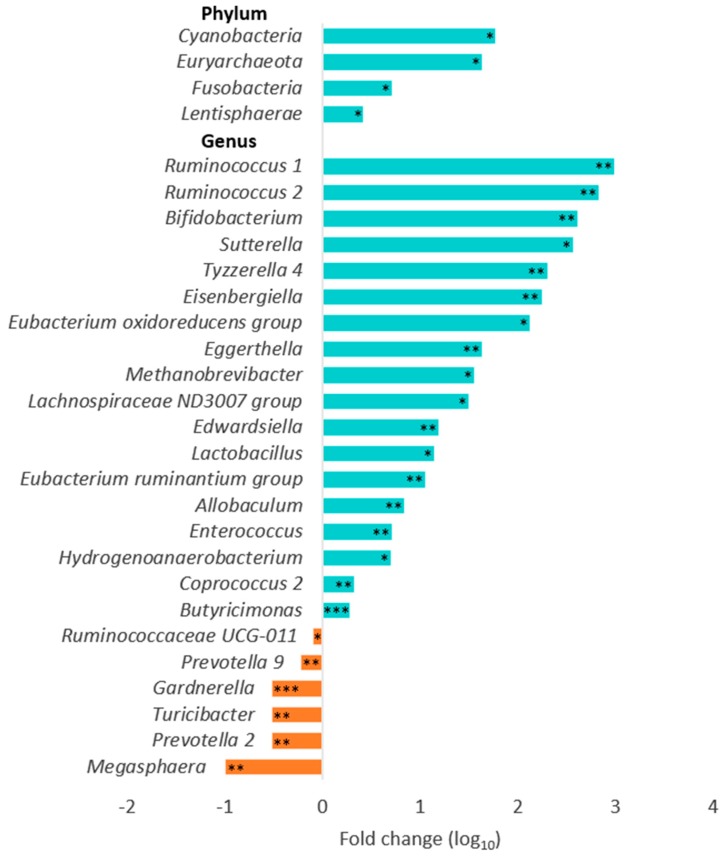
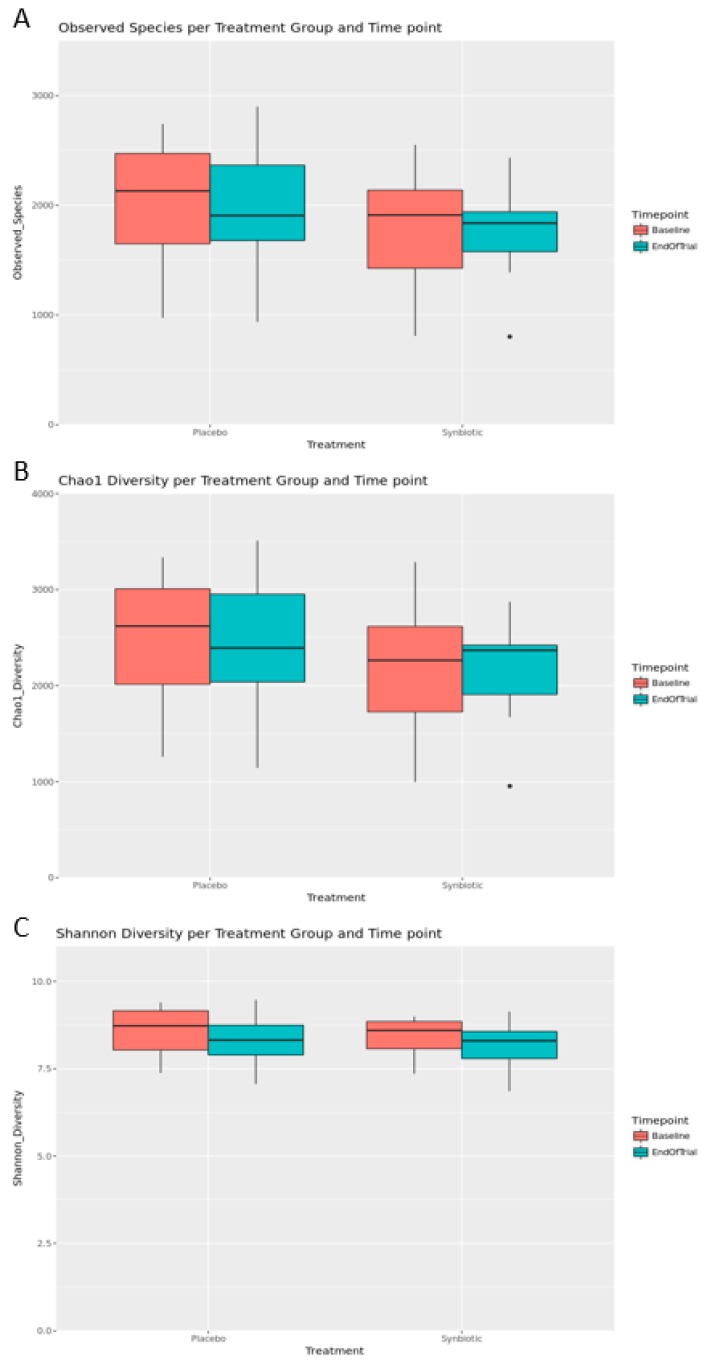
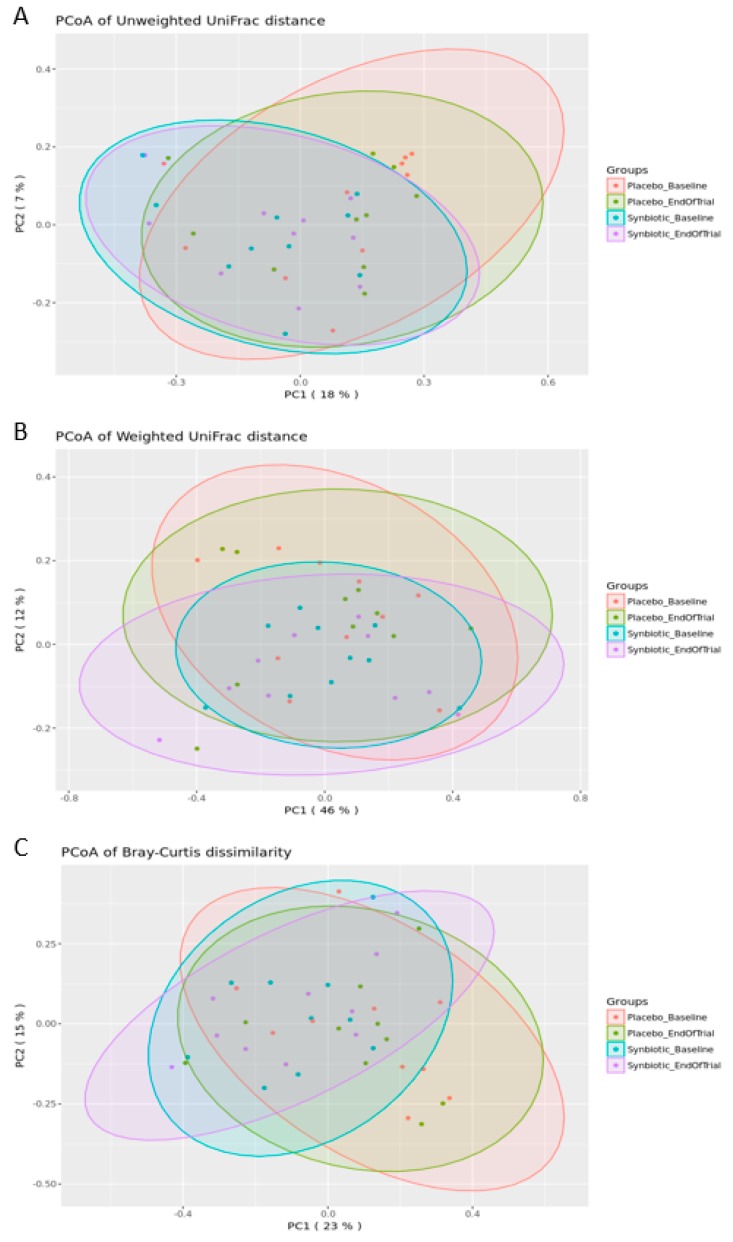
Targeting gut microbiota with synbiotics (probiotic supplements containing prebiotic components) is emerging as a promising intervention in the comprehensive nutritional approach to reducing obesity. Weight loss resulting from low-carbohydrate high-protein diets can be significant but has also been linked to potentially negative health effects due to increased bacterial fermentation of undigested protein within the colon and subsequent changes in gut microbiota composition. Correcting obesity-induced disruption of gut microbiota with synbiotics can be more effective than supplementation with probiotics alone because prebiotic components of synbiotics support the growth and survival of positive bacteria therein. The purpose of this placebo-controlled intervention clinical trial was to evaluate the effects of a synbiotic supplement on the composition, richness and diversity of gut microbiota and associations of microbial species with body composition parameters and biomarkers of obesity in human subjects participating in a weight loss program. The probiotic component of the synbiotic used in the study contained , , , and and the prebiotic component was a galactooligosaccharide mixture. The results showed no statistically significant differences in body composition (body mass, BMI, body fat mass, body fat percentage, body lean mass, and bone mineral content) between the placebo and synbiotic groups at the end of the clinical trial (3-month intervention, 20 human subjects participating in weight loss intervention based on a low-carbohydrate, high-protein, reduced energy diet). Synbiotic supplementation increased the abundance of gut bacteria associated with positive health effects, especially and , and it also appeared to increase the gut microbiota richness. A decreasing trend in the gut microbiota diversity in the placebo and synbiotic groups was observed at the end of trial, which may imply the effect of the high-protein low-carbohydrate diet used in the weight loss program. Regression analysis performed to correlate abundance of species following supplementation with body composition parameters and biomarkers of obesity found an association between a decrease over time in blood glucose and an increase in abundance, particularly in the synbiotic group. However, the decrease over time in body mass, BMI, waist circumstance, and body fat mass was associated with a decrease in abundance. The results obtained support the conclusion that synbiotic supplement used in this clinical trial modulates human gut microbiota by increasing abundance of potentially beneficial microbial species.
用合生剂(含有益生元成分的益生菌补充剂)靶向肠道微生物群,作为一种全面营养干预措施,在减轻肥胖方面具有广阔的应用前景。低碳水化合物高蛋白饮食导致的体重减轻可能非常显著,但也与潜在的负面健康影响有关,因为未消化的蛋白质在结肠内的细菌发酵增加,随后肠道微生物群组成发生变化。用合生剂纠正肥胖引起的肠道微生物群失调可能比单独补充益生菌更有效,因为合生剂的益生元成分支持其中有益细菌的生长和存活。本安慰剂对照干预临床试验的目的是评估合生剂补充剂对肠道微生物群的组成、丰富度和多样性的影响,以及微生物物种与人体成分参数和肥胖生物标志物的关联,参与减肥计划的人类受试者。研究中使用的合生剂的益生菌成分包含、、、和,而益生元成分是半乳糖寡糖混合物。研究结果表明,在临床试验结束时(3 个月干预,20 名参与基于低碳水化合物、高蛋白、低能量饮食的减肥干预的人类受试者),安慰剂组和合生剂组之间的身体成分(体重、BMI、体脂肪量、体脂百分比、体瘦量和骨矿物质含量)没有统计学上的显著差异。合生剂补充剂增加了与积极健康影响相关的肠道细菌的丰度,特别是和,而且似乎还增加了肠道微生物群的丰富度。在试验结束时,观察到安慰剂和合生剂组的肠道微生物多样性呈下降趋势,这可能暗示了减肥计划中使用的高蛋白低碳水化合物饮食的影响。对补充后物种丰度与肥胖的人体成分参数和生物标志物进行回归分析发现,随着时间的推移,血糖下降与增加呈正相关,尤其是在合生剂组中。然而,随着时间的推移,体重、BMI、腰围和体脂肪量的下降与减少呈负相关。研究结果支持以下结论:本临床试验中使用的合生剂补充剂通过增加潜在有益微生物物种的丰度来调节人体肠道微生物群。