Department of Biochemistry and Molecular Biology, Faculty of Science and Informatics, University of Szeged, Közép fasor 52, 6726, Szeged, Hungary.
Doctoral School of Biology, University of Szeged, Közép fasor 52, 6726, Szeged, Hungary.
J Nanobiotechnology. 2020 Jan 21;18(1):18. doi: 10.1186/s12951-020-0576-x.
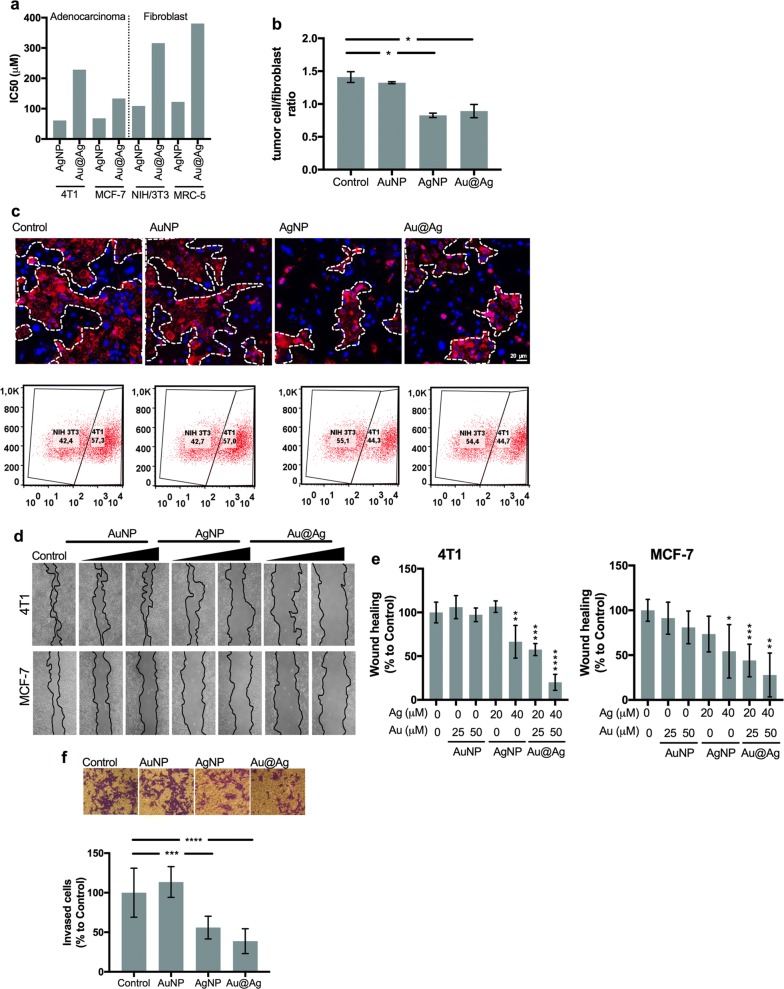
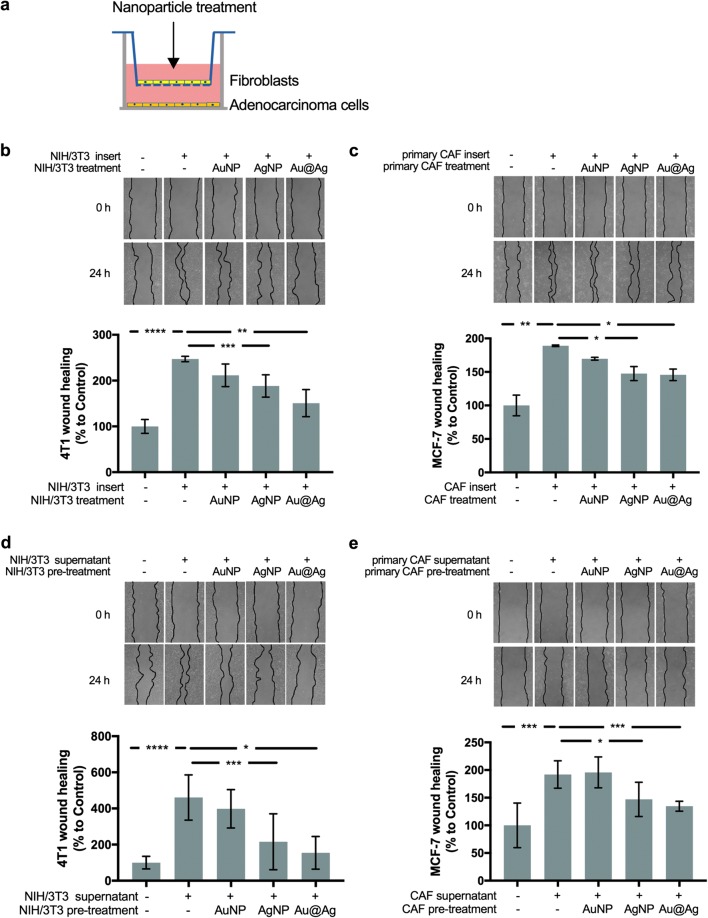
Although accumulating evidence suggests that the crosstalk between malignant cells and cancer-associated fibroblasts (CAFs) actively contributes to tumour growth and metastatic dissemination, therapeutic strategies targeting tumour stroma are still not common in the clinical practice. Metal-based nanomaterials have been shown to exert excellent cytotoxic and anti-cancerous activities, however, their effects on the reactive stroma have never been investigated in details. Thus, using feasible in vitro and in vivo systems to model tumour microenvironment, we tested whether the presence of gold, silver or gold-core silver-shell nanoparticles exerts anti-tumour and metastasis suppressing activities by influencing the tumour-supporting activity of stromal fibroblasts.
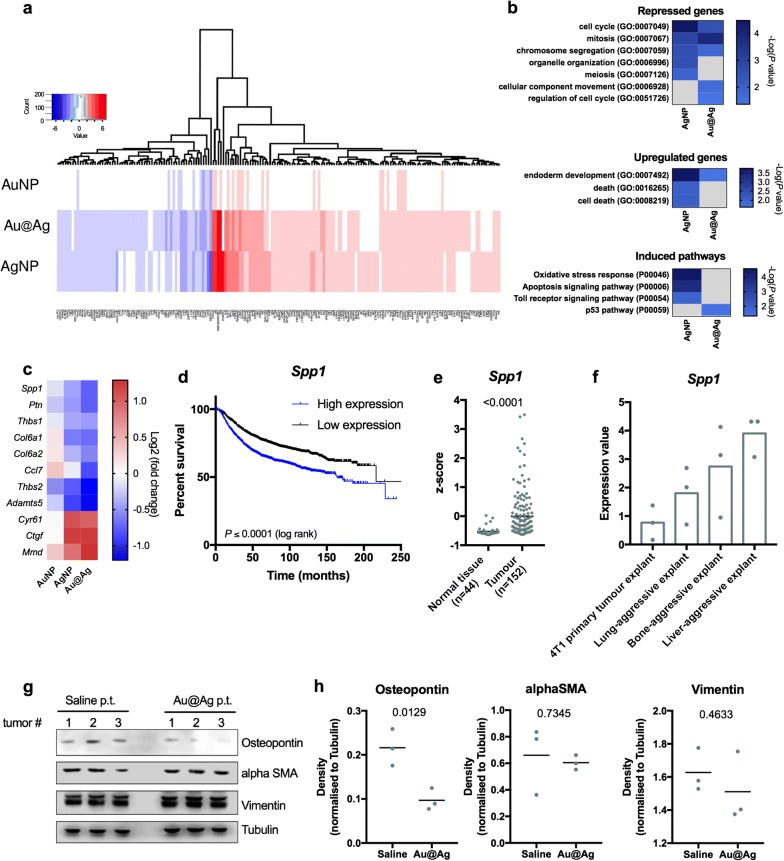
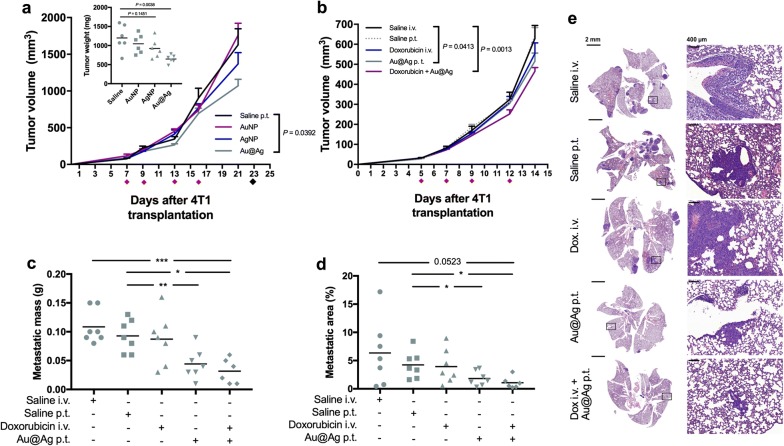
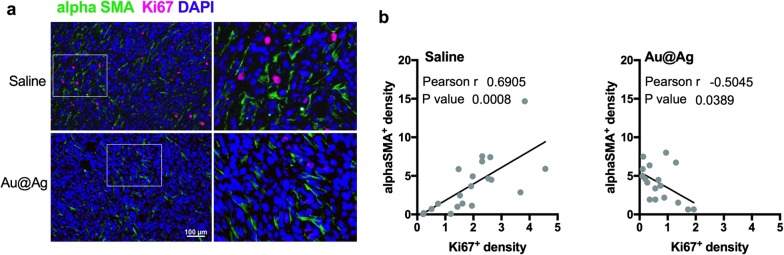
We found that the presence of gold-core silver-shell hybrid nanomaterials in the tumour microenvironment attenuated the tumour cell-promoting behaviour of CAFs, and this phenomenon led to a prominent attenuation of metastatic dissemination in vivo as well. Mechanistically, transcriptome analysis on tumour-promoting CAFs revealed that silver-based nanomaterials trigger expressional changes in genes related to cancer invasion and tumour metastasis.
Here we report that metal nanoparticles can influence the cancer-promoting activity of tumour stroma by affecting the gene expressional and secretory profiles of stromal fibroblasts and thereby altering their intrinsic crosstalk with malignant cells. This potential of metal nanomaterials should be exploited in multimodal treatment approaches and translated into improved therapeutic outcomes.
尽管越来越多的证据表明,恶性细胞与癌症相关成纤维细胞(CAFs)之间的串扰积极促进肿瘤生长和转移扩散,但针对肿瘤基质的治疗策略在临床实践中仍然不常见。金属纳米材料已被证明具有优异的细胞毒性和抗癌活性,然而,它们对反应性基质的影响从未被详细研究过。因此,我们使用可行的体外和体内系统来模拟肿瘤微环境,测试了金、银或金核银壳纳米粒子的存在是否通过影响基质成纤维细胞的肿瘤支持活性来发挥抗肿瘤和抑制转移的作用。
我们发现,肿瘤微环境中存在金核银壳杂化纳米材料会减弱 CAFs 促进肿瘤细胞的行为,这一现象也导致体内转移扩散明显减弱。从机制上讲,对促进肿瘤的 CAFs 进行转录组分析表明,基于银的纳米材料会引发与癌症侵袭和肿瘤转移相关的基因表达变化。
我们报告称,金属纳米粒子可以通过影响基质成纤维细胞的基因表达和分泌谱来改变其与恶性细胞的内在串扰,从而影响肿瘤基质的促癌活性,从而改变其内在串扰。金属纳米材料的这种潜力应该在多模态治疗方法中得到利用,并转化为改善的治疗效果。