Department of Molecular Microbiology, Washington University in St. Louis, St. Louis, MO 63110, USA.
McDonnell Genome Institute, Washington University in St. Louis, St. Louis, MO 63110, USA.
Sci Transl Med. 2020 Jan 29;12(528). doi: 10.1126/scitranslmed.aay0233.
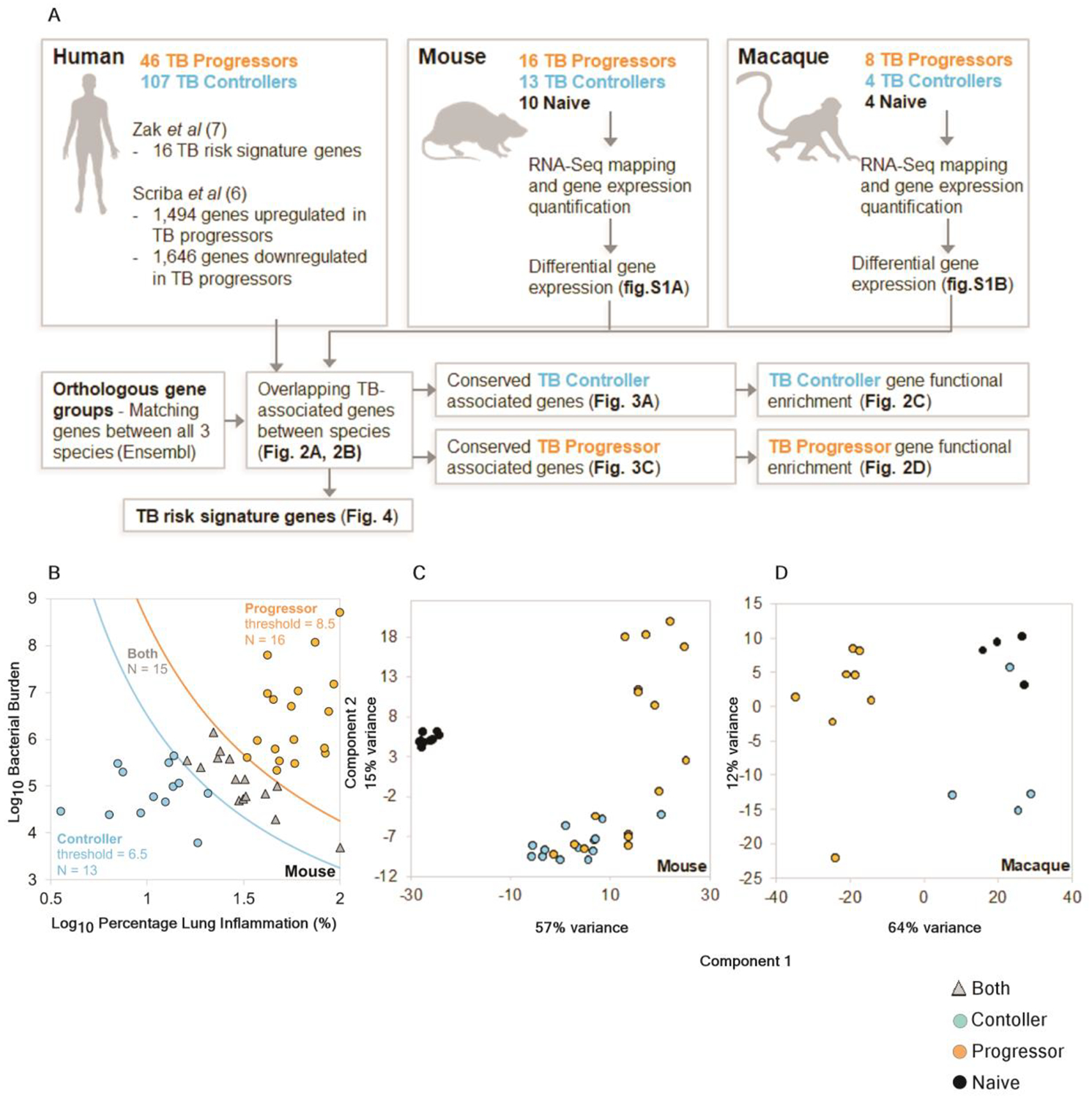
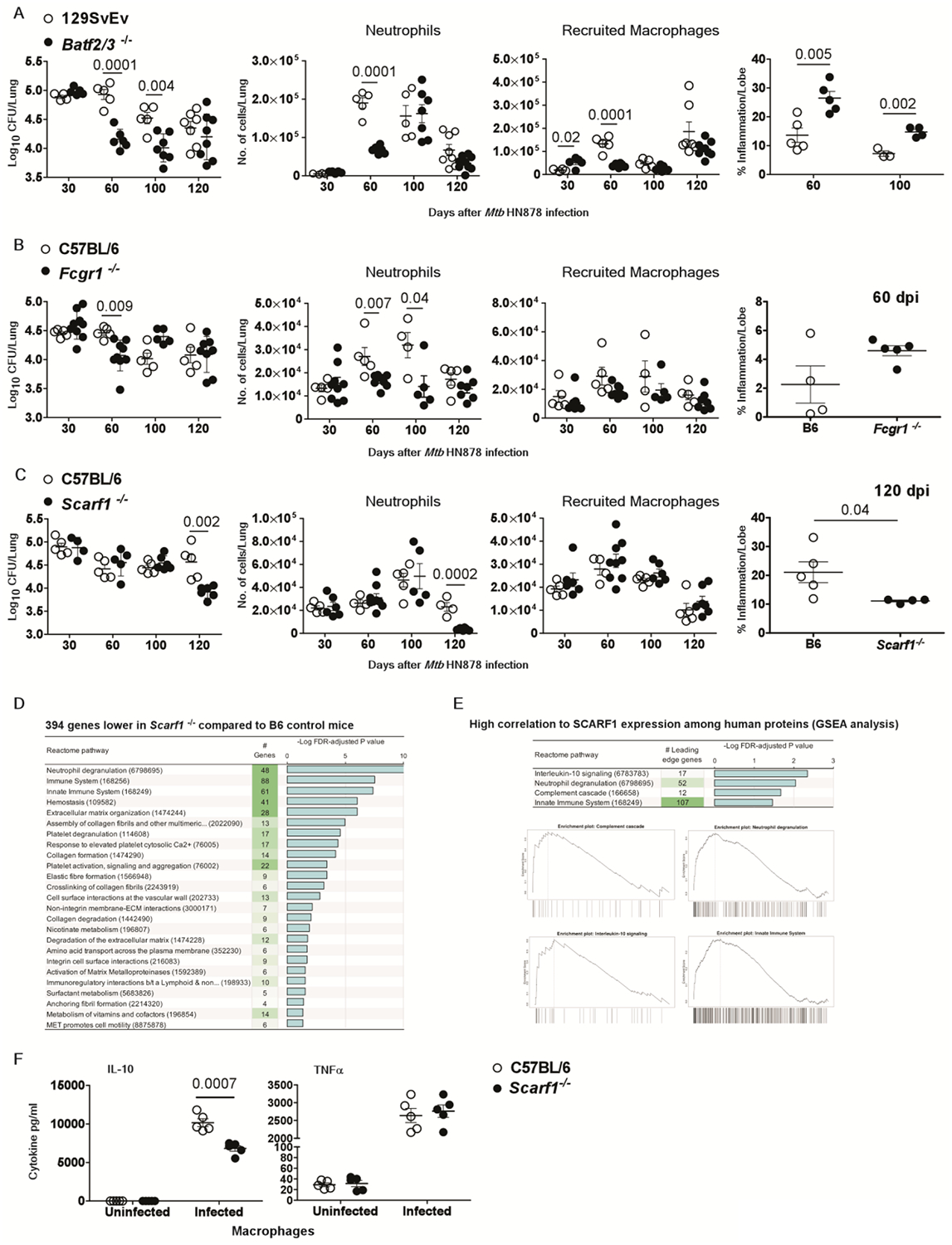
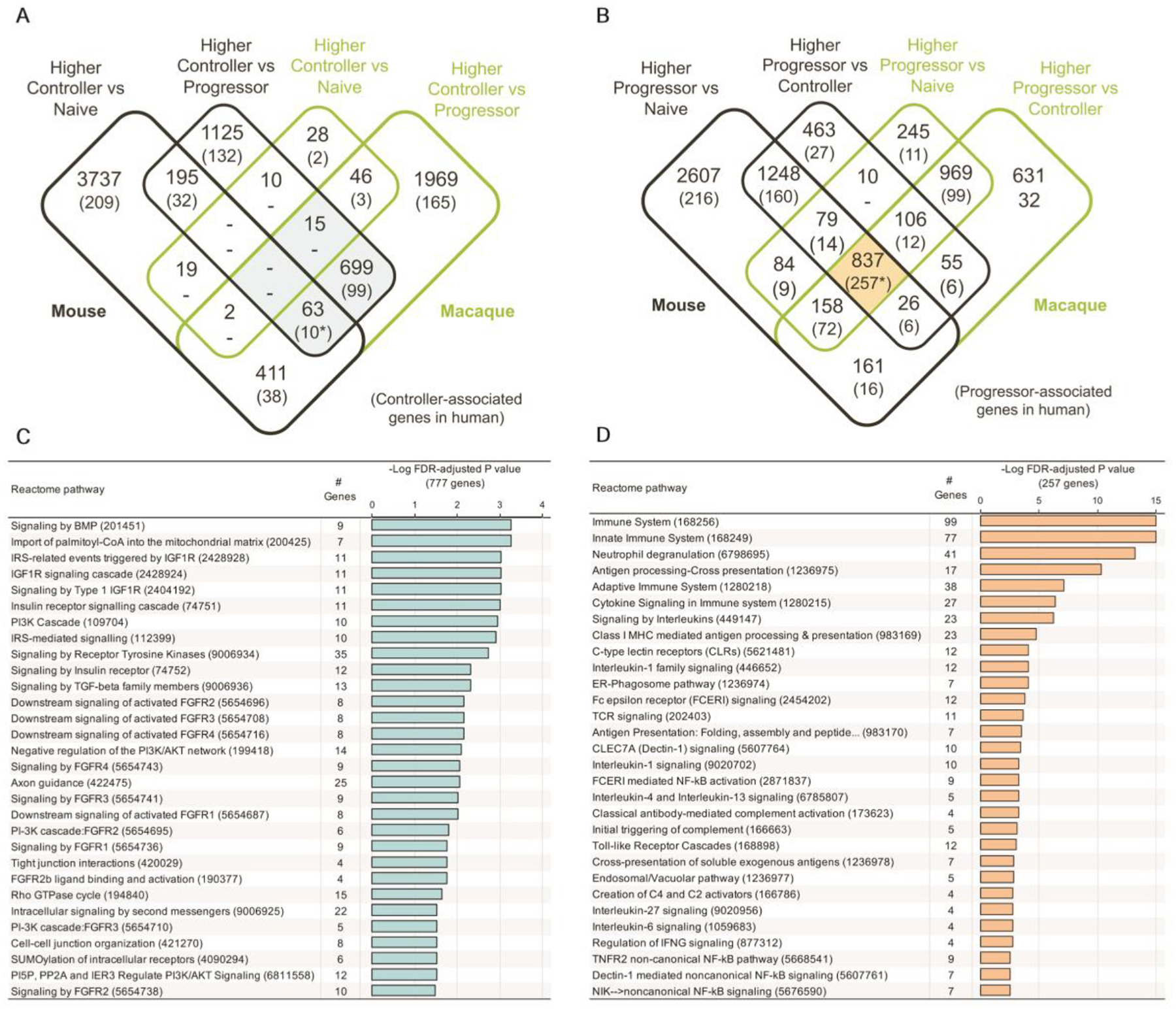
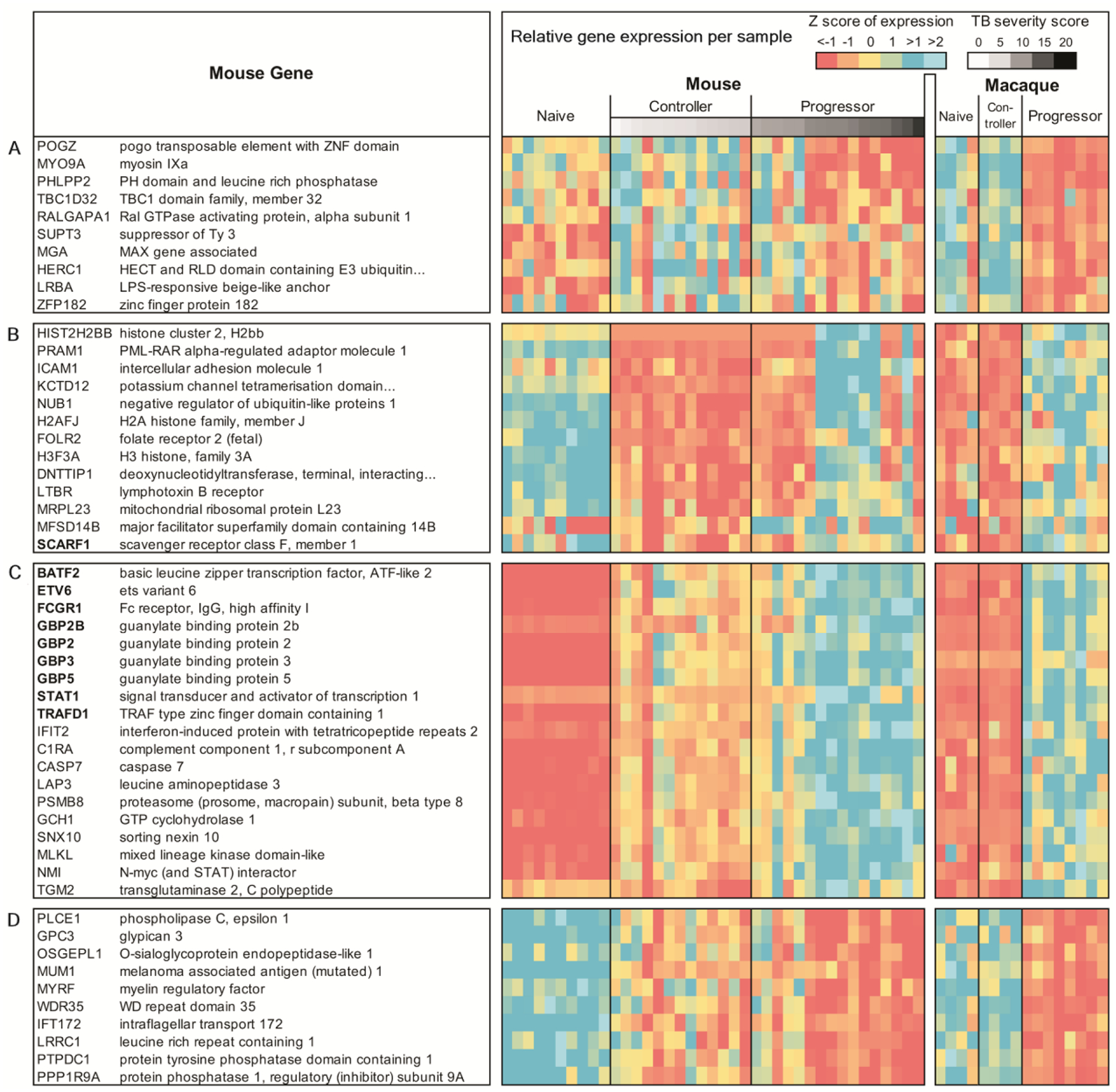
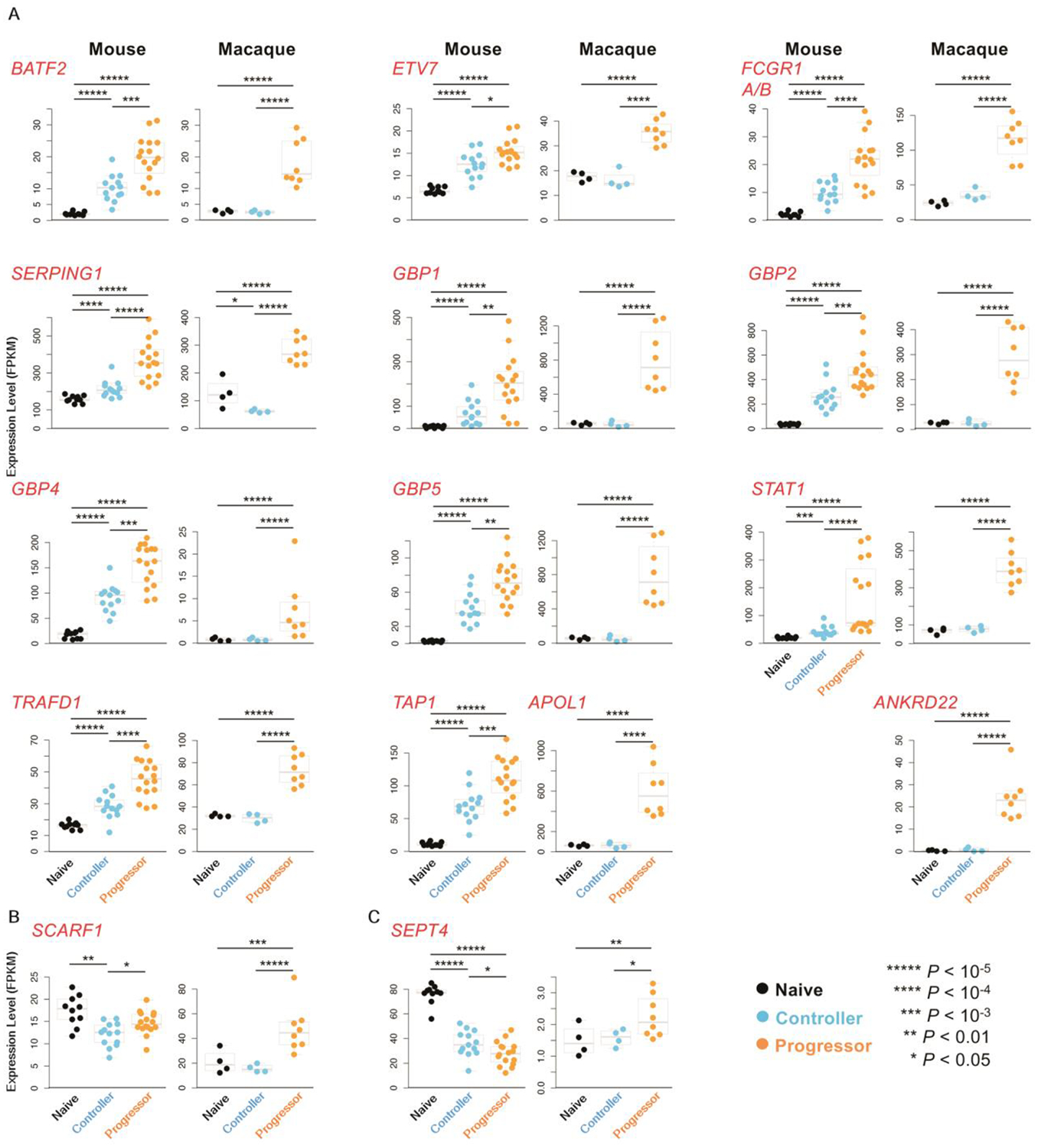
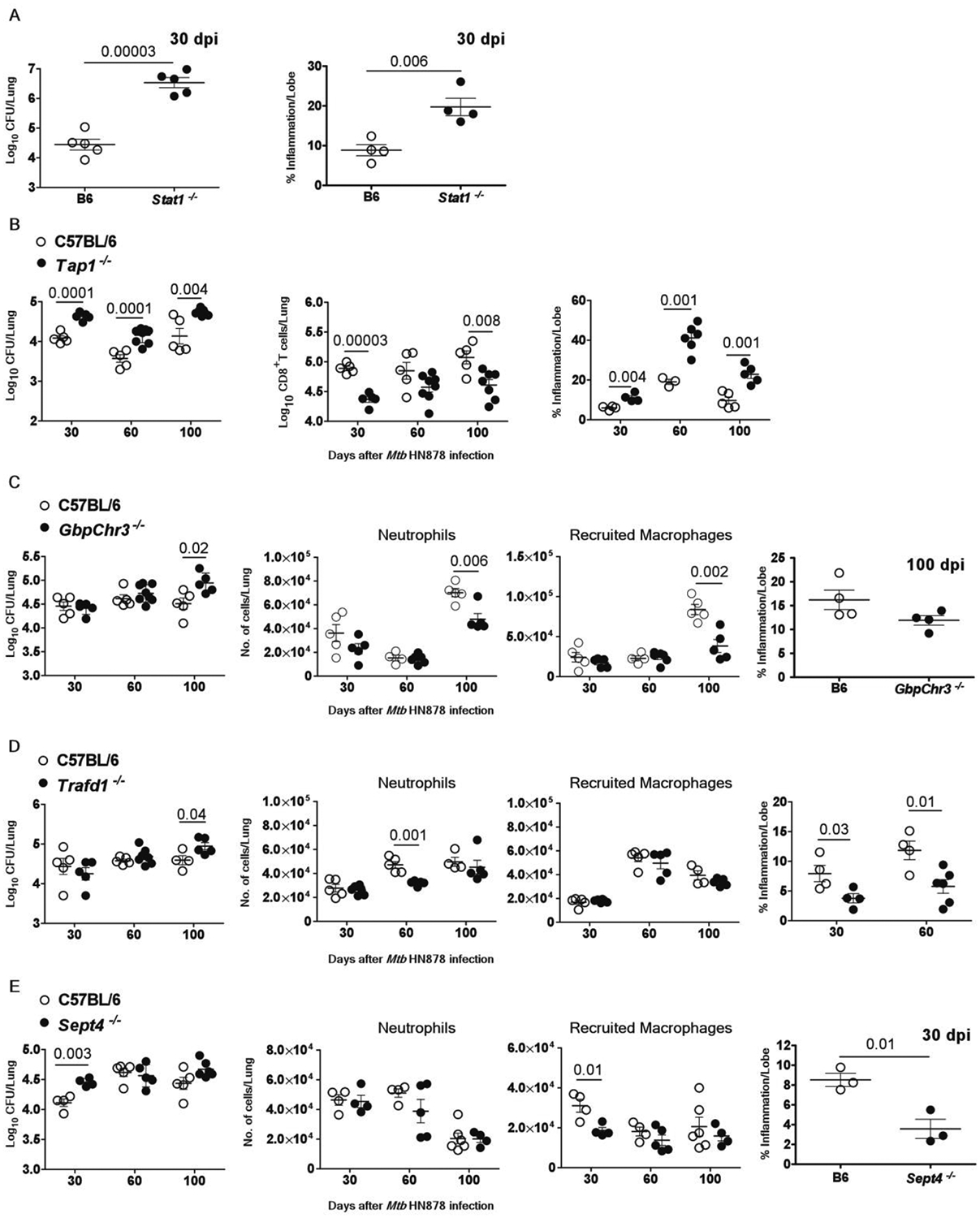
One quarter of the world's population is infected with (), the causative agent of tuberculosis (TB). Although most infected individuals successfully control or clear the infection, some individuals will progress to TB disease. Immune correlates identified using animal models are not always effectively translated to human TB, thus resulting in a slow pace of translational discoveries from animal models to human TB for many platforms including vaccines, therapeutics, biomarkers, and diagnostic discovery. Therefore, it is critical to improve our poor understanding of immune correlates of disease and protection that are shared across animal TB models and human TB. In this study, we have provided an in-depth identification of the conserved and diversified gene/immune pathways in TB models of nonhuman primate and diversity outbred mouse and human TB. Our results show that prominent differentially expressed genes/pathways induced during TB disease progression are conserved in genetically diverse mice, macaques, and humans. In addition, using gene-deficient inbred mouse models, we have addressed the functional role of individual genes comprising the gene signature of disease progression seen in humans with infection. We show that genes representing specific immune pathways can be protective, detrimental, or redundant in controlling infection and translate into identifying immune pathways that mediate TB immunopathology in humans. Together, our cross-species findings provide insights into modeling TB disease and the immunological basis of TB disease progression.
世界上四分之一的人口感染了结核分枝杆菌(TB),这是结核病的病原体。虽然大多数受感染的个体能够成功控制或清除感染,但仍有一些个体将发展为结核病。使用动物模型鉴定的免疫相关性并不总是能有效地转化为人类结核病,因此,许多平台(包括疫苗、疗法、生物标志物和诊断发现)从动物模型到人类结核病的转化发现进展缓慢。因此,提高我们对动物结核病模型和人类结核病之间共享的疾病和保护的免疫相关性的认识至关重要。在这项研究中,我们深入鉴定了非人类灵长类动物和多样性近交系小鼠和人类结核病模型中保守和多样化的基因/免疫途径。我们的结果表明,在遗传上多样化的小鼠、猕猴和人类中,在结核病进展过程中诱导的显著差异表达的基因/途径是保守的。此外,我们使用基因缺陷近交系小鼠模型,解决了人类结核分枝杆菌感染中疾病进展基因特征所包含的单个基因的功能作用。我们表明,代表特定免疫途径的基因在控制结核分枝杆菌感染方面可以是保护性的、有害的或冗余的,并转化为确定在人类中介导结核病免疫病理学的免疫途径。总之,我们的跨物种研究结果为结核病疾病建模和结核病进展的免疫学基础提供了深入的了解。