Liu Xing, Lieberman Judy
Center for Microbes, Development and Health; Key Laboratory of Molecular Virology and Immunology; Institut Pasteur of Shanghai; Chinese Academy of Sciences, Shanghai 200031, China; email:
Program in Cellular and Molecular Medicine, Boston Children's Hospital and Department of Pediatrics, Harvard Medical School, Boston, Massachusetts 02115, USA; email:
Annu Rev Immunol. 2020 Apr 26;38:455-485. doi: 10.1146/annurev-immunol-111319-023800. Epub 2020 Jan 31.
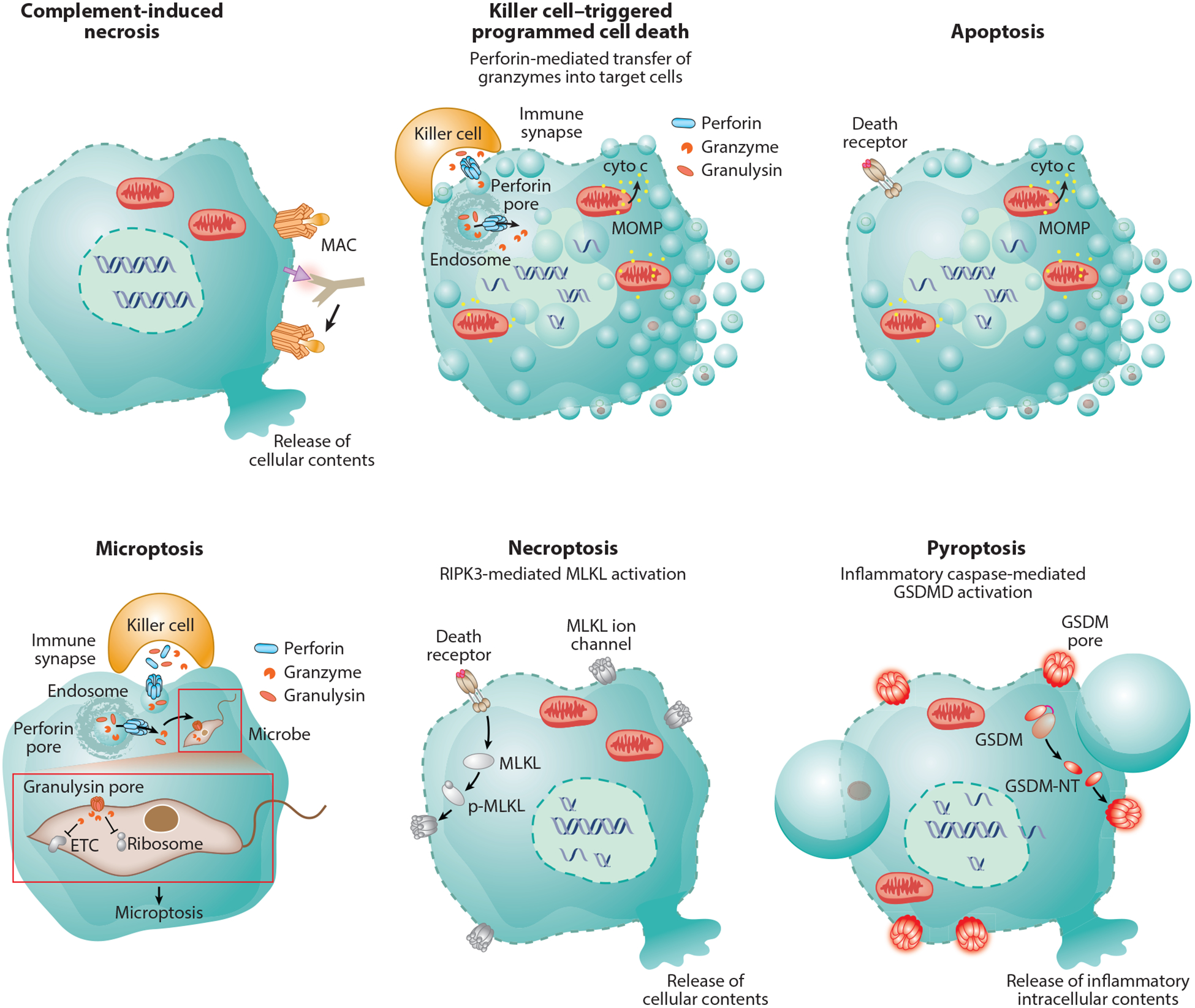
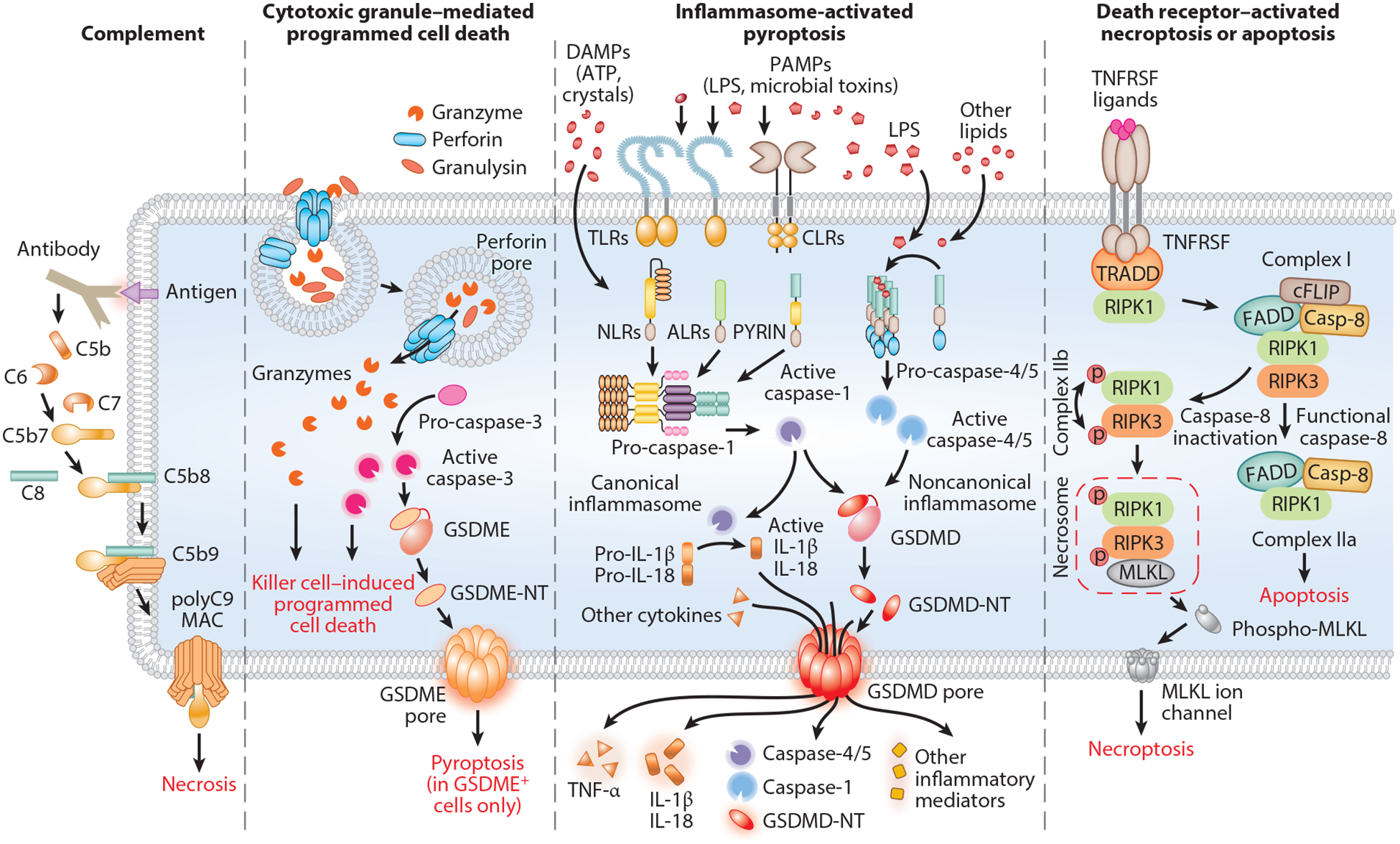
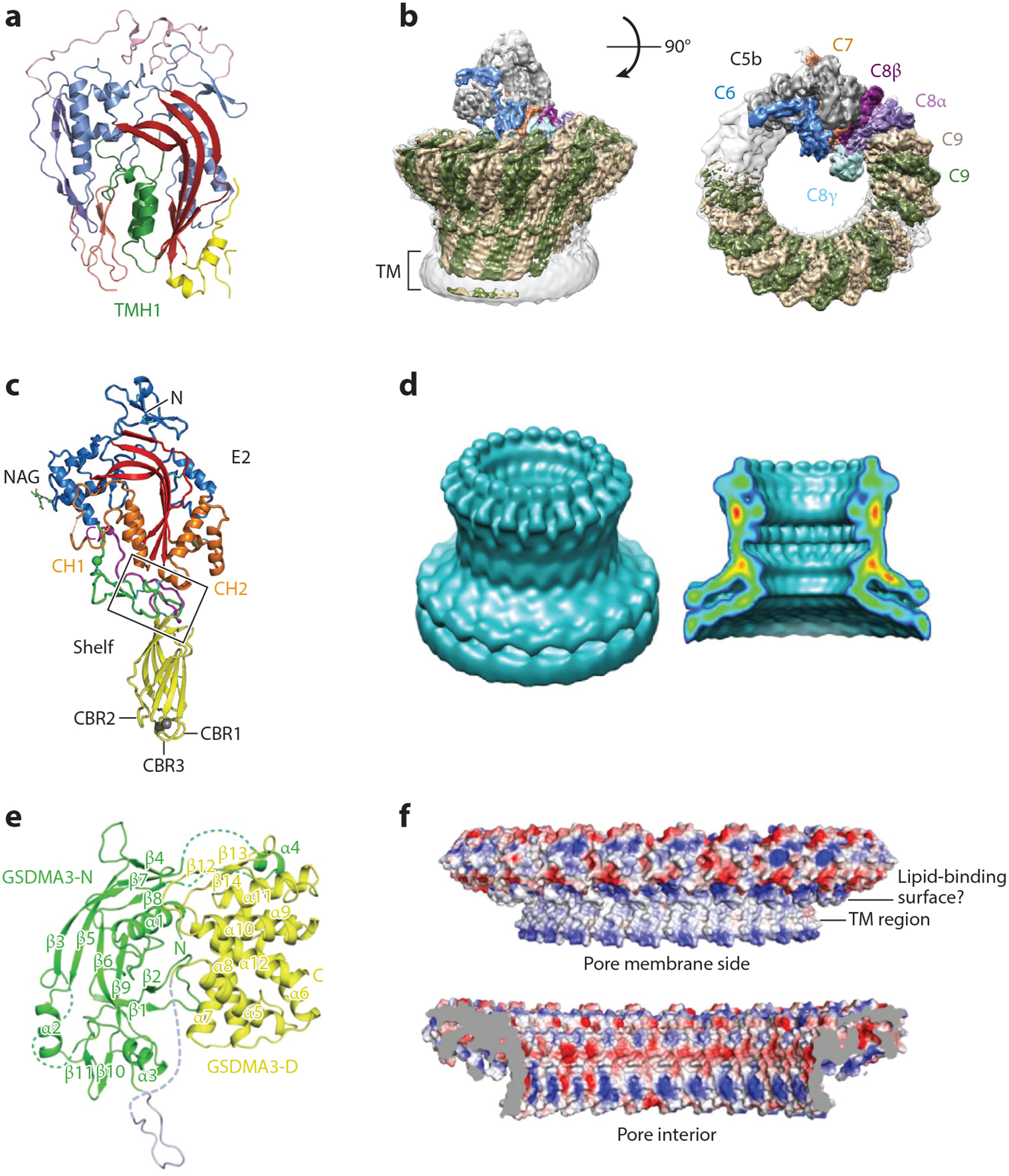
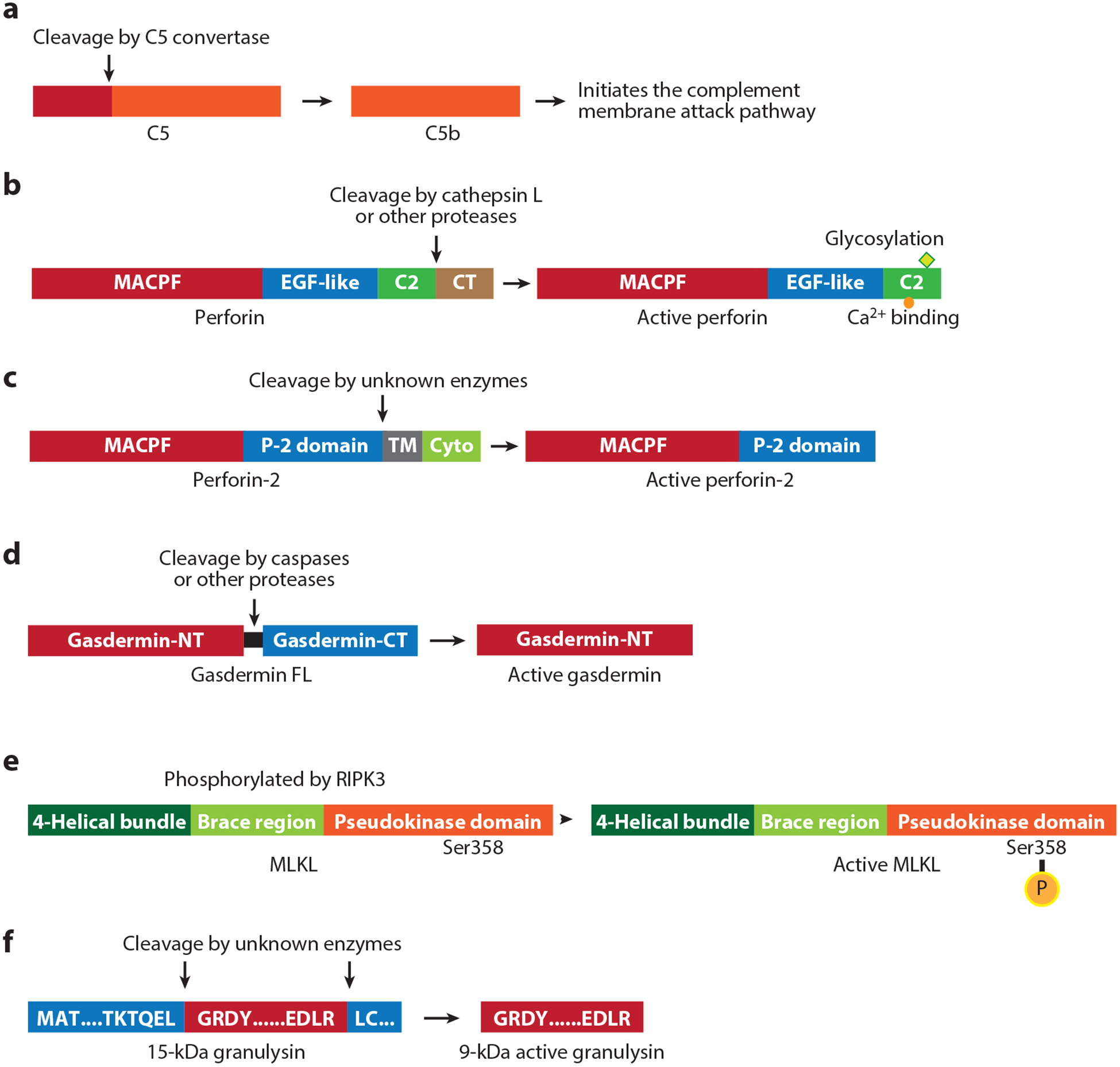
Immune cells use a variety of membrane-disrupting proteins [complement, perforin, perforin-2, granulysin, gasdermins, mixed lineage kinase domain-like pseudokinase (MLKL)] to induce different kinds of death of microbes and host cells, some of which cause inflammation. After activation by proteolytic cleavage or phosphorylation, these proteins oligomerize, bind to membrane lipids, and disrupt membrane integrity. These membrane disruptors play a critical role in both innate and adaptive immunity. Here we review our current knowledge of the functions, specificity, activation, and regulation of membrane-disrupting immune proteins and what is known about the mechanisms behind membrane damage, the structure of the pores they form, how the cells expressing these lethal proteins are protected, and how cells targeted for destruction can sometimes escape death by repairing membrane damage.
免疫细胞利用多种膜破坏蛋白(补体、穿孔素、穿孔素-2、颗粒溶素、gasdermin、混合谱系激酶结构域样假激酶(MLKL))来诱导微生物和宿主细胞发生不同类型的死亡,其中一些会引发炎症。经蛋白水解切割或磷酸化激活后,这些蛋白会寡聚化,与膜脂结合,并破坏膜的完整性。这些膜破坏蛋白在固有免疫和适应性免疫中均发挥着关键作用。在此,我们综述了目前关于膜破坏免疫蛋白的功能、特异性、激活和调节的知识,以及膜损伤背后的机制、它们形成的孔的结构、表达这些致死性蛋白的细胞是如何受到保护的,以及被靶向破坏的细胞有时如何通过修复膜损伤来逃避死亡等方面的已知情况。