Department of Pharmacology (State-Province Key Laboratories of Biomedicine-Pharmaceutics of China, Key Laboratory of Cardiovascular Medicine Research, Ministry of Education), College of Pharmacy, Harbin Medical University, Harbin, China.
Translational Medicine Research and Cooperation Center of Northern China, Chronic Disease Research Institute, Heilongjiang Academy of Medical Sciences, Harbin, China.
Front Cell Infect Microbiol. 2020 Jan 17;9:455. doi: 10.3389/fcimb.2019.00455. eCollection 2019.
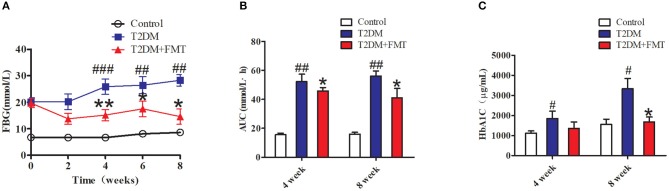
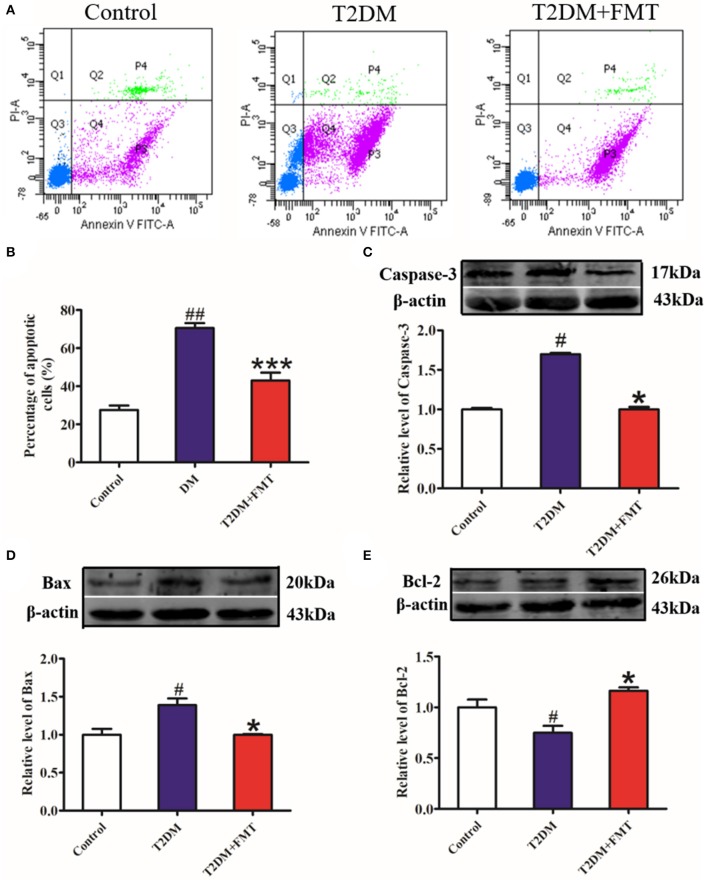
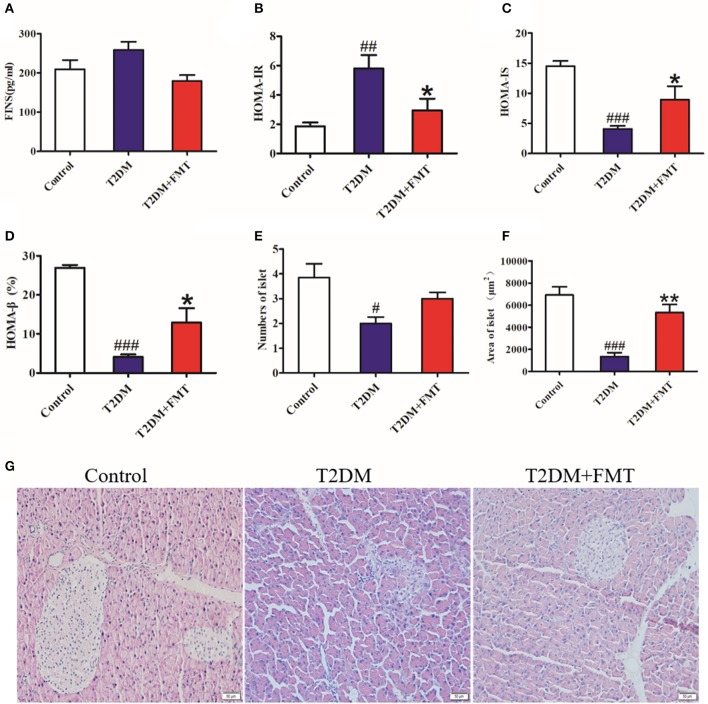
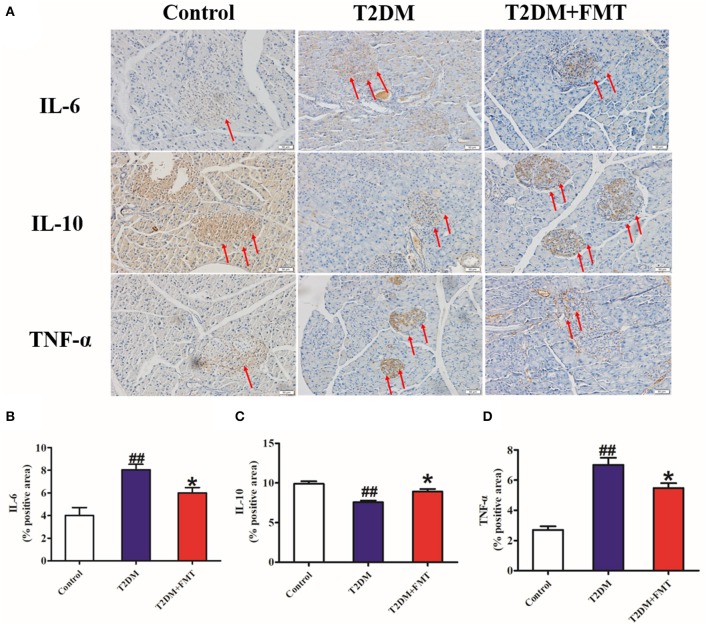
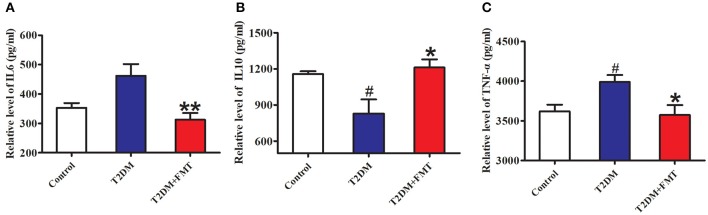
Type 2 diabetes is a common metabolic disorder related to insulin resistance, or deficiency of insulin secretion, caused by decreased insulin sensitivity and destruction of islet structure and function. As the second human genome, the microbiota has been observed to have a growing relationship with diabetes in recent years. Microbiota imbalance has been hypothesized to be involved in the regulation of energy metabolism and the inflammatory immune response in diabetes. The present study aimed to investigate whether fecal microbiota transplantation (FMT) could alleviate the symptoms associated with type 2 diabetes. To this end, a type 2 diabetes mouse model was first established through the consumption of a high-fat diet combined with streptozotocin (100 mg/kg), and FMT was used to rebuild the gut microbiota of diabetic mice. Fasting blood glucose, oral glucose tolerance tests, and HbA1c levels were monitored, while the hypoglycemic effects of FMT were also observed. Insulin levels were tested by ELISA and related indexes such as HOMA-IR, HOMA-IS, and HOMA-β were calculated. We found that insulin resistance and pancreatic islet β-cells were improved after FMT treatment. Meanwhile, the markers of inflammation in the pancreatic tissue were detected by ELISA and immunohistochemistry, which indicated that inflammatory response decreased following FMT treatment. Furthermore, flow cytometry and western blot results revealed that FMT inhibited the β-cell apoptosis. Here, the effect of FMT on hypoglycemia in type 2 diabetes was addressed by improving insulin resistance and repairing impaired islets, thereby providing a potential treatment strategy for type 2 diabetes.
2 型糖尿病是一种常见的代谢紊乱疾病,与胰岛素抵抗或胰岛素分泌不足有关,其原因是胰岛素敏感性降低和胰岛结构与功能受损。近年来,人们观察到作为第二个人类基因组的微生物组与糖尿病的关系日益密切。研究假设微生物组失衡可能参与了糖尿病中能量代谢和炎症免疫反应的调节。本研究旨在探讨粪便微生物群移植(FMT)是否可以缓解 2 型糖尿病相关症状。为此,首先通过高脂肪饮食联合链脲佐菌素(100mg/kg)建立 2 型糖尿病小鼠模型,然后使用 FMT 重建糖尿病小鼠的肠道微生物群。监测空腹血糖、口服葡萄糖耐量试验和 HbA1c 水平,并观察 FMT 的降血糖作用。通过 ELISA 检测胰岛素水平,并计算 HOMA-IR、HOMA-IS 和 HOMA-β等相关指标。我们发现 FMT 治疗后胰岛素抵抗和胰岛 β 细胞得到改善。同时,通过 ELISA 和免疫组织化学检测胰腺组织中的炎症标志物,表明 FMT 治疗后炎症反应降低。此外,流式细胞术和 Western blot 结果表明,FMT 抑制了 β 细胞凋亡。在这里,通过改善胰岛素抵抗和修复受损的胰岛,FMT 对 2 型糖尿病的低血糖作用得到了证实,从而为 2 型糖尿病提供了一种潜在的治疗策略。