Torassa Daniel, Naldini Pablo, Calvo-Guirado José Luis, Fernández-Bodereau Enrique
Specialist Program in Removable and Fixed Prostheses and Implantology, Faculty of Dentistry, National Universidad Nacional de Córdoba (UNC), Córdoba 5000, Argentina.
Department of Oral and Implant Surgery, Faculty of Health Sciences, Universidad Católica de Murcia (UCAM), 30107 Murcia, Spain.
J Clin Med. 2020 Jan 28;9(2):357. doi: 10.3390/jcm9020357.
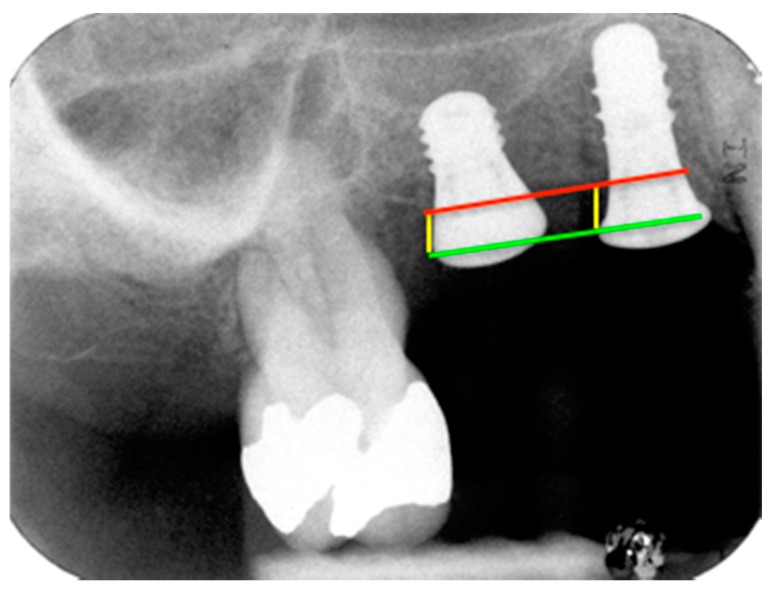
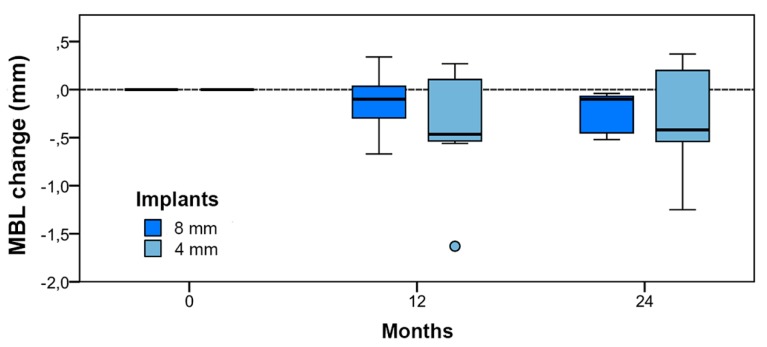
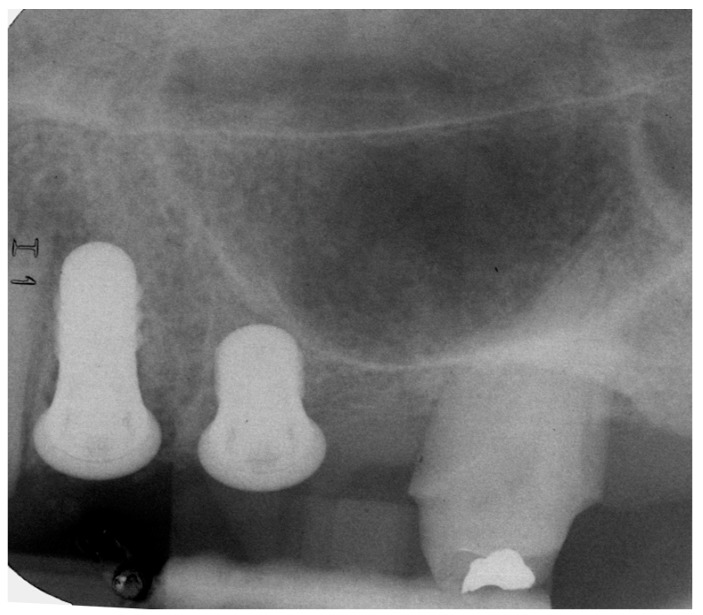
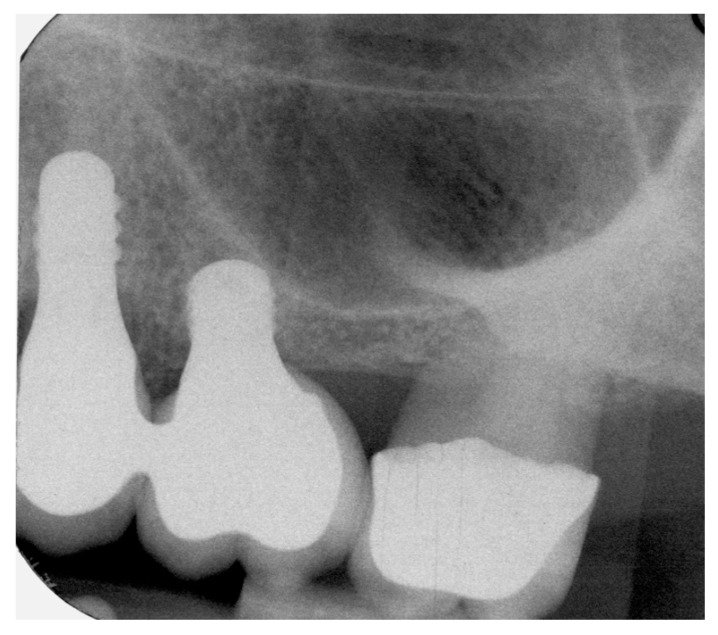
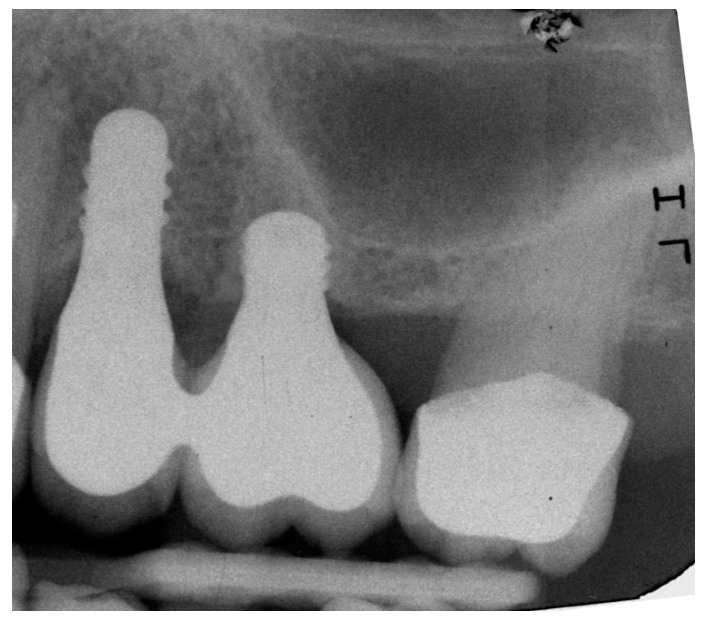
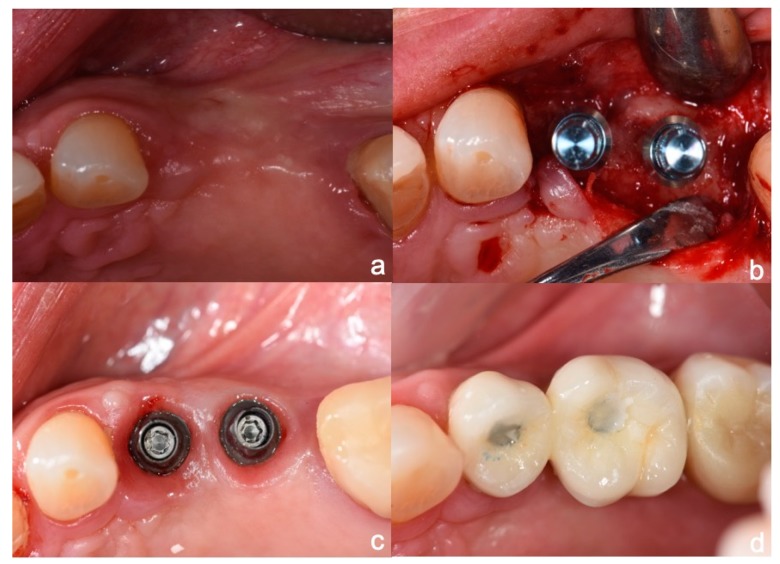
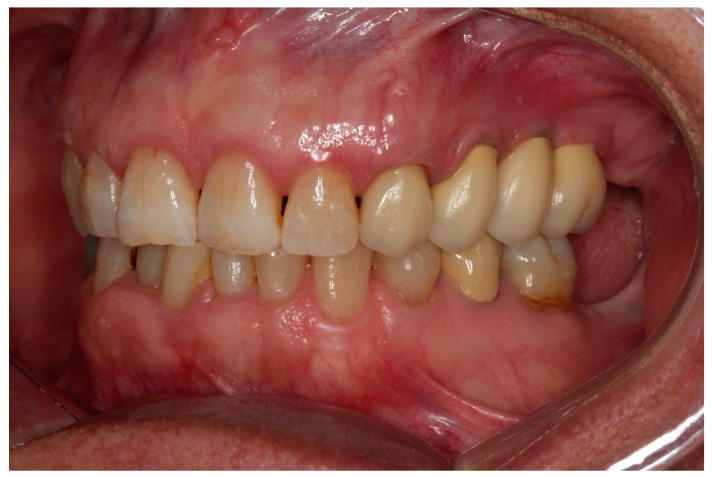
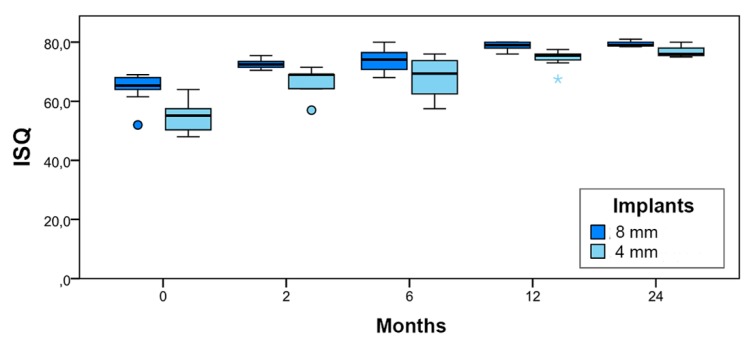
In many clinical situations, rehabilitation with implants in the posterior maxillary region is complicated by limited bone availability. In this context, the use of 4 mm long implants (known as extra-short implants) may be used thanks to the concept of osseointegration enhancement. It has been demonstrated that short implants offer an alternative to the regeneration procedures involved in placing longer implants in areas where bone height is compromised. This prospective pilot study tested a treatment protocol in which 11 extra-short (4 mm) implants were splinted to 11 mesially placed longer (8 mm) implants in the posterior maxillary regions of partially edentulous patients, without using supplementary bone regeneration procedures. Eleven patients were included in this single cohort study. The clinical performance of the extra-short implants was assessed during a two-year follow-up period, obtaining a 100% survival rate and mean bone loss of 0.3 mm. Implant stability measured by resonance frequency analysis (RFA) at the time of placement was 54.9 ± 4.9, increasing to 77.0 ± 2.6 at 24 months. The study demonstrated the gradual consolidation of osseointegration in bone of less-than-ideal quality in the posterior maxillary region. The results obtained show that a partially edentulous maxilla with reduced bone height may be rehabilitated by using an extra-short implant splinted to a mesial implant of 8mm length or longer. Despite the small sample size, this pilot study observed that extra-short implants achieved adequate bone stability and clinical performance after a 24-month follow-up.
在许多临床情况下,上颌后牙区植入种植体进行修复时,由于骨量有限而变得复杂。在这种情况下,由于骨结合增强的概念,可以使用4毫米长的种植体(称为超短种植体)。已经证明,在骨高度不足的区域,短种植体为植入较长种植体所需的骨再生程序提供了一种替代方案。这项前瞻性试点研究测试了一种治疗方案,即在部分无牙患者的上颌后牙区,将11颗超短(4毫米)种植体与11颗近中放置的较长(8毫米)种植体进行夹板固定,且不使用补充性骨再生程序。该单队列研究纳入了11名患者。在两年的随访期内评估了超短种植体的临床表现,其生存率为100%,平均骨吸收为0.3毫米。种植体植入时通过共振频率分析(RFA)测量的种植体稳定性为54.9±4.9,在24个月时增加到77.0±2.6。该研究证明了上颌后牙区骨质量不理想的情况下骨结合的逐渐巩固。获得的结果表明,骨高度降低的部分无牙上颌可以通过将超短种植体与8毫米或更长的近中种植体进行夹板固定来修复。尽管样本量较小,但这项试点研究观察到,超短种植体在24个月的随访后获得了足够的骨稳定性和临床表现。