Center for Translational Research in Hematologic Malignancies, Houston Methodist Cancer Center/Houston Methodist Research Institute, Houston Methodist, Houston, Texas.
Cancer Res. 2020 Apr 1;80(7):1438-1450. doi: 10.1158/0008-5472.CAN-19-2994. Epub 2020 Feb 3.
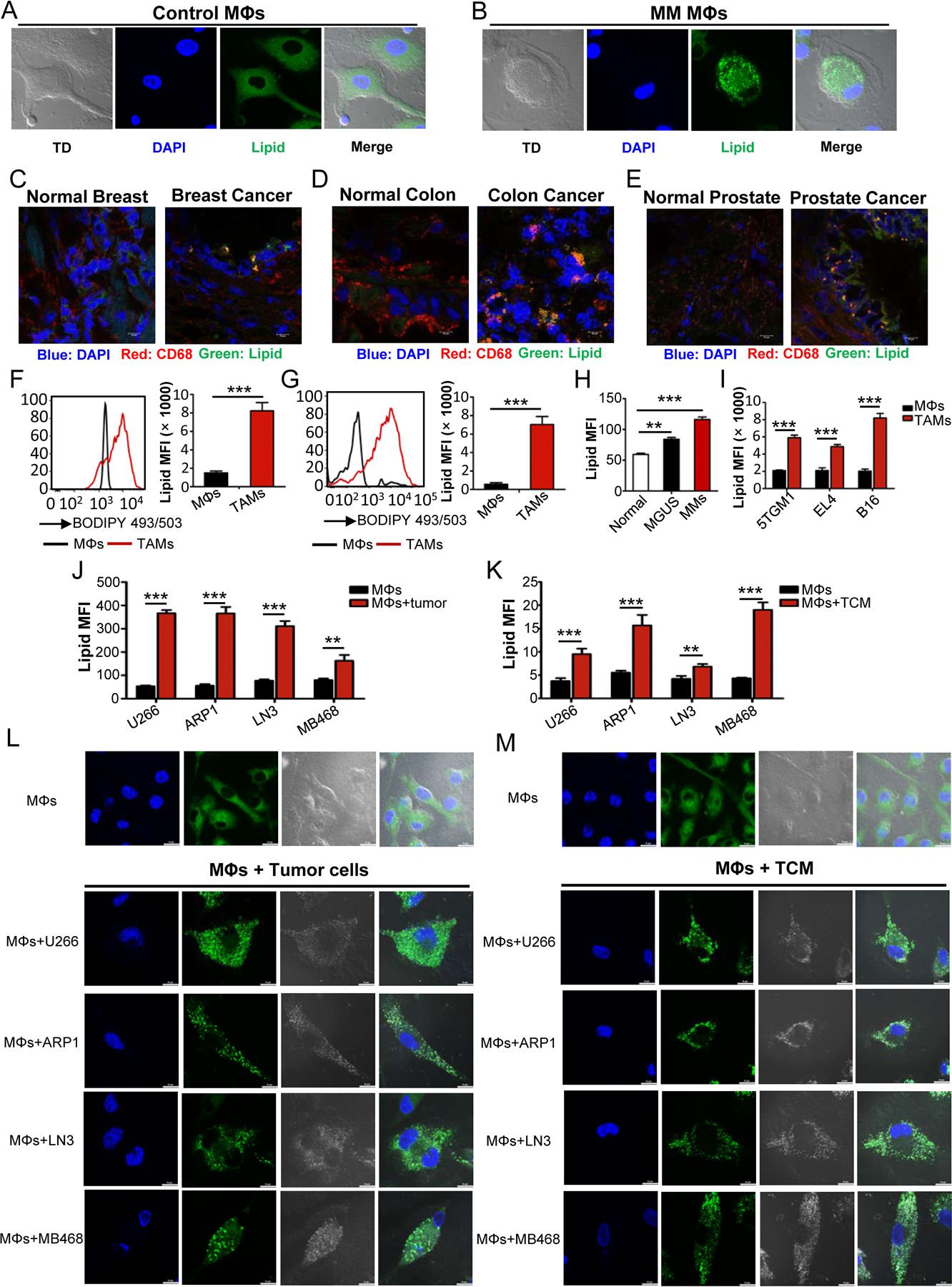
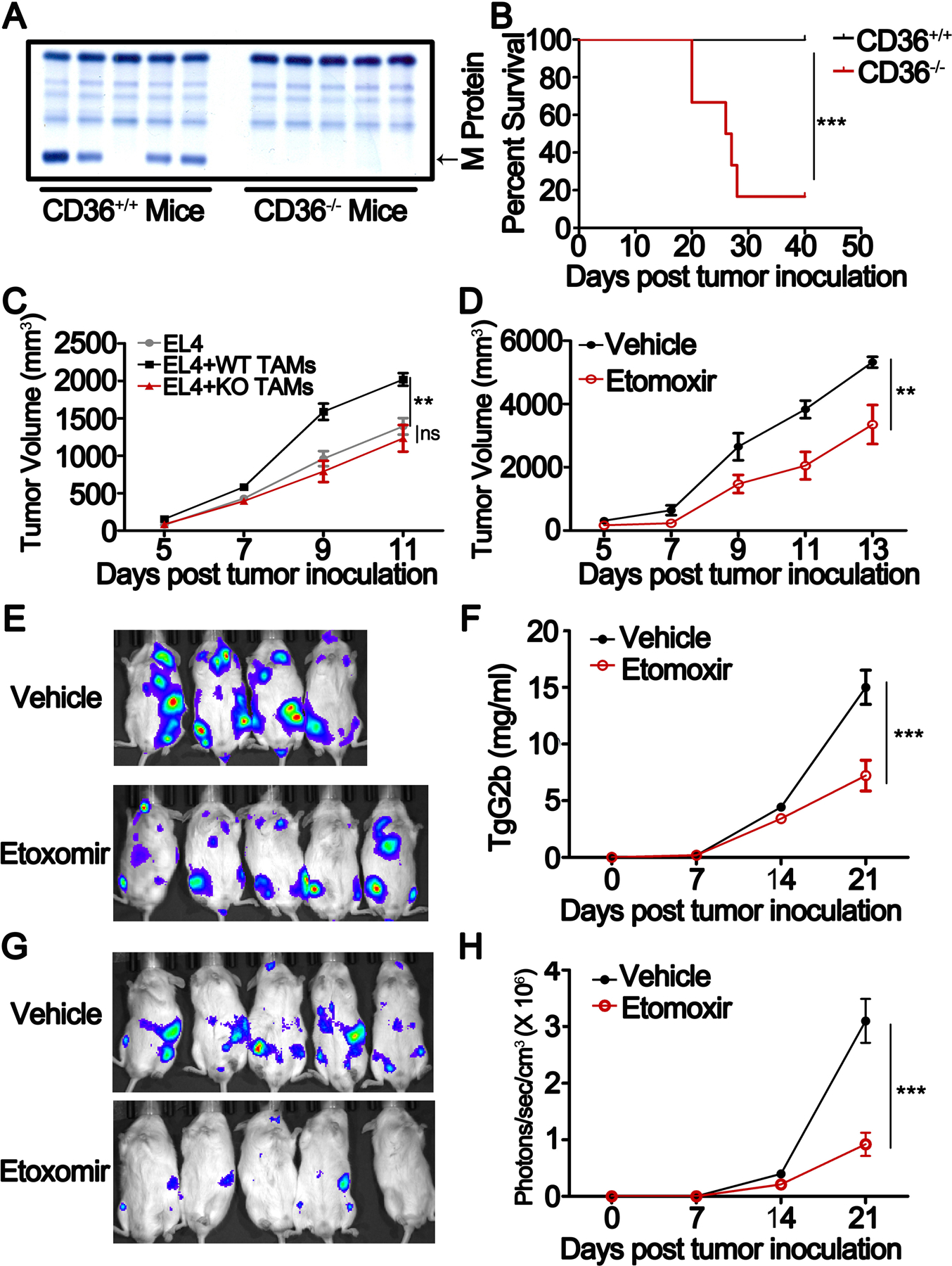
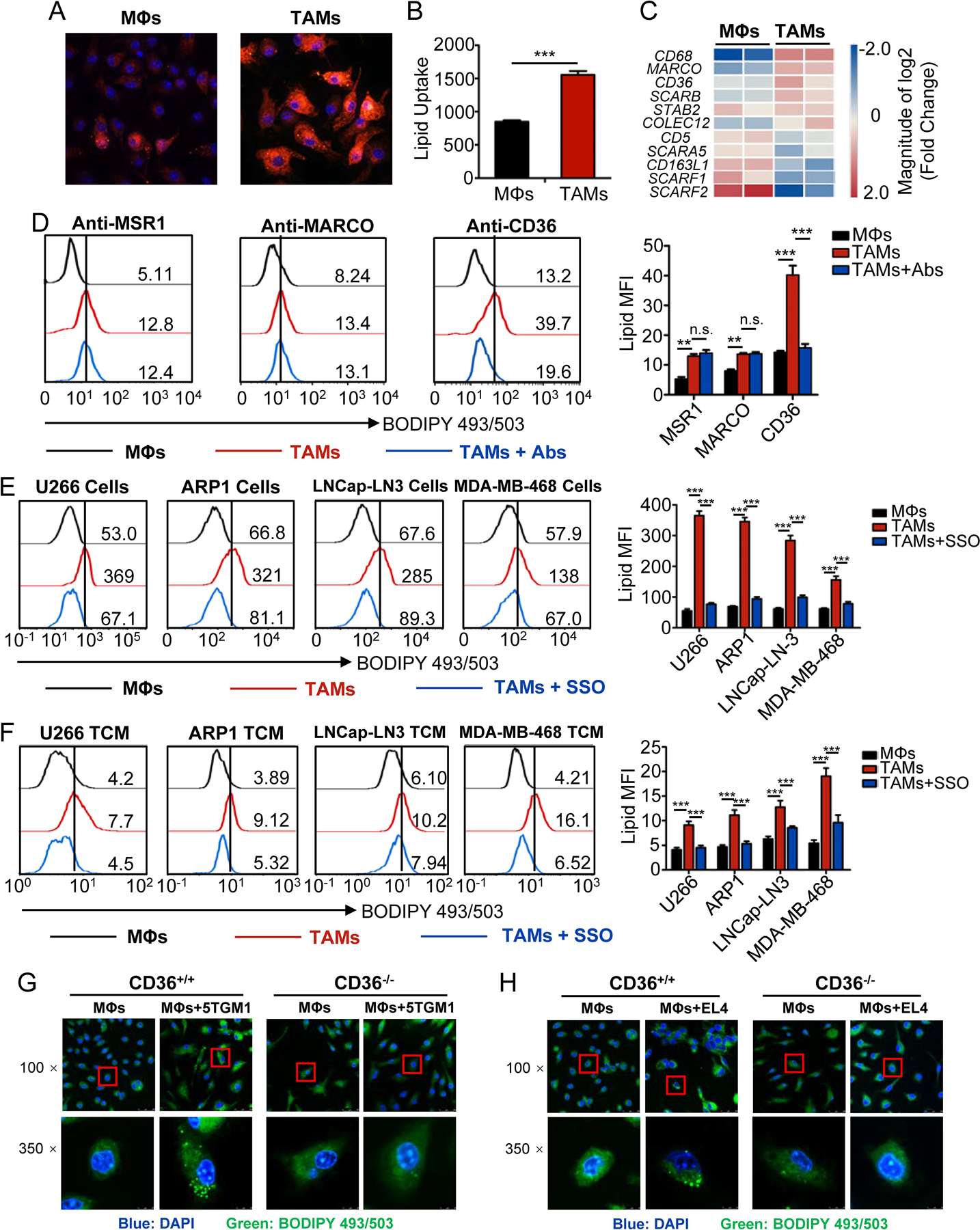
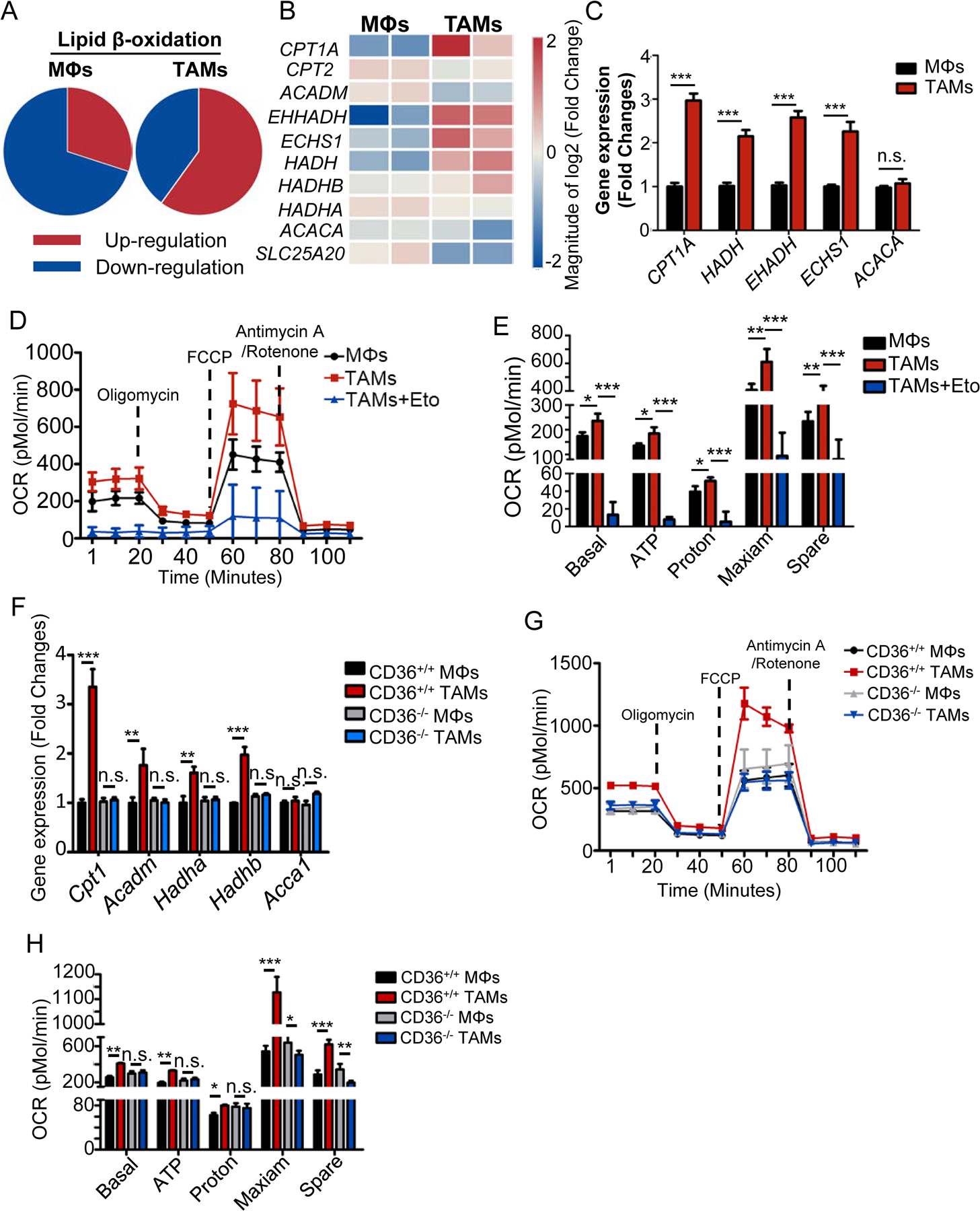
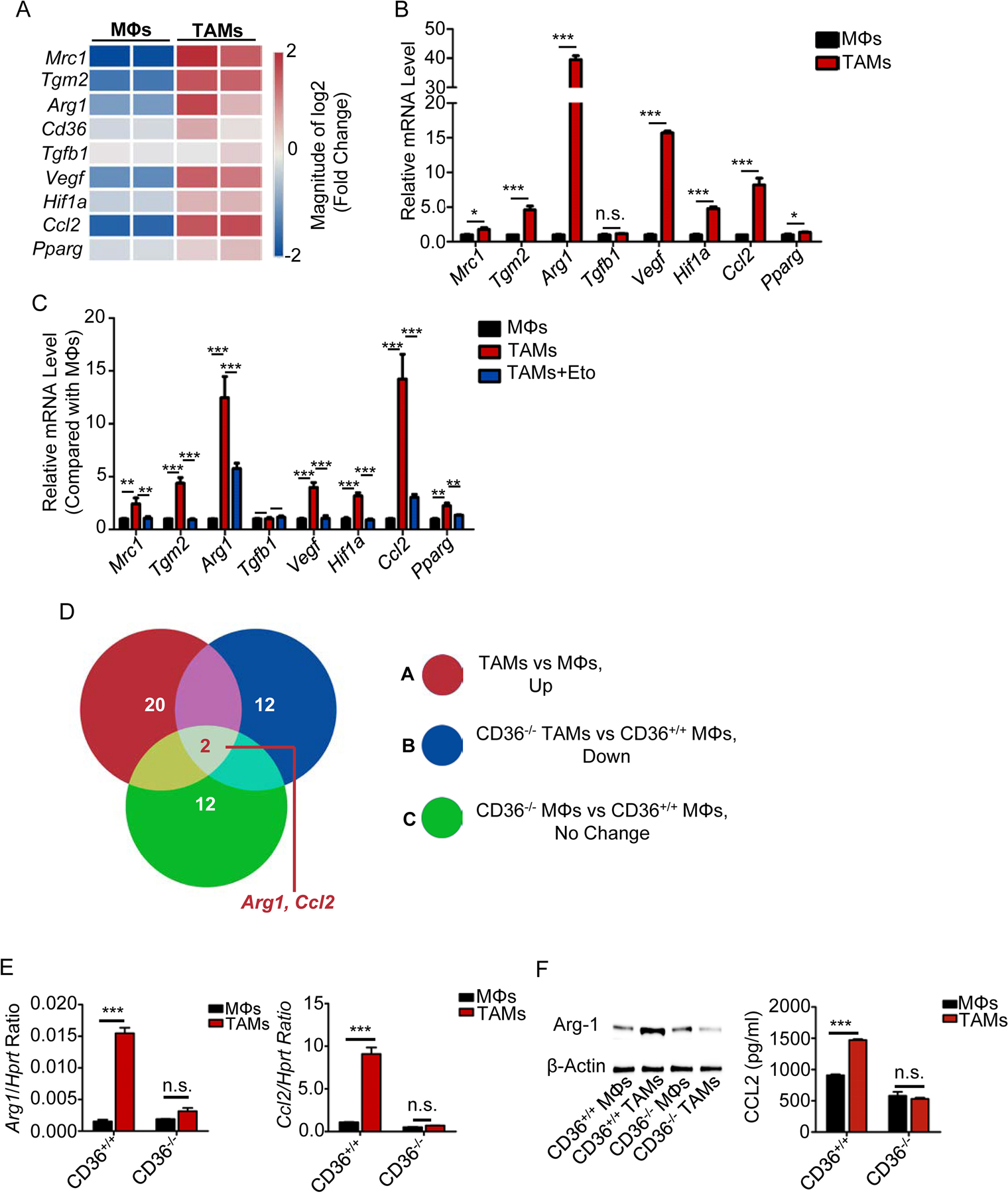
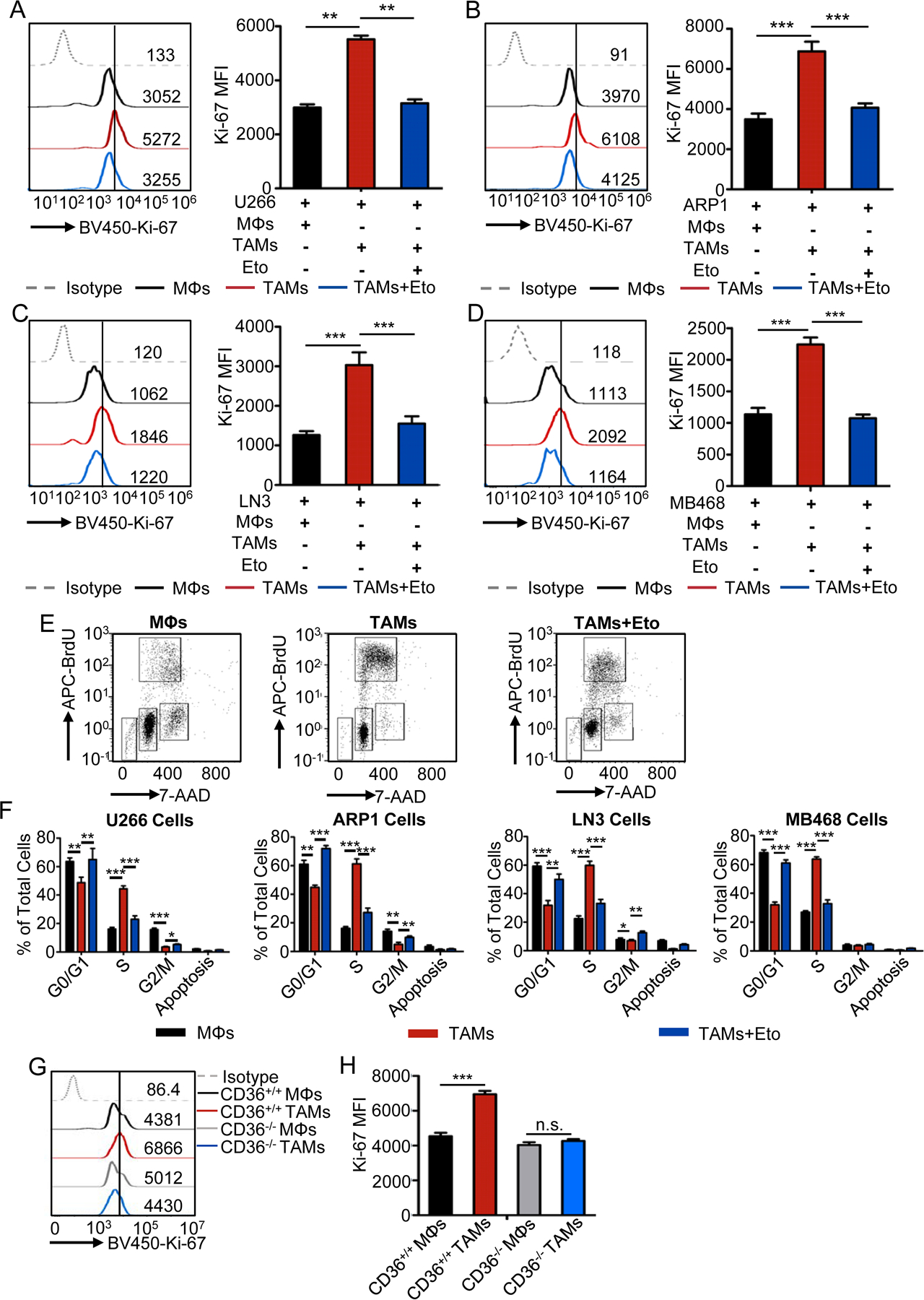
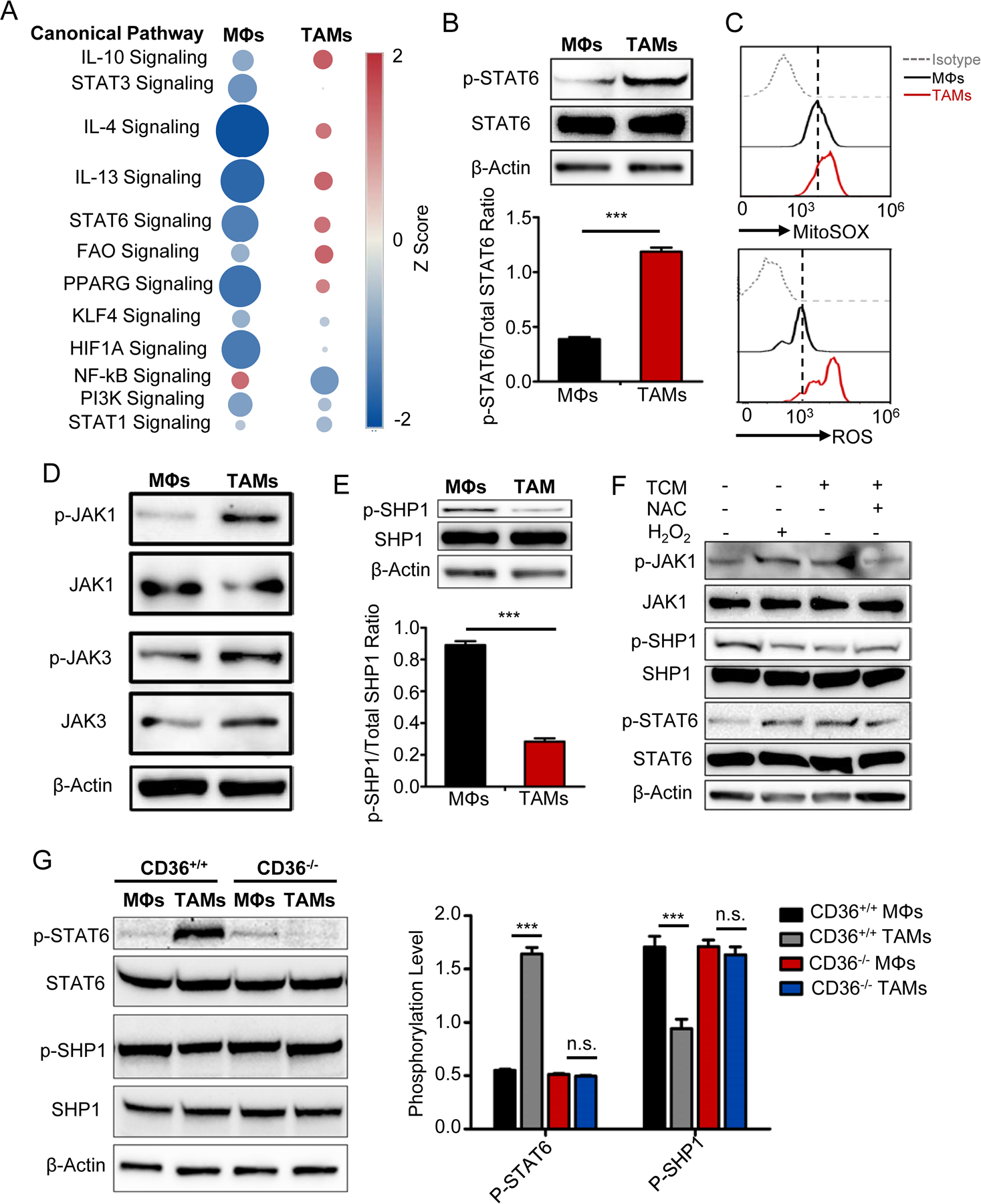
Tumor-associated macrophages (TAM) are important tumor-promoting cells. However, the mechanisms underlying how the tumor and its microenvironment reprogram these cells remain elusive. Here we report that lipids play a crucial role in generating TAMs in the tumor microenvironment (TME). Macrophages from both human and murine tumor tissues were enriched with lipids due to increased lipid uptake by macrophages. TAMs expressed elevated levels of the scavenger receptor CD36, accumulated lipids, and used fatty acid oxidation (FAO) instead of glycolysis for energy. High levels of FAO promoted mitochondrial oxidative phosphorylation, production of reactive oxygen species, phosphorylation of JAK1, and dephosphorylation of SHP1, leading to STAT6 activation and transcription of genes that regulate TAM generation and function. These processes were critical for TAM polarization and activity, both and . In summary, we highlight the importance of lipid metabolism in the differentiation and function of protumor TAMs in the TME. SIGNIFICANCE: This study highlights the role of lipid metabolism in the differentiation and function of TAMs and suggests targeting TAM fatty acid oxidation as a potential therapeutic modality for human cancers.
肿瘤相关巨噬细胞(TAM)是重要的肿瘤促进细胞。然而,肿瘤及其微环境如何重新编程这些细胞的机制仍不清楚。在这里,我们报告脂质在肿瘤微环境(TME)中产生 TAM 中起着关键作用。由于巨噬细胞摄取脂质增加,来自人和鼠肿瘤组织的巨噬细胞富含脂质。TAM 表达高水平的清道夫受体 CD36,积累脂质,并利用脂肪酸氧化(FAO)而不是糖酵解来获取能量。高水平的 FAO 促进线粒体氧化磷酸化、活性氧的产生、JAK1 的磷酸化和 SHP1 的去磷酸化,导致 STAT6 激活和调节 TAM 生成和功能的基因转录。这些过程对于 TAM 的极化和活性都是至关重要的。总之,我们强调了脂质代谢在 TME 中促肿瘤 TAM 的分化和功能中的重要性。
本研究强调了脂质代谢在 TAM 的分化和功能中的作用,并提示靶向 TAM 脂肪酸氧化可能是人类癌症的一种潜在治疗模式。