Thayer Zaneta M, Rutherford Julienne, Kuzawa Christopher W
Department of Anthropology, Dartmouth College, Hinman Box 6047, Hanover, NH 03755, USA.
Department of Women, Children and Family Health Science, University of Illinois Chicago, 845 S. Damen Ave., MC 802, Chicago, IL 60612, USA.
Evol Med Public Health. 2020 Jan 21;2020(1):14-27. doi: 10.1093/emph/eoz037. eCollection 2020.
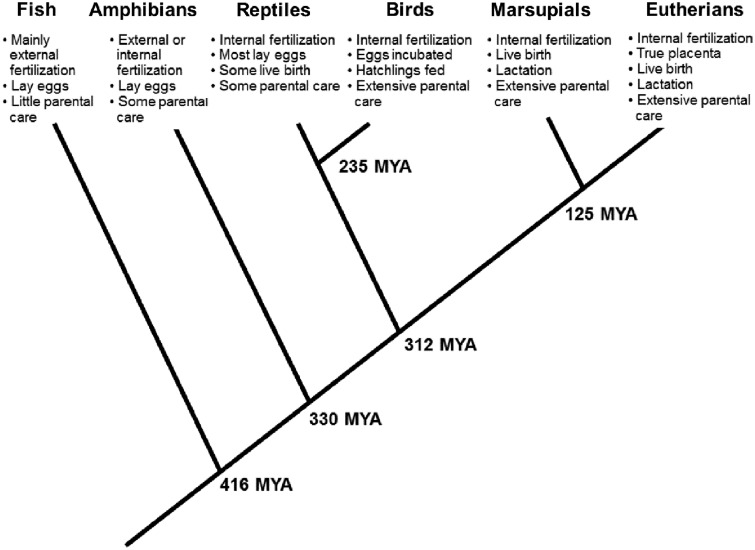
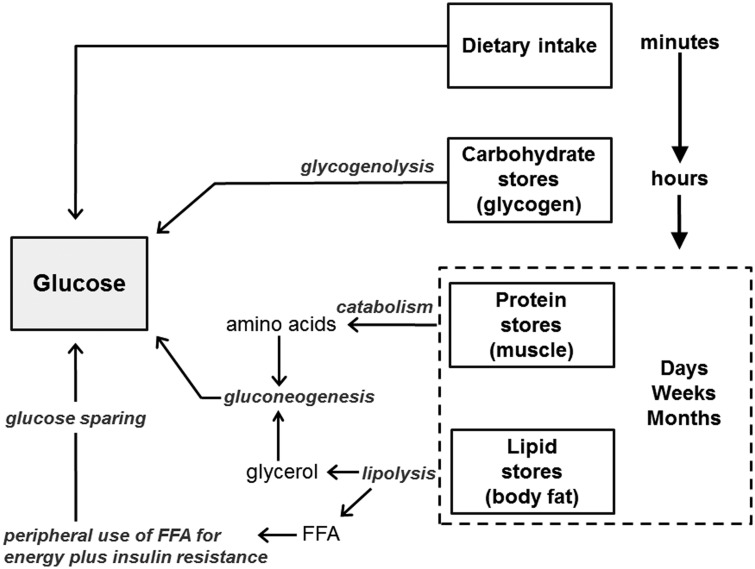
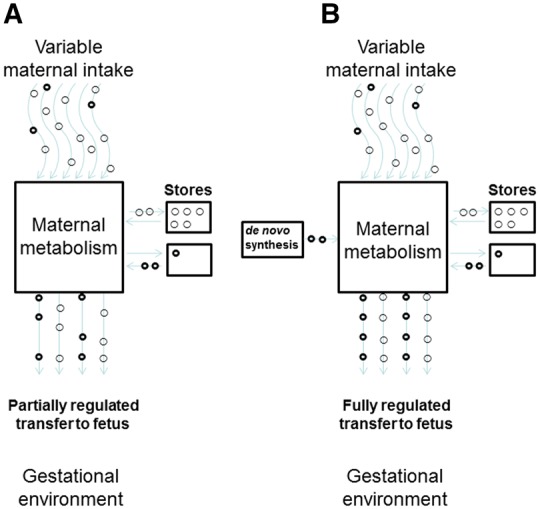
Evidence that fetal nutrition influences adult health has heightened interest in nutritional interventions targeting pregnancy. However, as is true for other placental mammals, human females have evolved mechanisms that help buffer the fetus against short-term fluctuations in maternal diet and energy status. In this review, we first discuss the evolution of increasingly elaborate vertebrate strategies of buffering offspring from environmental fluctuations during development, including the important innovation of the eutherian placenta. We then present the Maternal Nutritional Buffering Model, which argues that, in contrast to many micronutrients that must be derived from dietary sources, the effects of short-term changes in maternal macronutrient intake during pregnancy, whether due to a deficit or supplementation, will be minimized by internal buffering mechanisms that work to ensure a stable supply of essential resources. In contrast to the minimal effects of brief macronutrient supplementation, there is growing evidence that sustained improvements in early life and adult pre-pregnancy nutrition could improve birth outcomes in offspring. Building on these and other observations, we propose that strategies to improve fetal macronutrient delivery will be most effective if they modify the pregnancy metabolism of mothers by targeting nutrition prior to conception and even during early development, as a complement to the conventional focus on bolstering macronutrient intake during pregnancy itself. Our model leads to the prediction that birth weight will be more strongly influenced by the mother's chronic pre-pregnancy nutrition than by pregnancy diet, and highlights the need for policy solutions aimed at optimizing future, intergenerational health outcomes. Lay summary: We propose that strategies to improve fetal macronutrient delivery will be most effective if they modify the pregnancy metabolism of mothers by targeting nutrition prior to conception and even during early development, as a complement to the conventional focus on bolstering macronutrient intake during pregnancy itself.
胎儿营养会影响成人健康,这一证据引发了人们对针对孕期营养干预措施的更多关注。然而,与其他胎盘哺乳动物一样,人类女性已经进化出一些机制,有助于缓冲胎儿免受母体饮食和能量状态短期波动的影响。在这篇综述中,我们首先讨论了脊椎动物在发育过程中缓冲后代免受环境波动影响的策略日益精细的演变,包括真兽类胎盘这一重要创新。然后我们提出了母体营养缓冲模型,该模型认为,与许多必须从饮食来源获取的微量营养素不同,孕期母体宏量营养素摄入量的短期变化,无论是由于缺乏还是补充,其影响都会通过内部缓冲机制降至最低,这些机制致力于确保必需资源的稳定供应。与短暂补充宏量营养素的微小影响形成对比的是,越来越多的证据表明,早期生活和成人孕前营养的持续改善可以改善后代的出生结局。基于这些及其他观察结果,我们提出,如果通过在受孕前甚至早期发育阶段就针对营养进行干预来改变母亲的孕期新陈代谢,以此作为对传统上专注于在孕期本身增加宏量营养素摄入量的补充,那么改善胎儿宏量营养素供应的策略将最为有效。我们的模型预测,出生体重受母亲孕前长期营养的影响将比孕期饮食的影响更大,并强调需要制定政策解决方案以优化未来的代际健康结局。通俗总结:我们提出,如果通过在受孕前甚至早期发育阶段就针对营养进行干预来改变母亲的孕期新陈代谢,以此作为对传统上专注于在孕期本身增加宏量营养素摄入量的补充,那么改善胎儿宏量营养素供应的策略将最为有效。