Wilson Rachel, Dumuid Dorothea, Olds Tim, Evans John
Sydney School of Education & Social Work, Education Building A35, University of Sydney, NSW, 2006, Australia.
Alliance for Research in Exercise, Nutrition and Activity (ARENA), City East Campus, Frome Road, University of South Australia, GPO Box 2471, Adelaide, SA, 5001, Australia.
SSM Popul Health. 2020 Jan 9;10:100535. doi: 10.1016/j.ssmph.2019.100535. eCollection 2020 Apr.
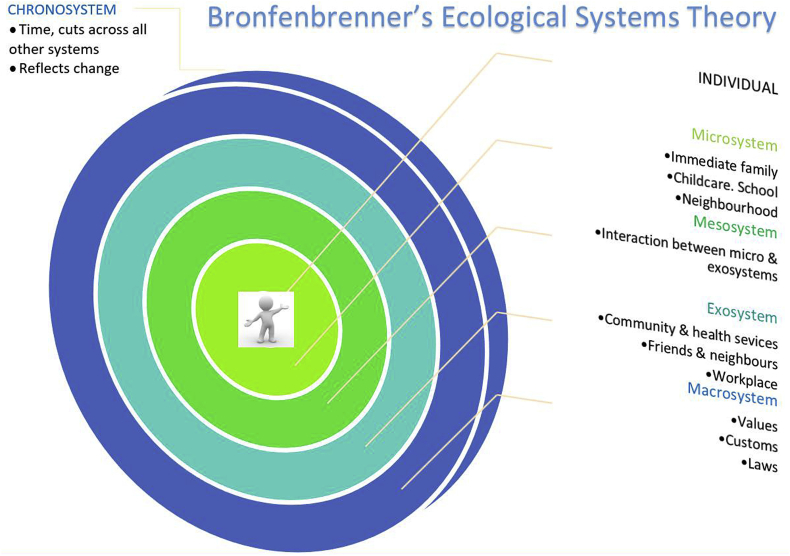
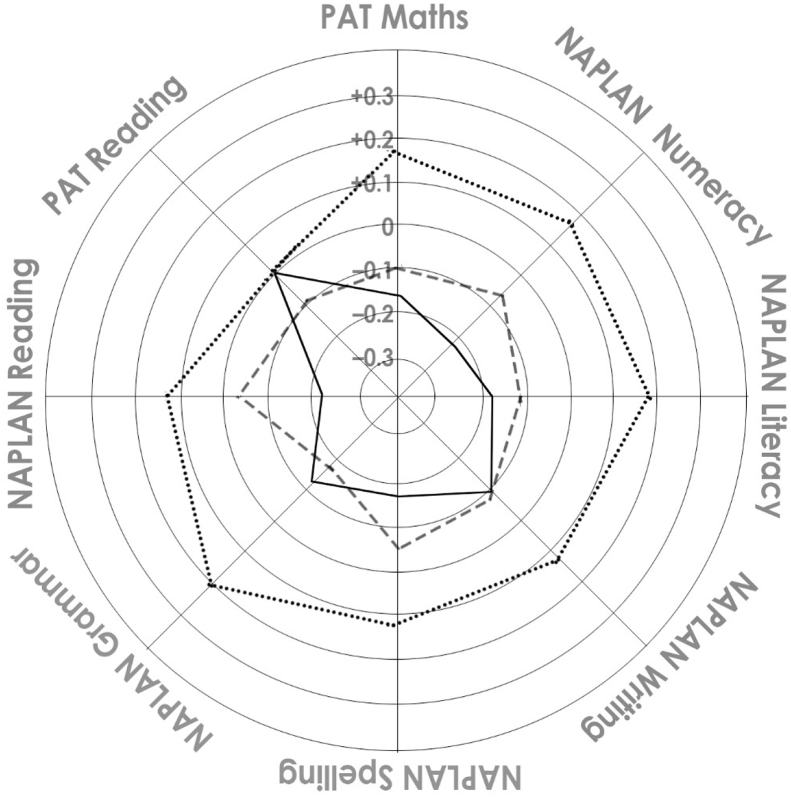
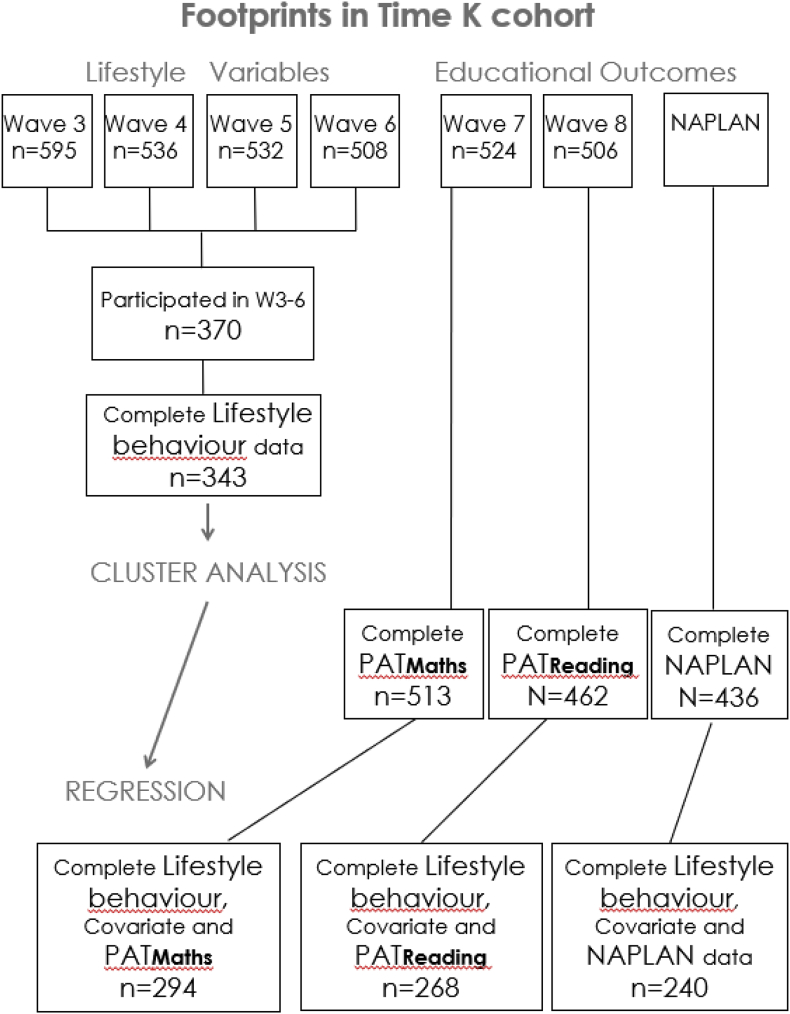
Participation in sport and physical activity can improve academic outcomes and has been identified as a potential mechanism for addressing educational disadvantage and 'closing the gap' in Australian Indigenous communities. To explore this possibility in relation to sport and lifestyle we performed a cluster analysis on data from the Footprints in Time study (also known as the Longitudinal Study of Indigenous Children), using data from Waves 3-6 (2010-2013, ages 5-9 years) of this cohort study. Cluster inputs were organised according to not only sports participation, but also screen time, sleep duration and unhealthy food intake, as reported in parent surveys. Associations between lifestyle cluster membership and academic outcomes from standardised tests from 2014-5 (Progressive Achievement Tests [PATs] for Maths and Reading, and National Assessment Program for Literacy and Numeracy [NAPLAN]) were examined using linear models. Analyses were adjusted for age, sex, remoteness and parental education. Three clusters were identified: (36% of sample), characterised by low sports participation and low sleep duration; (21% of sample), with high screen time and high intake of unhealthy foods; and (43% of sample), showing high sports participation and low screen time. Cluster membership was associated with academic performance for NAPLAN Literacy and Numeracy, and for PAT Maths. The cluster consistently performed better on these tests, with effect sizes (standardised mean differences) ranging from 0.10 to 0.38. We discuss the ecological dynamics potentially contributing to lifestyle cluster membership and ways in which policy can support healthier lifestyles associated with better academic performance.
参与体育运动和身体活动可以提高学业成绩,并且已被确定为解决澳大利亚原住民社区教育劣势和“缩小差距”的一种潜在机制。为了探讨体育运动与生活方式之间的这种可能性,我们对“时间足迹研究”(也称为“原住民儿童纵向研究”)的数据进行了聚类分析,使用了该队列研究第3 - 6波(2010 - 2013年,5 - 9岁)的数据。聚类输入不仅根据体育活动参与情况进行组织,还根据家长调查中报告的屏幕使用时间、睡眠时间和不健康食品摄入量进行组织。使用线性模型检验了生活方式聚类成员与2014 - 2015年标准化测试(数学和阅读的渐进成就测试[PATs]以及全国读写和算术评估计划[NAPLAN])学业成绩之间的关联。分析针对年龄、性别、居住偏远程度和父母教育程度进行了调整。确定了三个聚类:(占样本的36%),其特征是体育活动参与度低和睡眠时间短;(占样本的21%),屏幕使用时间长且不健康食品摄入量高;以及(占样本的43%),体育活动参与度高且屏幕使用时间短。聚类成员与NAPLAN读写和算术以及PAT数学的学业成绩相关。聚类在这些测试中始终表现更好,效应大小(标准化平均差异)范围为0.10至0.38。我们讨论了可能导致生活方式聚类成员的生态动态以及政策可以支持与更好学业成绩相关的更健康生活方式的方式。