Department of Pediatric Hematology-Oncology, Boston Children's Hospital and Dana Farber Cancer Institute, Harvard Medical School, Boston, MA 02115, USA.
Harvard Stem Cell Institute, Cambridge, MA 02138, USA.
Mol Cells. 2020 Feb 29;43(2):99-106. doi: 10.14348/molcells.2019.0304.
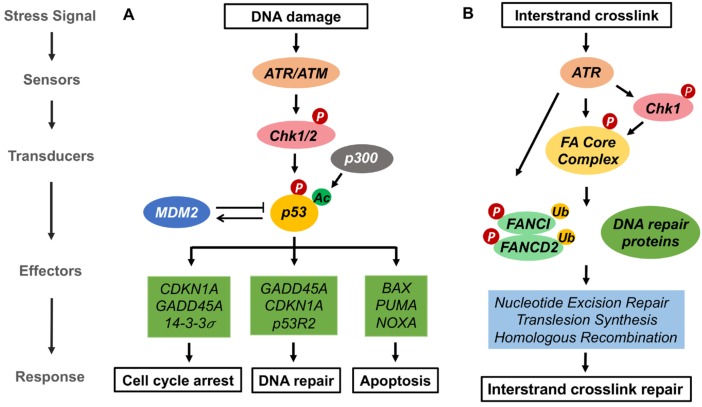
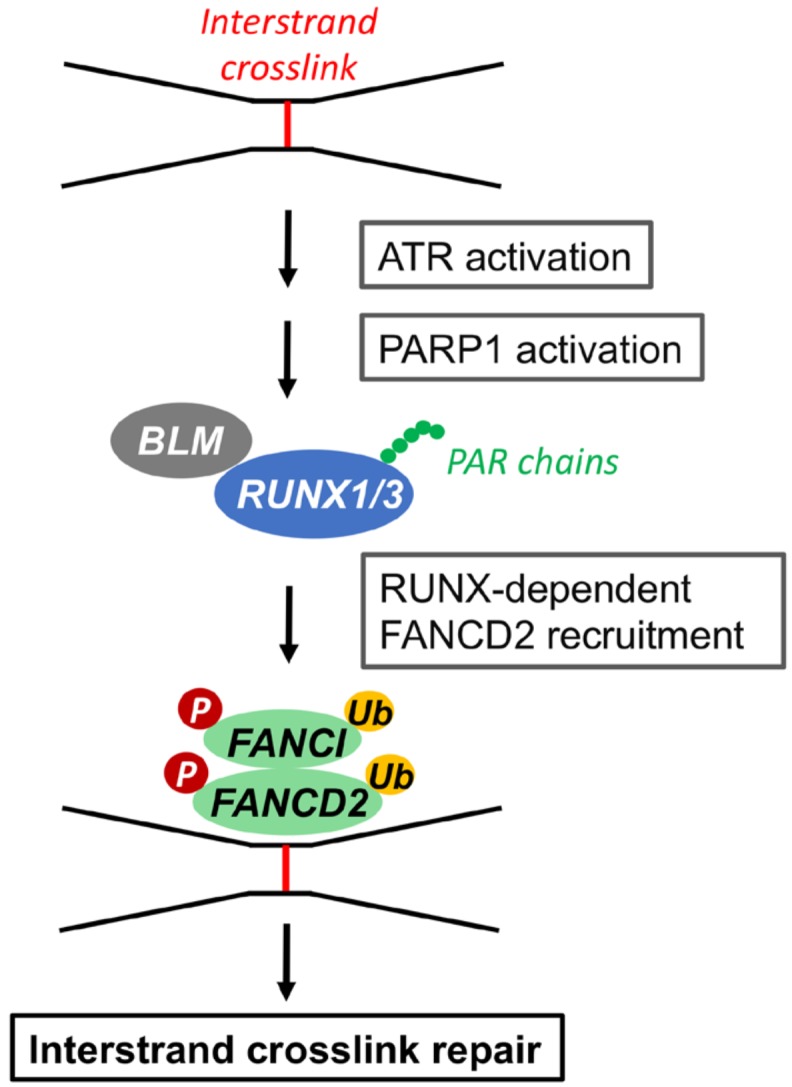
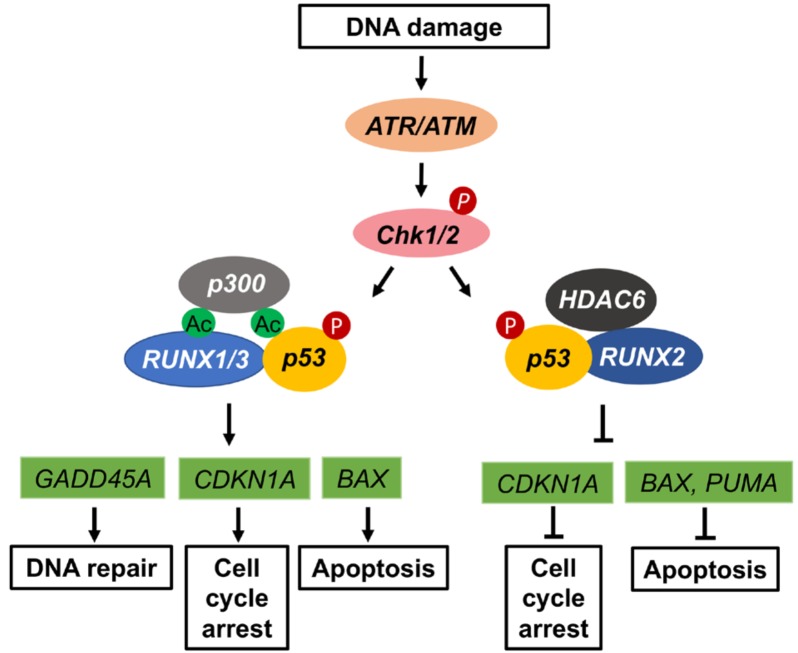
Cells are constantly exposed to endogenous and exogenous stresses that can result in DNA damage. In response, they have evolved complex pathways to maintain genomic integrity. RUNX family transcription factors (RUNX1, RUNX2, and RUNX3 in mammals) are master regulators of development and differentiation, and are frequently dysregulated in cancer. A growing body of research also implicates RUNX proteins as regulators of the DNA damage response, often acting in conjunction with the p53 and Fanconi anemia pathways. In this review, we discuss the functional role and mechanisms involved in RUNX factor mediated response to DNA damage and other cellular stresses. We highlight the impact of these new findings on our understanding of cancer predisposition associated with RUNX factor dysregulation and their implications for designing novel approaches to prevent cancer formation in affected individuals.
细胞不断受到内源性和外源性压力的影响,这些压力可能导致 DNA 损伤。为了应对这些压力,细胞进化出了复杂的途径来维持基因组的完整性。RUNX 家族转录因子(哺乳动物中的 RUNX1、RUNX2 和 RUNX3)是发育和分化的主要调控因子,在癌症中经常失调。越来越多的研究还表明 RUNX 蛋白是 DNA 损伤反应的调节因子,通常与 p53 和范可尼贫血途径协同作用。在这篇综述中,我们讨论了 RUNX 因子在介导 DNA 损伤和其他细胞应激反应中的功能作用和机制。我们强调了这些新发现对我们理解与 RUNX 因子失调相关的癌症易感性的影响,以及它们对设计预防受影响个体癌症形成的新方法的意义。