Reuter Monika, Kruger Detlev H
Institute of Virology, Helmut-Ruska-Haus, Charité - Universitätsmedizin Berlin, Corporate Member of Freie Universität Berlin, Humboldt-Universität Zu Berlin, and Berlin Institute of Health, Charitéplatz 1, 10117, Berlin, Germany.
Virus Genes. 2020 Apr;56(2):136-149. doi: 10.1007/s11262-020-01735-7. Epub 2020 Feb 8.
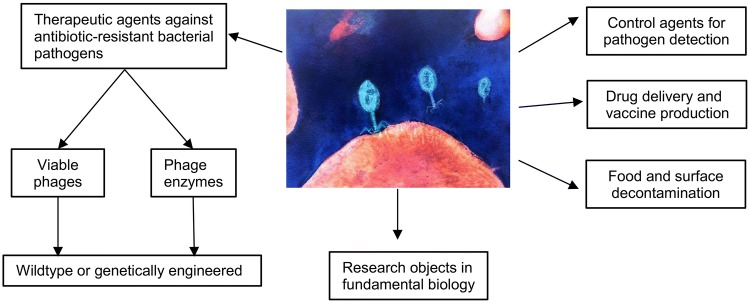
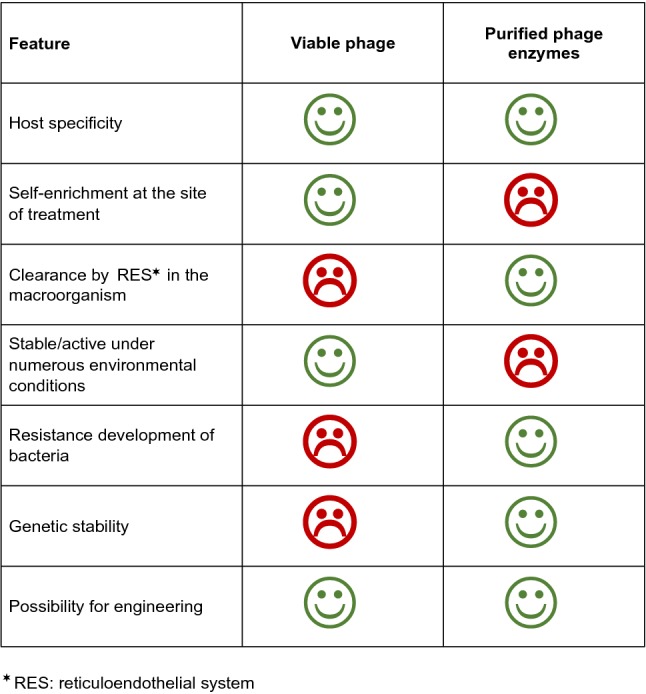
The emerging occurrence of antibiotic-resistant bacterial pathogens leads to a recollection of bacteriophage as antimicrobial therapeutics. This article presents a short overview of the clinical phage application including their use in military medicine and discusses the genotypic and phenotypic properties of a potential "ideal" therapeutic phage. We describe current efforts to engineer phage for their improved usability in pathogen treatment. In addition, phage can be applied for pathogen detection, selective drug delivery, vaccine development, or food and surface decontamination. Instead of viable phage, (engineered) phage-derived enzymes, such as polysaccharide depolymerases or peptidoglycan-degrading enzymes, are considered as promising therapeutic candidates. Finally, we briefly summarize the use of phage for the detection and treatment of "Category A priority pathogens".
抗生素耐药性细菌病原体的不断出现,使得人们重新想起将噬菌体作为抗菌疗法。本文简要概述了噬菌体在临床中的应用,包括其在军事医学中的应用,并讨论了潜在“理想”治疗性噬菌体的基因型和表型特性。我们描述了目前为使噬菌体在病原体治疗中更易于使用而进行的工程改造努力。此外,噬菌体可用于病原体检测、选择性药物递送、疫苗开发或食品及表面去污。除了活噬菌体,(工程化的)噬菌体衍生酶,如多糖解聚酶或肽聚糖降解酶,也被认为是有前景的治疗候选物。最后,我们简要总结了噬菌体在“A类优先病原体”检测和治疗中的应用。