Department of Rheumatology, Royal Hospital, Muscat, Oman.
Centre for Experimental Medicine and Rheumatology, Queen Mary University of London, London, United Kingdom.
Lupus. 2020 Apr;29(4):355-363. doi: 10.1177/0961203320903798. Epub 2020 Feb 9.
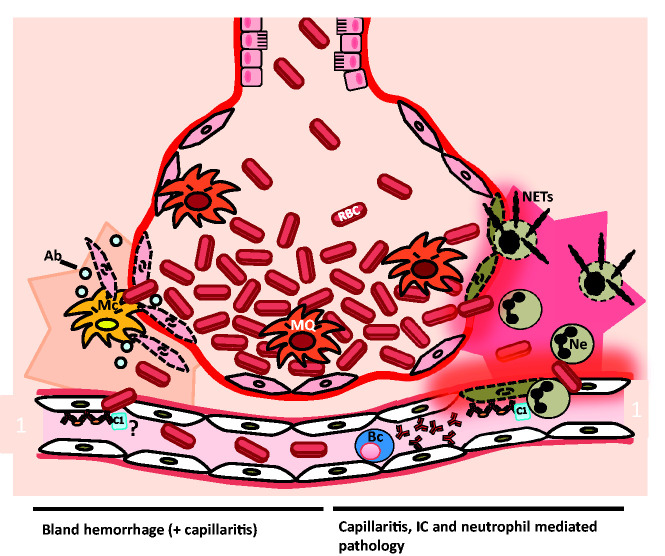
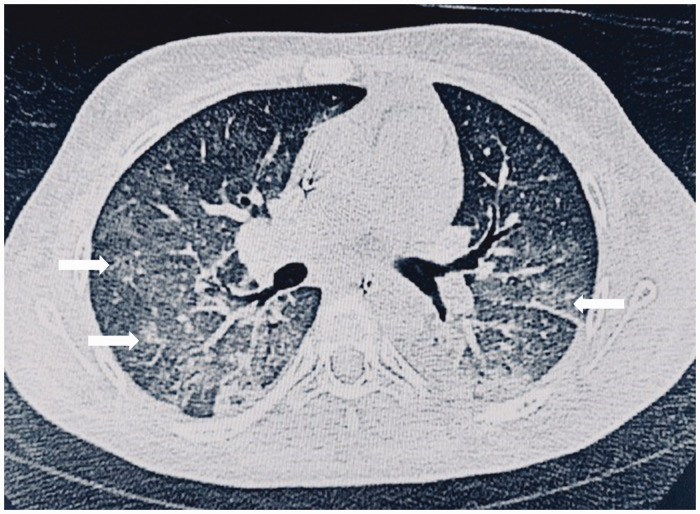
Diffuse alveolar hemorrhage is a severe respiratory complication of systemic lupus erythematosus. The illness develops over hours to a few days and is the systemic lupus erythematosus-associated syndrome with highest mortality. Although no specific symptoms have been identified, a number of features are associated with diffuse alveolar hemorrhage, with a drop in blood hemoglobin the most prominent. Dyspnea, blood-stained sputum, diffuse infiltrates identified by chest imaging, elevated single breath-diffusing capacity for monoxide, thrombocytopenia and C3 hypocomplementemia are other commonly reported signs of diffuse alveolar hemorrhage. The etiology is not completely understood but many patients develop diffuse alveolar hemorrhage concomitant with lupus nephritis, suggesting immune complex-driven pathology. Biopsy studies have identified both cases with capillaritis and a bland non-inflammatory phenotype. An animal model of diffuse alveolar hemorrhage has indicated requirement of B lymphocytes and complement receptor-mediated apoptotic body phagocytosis by monocytes as part of the pathogenesis. This review will discuss considerations when diagnosing the condition and available therapies. Infections and other causes of hemorrhage have to be excluded as these require different treatment strategies. Methylprednisolone and cyclophosphamide remain the most commonly used therapies. Plasmapheresis and rituximab are other beneficial treatment options. A few studies have also considered intrapulmonary Factor VII therapy, extracorporeal membrane oxygenation and mesenchymal stem cell therapy. There is an unmet need of better definition of diffuse alveolar hemorrhages etiology and pathology for development of improved treatment strategies.
弥漫性肺泡出血是系统性红斑狼疮的一种严重呼吸并发症。这种疾病在数小时到数天内发展,是系统性红斑狼疮相关综合征中死亡率最高的。虽然没有明确的特定症状,但弥漫性肺泡出血与许多特征相关,最突出的是血液血红蛋白下降。呼吸困难、血痰、胸部影像学显示弥漫性浸润、单口气弥散量一氧化碳升高、血小板减少和 C3 补体低血症是弥漫性肺泡出血的其他常见表现。病因不完全清楚,但许多患者在发生弥漫性肺泡出血的同时还伴有狼疮肾炎,提示免疫复合物驱动的病理学。活检研究已经确定了毛细血管炎和温和的非炎症表型两种情况。弥漫性肺泡出血的动物模型表明,B 淋巴细胞和补体受体介导的单核细胞对凋亡体的吞噬作用是发病机制的一部分。这篇综述将讨论诊断这种疾病的注意事项和可用的治疗方法。必须排除感染和其他出血原因,因为这些需要不同的治疗策略。甲泼尼龙和环磷酰胺仍然是最常用的治疗方法。血浆置换和利妥昔单抗也是其他有益的治疗选择。一些研究还考虑了肺内因子 VII 治疗、体外膜氧合和间充质干细胞治疗。对于弥漫性肺泡出血的病因和病理学的更好定义,以制定改进的治疗策略,仍存在未满足的需求。