The Key Laboratory of Oasis Eco-agriculture, Shihezi University College of Agriculture, Shihezi city, Xinjiang, 832003, China.
CSIRO Agriculture and Food, GPO Box 1700, Canberra, 2601, Australia.
BMC Genomics. 2020 Feb 12;21(1):155. doi: 10.1186/s12864-020-6448-9.
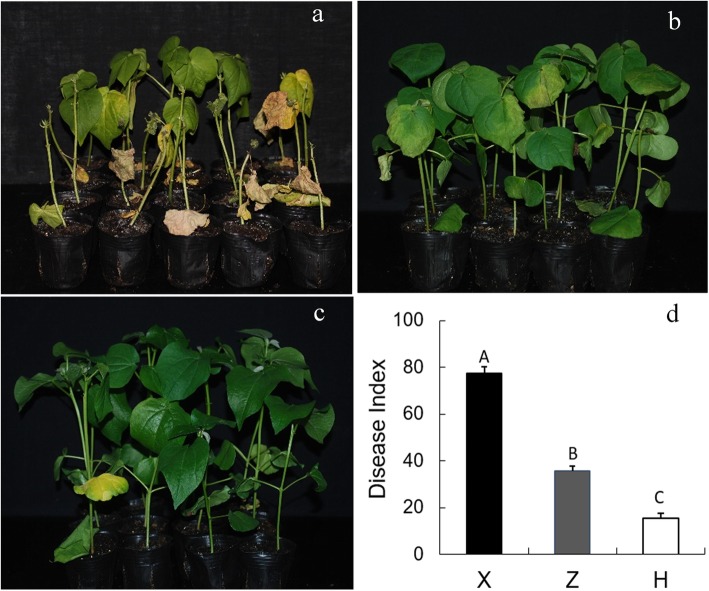
Cotton Verticillium wilt is one of the most devastating diseases for cotton production in the world. Although this diseases have been widely studied at the molecular level from pathogens, the molecular basis of V. dahliae interacted with cotton has not been well examined.
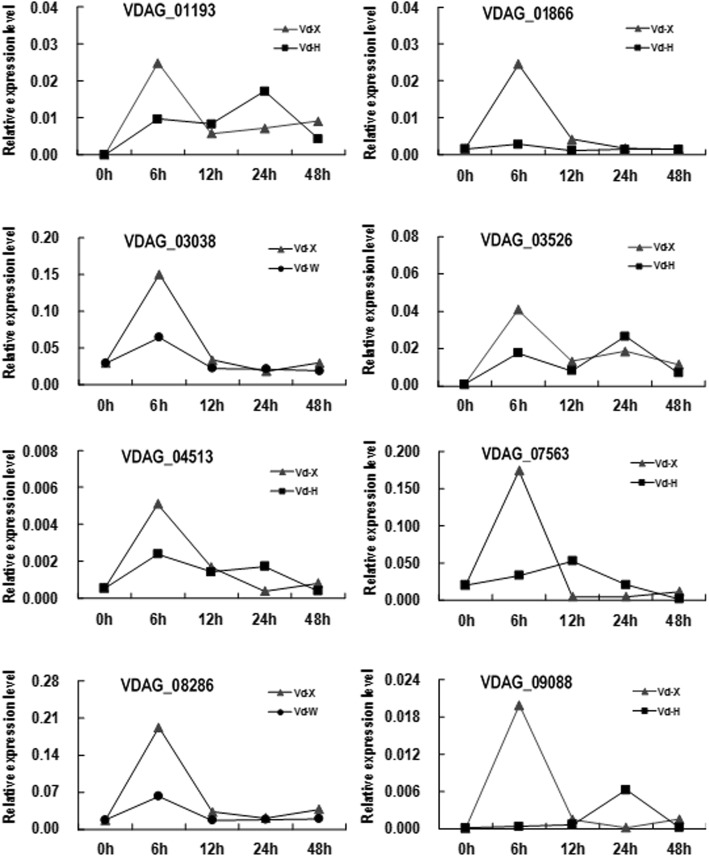
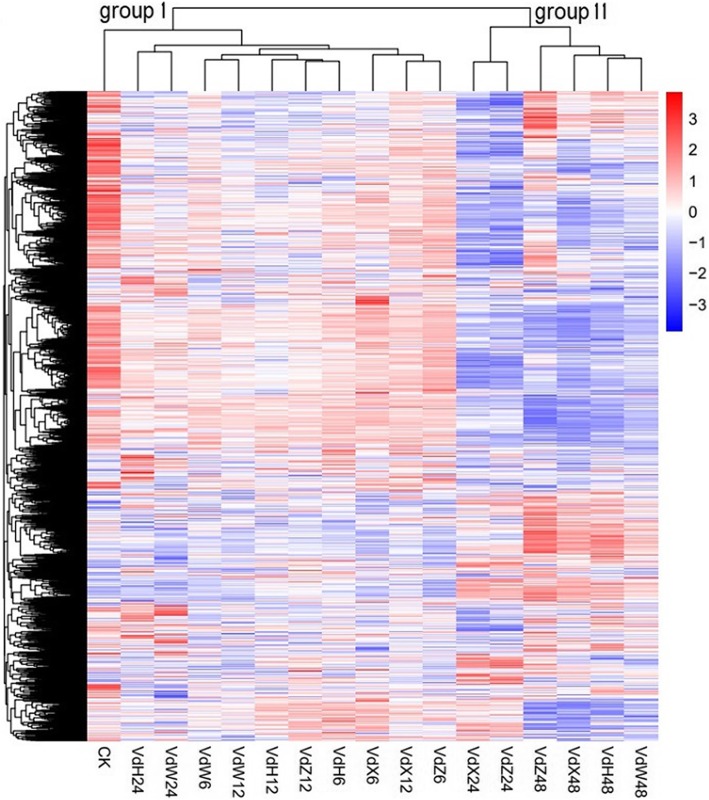
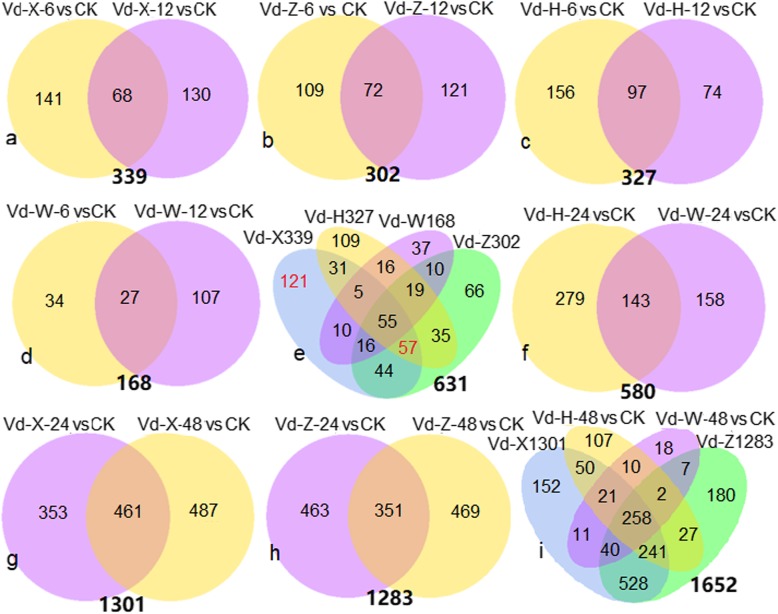
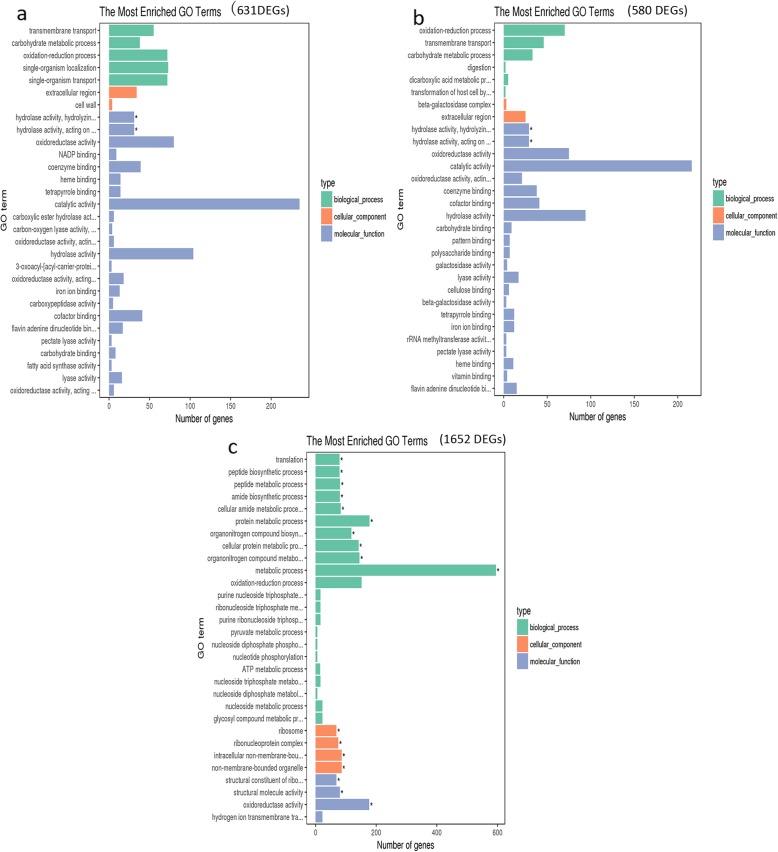
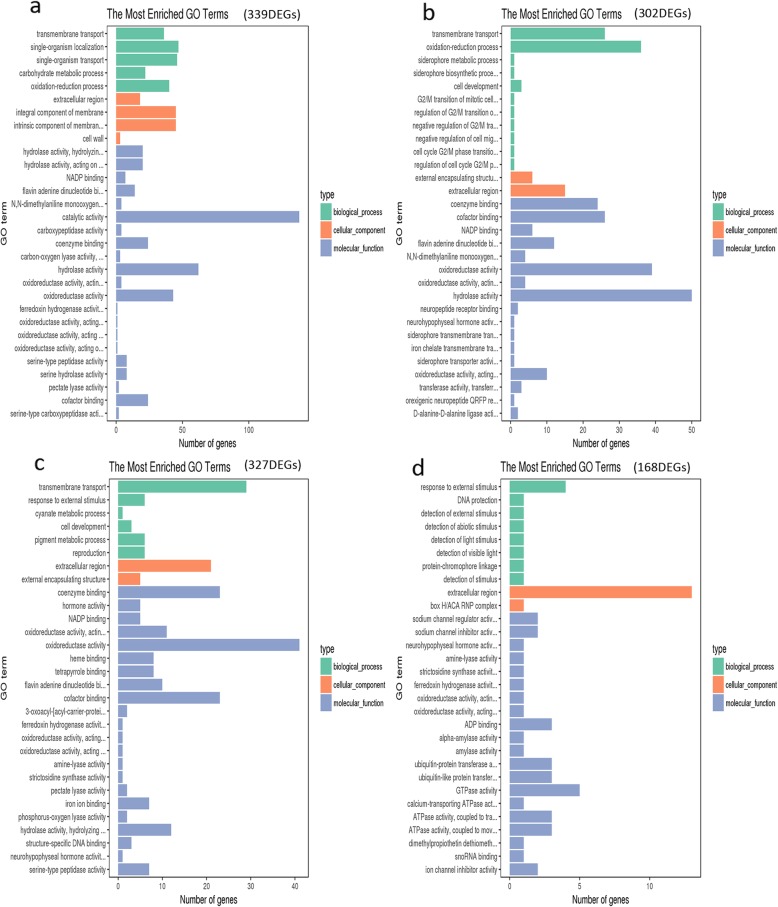
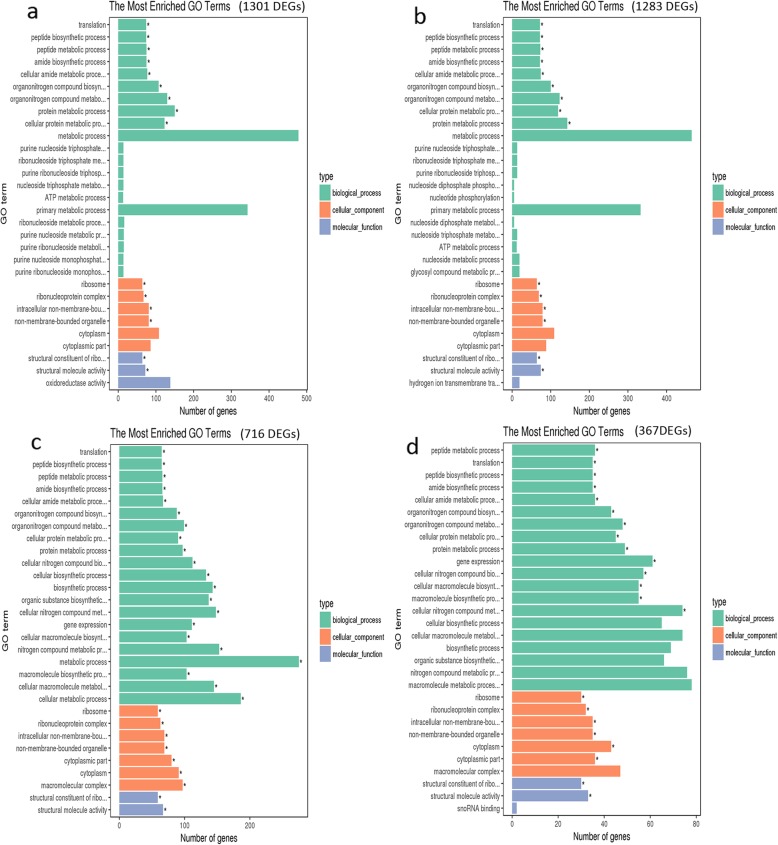
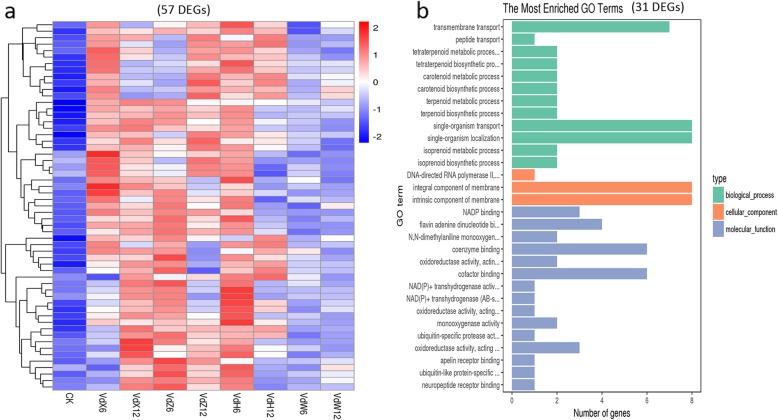
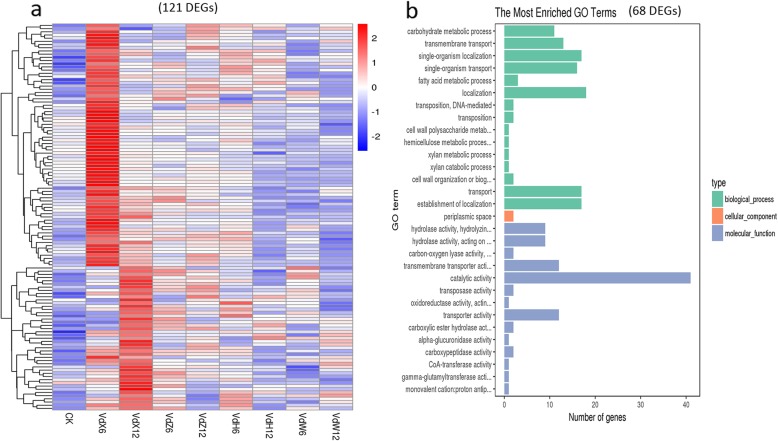
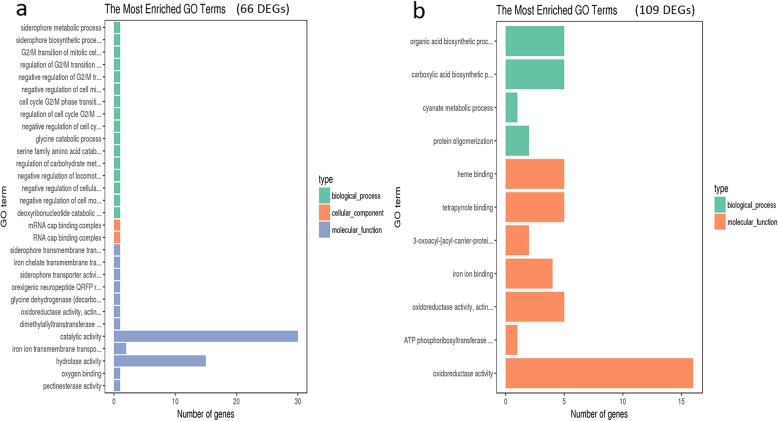
In this study, RNA-seq analysis was carried out on V. dahliae samples cultured by different root exudates from three cotton cultivars (a susceptible upland cotton cultivar, a tolerant upland cotton cultivar and a resistant island cotton cultivar) and water for 0 h, 6 h, 12 h, 24 h and 48 h. Statistical analysis of differentially expressed genes revealed that V. dahliae responded to all kinds of root exudates but more strongly to susceptible cultivar than to tolerant and resistant cultivars. Go analysis indicated that 'hydrolase activity, hydrolyzing O-glycosyl compounds' related genes were highly enriched in V. dahliae cultured by root exudates from susceptible cotton at early stage of interaction, suggesting genes related to this term were closely related to the pathogenicity of V. dahliae. Additionally, 'transmembrane transport', 'coenzyme binding', 'NADP binding', 'cofactor binding', 'oxidoreductase activity', 'flavin adenine dinucleotide binding', 'extracellular region' were commonly enriched in V. dahliae cultured by all kinds of root exudates at early stage of interaction (6 h and 12 h), suggesting that genes related to these terms were required for the initial steps of the roots infections.
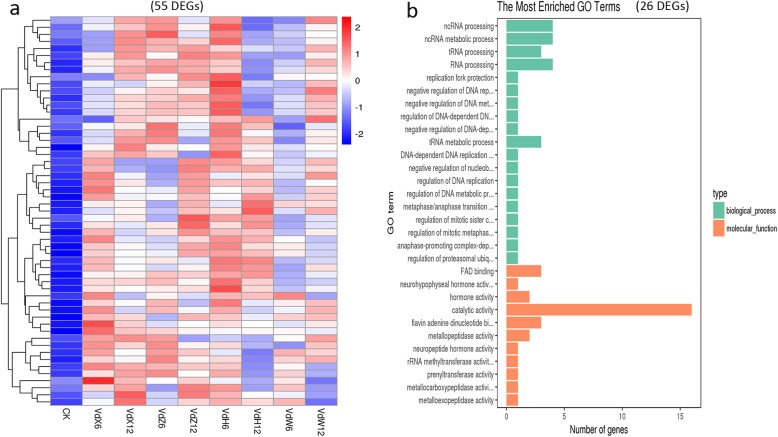
Based on the GO analysis results, the early stage of interaction (6 h and 12 h) were considered as the critical stage of V. dahliae-cotton interaction. Comparative transcriptomic analysis detected that 31 candidate genes response to root exudates from cotton cultivars with different level of V. dahliae resistance, 68 response to only susceptible cotton cultivar, and 26 genes required for development of V. dahliae. Collectively, these expression data have advanced our understanding of key molecular events in the V. dahliae interacted with cotton, and provided a framework for further functional studies of candidate genes to develop better control strategies for the cotton wilt disease.
棉花黄萎病是世界棉花生产中最具破坏性的病害之一。尽管该病害已在病原体方面从分子水平上得到了广泛研究,但黄萎病菌与棉花相互作用的分子基础尚未得到很好的研究。
本研究对三种棉花品种(感病陆地棉品种、耐病陆地棉品种和抗病海岛棉品种)和水用不同根分泌物培养的黄萎病菌样本进行了 RNA-seq 分析,时间分别为 0 h、6 h、12 h、24 h 和 48 h。差异表达基因的统计分析表明,黄萎病菌对各种根分泌物均有反应,但对感病品种的反应更强烈,而对耐病和抗病品种的反应较弱。GO 分析表明,与感病棉根分泌物培养的黄萎病菌早期互作中,与“水解酶活性、水解 O-糖基化合物”相关的基因高度富集,表明与该术语相关的基因与黄萎病菌的致病性密切相关。此外,“跨膜运输”、“辅酶结合”、“NADP 结合”、“辅因子结合”、“氧化还原酶活性”、“黄素腺嘌呤二核苷酸结合”、“细胞外区”在各种根分泌物培养的黄萎病菌早期互作(6 h 和 12 h)中普遍富集,表明与这些术语相关的基因是根侵染初始步骤所必需的。
基于 GO 分析结果,将互作早期(6 h 和 12 h)视为黄萎病菌与棉花互作的关键阶段。比较转录组分析检测到 31 个候选基因对不同水平黄萎病菌抗性棉花品种的根分泌物有反应,68 个基因仅对感病棉花品种有反应,26 个基因对黄萎病菌的发育是必需的。总的来说,这些表达数据增进了我们对黄萎病菌与棉花互作中关键分子事件的理解,并为进一步研究候选基因的功能提供了框架,以开发更好的棉花黄萎病防治策略。