Jaynes Jesse M, Sable Rushikesh, Ronzetti Michael, Bautista Wendy, Knotts Zachary, Abisoye-Ogunniyan Abisola, Li Dandan, Calvo Raul, Dashnyam Myagmarjav, Singh Anju, Guerin Theresa, White Jason, Ravichandran Sarangan, Kumar Parimal, Talsania Keyur, Chen Vicky, Ghebremedhin Anghesom, Karanam Balasubramanyam, Bin Salam Ahmad, Amin Ruksana, Odzorig Taivan, Aiken Taylor, Nguyen Victoria, Bian Yansong, Zarif Jelani C, de Groot Amber E, Mehta Monika, Fan Lixin, Hu Xin, Simeonov Anton, Pate Nathan, Abu-Asab Mones, Ferrer Marc, Southall Noel, Ock Chan-Young, Zhao Yongmei, Lopez Henry, Kozlov Serguei, de Val Natalia, Yates Clayton C, Baljinnyam Bolormaa, Marugan Juan, Rudloff Udo
College of Agriculture, Environment and Nutrition Sciences, Integrative Biosciences Program, Tuskegee University, Tuskegee, AL 36088, USA.
Department of Biology and Center for Cancer Research, Tuskegee University, Tuskegee, AL 36088, USA.
Sci Transl Med. 2020 Feb 12;12(530). doi: 10.1126/scitranslmed.aax6337.
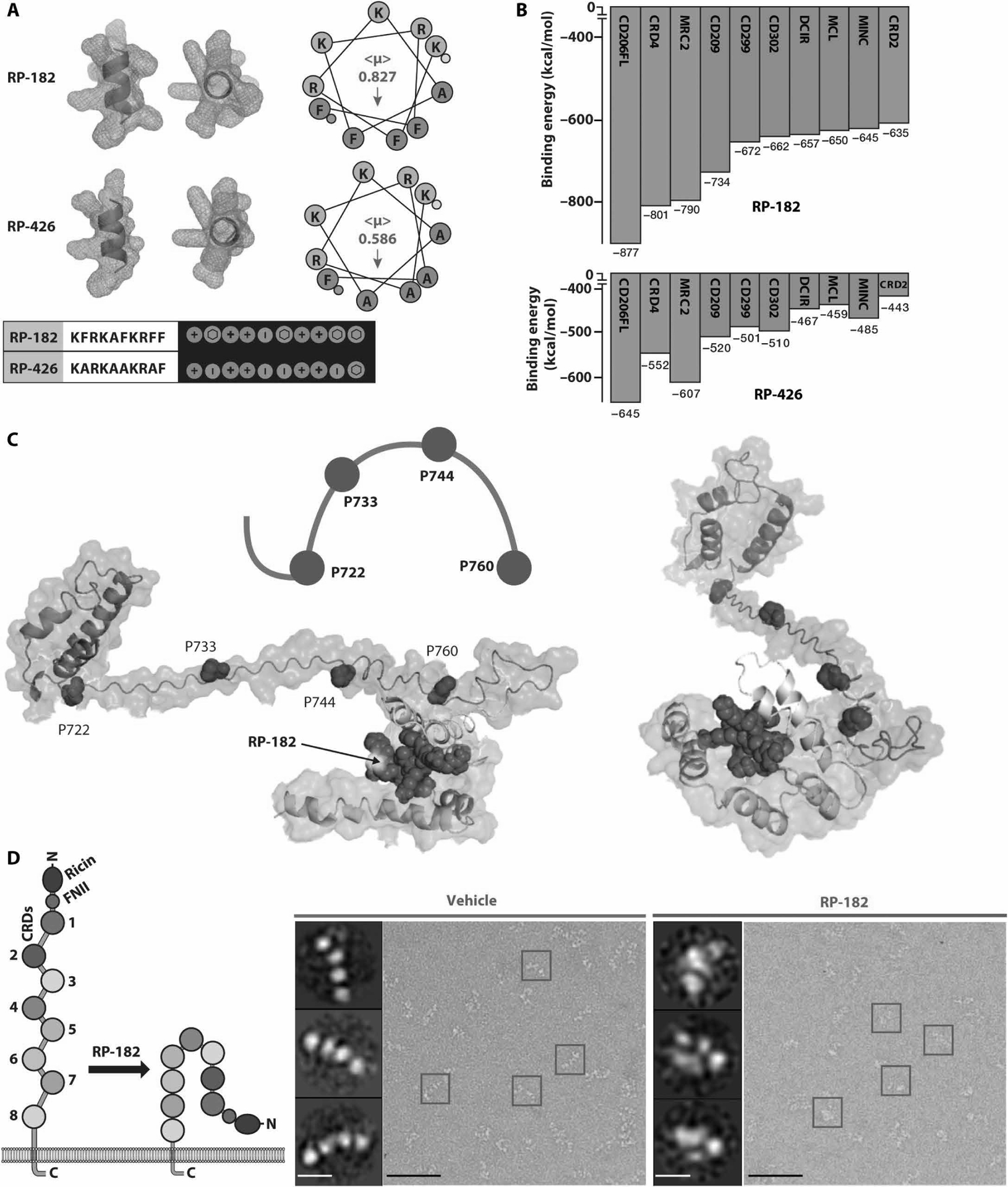
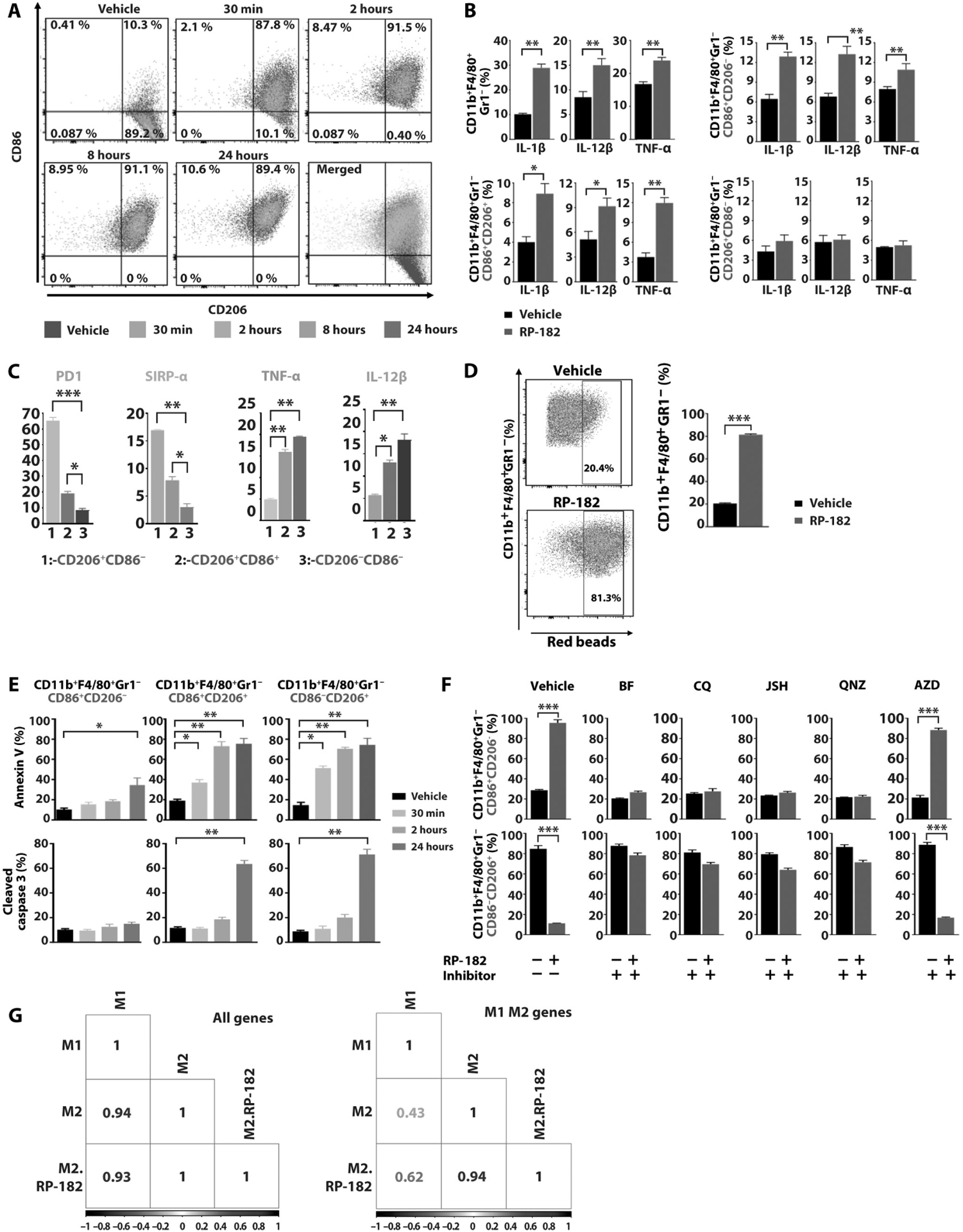
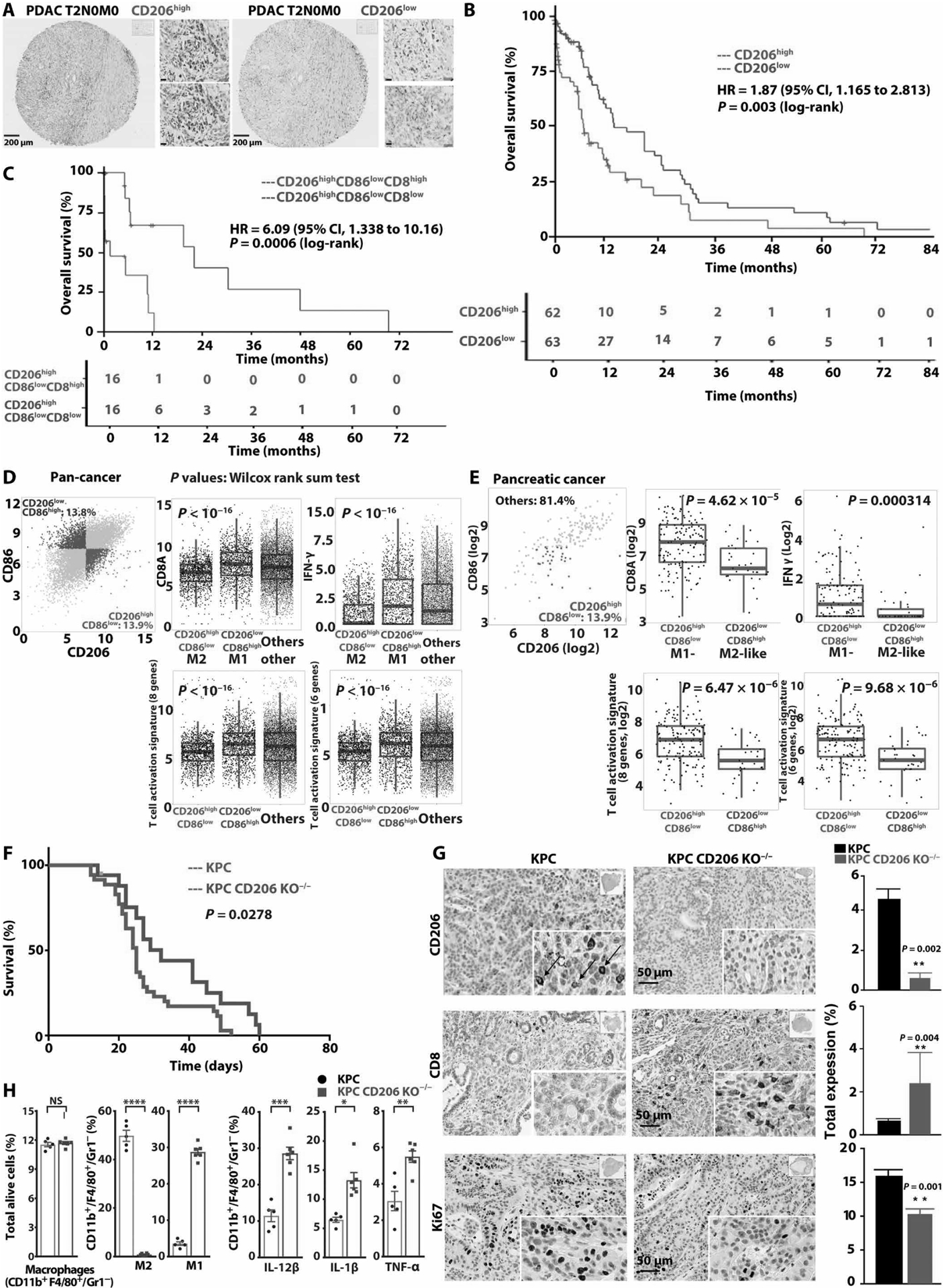
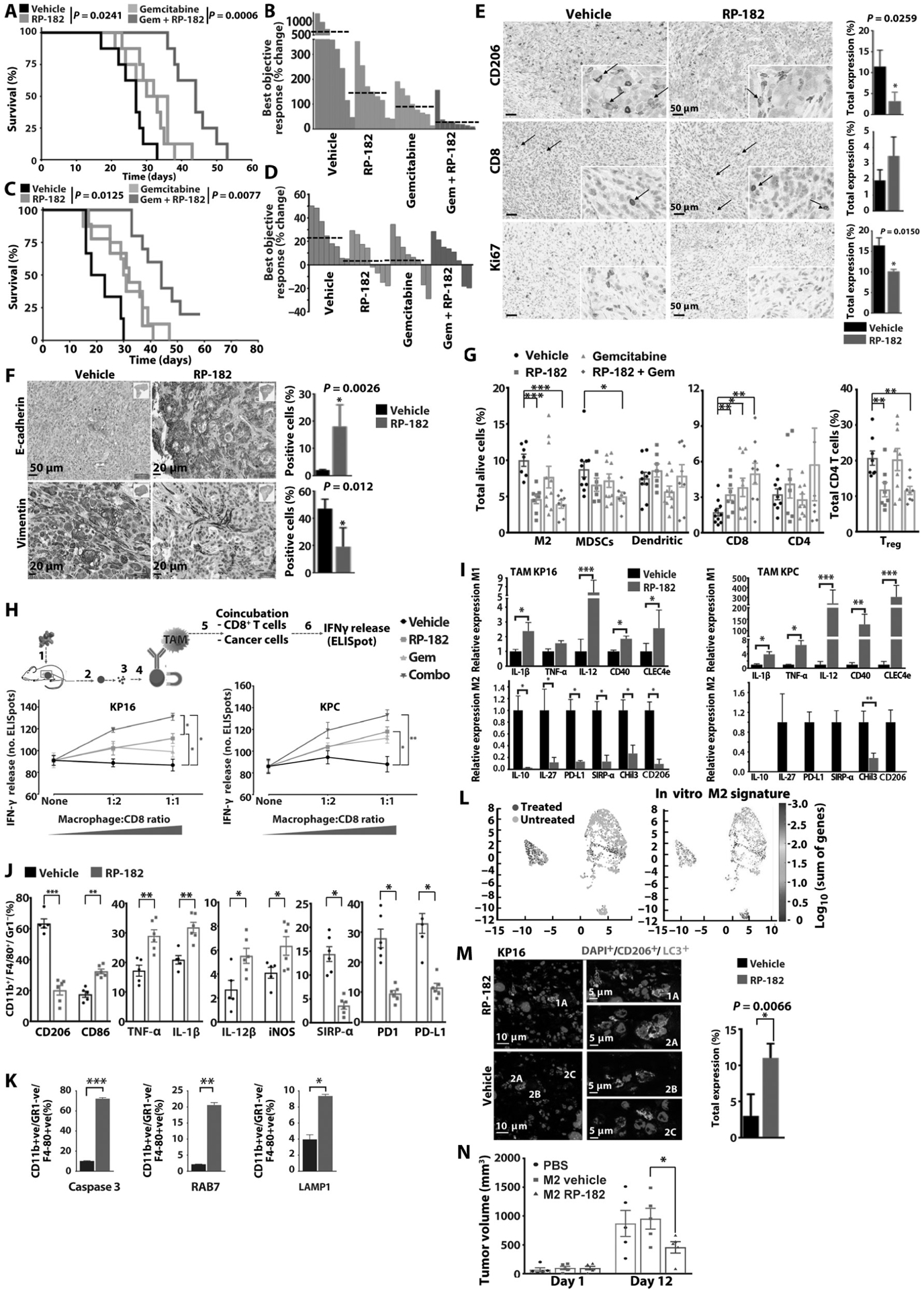
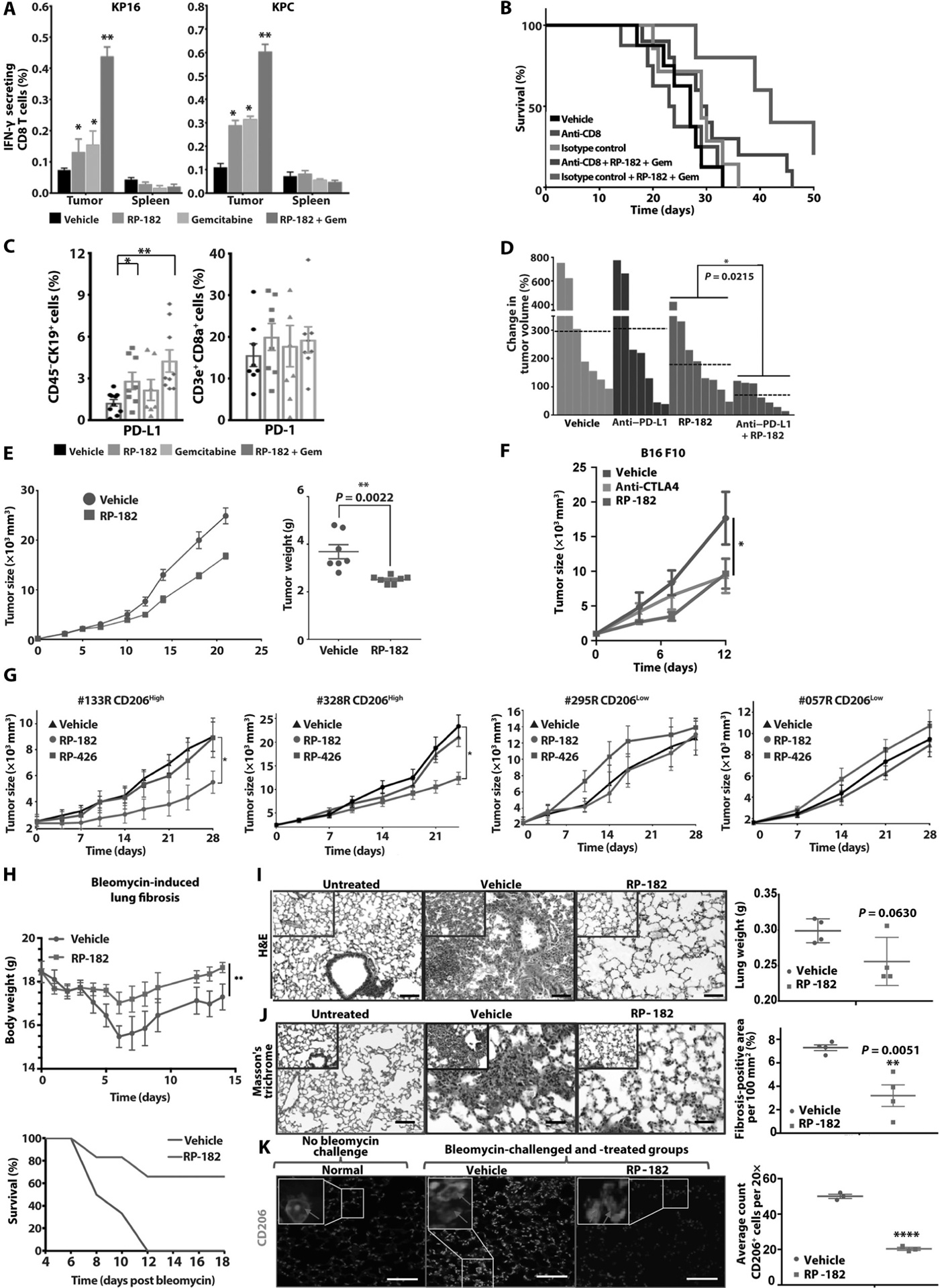
Solid tumors elicit a detectable immune response including the infiltration of tumor-associated macrophages (TAMs). Unfortunately, this immune response is co-opted into contributing toward tumor growth instead of preventing its progression. We seek to reestablish an antitumor immune response by selectively targeting surface receptors and endogenous signaling processes of the macrophage subtypes driving cancer progression. RP-182 is a synthetic 10-mer amphipathic analog of host defense peptides that selectively induces a conformational switch of the mannose receptor CD206 expressed on TAMs displaying an M2-like phenotype. RP-182-mediated activation of this receptor in human and murine M2-like macrophages elicits a program of endocytosis, phagosome-lysosome formation, and autophagy and reprograms M2-like TAMs to an antitumor M1-like phenotype. In syngeneic and autochthonous murine cancer models, RP-182 suppressed tumor growth, extended survival, and was an effective combination partner with chemo- or immune checkpoint therapy. Antitumor activity of RP-182 was also observed in CD206 patient-derived xenotransplantation models. Mechanistically, via selective reduction of immunosuppressive M2-like TAMs, RP-182 improved adaptive and innate antitumor immune responses, including increased cancer cell phagocytosis by reprogrammed TAMs.
实体瘤会引发可检测到的免疫反应,包括肿瘤相关巨噬细胞(TAM)的浸润。不幸的是,这种免疫反应被肿瘤利用来促进肿瘤生长,而非阻止其进展。我们试图通过选择性靶向驱动癌症进展的巨噬细胞亚型的表面受体和内源性信号传导过程,来重建抗肿瘤免疫反应。RP-182是一种宿主防御肽的合成十聚体两亲类似物,它能选择性地诱导在呈现M2样表型的TAM上表达的甘露糖受体CD206发生构象转换。RP-182介导的该受体在人和小鼠M2样巨噬细胞中的激活引发了内吞作用、吞噬体-溶酶体形成和自噬程序,并将M2样TAM重编程为抗肿瘤的M1样表型。在同基因和原位小鼠癌症模型中,RP-182抑制肿瘤生长、延长生存期,并且是化疗或免疫检查点治疗的有效联合伙伴。在CD206患者来源的异种移植模型中也观察到了RP-182的抗肿瘤活性。从机制上讲,通过选择性减少免疫抑制性M2样TAM,RP-182改善了适应性和先天性抗肿瘤免疫反应,包括重编程的TAM对癌细胞吞噬作用的增强。