Department of Oral Implantology, Hospital of Stomatology, Jilin University, Changchun, 130021, China.
Provincial Key Laboratory of Dental Development, Jaw Remodeling and Regeneration, Jilin University, Changchun, 130021, China.
Sci Rep. 2020 Feb 12;10(1):2421. doi: 10.1038/s41598-020-59319-2.
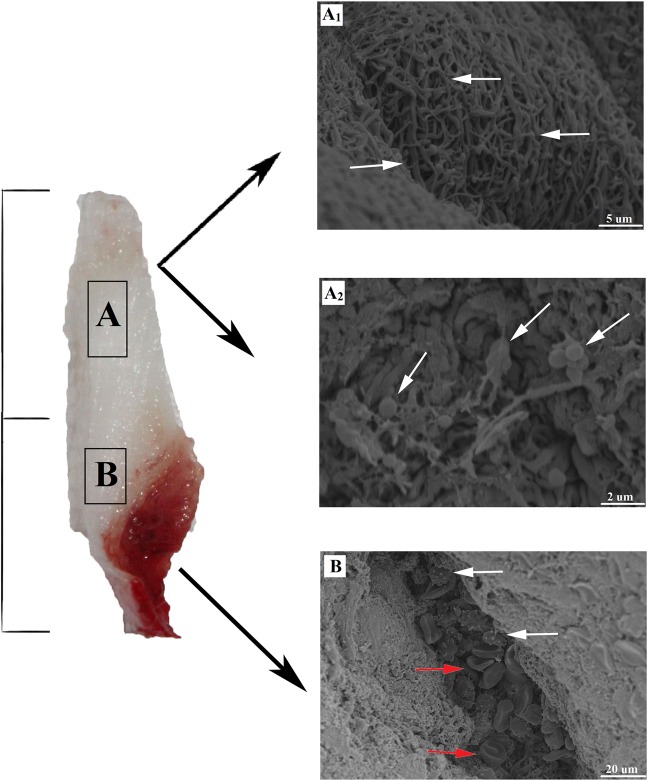
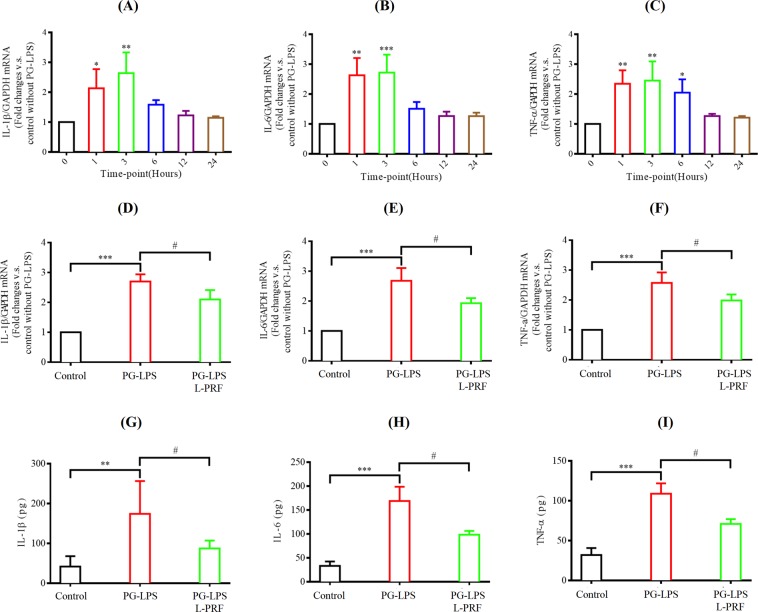
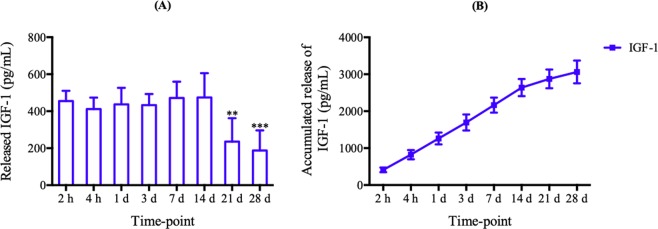
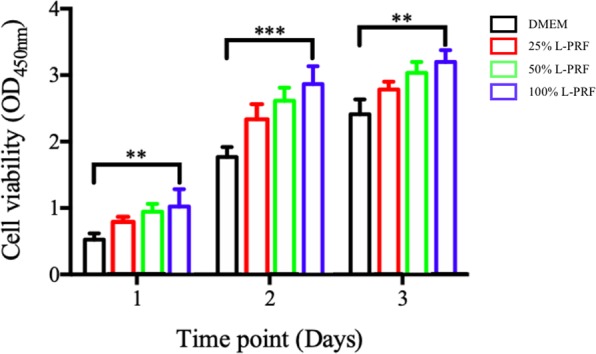
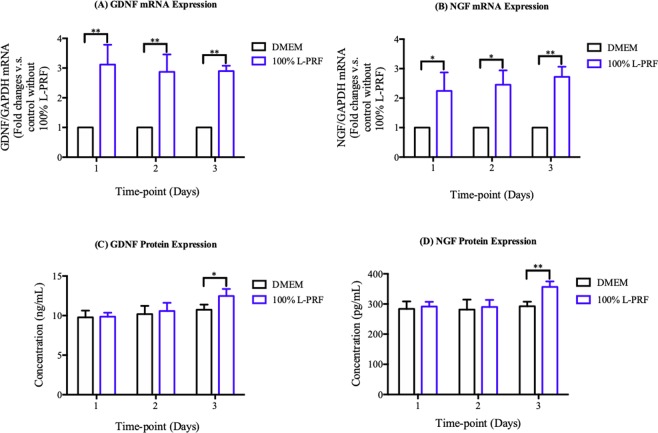
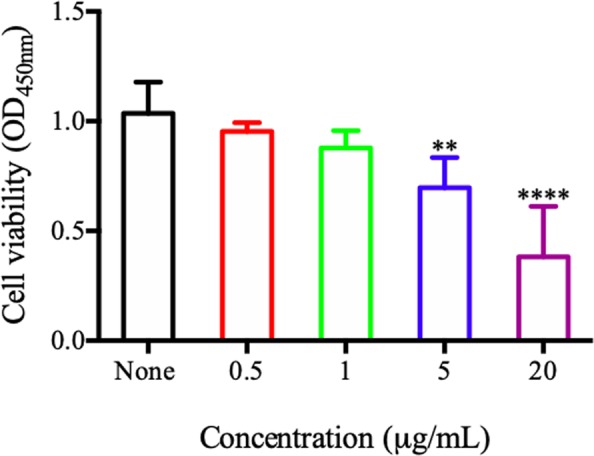
This study evaluates the use of L-PRF as an autologous scaffold in nerve regeneration, and Schwann cells (SCs) proliferation and secretion of neurotrophic factors and its anti-inflammatory effect on SC Porphyromonas Gingivalis-Lipopolysaccharide (PG-LPS)-induced inflammatory responses in vitro. SEM was done to investigate various features of L-PRF. L-PRF-extracts was used to investigate the release of growth factors and treatment of SCs line. ELISA was applied to examine the release of IGF-1. The proliferative effect of L-PRF on SCs was assessed with CCK-8 assay. The effect of L-PRF on the mRNA and protein expression of SC neurotrophic factors were analyzed by RT-qPCR and ELISA. CCK-8 assay and RT-qPCR were used to determine the required concentration and the action time of PG-LPS before the anti-inflammatory effect of L-PRF was determined by measuring the changes in IL-1β, IL-6, and TNF-a with RT-qPCR and ELISA. There are different features in L-PRF. Fourteen days was sufficient to release adequate GF. The mRNA expressions of the pro-inflammatory cytokines were notably raised by PG-LPS in 3-hours treatment. L-PRF can increase SC proliferation, neurotrophic factors secretion, and suppress SC PG-LPS-induced inflammatory responses in vitro. L-PRF has the potential as an autologous biological additive for peripheral nerve regeneration in the event of nerve inflammation and injuries.
本研究评估了 L-PRF 作为神经再生自体支架的用途,以及施万细胞(SCs)的增殖和神经营养因子的分泌及其对体外SCs 牙龈卟啉单胞菌-脂多糖(PG-LPS)诱导的炎症反应的抗炎作用。SEM 用于研究 L-PRF 的各种特性。使用 L-PRF 提取物来研究生长因子的释放和 SCs 系的治疗。应用 ELISA 检查 IGF-1 的释放。用 CCK-8 测定法评估 L-PRF 对 SCs 的增殖作用。通过 RT-qPCR 和 ELISA 分析 L-PRF 对 SC 神经营养因子的 mRNA 和蛋白表达的影响。用 CCK-8 测定法和 RT-qPCR 确定 PG-LPS 的所需浓度和作用时间,然后通过 RT-qPCR 和 ELISA 测量 IL-1β、IL-6 和 TNF-a 的变化来确定 L-PRF 的抗炎作用。L-PRF 具有不同的特性。14 天足以释放足够的 GF。PG-LPS 在 3 小时处理后显著提高了促炎细胞因子的 mRNA 表达。L-PRF 可增加 SC 增殖、神经营养因子分泌,并抑制体外 SC PG-LPS 诱导的炎症反应。在神经炎症和损伤的情况下,L-PRF 具有作为周围神经再生的自体生物添加剂的潜力。