College of Pharmacy and Chemistry, Dali University, Dali, China.
Institute of Materia Medica, Dali University, Dali, China.
PLoS One. 2020 Feb 13;15(2):e0229181. doi: 10.1371/journal.pone.0229181. eCollection 2020.
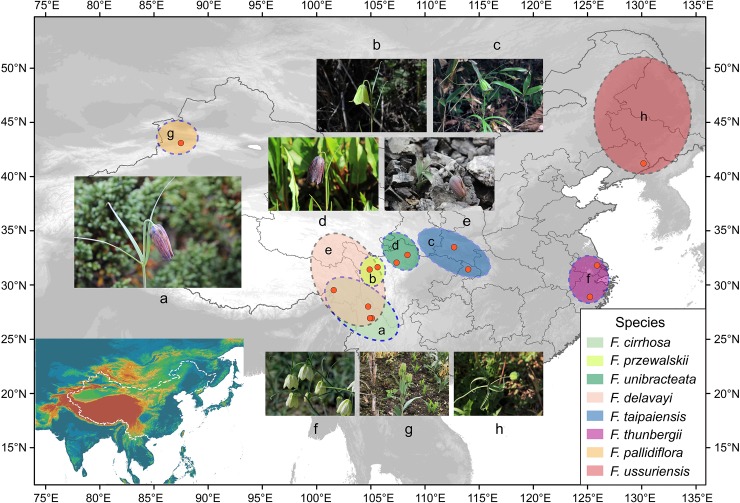
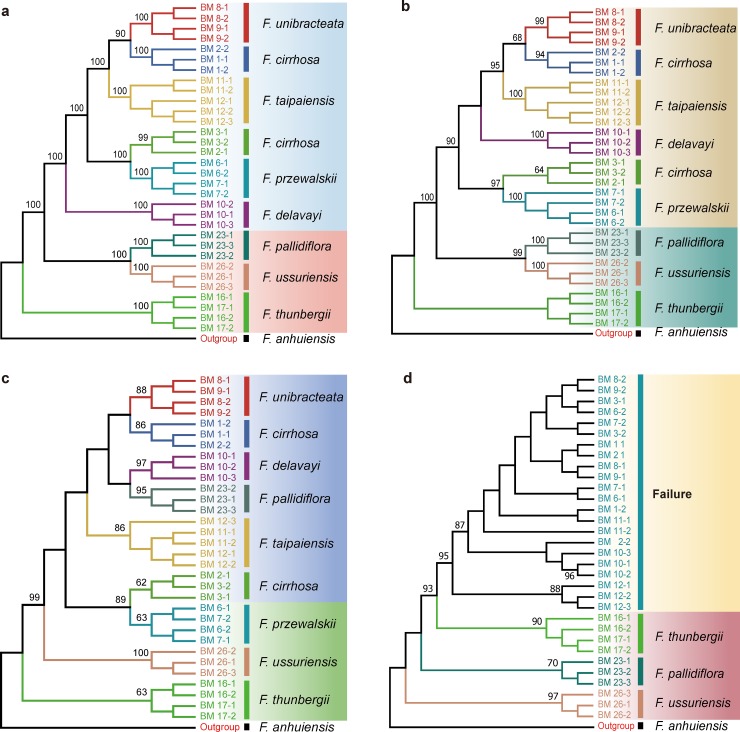
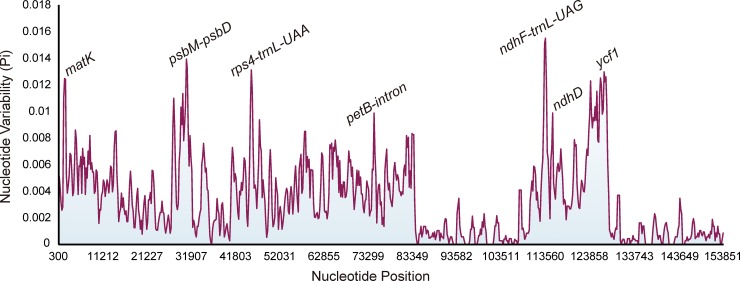
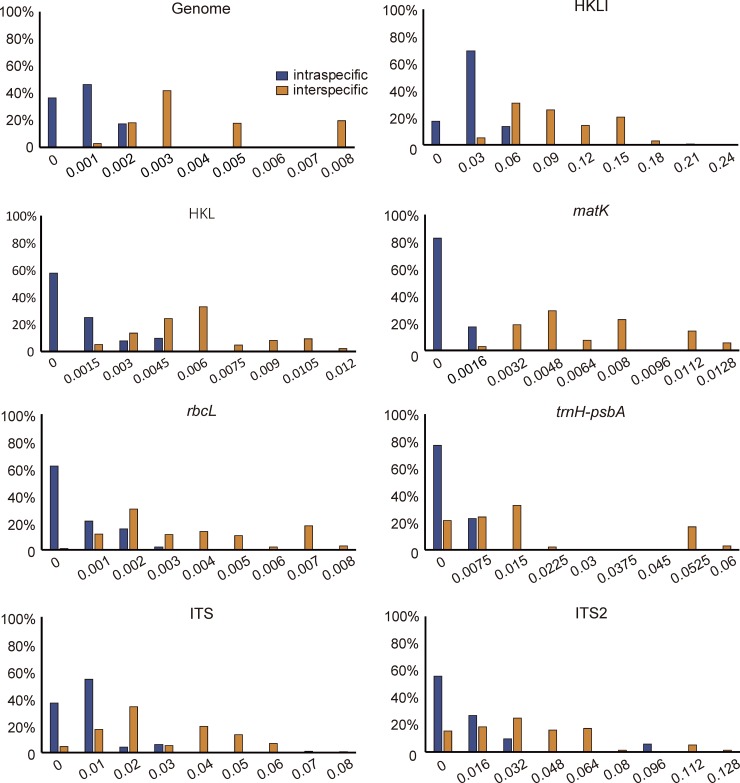
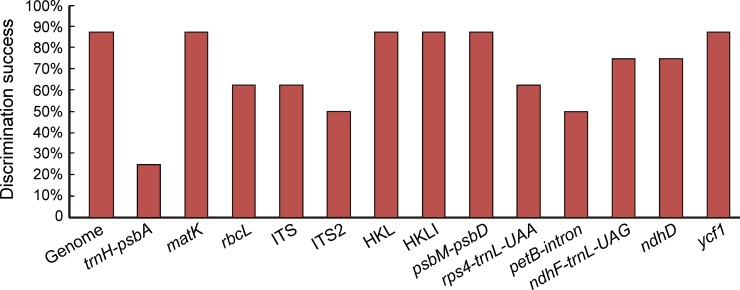
Fritillariae cirrhosae bulbus is a famous type of traditional Chinese medicine used for cough relief and eliminating phlegm. The medicine originates from dried bulbs of five species and one variety of Fritillaria. Recently, immature bulbs from other congeneric species, such as F. ussuriensis, have been sold as adulterants of Fritillariae cirrhosae bulbus in medicine markets owing to the high price and limited availability of the genuine medicine. However, it is difficult to accurately identify the bulbs from different original species of Fritillariae cirrhosae bulbus and its adulterants based on traditional methods, although such medicines have different prices and treatment efficacies. The present study adopted DNA barcoding to identify these different species and compared the discriminatory power of super, universal, and specific barcodes in Fritillaria. The results revealed that the super-barcode had strong discriminatory power (87.5%). Among universal barcodes, matK provided the best species resolution (87.5%), followed by ITS (62.5%), rbcL (62.5%), and trnH-psbA (25%). The combination of these four universal barcodes provided the highest discriminatory power (87.5%), which was equivalent to that of the super-barcode. Two plastid genes, ycf1 and psbM-psbD, had much better discriminatory power (both 87.5%) than did other plastid barcodes, and were suggested as potential specific barcodes for identifying Fritillaria species. Phylogenetic analyses indicated that F. cirrhosa was not a "good" species that was composed of multiple lineages, which might have affected the evaluation of the discriminatory ability. This study revealed that the complete plastid genome, as super barcode, was an efficient and reliable tool for identifying the original species of Fritillariae cirrhosae bulbus and its adulterants.
贝母是一种著名的中药,用于止咳化痰。这种药物来源于五种贝母和一个变种的干燥鳞茎。最近,由于正品价格高、供应有限,其他同属种的未成熟鳞茎如乌花贝母被当作贝母的掺杂物在药材市场上出售。然而,尽管这些药物价格和疗效不同,但很难用传统方法准确识别不同来源的贝母及其掺杂物。本研究采用 DNA 条形码技术对这些不同物种进行鉴定,并比较了超级、通用和特定条形码在贝母中的鉴别能力。结果表明,超级条形码具有很强的鉴别能力(87.5%)。在通用条形码中,matK 提供了最好的物种分辨率(87.5%),其次是 ITS(62.5%)、rbcL(62.5%)和 trnH-psbA(25%)。这四个通用条形码的组合提供了最高的鉴别能力(87.5%),与超级条形码相当。两个质体基因 ycf1 和 psbM-psbD 的鉴别能力(均为 87.5%)优于其他质体条形码,被建议作为鉴定贝母物种的潜在特异性条形码。系统发育分析表明,贝母不是一个由多个谱系组成的“良好”物种,这可能影响了对鉴别能力的评价。本研究表明,完整的质体基因组作为超级条形码,是一种有效可靠的工具,可用于鉴定贝母的原始物种及其掺杂物。