The Hospital of Obstetrics and Gynaecology, Fudan University, Shanghai, China.
Department of Obstetrics and Gynaecology, Faculty of Medical and Health Sciences, The University of Auckland, New Zealand.
Clin Sci (Lond). 2020 Mar 13;134(5):459-472. doi: 10.1042/CS20191245.
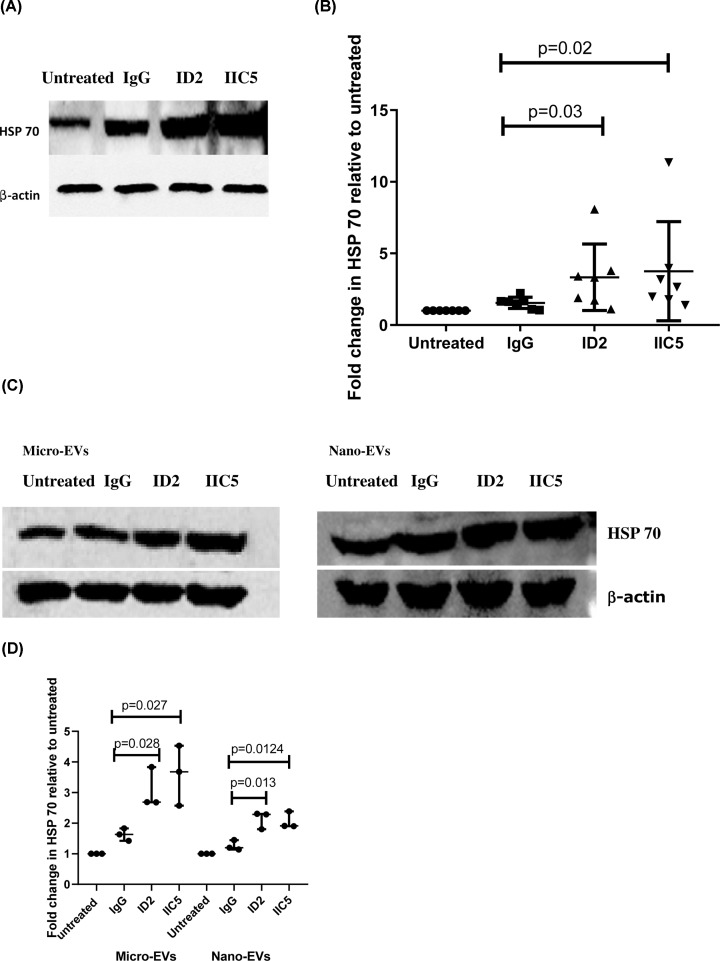
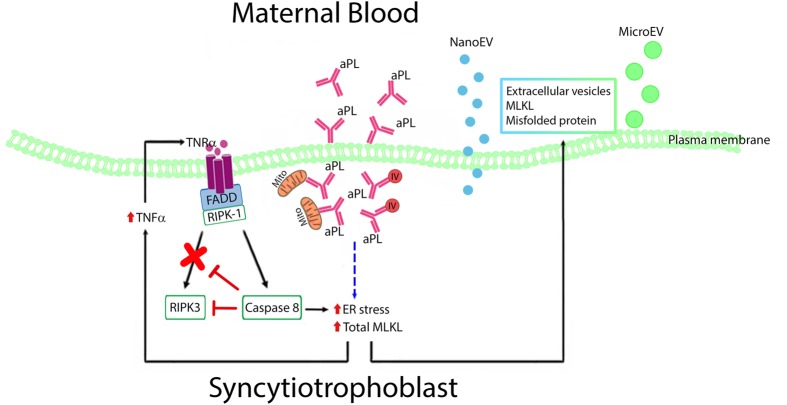
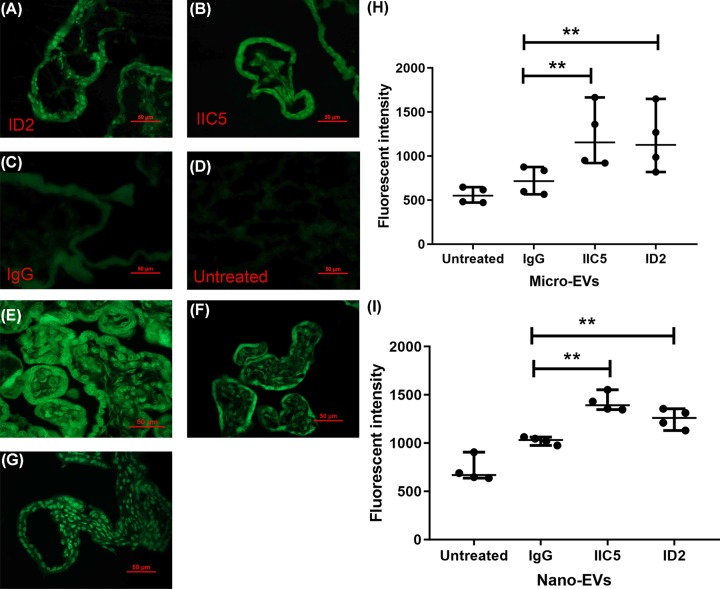
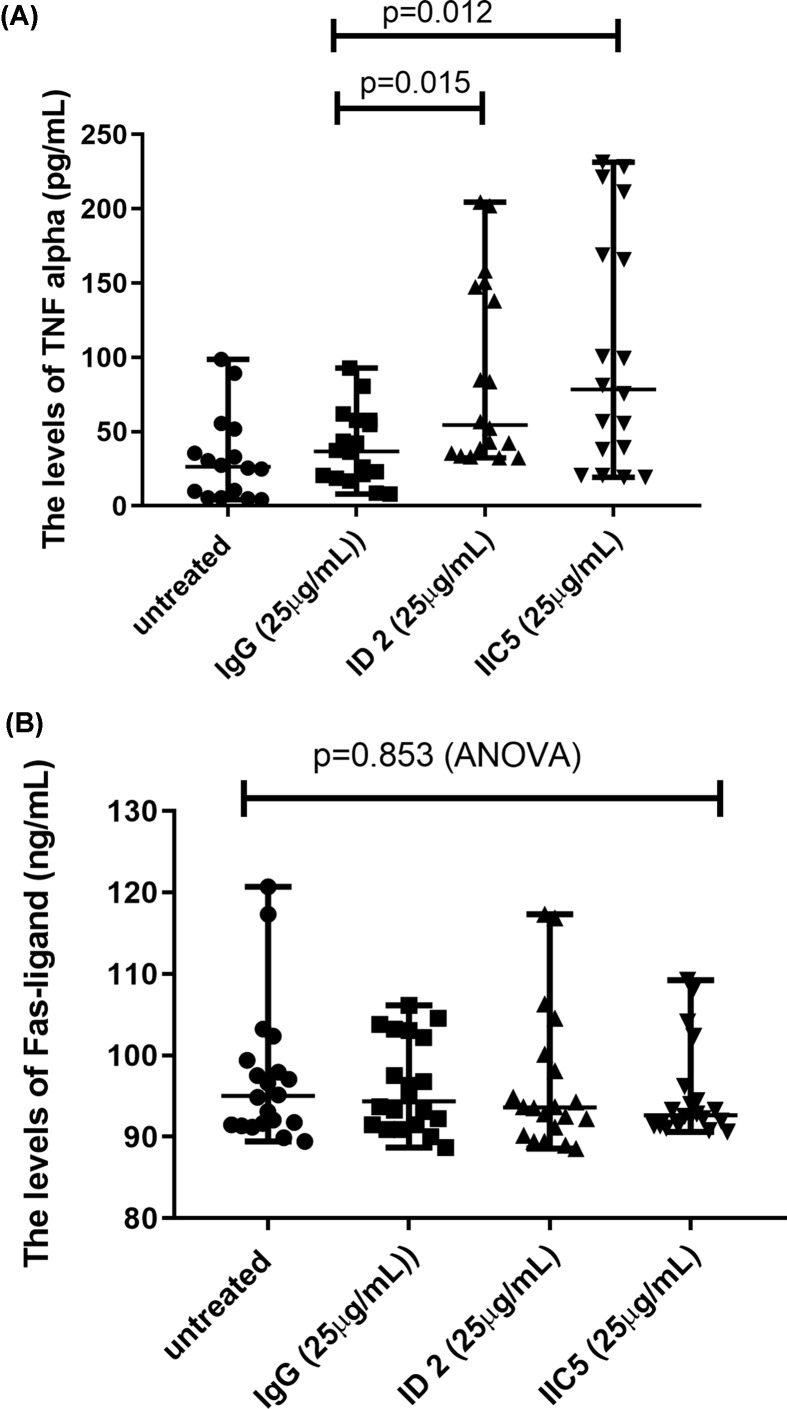
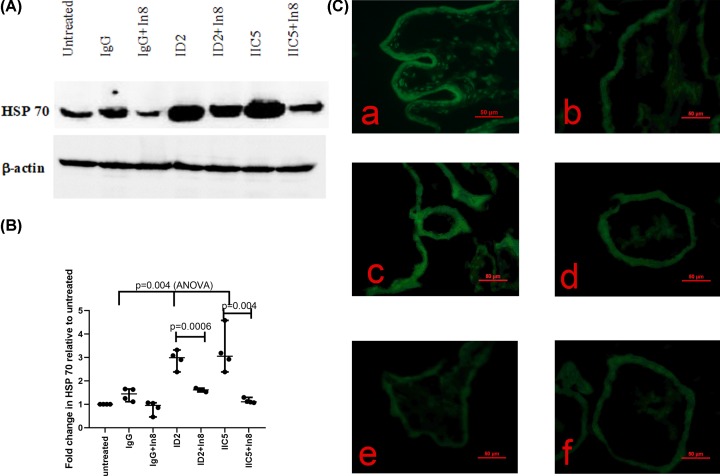
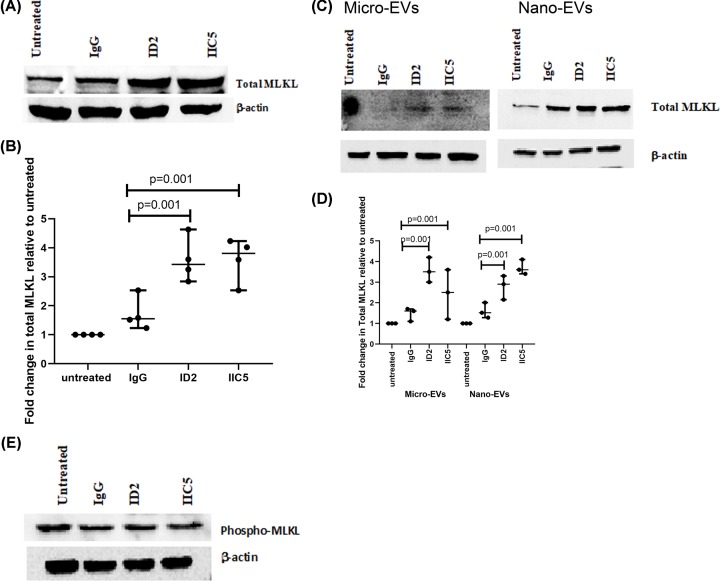
Antiphospholipid autoantibodies (aPLs), a major maternal risk factor for preeclampsia, are taken into the syncytiotrophoblast where they bind intracellular vesicles and mitochondria. Subsequently, large quantities of extracellular vesicles (EVs) extruded from syncytiotrophoblast into the maternal circulation are altered such that they cause maternal endothelial cell activation. However, the mechanism driving this change is unknown. First trimester placental explants were treated with aPL for 18 h. The EVs were then collected by different centrifugation. The levels of HSP 70, misfolded proteins, caspase 8 activity, and Mixed Lineage Kinase domain-Like (MLKL) were measured in placental explants and EVs. In addition, the levels of TNF-α and CD95 in conditioned medium were also measured. Treating placental explants with aPL caused an increase in levels of HSP 70, misfolded proteins and MLKL in placental explants and EVs. Increased activity of caspase 8 was also seen in placental explants. Higher levels of TNF-α were seen conditioned medium from aPL-treated placental explant cultures. aPLs appear to induce endoplasmic reticulum stress in the syncytiotrophoblast in a manner that involved caspase 8 and TNF-α. To avoid accumulation of the associated misfolded proteins and MLKL, the syncytiotrophoblast exports these potentially dangerous proteins in EVs. It is likely that the dangerous proteins that are loaded into placental EVs in preeclampsia contribute to dysfunction of the maternal cells.
抗磷脂自身抗体 (aPL) 是子痫前期的主要母体危险因素,它被带入合体滋养层细胞,在那里与细胞内囊泡和线粒体结合。随后,大量从合体滋养层细胞挤出到母体循环的细胞外囊泡 (EVs) 发生改变,导致母体内皮细胞活化。然而,驱动这种变化的机制尚不清楚。将孕早期胎盘外植体用 aPL 处理 18 小时。然后通过不同的离心收集 EVs。测量胎盘外植体和 EVs 中 HSP70、错误折叠蛋白、半胱天冬酶 8 活性和混合谱系激酶结构域样 (MLKL) 的水平。此外,还测量了条件培养基中 TNF-α 和 CD95 的水平。用 aPL 处理胎盘外植体导致胎盘外植体和 EVs 中 HSP70、错误折叠蛋白和 MLKL 的水平增加。还观察到胎盘外植体中半胱天冬酶 8 的活性增加。在 aPL 处理的胎盘外植体培养物的条件培养基中观察到更高水平的 TNF-α。aPL 似乎以涉及半胱天冬酶 8 和 TNF-α 的方式诱导合体滋养层细胞内质网应激。为了避免相关错误折叠蛋白和 MLKL 的积累,合体滋养层细胞以 EV 的形式将这些潜在危险的蛋白质输出。在子痫前期中装载到胎盘 EV 中的危险蛋白质可能导致母体细胞功能障碍。