Departamento de Biofísica, Escuela Nacional de Ciencias Biológicas, Instituto Politécnico Nacional, Prolongación de Carpio y Plan de Ayala S/N, Col. Santo Tomás, CP. Ciudad de Mexico 11340, Mexico.
Departamento de Ingeniería Bioquímica, Escuela Nacional de Ciencias Biológicas, Instituto Politecnico Nacional, Av. Wilfrido Massieu S/N, Col. Unidad Profesional Adolfo López Mateos, Zacatenco, CP. Ciudad de Mexico 07738, Mexico.
Biomolecules. 2020 Feb 14;10(2):305. doi: 10.3390/biom10020305.
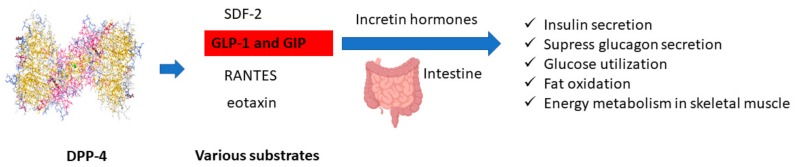
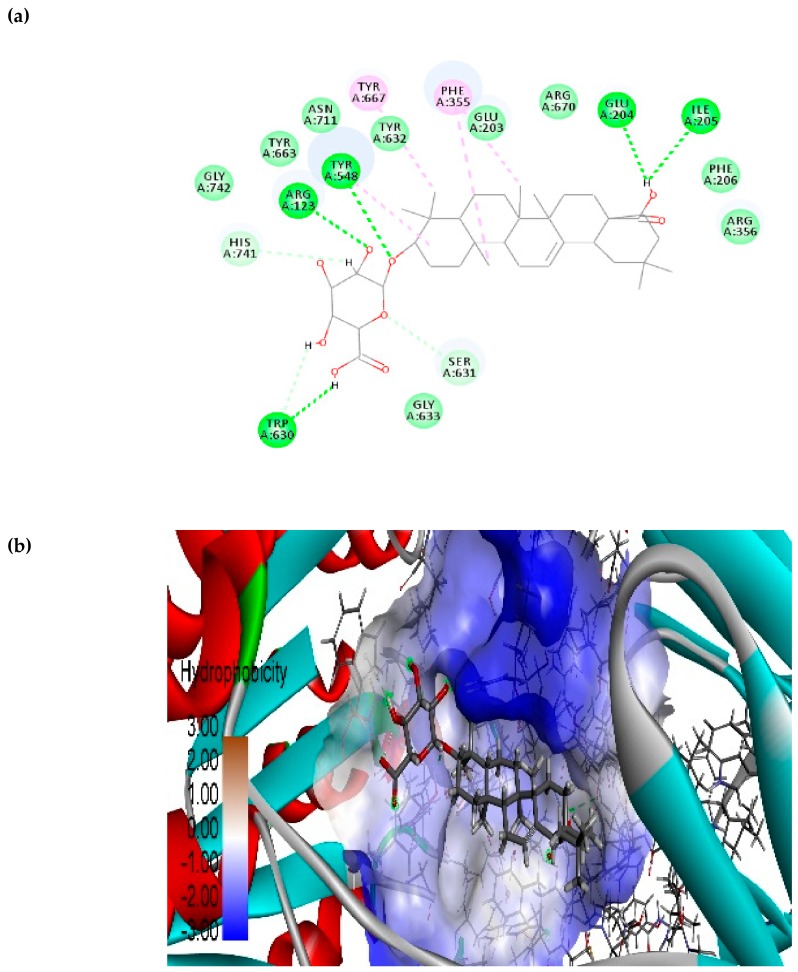
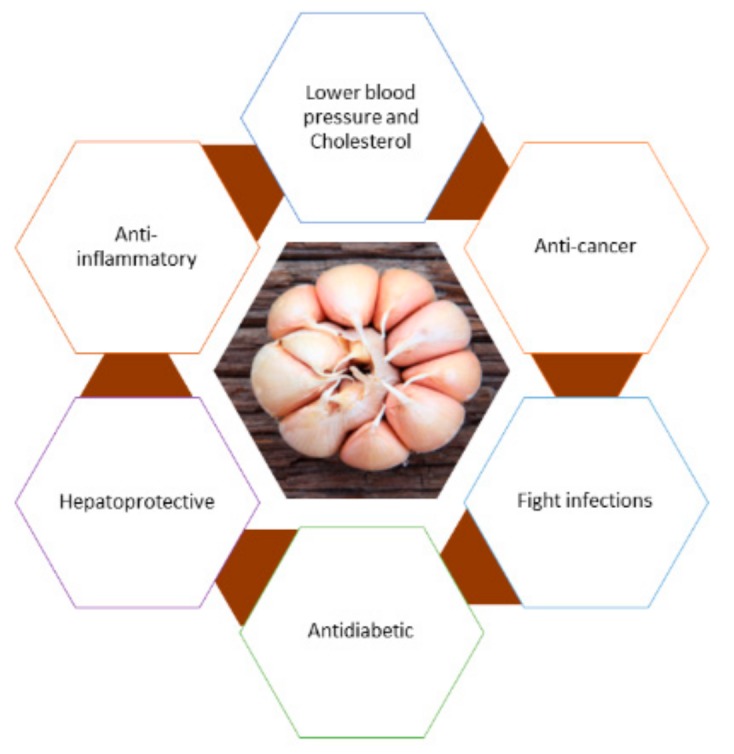
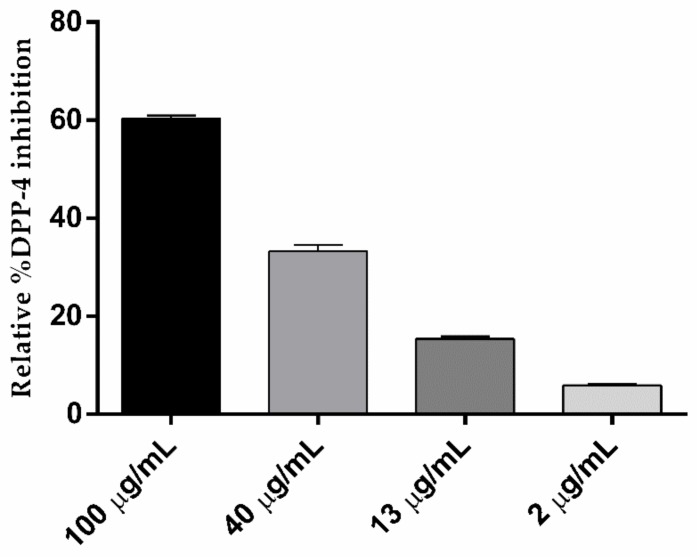
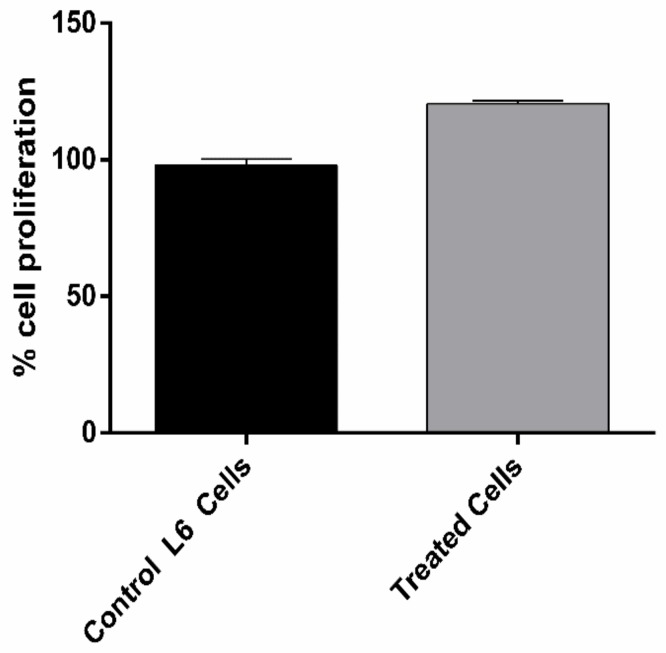
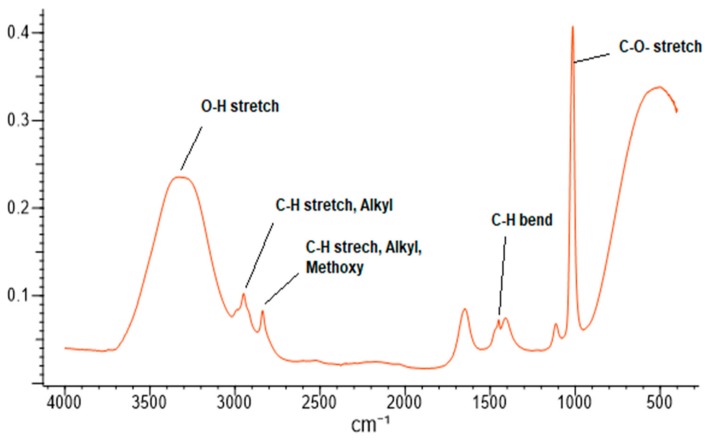
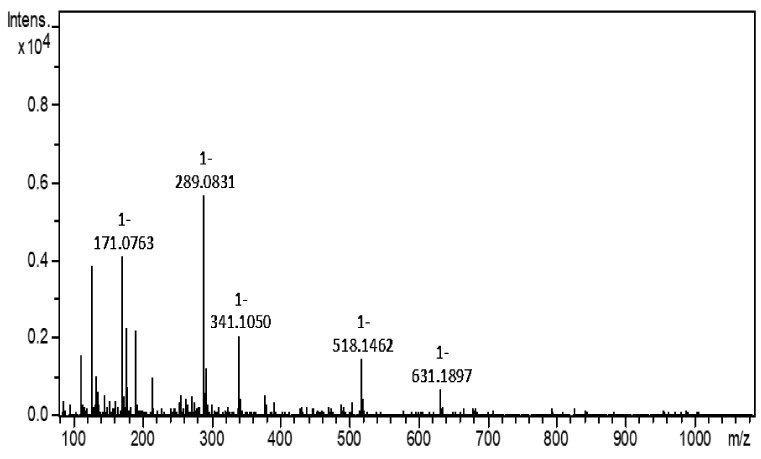
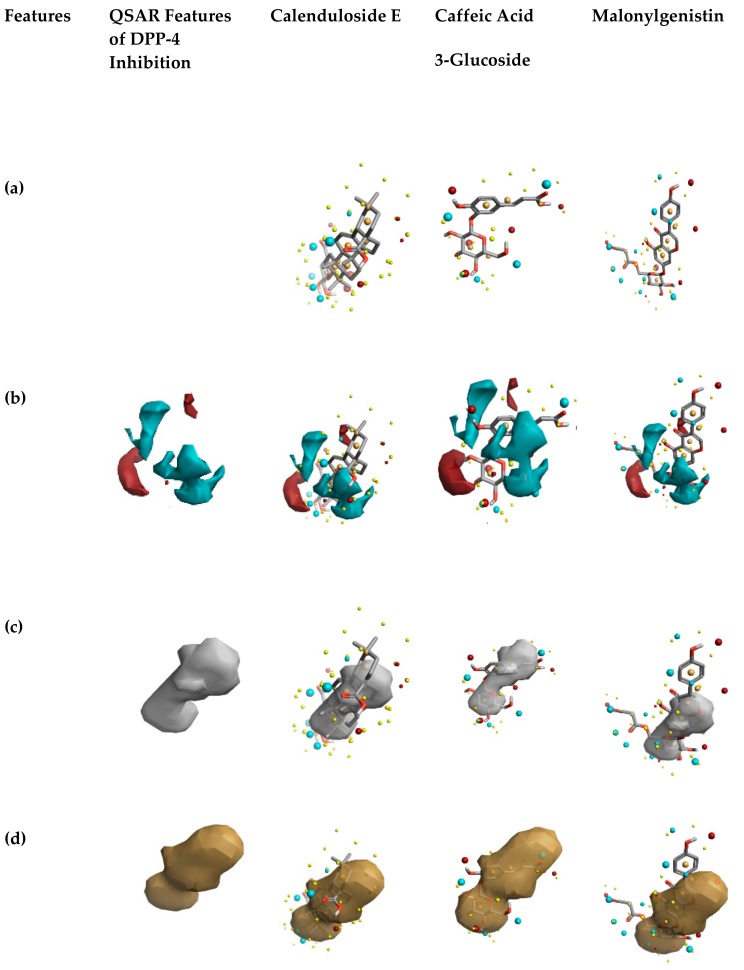
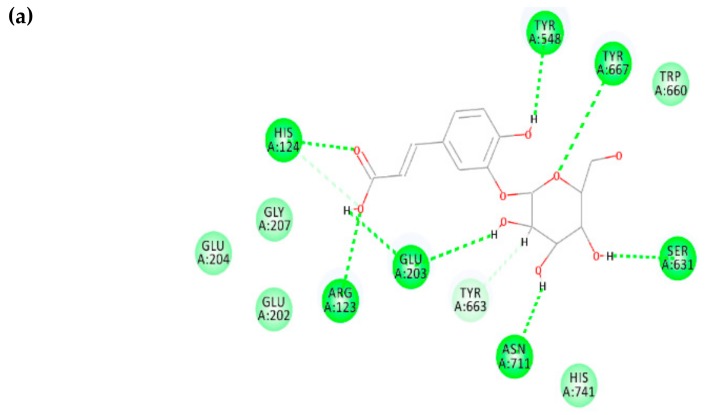
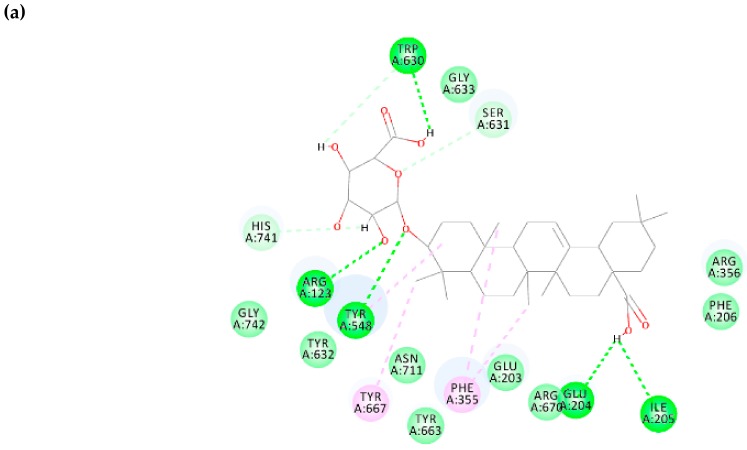
Diabetes mellitus is a severe health problem in Mexico, and its prevalence is increasing exponentially every year. Recently, DPP-4 (dipeptidyl peptidase-4) inhibitors have become attractive oral anti-hyperglycemic agents to reduce the pathology of diabetes. Gliptin's family, such as sitagliptin, vildagliptin, and alogliptin, are in clinical use to treat diabetes mellitus but possess side effects. Therefore, there is a specific need to look for new therapeutic scaffolds (biomolecules). Garlic bulb is widely used as a traditional remedy for the treatment of diabetes. The garlic extracts are scientifically proven to control glucose levels in patients with diabetes, despite the unknown mechanism of action. The aim of the study is to investigate the antidiabetic effects of ultrasonication assisted garlic bulb extract. To achieve this, in-vitro assays such as DPP-4 inhibitory and antioxidant activities were investigated. Further, functional group analysis using FTIR and identification of phytochemicals using mass spectrometry analysis was performed. The results showed that 70.9 µg/mL of garlic bulb extract inhibited 50% DPP-4 activity. On top of that, the garlic extract exhibited a 20% scavenging activity, equivalent to 10 µg/mL of ascorbic acid. Molecular docking simulations on identified phytochemicals using mass spectrometry revealed their potential binding at the DPP-4 druggable region, and therefore the possible DPP-4 inhibition mechanism. These results suggest that prepared garlic extract contains phytochemicals that inhibit DPP-4 and have antioxidant activity. Also, the prepared extract induces skeletal muscle cell proliferation that demonstrates the antidiabetic effect and its possible mechanism of action.
糖尿病是墨西哥严重的健康问题,其患病率每年呈指数级增长。最近,DPP-4(二肽基肽酶-4)抑制剂已成为有吸引力的口服抗高血糖药物,可降低糖尿病的病理。西他列汀、维格列汀和阿格列汀等gliptin 类药物已在临床上用于治疗糖尿病,但具有副作用。因此,特别需要寻找新的治疗支架(生物分子)。大蒜鳞茎被广泛用作治疗糖尿病的传统药物。尽管作用机制未知,但大蒜提取物已被科学证明可控制糖尿病患者的血糖水平。本研究旨在研究超声辅助大蒜鳞茎提取物的抗糖尿病作用。为此,进行了体外测定,如 DPP-4 抑制和抗氧化活性测定。此外,还使用傅里叶变换红外光谱(FTIR)进行了功能基团分析,并使用质谱分析鉴定了植物化学成分。结果表明,70.9 µg/mL 的大蒜鳞茎提取物可抑制 50%的 DPP-4 活性。此外,大蒜提取物表现出 20%的清除活性,相当于 10 µg/mL 的抗坏血酸。使用质谱对鉴定的植物化学成分进行分子对接模拟表明,它们可能在 DPP-4 可药用区域结合,因此可能存在 DPP-4 抑制机制。这些结果表明,所制备的大蒜提取物含有抑制 DPP-4 且具有抗氧化活性的植物化学成分。此外,所制备的提取物诱导骨骼肌细胞增殖,这表明其具有抗糖尿病作用及其可能的作用机制。