De Canha Marco Nuno, Komarnytsky Slavko, Langhansova Lenka, Lall Namrita
Department of Plant and Soil Sciences, University of Pretoria, Pretoria, South Africa.
Department of Food, Bioprocessing and Nutrition Sciences, Plants for Human Health Institute, North Carolina State University, Kannapolis, NC, United States.
Front Pharmacol. 2020 Jan 30;10:1559. doi: 10.3389/fphar.2019.01559. eCollection 2019.
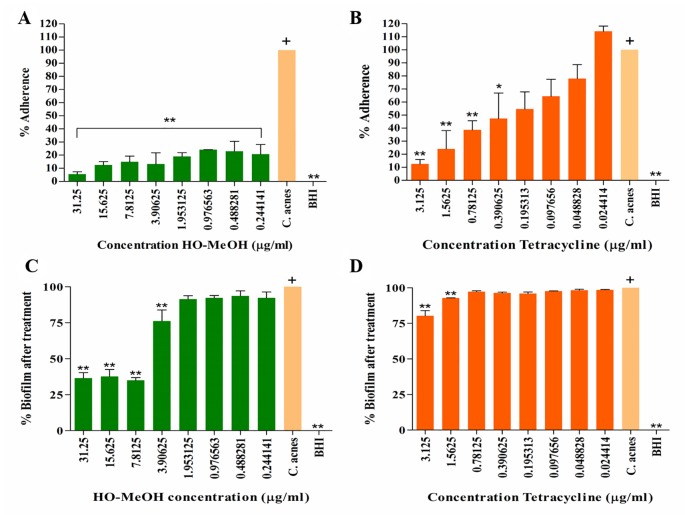
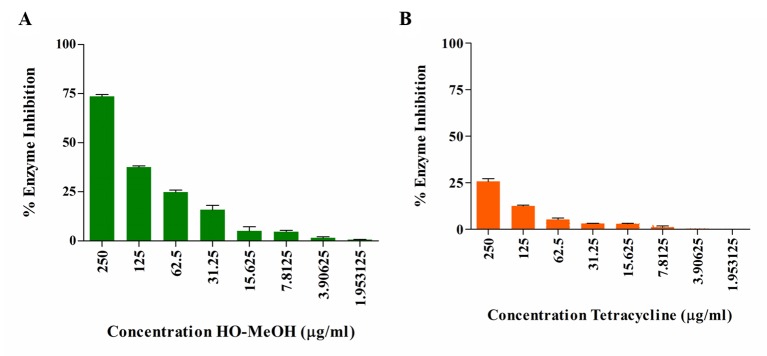
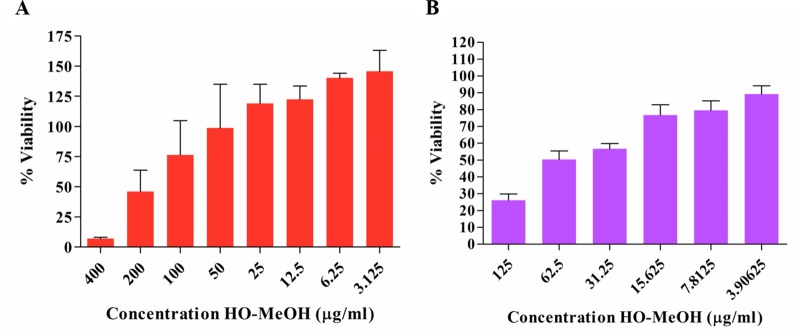
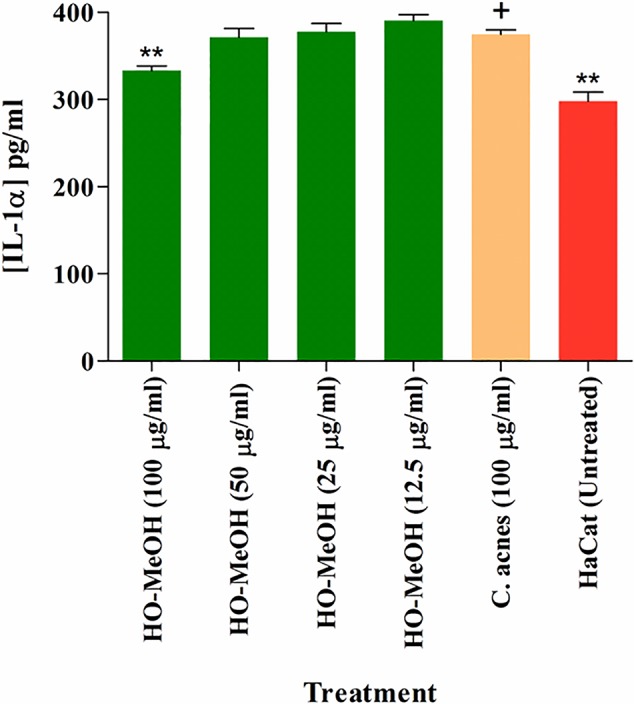
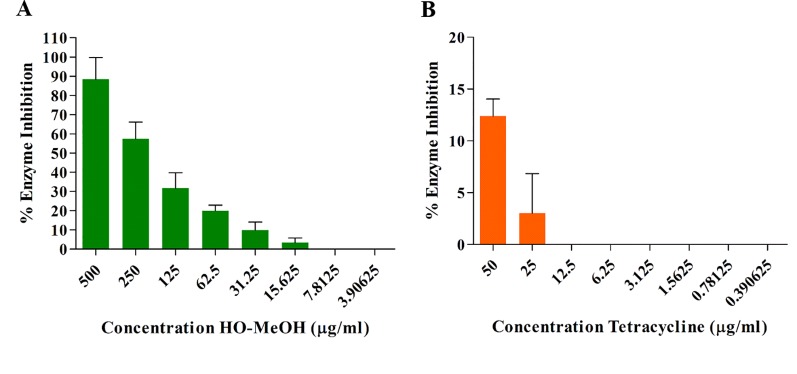
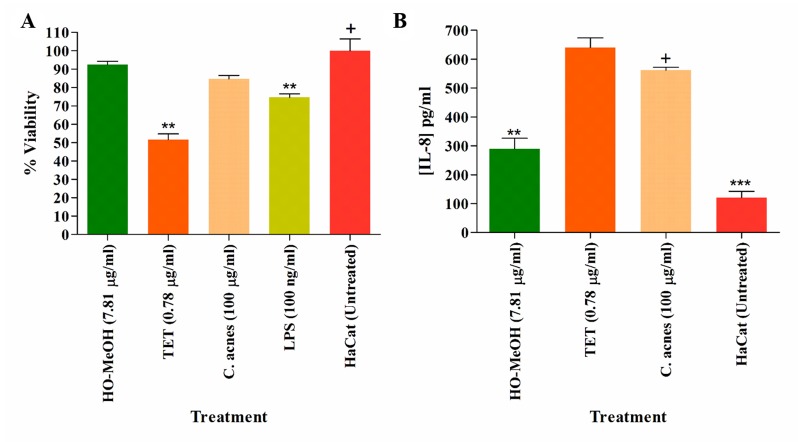
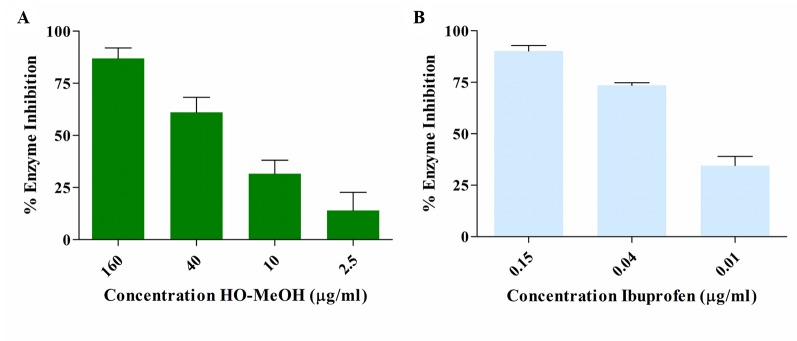
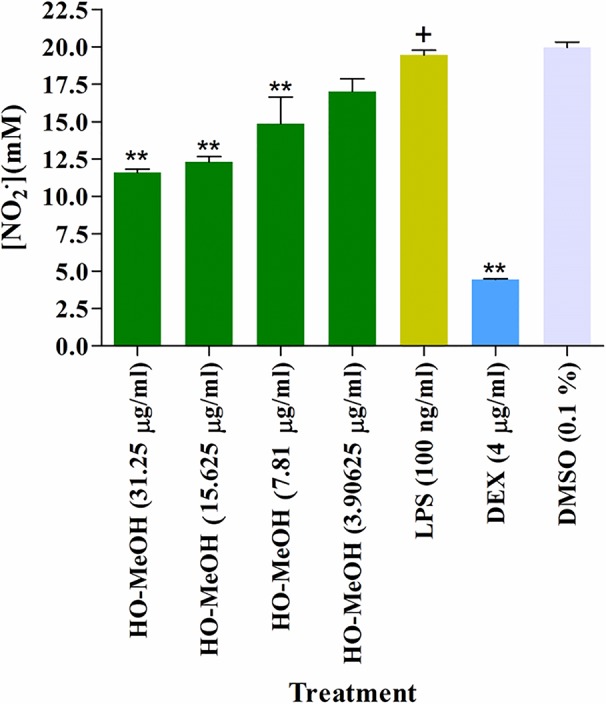
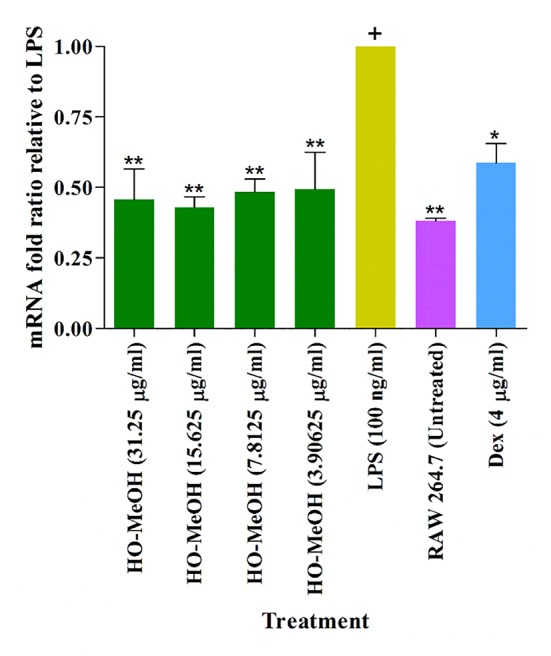
The Gram-positive bacterium (previously ), plays an important role in the pathogenesis and progression of the dermatological skin disorder acne vulgaris. The methanolic extract of (L.) Sweet (HO-MeOH) was investigated for its ability to target bacterial growth and pathogenic virulence factors associated with acne progression. The gas chromatography-mass spectrometry (GC-MS) analysis of HO-MeOH identified -humulene (3.94%), -curcumene (3.74%), and caryophyllene (8.12%) as major constituents, which correlated with previous reports of other species. The HO-MeOH extract exhibited potent antimicrobial activity against (ATCC 6919) with a minimum inhibitory concentration (MIC) of 7.81 µg/ml. It enhanced the antimicrobial activity of benzoyl peroxide (BPO). The extract showed high specificity against . cell aggregation at sub-inhibitory concentrations, preventing biofilm formation. Mature . biofilms were disrupted at a sub-inhibitory concentration of 3.91 µg/ml. At 100 µg/ml, HO-MeOH reduced interleukin-1α (IL-1α) cytokine levels in . -induced human keratinocytes (HaCaT) by 11.08%, highlighting its potential as a comedolytic agent for the treatment of comedonal acne. The extract exhibited a 50% inhibitory concentration (IC) of 157.50 µg/ml against lipase enzyme activity, an enzyme responsible for sebum degradation, ultimately causing inflammation. The extract's anti-inflammatory activity was tested against various targets associated with inflammatory activation by the bacterium. The extract inhibited pro-inflammatory cytokine levels of IL-8 by 48.31% when compared to . -induced HaCaT cells at 7.81 µg/ml. It exhibited cyclooxygenase-II (COX-II) enzyme inhibition with an IC of 22.87 µg/ml. Intracellular nitric oxide (NO) was inhibited by 40.39% at 7.81 µg/ml when compared with NO production in lipopolysaccharide (LPS)-induced RAW264.7 cells. The intracellular NO inhibition was potentially due to the 2.14 fold reduction of inducible nitric oxide synthase (iNOS) gene expression. The HO-MeOH extract exhibited an IC of 145.45 µg/ml against virulent hyaluronidase enzyme activity, which is responsible for hyaluronan degradation and scar formation. This study provides scientific validation for the traditional use of as an ointment for pimples, not only due to its ability to control . proliferation but also due to its inhibitory activity on various targets associated with bacterial virulence leading to acne progression.
革兰氏阳性菌(以前称为 )在寻常型痤疮这种皮肤病的发病机制和进展中起重要作用。对甜叶菊(L.)Sweet的甲醇提取物(HO-MeOH)针对与痤疮进展相关的细菌生长和致病毒力因子的作用能力进行了研究。HO-MeOH的气相色谱-质谱(GC-MS)分析确定了α-葎草烯(3.94%)、β-姜黄烯(3.74%)和石竹烯(8.12%)为主要成分,这与其他甜叶菊物种的先前报道相符。HO-MeOH提取物对痤疮丙酸杆菌(ATCC 6919)表现出强大的抗菌活性,最低抑菌浓度(MIC)为7.81微克/毫升。它增强了过氧化苯甲酰(BPO)的抗菌活性。该提取物对痤疮丙酸杆菌表现出高度特异性。在亚抑菌浓度下可防止痤疮丙酸杆菌细胞聚集,阻止生物膜形成。在3.91微克/毫升的亚抑菌浓度下可破坏成熟的痤疮丙酸杆菌生物膜。在浓度为100微克/毫升时,HO-MeOH使痤疮丙酸杆菌诱导的人角质形成细胞(HaCaT)中白细胞介素-1α(IL-1α)细胞因子水平降低了11.08%,突出了其作为治疗粉刺性痤疮的角质溶解剂的潜力。该提取物对负责皮脂降解并最终导致炎症的脂肪酶活性的50%抑制浓度(IC)为157.50微克/毫升。针对与该细菌炎症激活相关的各种靶点测试了该提取物的抗炎活性。与痤疮丙酸杆菌诱导的HaCaT细胞相比,在7.81微克/毫升时,该提取物使IL-8的促炎细胞因子水平降低了48.31%。它对环氧合酶-II(COX-II)酶的抑制作用的IC为22.87微克/毫升。与脂多糖(LPS)诱导的RAW264.7细胞中的一氧化氮(NO)产生相比,在7.81微克/毫升时细胞内NO被抑制了40.39%。细胞内NO的抑制可能是由于诱导型一氧化氮合酶(iNOS)基因表达降低了2.14倍。HO-MeOH提取物对负责透明质酸降解和疤痕形成的有毒透明质酸酶活性的IC为145.45微克/毫升。这项研究为传统上将甜叶菊用作治疗粉刺的软膏提供了科学验证,这不仅是因为它能够控制痤疮丙酸杆菌的增殖,还因为它对与导致痤疮进展的细菌毒力相关的各种靶点具有抑制活性。