Nazipi Seven, Stødkilde-Jørgensen Kristian, Scavenius Carsten, Brüggemann Holger
Department of Biomedicine, Aarhus University, 8000 Aarhus C, Denmark.
Department of Molecular Biology and Genetics, Aarhus University, 8000 Aarhus C, Denmark.
Microorganisms. 2017 Sep 12;5(3):57. doi: 10.3390/microorganisms5030057.
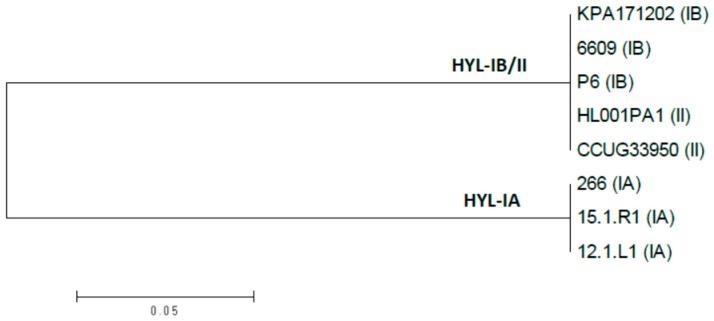
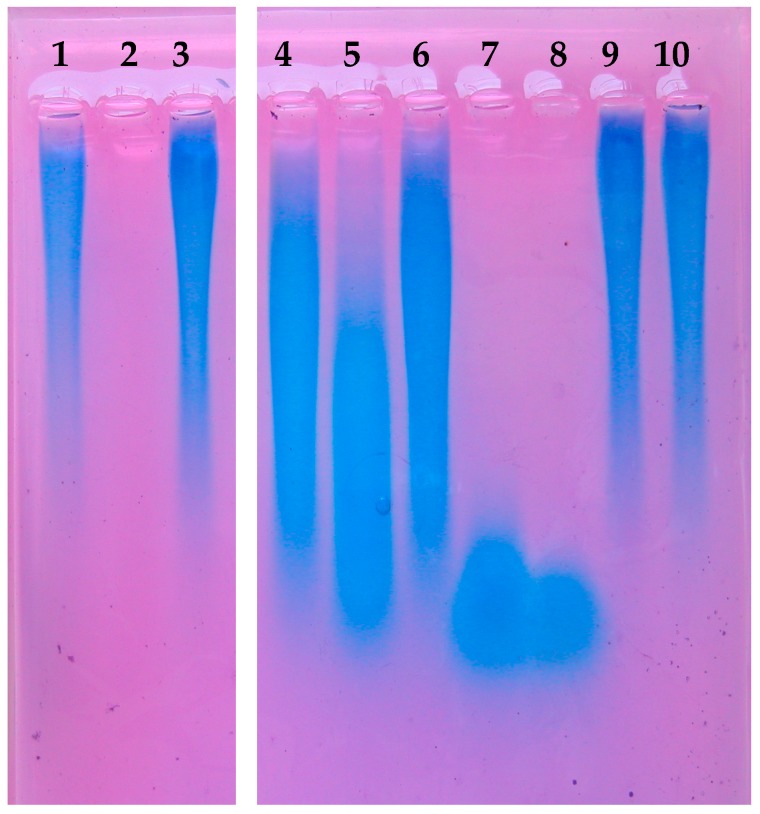
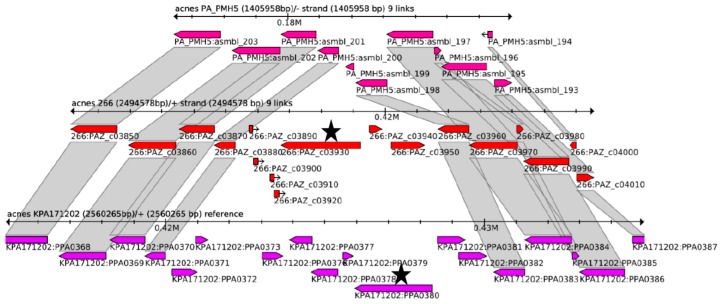
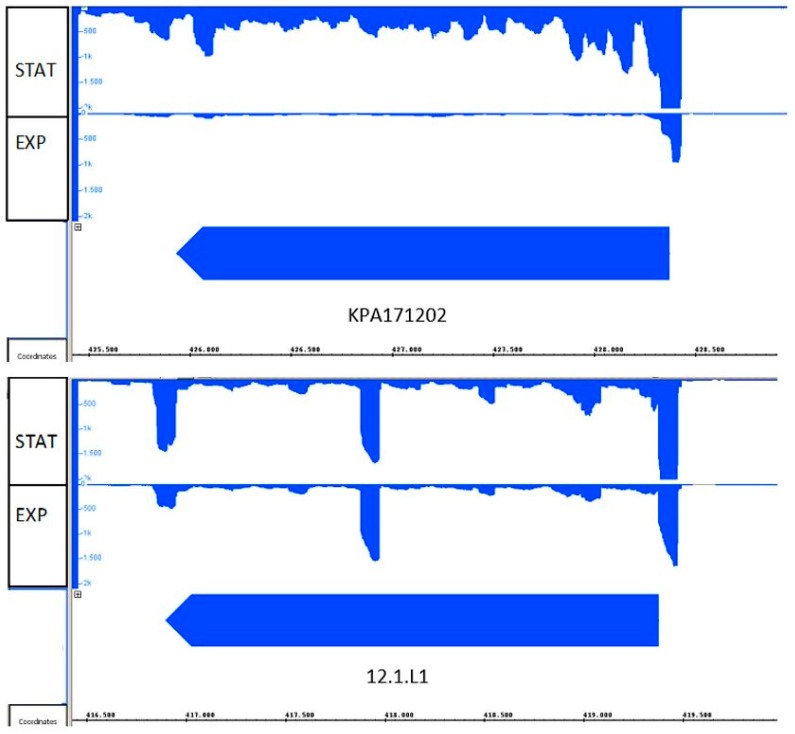
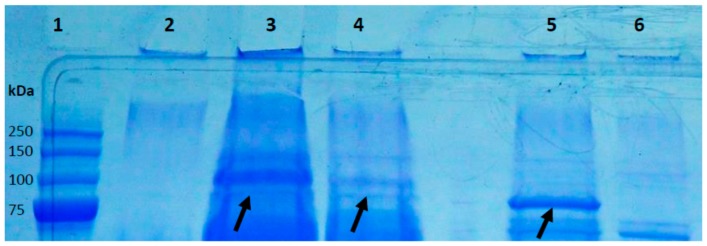
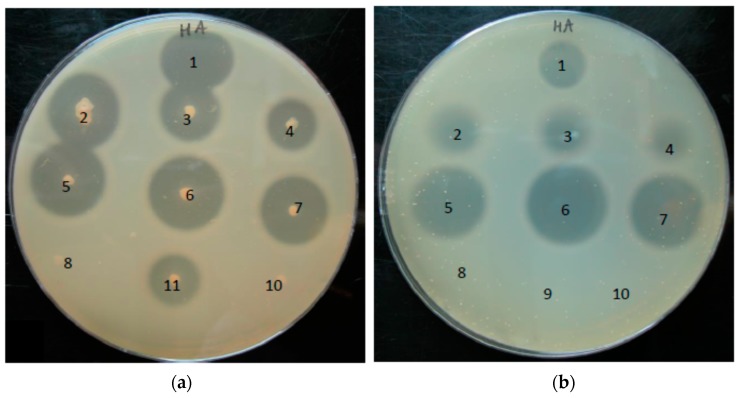
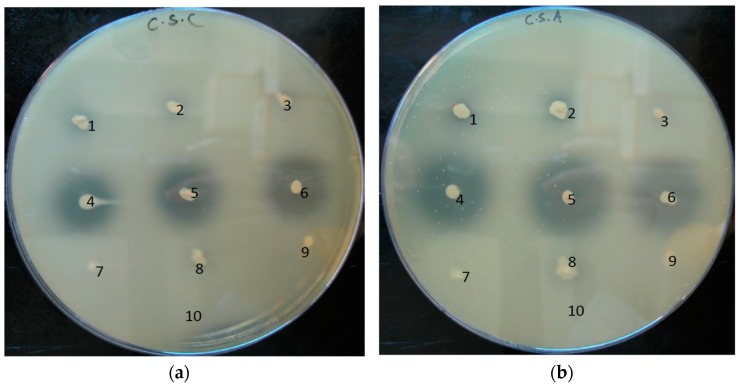
Hyaluronic acid (HA) and other glycosaminoglycans are extracellular matrix components in the human epidermis and dermis. One of the most prevalent skin microorganisms, , possesses HA-degrading activity, possibly conferred by the enzyme hyaluronate lyase (HYL). In this study, we identified the HYL of and investigated the genotypic and phenotypic characteristics. Investigations include the generation of a knockout mutant and HYL activity assays to determine the substrate range and formed products. We found that employs two distinct variants of HYL. One variant, HYL-IB/II, is highly active, resulting in complete HA degradation; it is present in strains of the phylotypes IB and II. The other variant, HYL-IA, has low activity, resulting in incomplete HA degradation; it is present in type IA strains. Our findings could explain some of the observed differences between phylotype IA and IB/II strains. Whereas type IA strains are primarily found on the skin surface and associated with acne vulgaris, type IB/II strains are more often associated with soft and deep tissue infections, which would require elaborate tissue invasion strategies, possibly accomplished by a highly active HYL-IB/II.
透明质酸(HA)和其他糖胺聚糖是人类表皮和真皮中的细胞外基质成分。最常见的皮肤微生物之一具有HA降解活性,可能由透明质酸裂解酶(HYL)赋予。在本研究中,我们鉴定了该微生物的HYL,并研究了其基因型和表型特征。研究包括产生该微生物的基因敲除突变体以及进行HYL活性测定以确定底物范围和形成的产物。我们发现该微生物采用两种不同的HYL变体。一种变体,HYL-IB/II,活性很高,导致HA完全降解;它存在于系统发育型IB和II的菌株中。另一种变体,HYL-IA,活性较低,导致HA不完全降解;它存在于IA型菌株中。我们的发现可以解释在该微生物系统发育型IA和IB/II菌株之间观察到的一些差异。IA型菌株主要存在于皮肤表面并与寻常痤疮相关,而IB/II型菌株更常与软组织和深部组织感染相关,这可能需要复杂的组织侵袭策略,可能由高活性的HYL-IB/II来完成。