Lhomme Sébastien, Nicot Florence, Jeanne Nicolas, Dimeglio Chloé, Roulet Alain, Lefebvre Caroline, Carcenac Romain, Manno Maxime, Dubois Martine, Peron Jean-Marie, Alric Laurent, Kamar Nassim, Abravanel Florence, Izopet Jacques
Laboratoire de Virologie, Centre National de Référence du virus de l'hépatite E, Hôpital Purpan, CHU de Toulouse, Toulouse, France.
INSERM, U1043, Toulouse, France.
Front Microbiol. 2020 Jan 31;11:1. doi: 10.3389/fmicb.2020.00001. eCollection 2020.
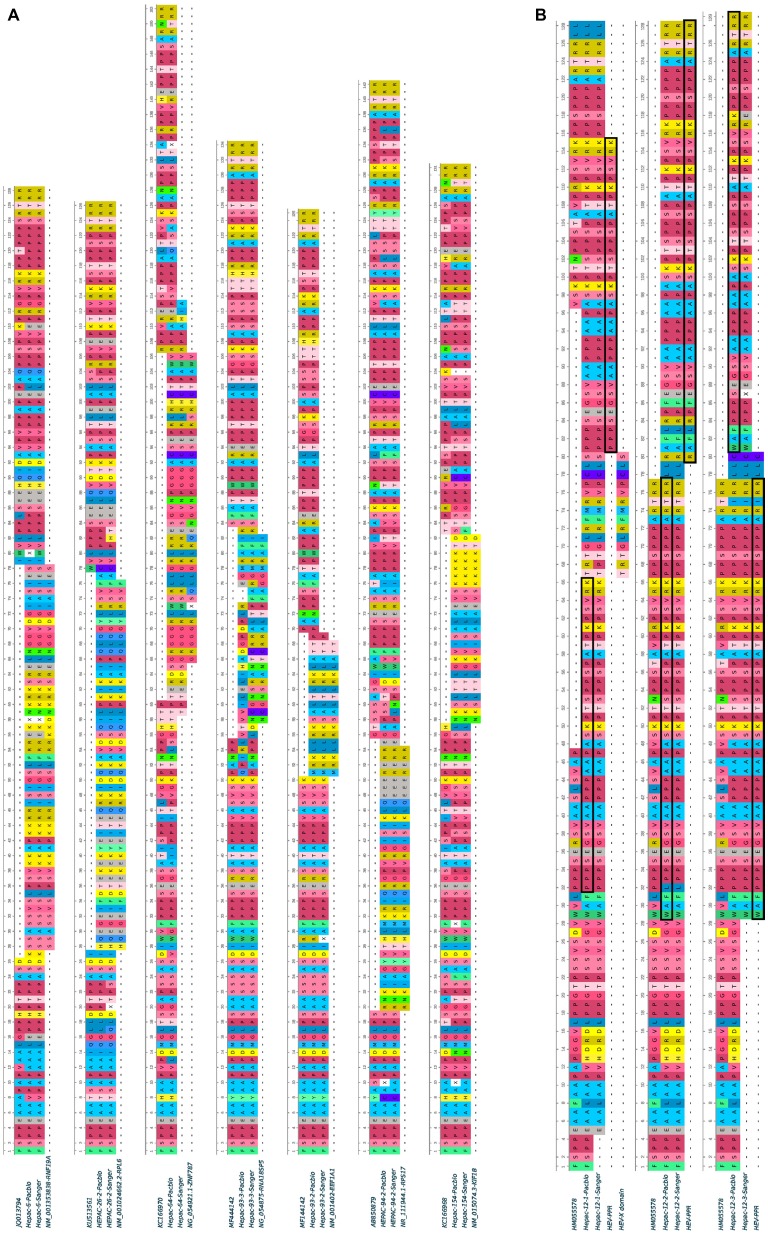
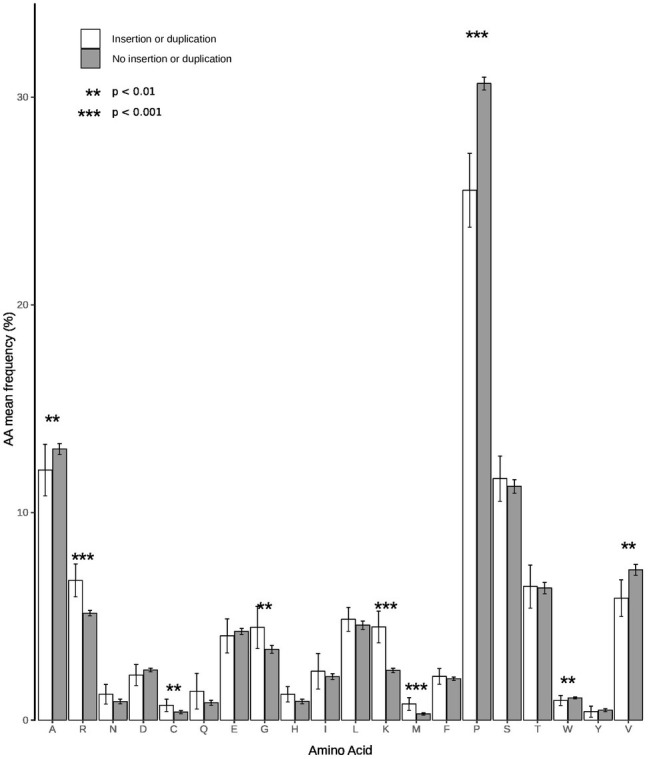
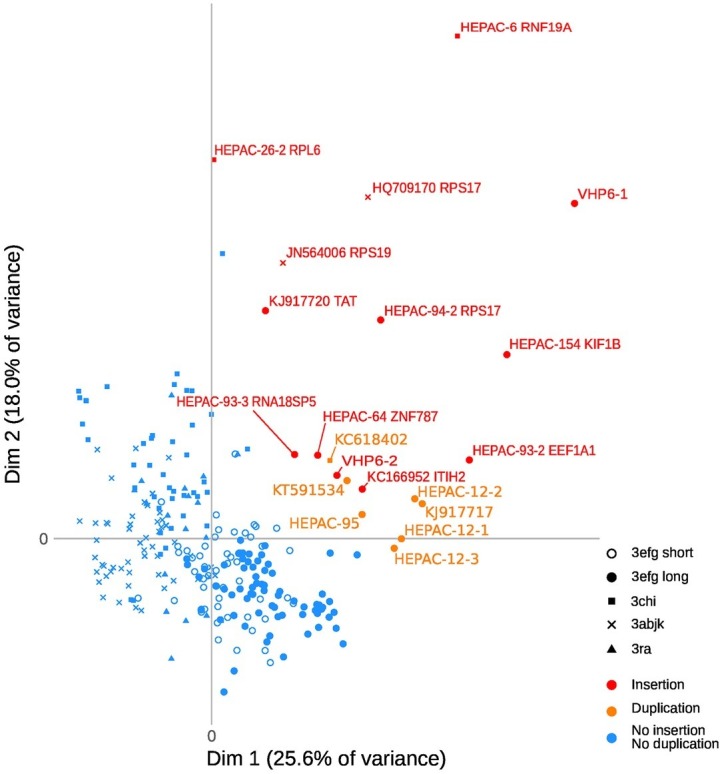
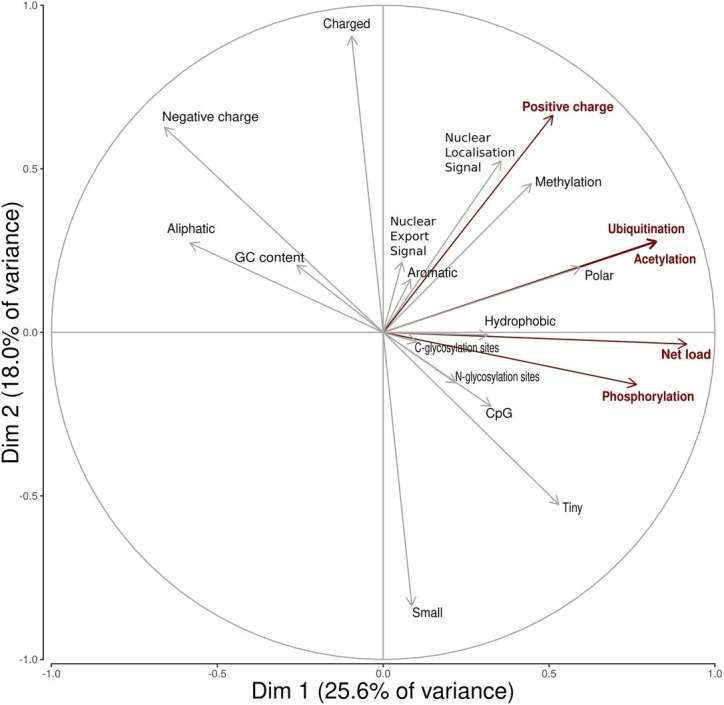
Recombinant strains of hepatitis E virus (HEV) with insertions of human genomic fragments or HEV sequence duplications in the sequence encoding the polyproline region (PPR) were previously described in chronically infected patients. Such genomic rearrangements confer a replicative advantage but little is known about their frequency, location, or origin. As the sequences of only a few virus genomes are available, we analyzed the complete genomes of 114 HEV genotype 3 strains from immunocompromised ( = 85) and immunocompetent ( = 29) patients using the single molecular real-time sequencing method to determine the frequency, location, and origin of inserted genomic fragments, plus the proportions of variants with genomic rearrangements in each virus quasispecies. We also examined the amino acid compositions and post-translational modifications conferred by these rearrangements by comparing them to sequences without human gene insertions or HEV gene duplications. We found genomic rearrangements in 7/114 (6.1%) complete genome sequences (4 HEV-3f, 1 HEV-3e, 1 HEV-3 h, and 1 HEV-3chi-new), all from immunocompromised patients, and 3/7 were found at the acute phase of infection. Six of the seven patients harbored virus-host recombinant variants, including one patient with two different recombinant variants. We also detected three recombinant variants with genome duplications of the PPR or PPR + X domains in a single patient. All the genomic rearrangements (seven human fragment insertions of varying origins and three HEV genome duplications) occurred in the PPR. The sequences with genomic rearrangements had specific characteristics: increased net load ( < 0.001) and more ubiquitination ( < 0.001), phosphorylation ( < 0.001), and acetylation ( < 0.001) sites. The human fragment insertions and HEV genome duplications had slightly different characteristics. We believe this is the first description of HEV strains with genomic rearrangements in patients at the acute phase of infection; perhaps these strains are directly transmitted. Clearly, genomic rearrangements produce a greater net load with duplications and insertions having different features. Further studies are needed to clarify the mechanisms by which such modifications influence HEV replication.
先前在慢性感染患者中描述过戊型肝炎病毒(HEV)的重组毒株,其在编码多聚脯氨酸区域(PPR)的序列中插入了人类基因组片段或HEV序列重复。这种基因组重排赋予了复制优势,但对其频率、位置或起源知之甚少。由于仅有少数病毒基因组的序列可供使用,我们采用单分子实时测序方法分析了114株来自免疫功能低下(n = 85)和免疫功能正常(n = 29)患者的HEV 3型毒株的完整基因组,以确定插入的基因组片段的频率、位置和起源,以及每个病毒准种中具有基因组重排的变体比例。我们还通过将它们与没有人类基因插入或HEV基因重复的序列进行比较,研究了这些重排所赋予的氨基酸组成和翻译后修饰。我们在114个完整基因组序列中的7个(6.1%)中发现了基因组重排(4个HEV-3f、1个HEV-3e、1个HEV-3h和1个HEV-3chi-new),均来自免疫功能低下的患者,其中3/7是在感染急性期发现的。7名患者中有6名携带病毒-宿主重组变体,包括1名携带两种不同重组变体的患者。我们还在1名患者中检测到3种具有PPR或PPR + X结构域基因组重复的重组变体。所有基因组重排(7个不同起源的人类片段插入和3个HEV基因组重复)均发生在PPR中。具有基因组重排的序列具有特定特征:净负荷增加(P < 0.001),泛素化(P < 0.001)、磷酸化(P < 0.001)和乙酰化(P < 0.001)位点增多。人类片段插入和HEV基因组重复具有略有不同的特征。我们认为这是首次对感染急性期患者中具有基因组重排的HEV毒株进行描述;也许这些毒株是直接传播的。显然,基因组重排会产生更大的净负荷,重复和插入具有不同的特征。需要进一步研究以阐明这些修饰影响HEV复制的机制。