Department of Biochemistry and Molecular Biology II, School of Pharmacy, University of Granada, Campus de Cartuja, 18071 Granada, Spain.
Abbott Nutrition R&D, Abbott Laboratories, 18004 Granada, Spain.
Nutrients. 2020 Feb 19;12(2):528. doi: 10.3390/nu12020528.
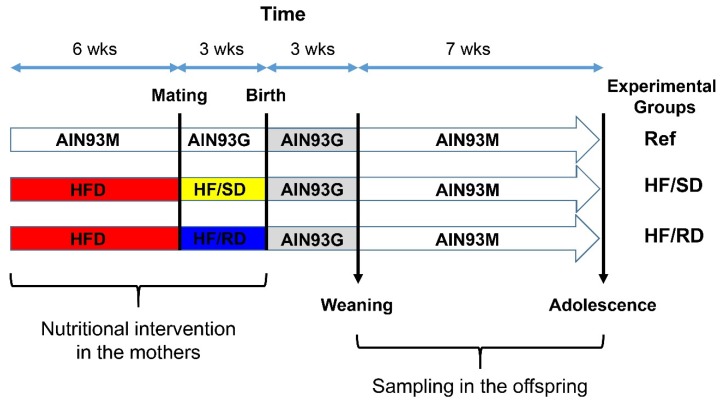
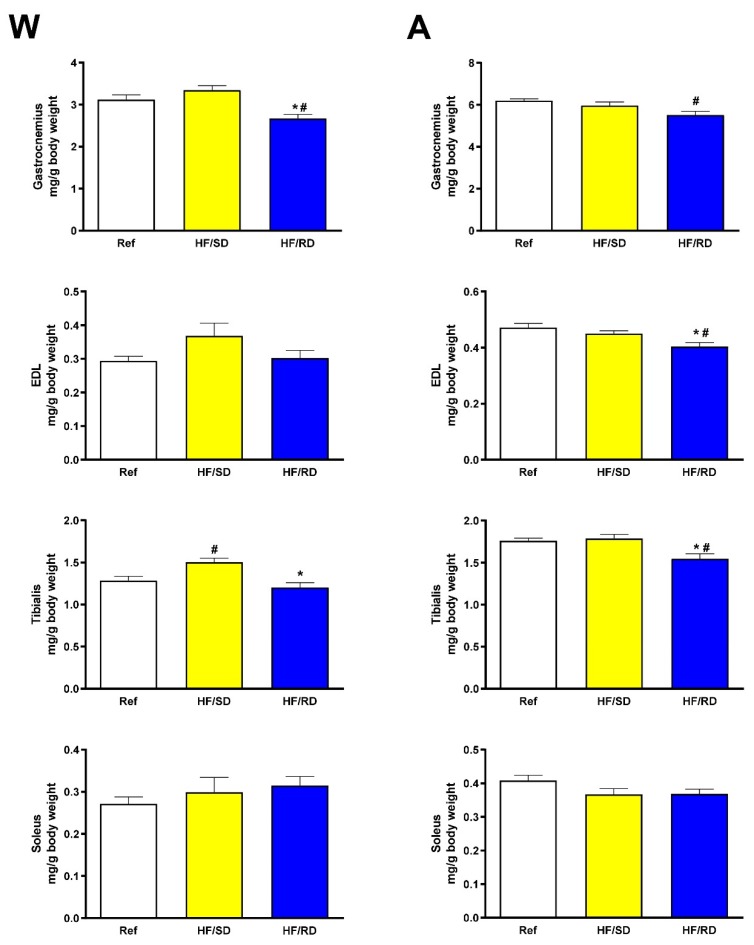
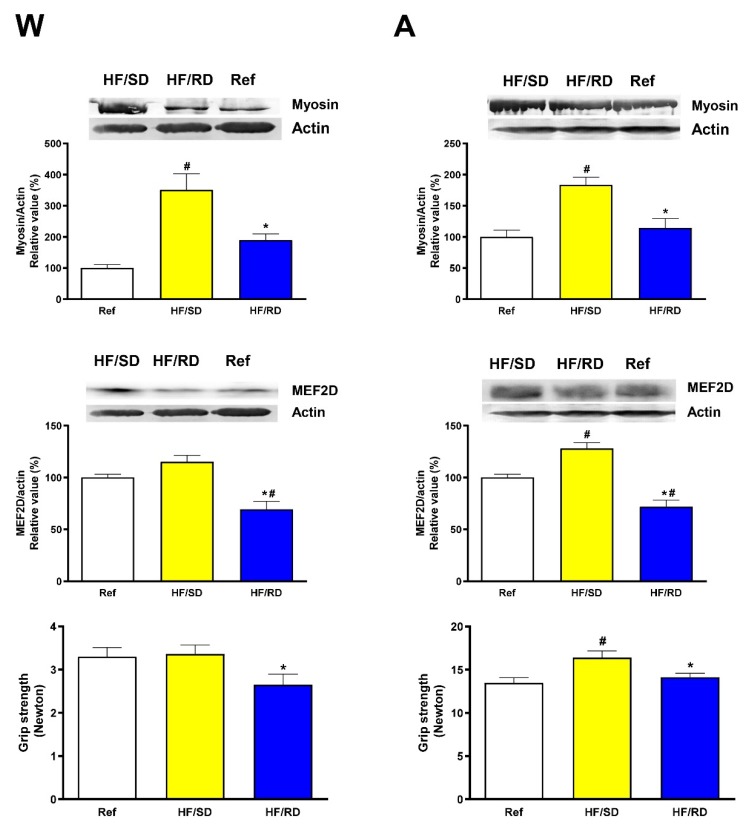
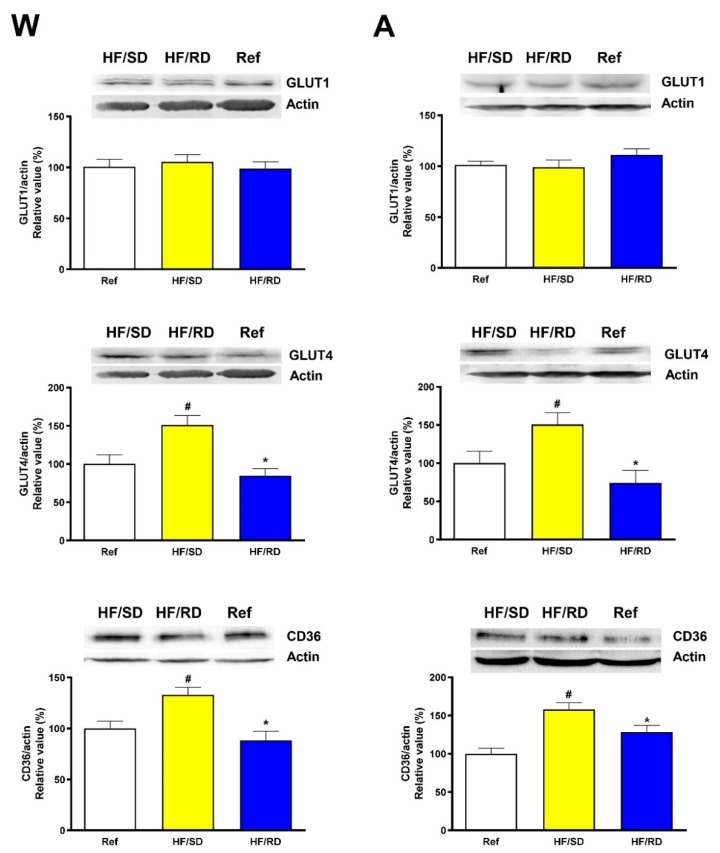
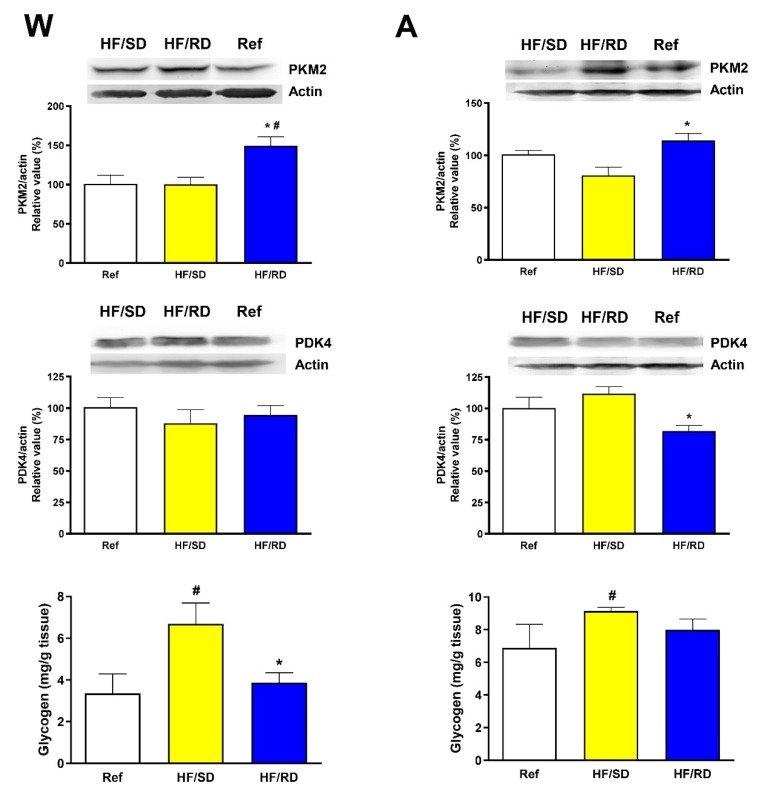
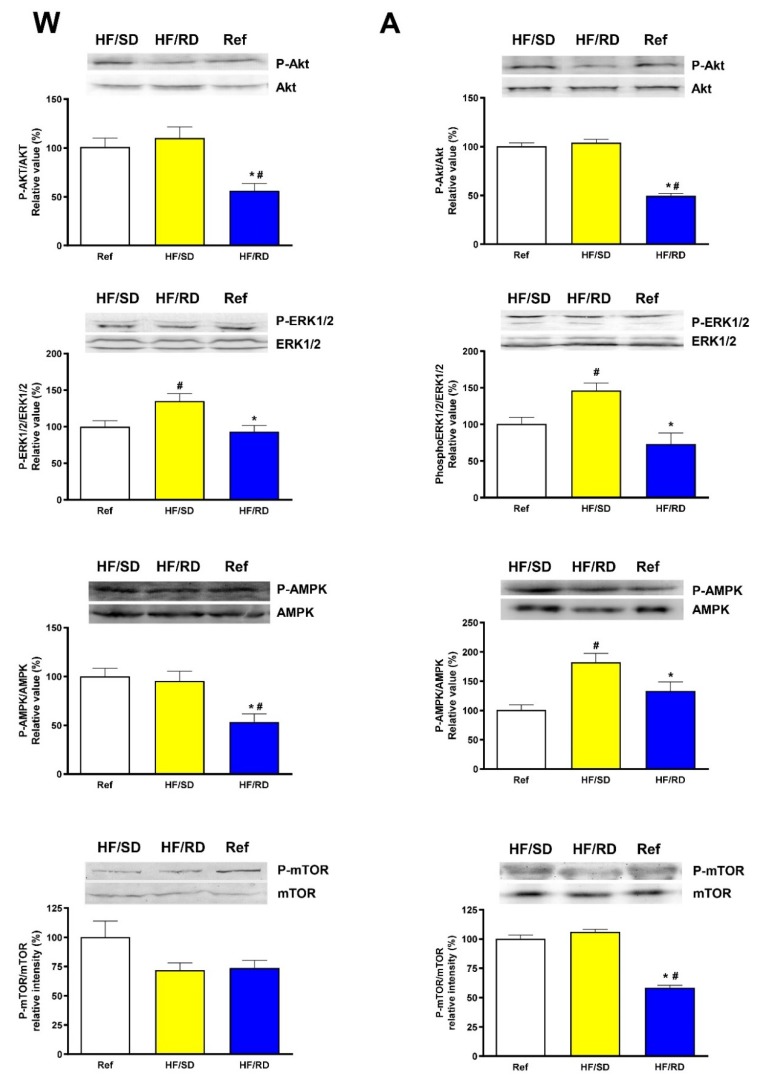
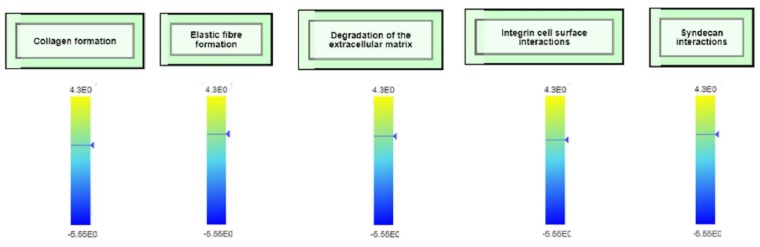
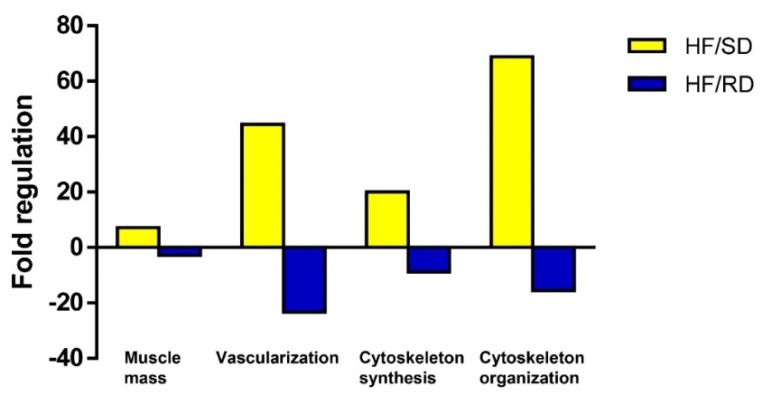
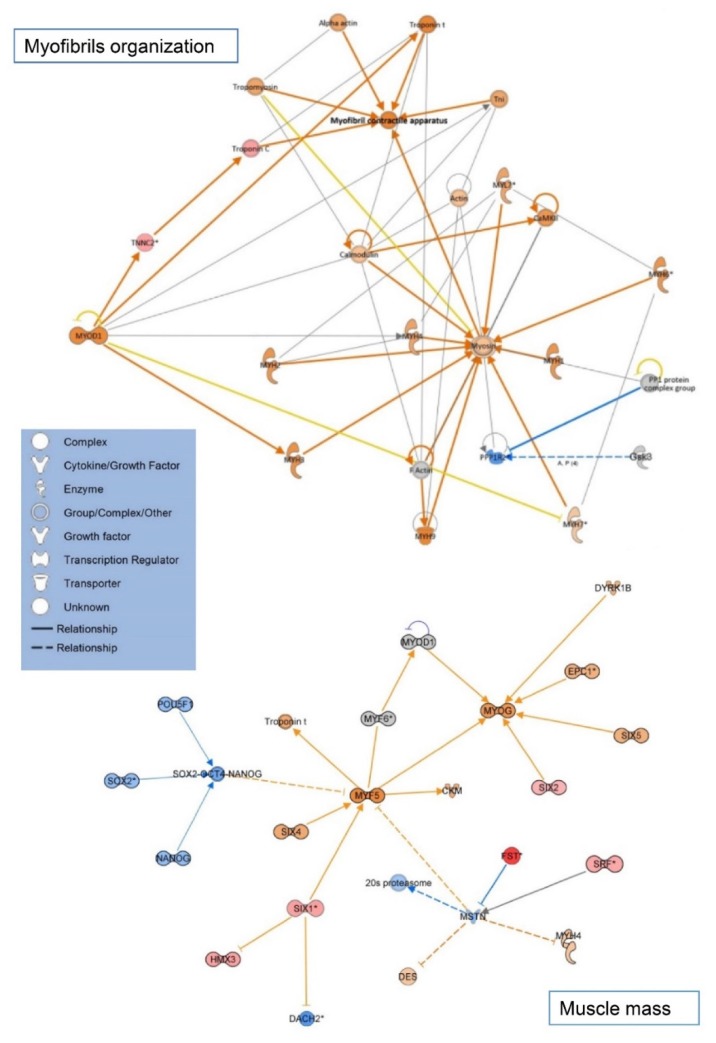
Skeletal muscle plays a relevant role in metabolic flexibility and fuel usage and the associated muscle metabolic inflexibility due to high-fat diets contributing to obesity and type 2 diabetes. Previous research from our group indicates that a high-fat and rapid-digesting carbohydrate diet during pregnancy promotes an excessive adipogenesis and also increases the risk of non-alcoholic fatty liver disease in the offspring. This effect can be counteracted by diets containing carbohydrates with similar glycemic load but lower digestion rates. To address the role of the skeletal muscle in these experimental settings, pregnant rats were fed high-fat diets containing carbohydrates with similar glycemic load but different digestion rates, a high fat containing rapid-digesting carbohydrates diet (HF/RD diet) or a high fat containing slow-digesting carbohydrates diet (HF/SD diet). After weaning, male offspring were fed a standard diet for 3 weeks (weaning) or 10 weeks (adolescence) and the impact of the maternal HF/RD and HF/SD diets on the metabolism, signaling pathways and muscle transcriptome was analyzed. The HF/SD offspring displayed better muscle features compared with the HF/RD group, showing a higher muscle mass, myosin content and differentiation markers that translated into a greater grip strength. In the HF/SD group, metabolic changes such as a higher expression of fatty acids (FAT/CD36) and glucose (GLUT4) transporters, an enhanced glycogen content, as well as changes in regulatory enzymes such as muscle pyruvate kinase and pyruvate dehydrogenase kinase 4 were found, supporting an increased muscle metabolic flexibility and improved muscle performance. The analysis of signaling pathways was consistent with a better insulin sensitivity in the muscle of the HF/SD group. Furthermore, increased expression of genes involved in pathways leading to muscle differentiation, muscle mass regulation, extracellular matrix content and insulin sensitivity were detected in the HF/SD group when compared with HF/RD animals. In the HF/SD group, the upregulation of the / gene could be one of the main regulators in the positive effects of the diet in early programming on the offspring. The long-lasting programming effects of the HF/SD diet during pregnancy may depend on a coordinated gene regulation, modulation of signaling pathways and metabolic flexibility that lead to an improved muscle functionality. The dietary early programming associated to HF/SD diet has synergic and positive crosstalk effects in several tissues, mainly muscle, liver and adipose tissue, contributing to maintain the whole body homeostasis in the offspring.
骨骼肌在代谢灵活性和燃料利用中发挥着重要作用,而高脂肪饮食导致的相关肌肉代谢灵活性降低会导致肥胖和 2 型糖尿病。我们小组的先前研究表明,怀孕期间高脂肪和快速消化碳水化合物的饮食会促进脂肪生成过度,并增加后代非酒精性脂肪肝疾病的风险。这种影响可以通过饮食中含有相似血糖负荷但消化速度较低的碳水化合物来抵消。为了研究骨骼肌在这些实验环境中的作用,我们给怀孕的大鼠喂食含有相似血糖负荷但消化速度不同的碳水化合物的高脂肪饮食,即高脂肪快速消化碳水化合物饮食(HF/RD 饮食)或高脂肪缓慢消化碳水化合物饮食(HF/SD 饮食)。在断奶后,雄性后代喂食标准饮食 3 周(断奶)或 10 周(青春期),分析母体 HF/RD 和 HF/SD 饮食对代谢、信号通路和肌肉转录组的影响。与 HF/RD 组相比,HF/SD 组的后代具有更好的肌肉特征,表现出更高的肌肉质量、肌球蛋白含量和分化标志物,从而转化为更大的握力。在 HF/SD 组中,发现代谢变化,例如脂肪酸(FAT/CD36)和葡萄糖(GLUT4)转运蛋白的表达增加、糖原含量增加,以及调节酶如肌肉丙酮酸激酶和丙酮酸脱氢酶激酶 4 的变化,支持肌肉代谢灵活性的提高和肌肉性能的改善。信号通路的分析与肌肉中胰岛素敏感性的提高一致。此外,与 HF/RD 动物相比,HF/SD 组中与肌肉分化、肌肉质量调节、细胞外基质含量和胰岛素敏感性相关的基因表达增加。在 HF/SD 组中,上调/基因可能是饮食在早期编程中对后代产生积极影响的主要调节因子之一。HF/SD 饮食在怀孕期间的持久编程效应可能依赖于协调的基因调控、信号通路的调节和代谢灵活性的提高,从而改善肌肉功能。与 HF/SD 饮食相关的早期饮食编程具有协同和积极的交叉对话作用,主要影响肌肉、肝脏和脂肪组织,有助于维持后代的全身内稳态。