Plant-Microbe Interaction and Rhizosphere Biology Lab, ICAR-National Bureau of Agriculturally Important Microorganisms, Maunath Bhanjan 275103, India.
Pilgram Marpeck School of Science, Technology, Engineering and Mathematics, Truett McConnel University, 100 Alumni Dr., Cleveland, GA 30528, USA.
Int J Environ Res Public Health. 2020 Feb 23;17(4):1434. doi: 10.3390/ijerph17041434.
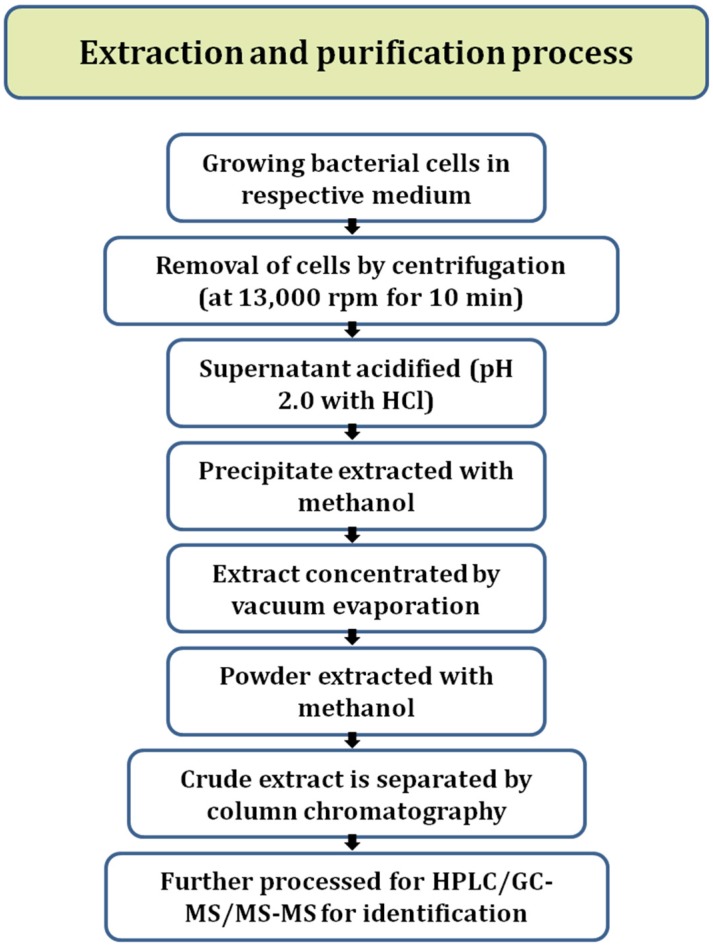
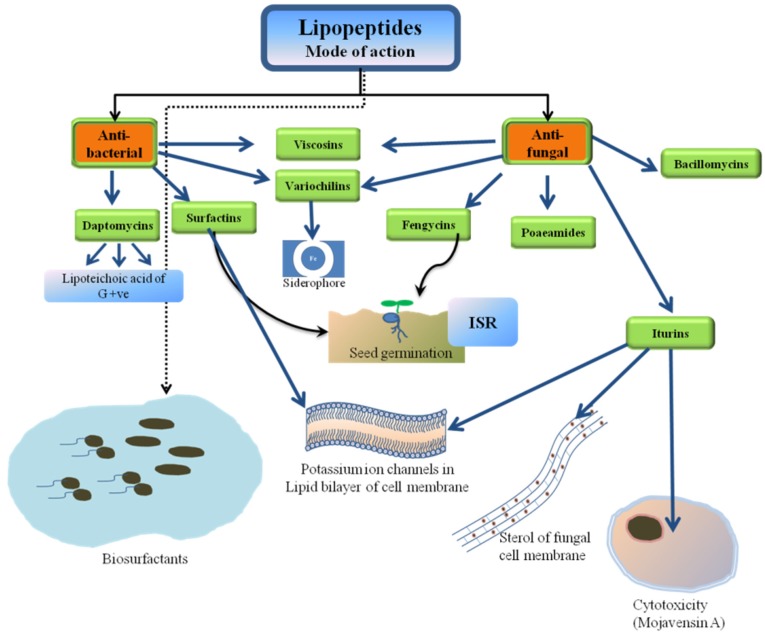
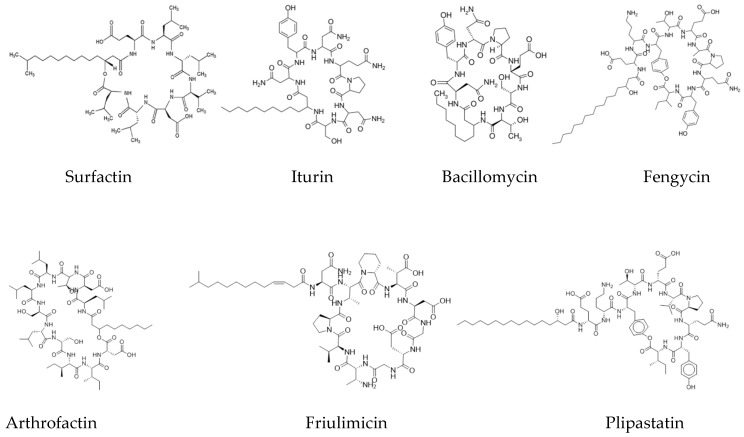
Microorganisms area treasure in terms of theproduction of various bioactive compounds which are being explored in different arenas of applied sciences. In agriculture, microbes and their bioactive compounds are being utilized in growth promotion and health promotion withnutrient fortification and its acquisition. Exhaustive explorations are unraveling the vast diversity of microbialcompounds with their potential usage in solving multiferous problems incrop production. Lipopeptides are one of such microbial compounds which havestrong antimicrobial properties against different plant pathogens. These compounds are reported to be produced by bacteria, cyanobacteria, fungi, and few other microorganisms; however, genus alone produces a majority of diverse lipopeptides. Lipopeptides are low molecular weight compounds which havemultiple industrial roles apart from being usedas biosurfactants and antimicrobials. In plant protection, lipopeptides have wide prospects owing totheirpore-forming ability in pathogens, siderophore activity, biofilm inhibition, and dislodging activity, preventing colonization bypathogens, antiviral activity, etc. Microbes with lipopeptides that haveall these actions are good biocontrol agents. Exploring these antimicrobial compounds could widen the vistasof biological pest control for existing and emerging plant pathogens. The broader diversity and strong antimicrobial behavior of lipopeptides could be a boon for dealing withcomplex pathosystems and controlling diseases of greater economic importance. Understanding which and how these compounds modulate the synthesis and production of defense-related biomolecules in the plants is a key question-the answer of whichneeds in-depth investigation. The present reviewprovides a comprehensive picture of important lipopeptides produced by plant microbiome, their isolation, characterization, mechanisms of disease control, behavior against phytopathogens to understand different aspects of antagonism, and potential prospects for future explorations as antimicrobial agents. Understanding and exploring the antimicrobial lipopeptides from bacteria and fungi could also open upan entire new arena of biopesticides for effective control of devastating plant diseases.
微生物是各种生物活性化合物的宝库,这些化合物在应用科学的不同领域中得到了探索。在农业中,微生物及其生物活性化合物被用于促进生长和健康,包括营养强化和获取。广泛的探索揭示了微生物化合物的巨大多样性,以及它们在解决作物生产中多种问题方面的潜在用途。脂肽是一种具有抗不同植物病原体的强大抗菌特性的微生物化合物。这些化合物据报道由细菌、蓝细菌、真菌和其他一些微生物产生;然而,仅仅 属就产生了大多数不同的脂肽。脂肽是具有多种工业用途的低分子量化合物,除了用作生物表面活性剂和抗菌剂外。在植物保护方面,由于脂肽具有在病原体中形成孔的能力、铁载体活性、生物膜抑制和驱菌活性、防止病原体定植、抗病毒活性等,因此具有广阔的前景。具有所有这些作用的带有脂肽的微生物是良好的生物防治剂。探索这些抗菌化合物可以拓宽现有的和新兴的植物病原体的生物防治视野。脂肽更广泛的多样性和强大的抗菌行为可能有助于处理复杂的病理系统和控制更具经济重要性的疾病。了解这些化合物如何调节植物中与防御相关的生物分子的合成和产生是一个关键问题——需要深入研究其答案。本综述提供了由植物微生物组产生的重要脂肽的全面概述,包括它们的分离、表征、疾病控制机制、对植物病原体的行为,以了解拮抗作用的不同方面,以及作为抗菌剂的未来探索的潜在前景。了解和探索来自细菌和真菌的抗菌脂肽也可能为有效控制破坏性植物病害开辟一个全新的生物农药领域。