Department of Biology, Indiana University, Bloomington, IN 47405, USA.
Department of Anatomy, College of Medicine, Howard University, Washington, DC 20059, USA.
Int J Mol Sci. 2020 Feb 25;21(5):1558. doi: 10.3390/ijms21051558.
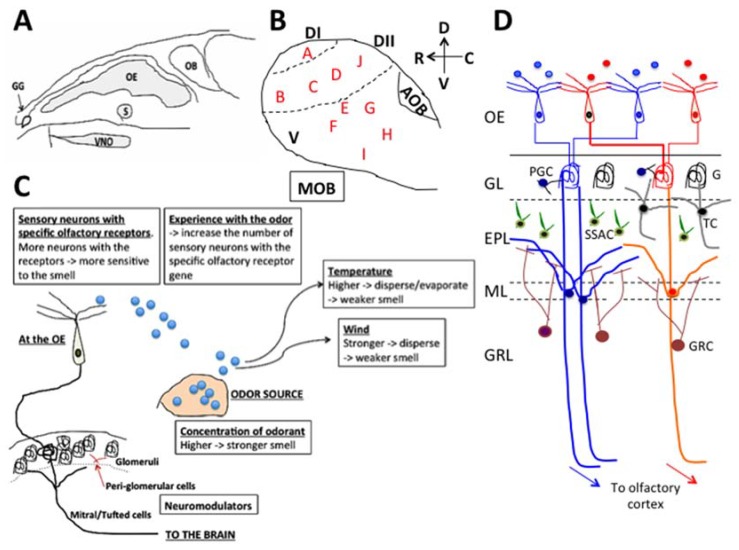
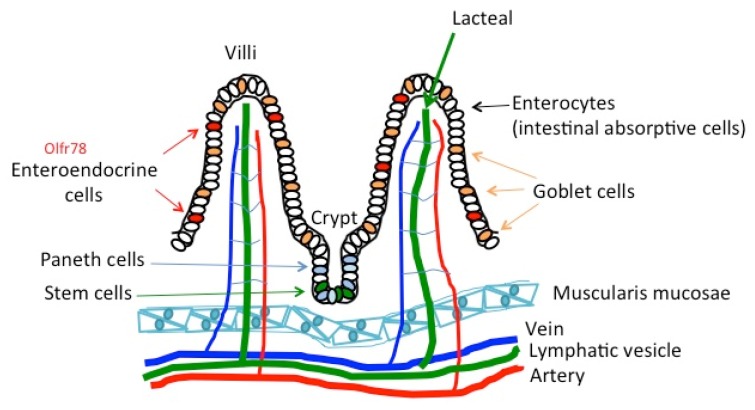
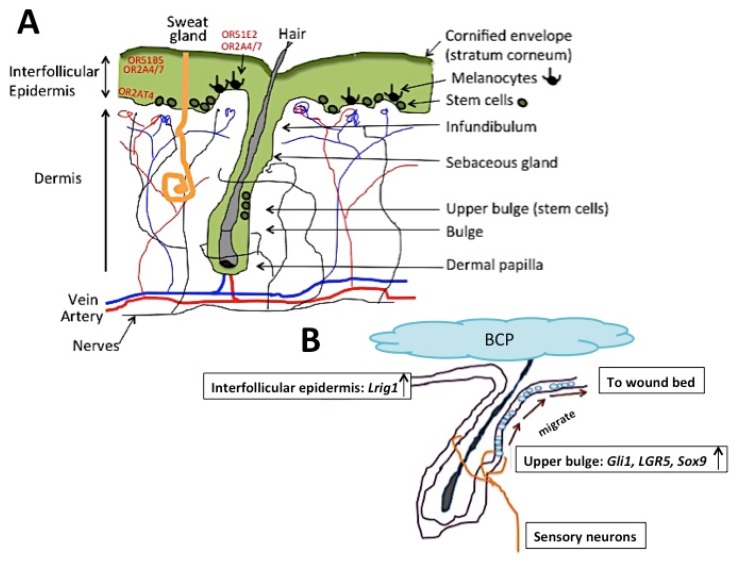
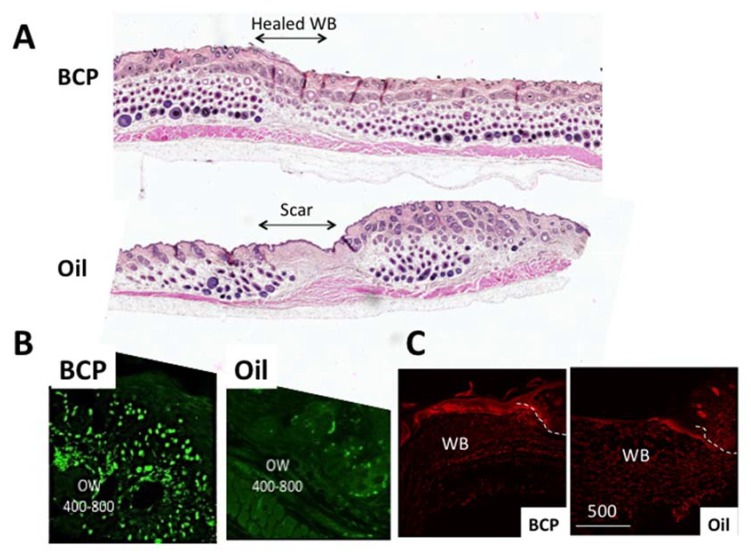
Essential oils have been used in multiple ways, i.e., inhaling, topically applying on the skin, and drinking. Thus, there are three major routes of intake or application involved: the olfactory system, the skin, and the gastro-intestinal system. Understanding these routes is important for clarifying the mechanisms of action of essential oils. Here we summarize the three systems involved, and the effects of essential oils and their constituents at the cellular and systems level. Many factors affect the rate of uptake of each chemical constituent included in essential oils. It is important to determine how much of each constituent is included in an essential oil and to use single chemical compounds to precisely test their effects. Studies have shown synergistic influences of the constituents, which affect the mechanisms of action of the essential oil constituents. For the skin and digestive system, the chemical components of essential oils can directly activate gamma aminobutyric acid (GABA) receptors and transient receptor potential channels (TRP) channels, whereas in the olfactory system, chemical components activate olfactory receptors. Here, GABA receptors and TRP channels could play a role, mostly when the signals are transferred to the olfactory bulb and the brain.
精油有多种使用方式,例如吸入、涂抹在皮肤上和饮用。因此,有三种主要的摄入或应用途径:嗅觉系统、皮肤和胃肠道系统。了解这些途径对于阐明精油的作用机制很重要。在这里,我们总结了所涉及的三个系统,以及精油及其成分在细胞和系统水平上的作用。许多因素会影响精油中包含的每种化学成分的吸收速度。重要的是要确定精油中包含多少种成分,并使用单一的化学化合物来精确测试它们的效果。研究表明,成分的协同作用会影响精油成分的作用机制。对于皮肤和消化系统,精油的化学成分可以直接激活γ-氨基丁酸 (GABA) 受体和瞬时受体电位通道 (TRP) 通道,而在嗅觉系统中,化学物质则激活嗅觉受体。在这里,GABA 受体和 TRP 通道可能会发挥作用,主要是当信号被传递到嗅球和大脑时。