't Hart Bert A
Department of Immunobiology, Biomedical Primate Research Centre, Rijswijk, the Netherlands.
Department of Biomedical Sciences of Cells and Systems, University Medical Center Groningen, the Netherlands.
Primate Biol. 2019 May 10;6(1):17-58. doi: 10.5194/pb-6-17-2019. eCollection 2019.
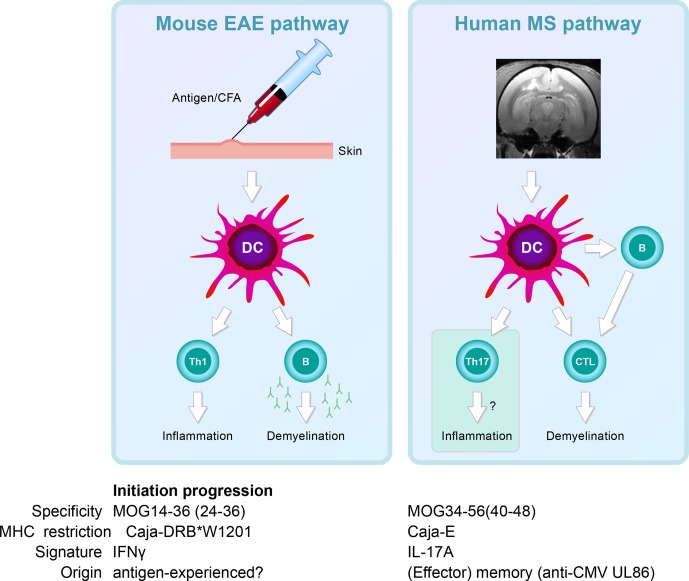
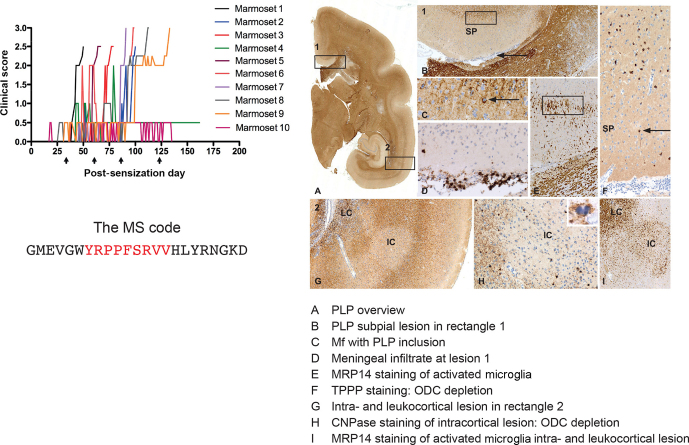
Aging Western societies are facing an increasing prevalence of chronic autoimmune-mediated inflammatory disorders (AIMIDs) for which treatments that are safe and effective are scarce. One of the main reasons for this situation is the lack of animal models, which accurately replicate clinical and pathological aspects of the human diseases. One important AIMID is the neuroinflammatory disease multiple sclerosis (MS), for which the mouse experimental autoimmune encephalomyelitis (EAE) model has been frequently used in preclinical research. Despite some successes, there is a long list of experimental treatments that have failed to reproduce promising effects observed in murine EAE models when they were tested in the clinic. This frustrating situation indicates a wide validity gap between mouse EAE and MS. This monography describes the development of an EAE model in nonhuman primates, which may help to bridge the gap.
老龄化的西方社会正面临着慢性自身免疫介导的炎症性疾病(AIMIDs)患病率不断上升的问题,而安全有效的治疗方法却很稀缺。造成这种情况的主要原因之一是缺乏能够准确复制人类疾病临床和病理特征的动物模型。一种重要的AIMID是神经炎性疾病多发性硬化症(MS),其小鼠实验性自身免疫性脑脊髓炎(EAE)模型在临床前研究中经常被使用。尽管取得了一些成功,但仍有一长串实验性治疗方法在临床测试时未能重现小鼠EAE模型中观察到的有前景的效果。这种令人沮丧的情况表明小鼠EAE模型与MS之间存在很大的有效性差距。这本专著描述了非人类灵长类动物EAE模型的开发,这可能有助于弥合这一差距。