School of Civil Engineering, Qingdao University of Technology, Qingdao 266033, China.
Department of Civil Engineering, University of Southern California, Los Angeles, California 90089-2531, USA.
Sensors (Basel). 2020 Feb 26;20(5):1271. doi: 10.3390/s20051271.
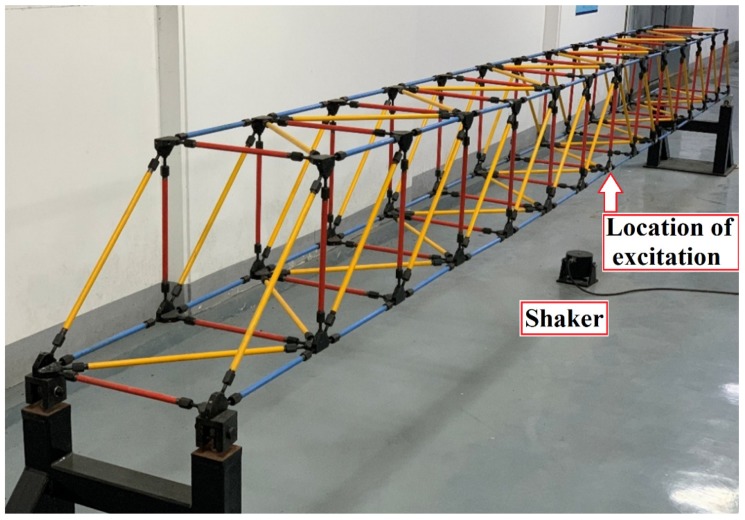
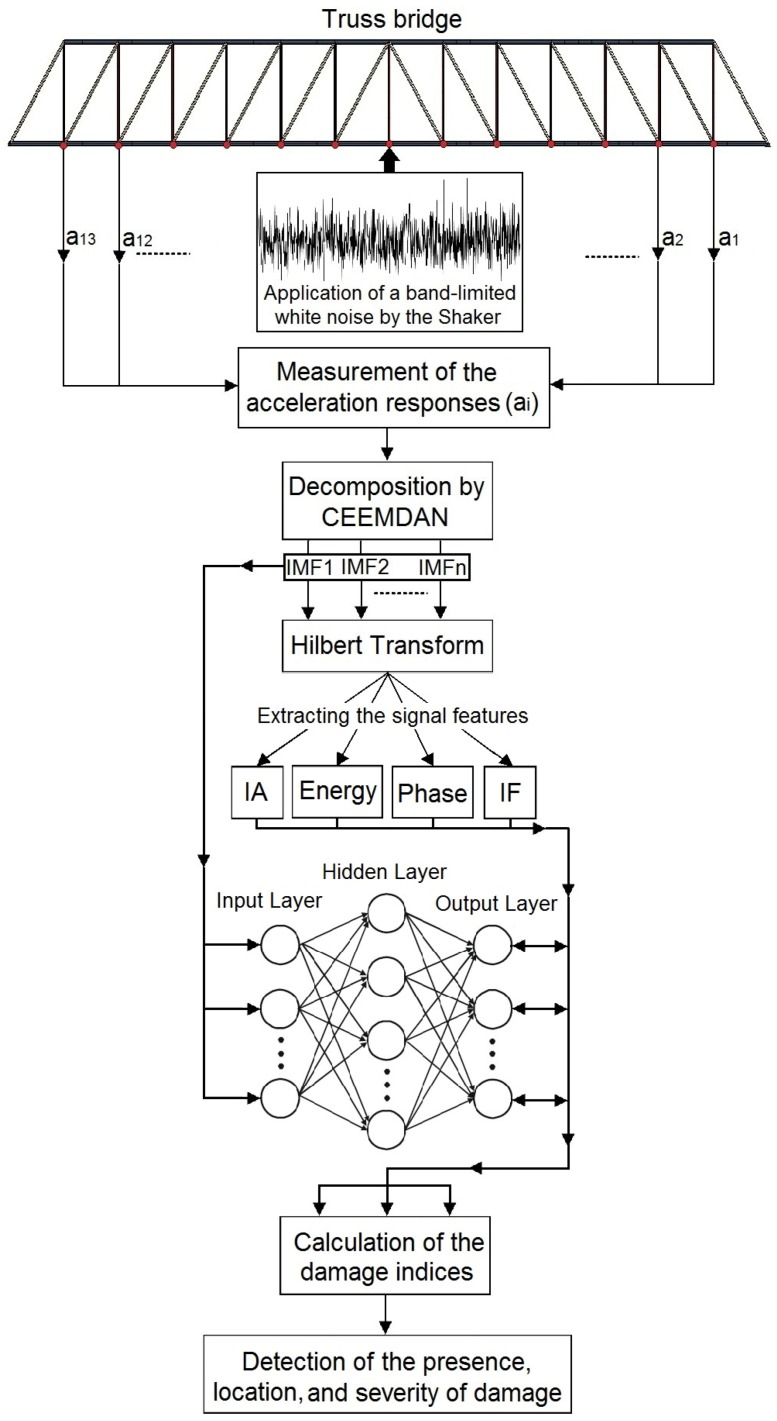
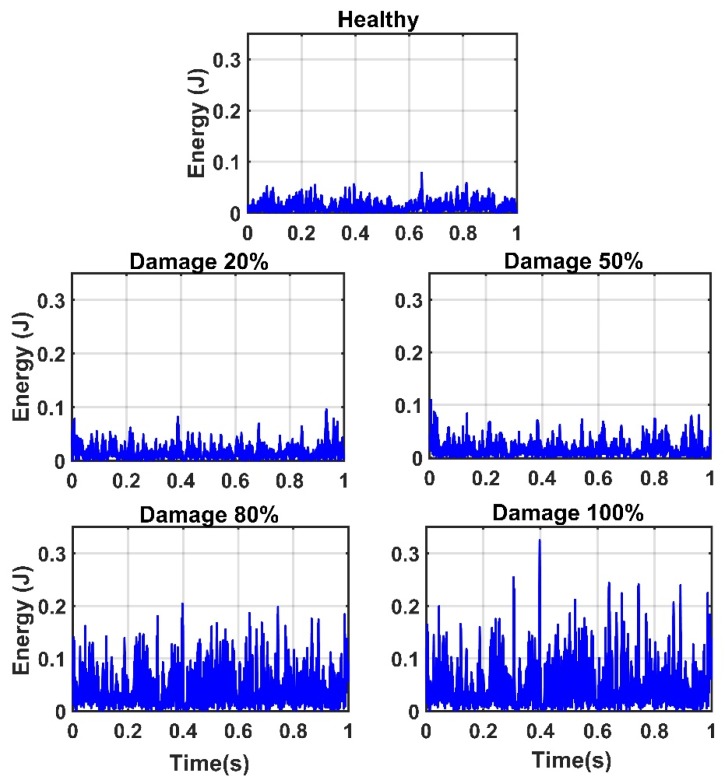
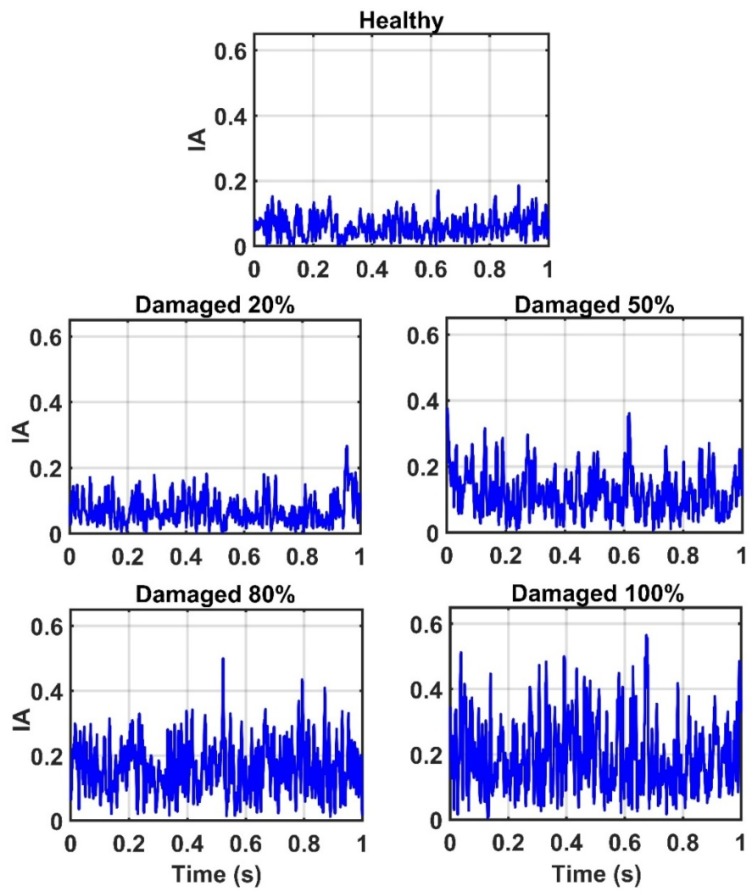
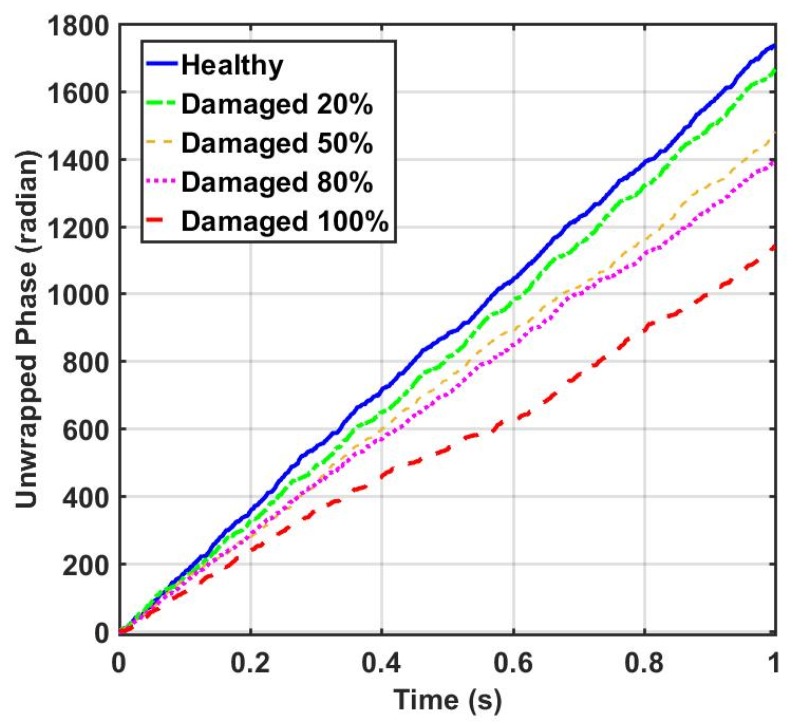
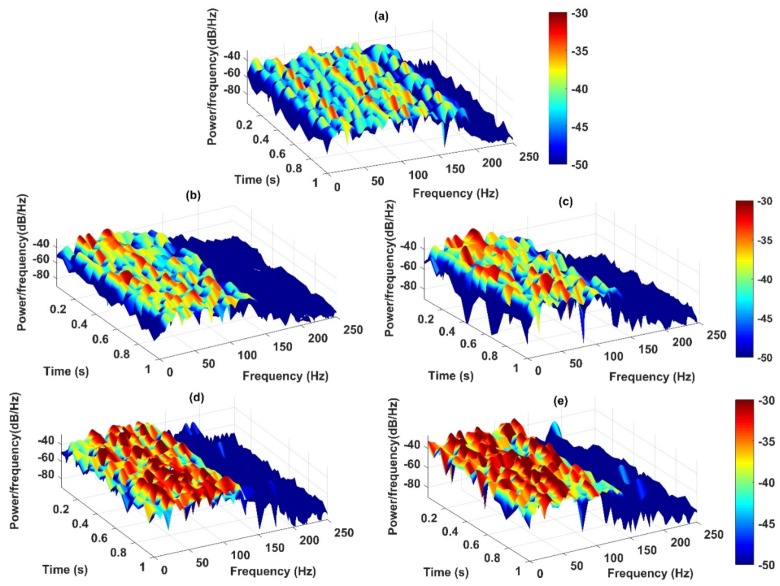
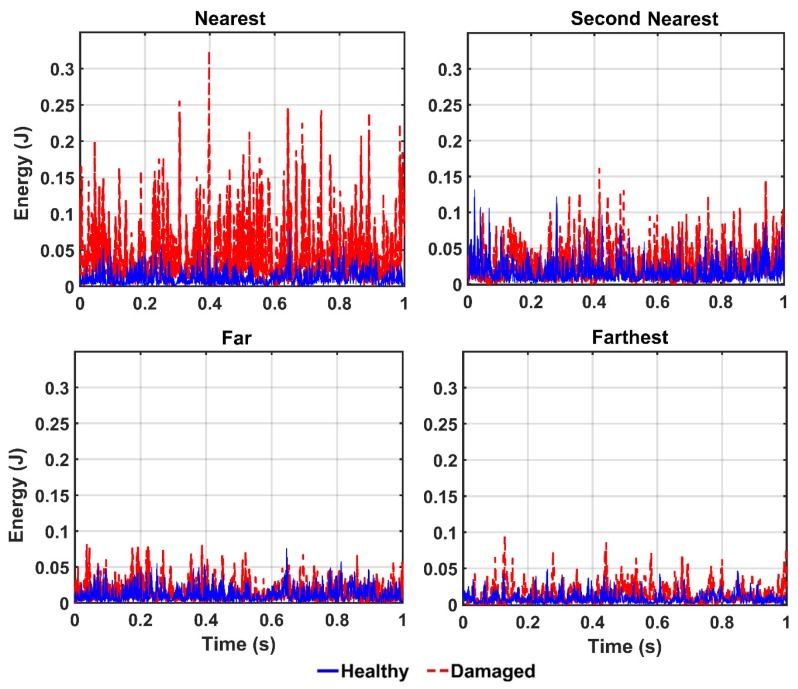
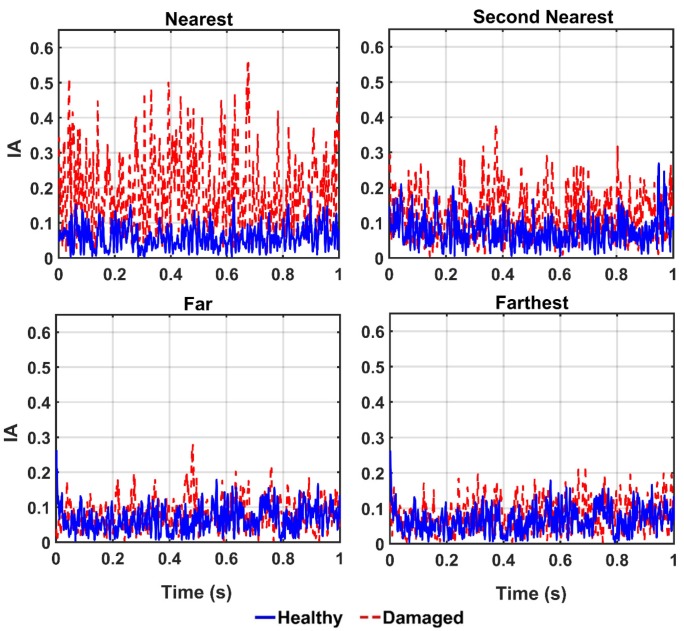
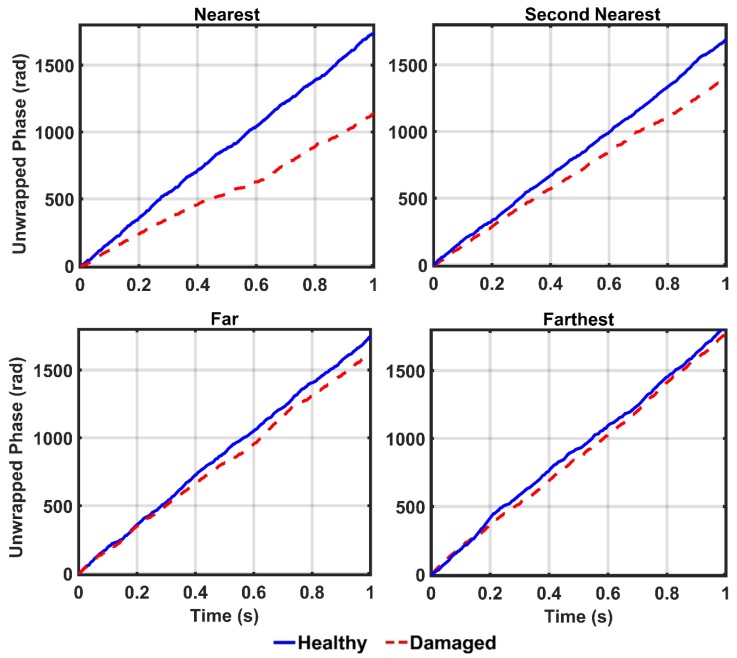
Vibrations of complex structures such as bridges mostly present nonlinear and non-stationary behaviors. Recently, one of the most common techniques to analyze the nonlinear and non-stationary structural response is Hilbert-Huang Transform (HHT). This paper aims to evaluate the performance of HHT based on complete ensemble empirical mode decomposition with adaptive noise (CEEMDAN) technique using an Artificial Neural Network (ANN) as a proposed damage detection methodology. The performance of the proposed method is investigated for damage detection of a scaled steel-truss bridge model which was experimentally established as the case study subjected to white noise excitations. To this end, four key features of the intrinsic mode function (IMF), including energy, instantaneous amplitude (IA), unwrapped phase, and instantaneous frequency (IF), are extracted to assess the presence, severity, and location of the damage. By analyzing the experimental results through different damage indices defined based on the extracted features, the capabilities of the CEEMDAN-HT-ANN model in detecting, addressing the location and classifying the severity of damage are efficiently concluded. In addition, the energy-based damage index demonstrates a more effective approach in detecting the damage compared to those based on IA and unwrapped phase parameters.
复杂结构(如桥梁)的振动大多呈现出非线性和非平稳的特性。最近,分析非线性和非平稳结构响应的最常用技术之一是希尔伯特-黄变换(HHT)。本文旨在使用人工神经网络(ANN)作为提出的损伤检测方法,基于完全集合经验模态分解自适应噪声(CEEMDAN)技术评估 HHT 的性能。提出的方法的性能通过对一个经过比例缩放的钢桁架桥模型进行了实验研究,该模型作为案例研究,受到白噪声激励。为此,从固有模态函数(IMF)中提取了四个关键特征,包括能量、瞬时幅度(IA)、解缠绕相位和瞬时频率(IF),以评估损伤的存在、严重程度和位置。通过基于提取特征定义的不同损伤指标分析实验结果,高效地总结了 CEEMDAN-HT-ANN 模型在检测、定位和分类损伤严重程度方面的能力。此外,与基于 IA 和解缠绕相位参数的损伤指数相比,基于能量的损伤指数在检测损伤方面表现出更有效的方法。