Lemmens Sophie, Devulder Astrid, Van Keer Karel, Bierkens Johan, De Boever Patrick, Stalmans Ingeborg
Department of Ophthalmology, University Hospitals UZ Leuven, Leuven, Belgium.
Research Group Ophthalmology, Biomedical Science Group, Department of Neurosciences, KU Leuven, Leuven, Belgium.
Front Neurosci. 2020 Jan 28;14:16. doi: 10.3389/fnins.2020.00016. eCollection 2020.
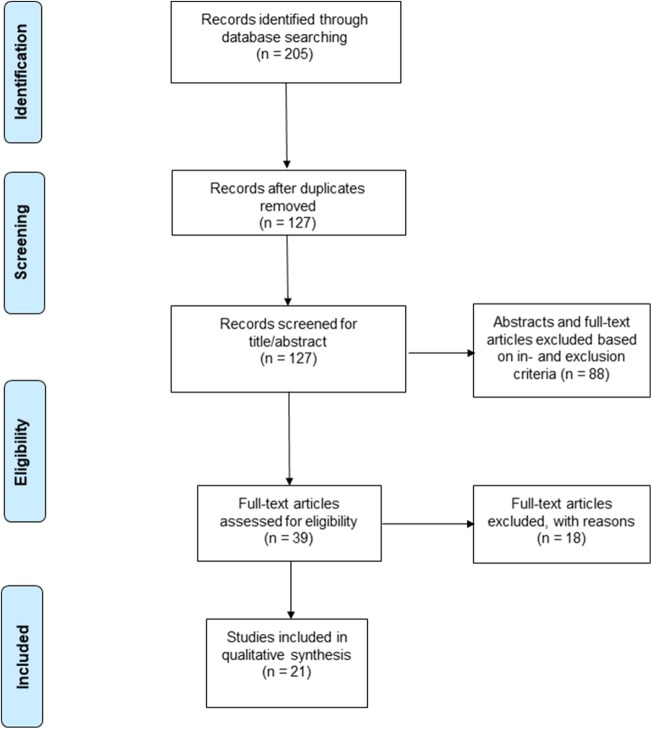
Ocular manifestations in several neurological pathologies accentuate the strong relationship between the eye and the brain. Retinal alterations in particular can serve as surrogates for cerebral changes. Offering a "window to the brain," the transparent eye enables non-invasive imaging of these changes in retinal structure and vasculature. Fractal dimension (FD) reflects the overall complexity of the retinal vasculature. Changes in FD could reflect subtle changes in the cerebral vasculature that correspond to preclinical stages of neurodegenerative diseases. In this review, the potential of this retinal vessel metric to serve as a biomarker in neurodegeneration and stroke will be explored. A literature search was conducted, following the PRISMA Statement 2009 criteria, in four large bibliographic databases (Pubmed, Embase, Web Of Science and Cochrane Library) up to 12 October 2019. Articles have been included based upon their relevance. Wherever possible, level of evidence (LOE) has been assessed by means of the Oxford Centre for Evidence-based Medicine Level of Evidence classification. Twenty-one studies were included for qualitative synthesis. We performed a narrative synthesis and produced summary tables of findings of included papers because methodological heterogeneity precluded a meta-analysis. A significant association was found between decreased FD and neurodegenerative disease, mainly addressing cognitive impairment (CI) and dementia. In acute, subacute as well as chronic settings, decreased FD seems to be associated with stroke. Differences in FD between subtypes of ischemic stroke remain unclear. This review provides a summary of the scientific literature regarding the association between retinal FD and neurodegenerative disease and stroke. Central pathology is associated with a decreased FD, as a measure of microvascular network complexity. As retinal FD reflects the global integrity of the cerebral microvasculature, it is an attractive parameter to explore. Despite obvious concerns, mainly due to a lack of methodological standardization, retinal FD remains a promising non-invasive and low-cost diagnostic biomarker for neurodegenerative and cerebrovascular disease. Before FD can be implemented in clinic as a diagnostic biomarker, the research community should strive for uniformization and standardization.
多种神经病理学中的眼部表现突出了眼睛与大脑之间的紧密关系。特别是视网膜改变可作为大脑变化的替代指标。透明的眼睛提供了一扇“通往大脑的窗口”,能够对视网膜结构和血管系统的这些变化进行无创成像。分形维数(FD)反映了视网膜血管系统的整体复杂性。FD的变化可能反映了与神经退行性疾病临床前期阶段相对应的脑微血管系统的细微变化。在本综述中,将探讨这种视网膜血管指标作为神经退行性变和中风生物标志物的潜力。按照2009年PRISMA声明标准,在截至2019年10月12日的四个大型文献数据库(PubMed、Embase、科学网和考科蓝图书馆)中进行了文献检索。根据文章的相关性纳入文章。尽可能通过牛津循证医学中心证据水平分类法评估证据水平(LOE)。纳入21项研究进行定性综合分析。由于方法学异质性排除了进行荟萃分析的可能,我们进行了叙述性综合分析,并制作了纳入论文研究结果的汇总表。发现FD降低与神经退行性疾病之间存在显著关联,主要涉及认知障碍(CI)和痴呆。在急性、亚急性以及慢性情况下,FD降低似乎与中风有关。缺血性中风亚型之间FD的差异尚不清楚。本综述总结了关于视网膜FD与神经退行性疾病和中风之间关联的科学文献。作为微血管网络复杂性的一种衡量指标,中枢病理学与FD降低有关。由于视网膜FD反映了脑微血管系统的整体完整性,它是一个值得探索的有吸引力的参数。尽管存在明显问题,主要是由于缺乏方法学标准化,但视网膜FD仍然是神经退行性疾病和脑血管疾病一种有前景的无创且低成本的诊断生物标志物。在FD能够作为诊断生物标志物应用于临床之前,研究界应努力实现统一化和标准化。