Affiliated Cancer Hospital & Institute; Key Laboratory of Protein Modification and Degradation, School of Basic Medical Sciences, Guangzhou Medical University, Guangzhou, China.
Institute of Pediatrics, Guangzhou Women and Children's Medical Center of Guangzhou Medical University, Guangzhou, China.
Cell Death Dis. 2020 Mar 5;11(3):170. doi: 10.1038/s41419-020-2360-0.
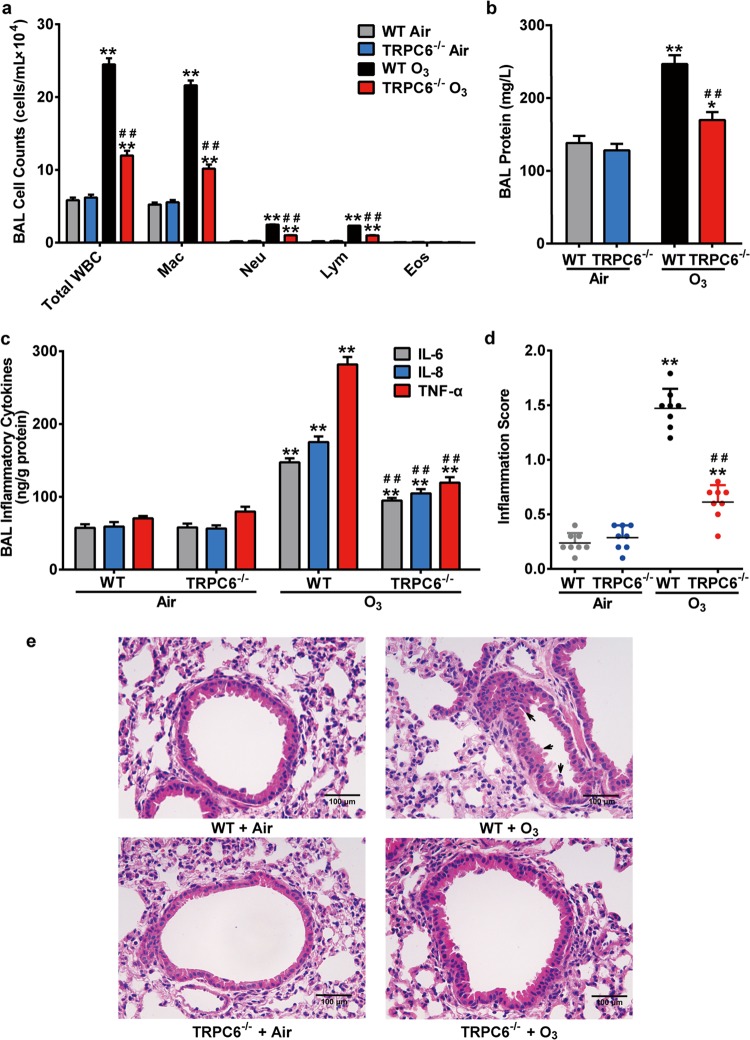
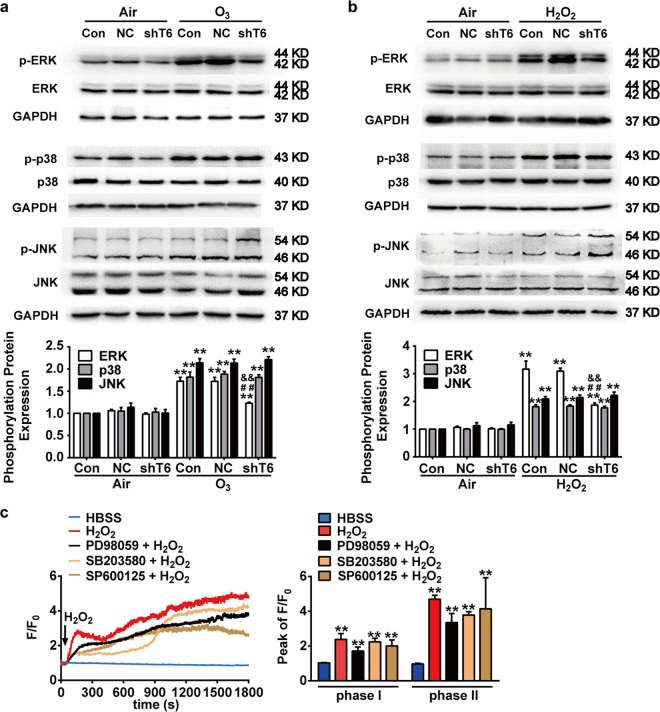
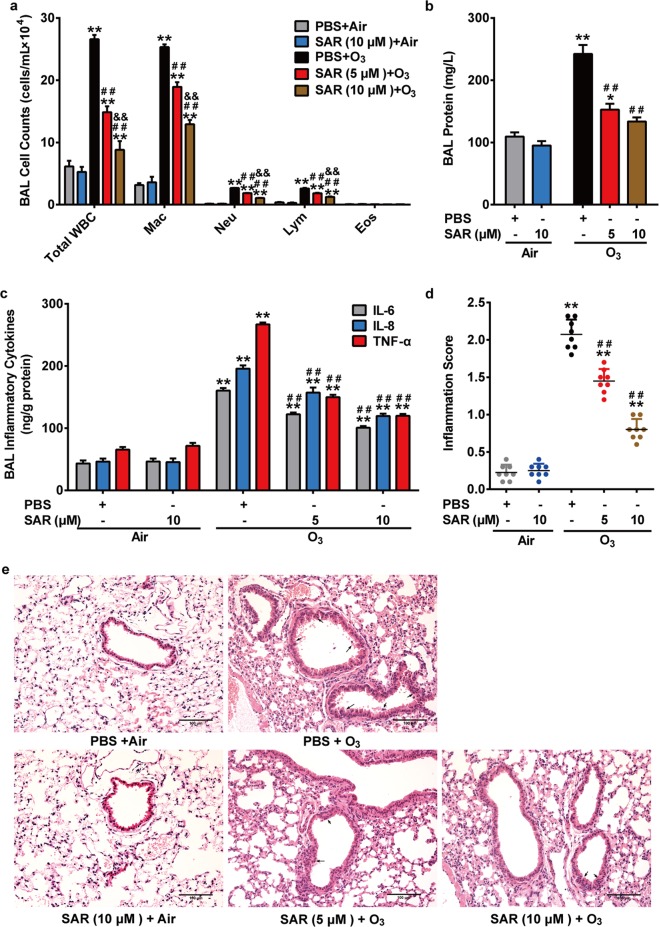
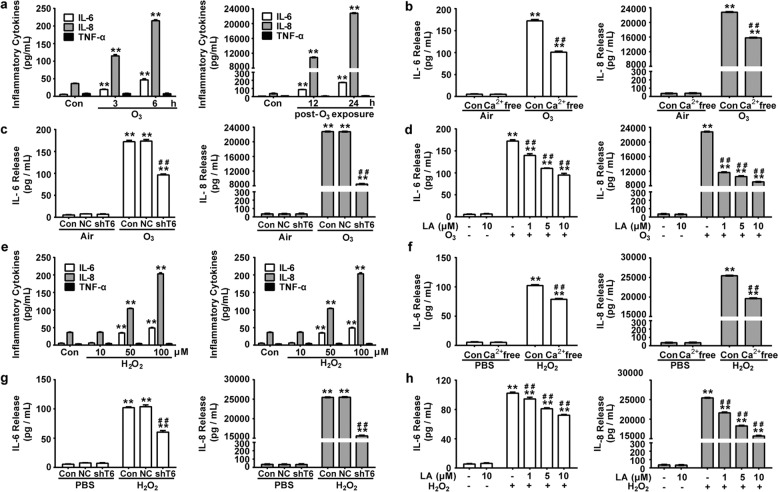
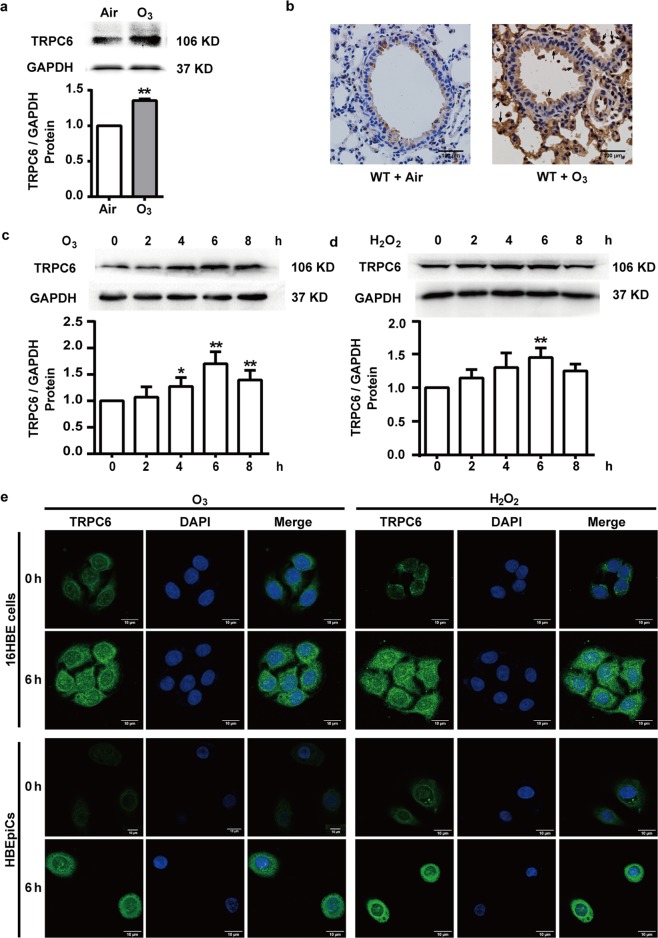
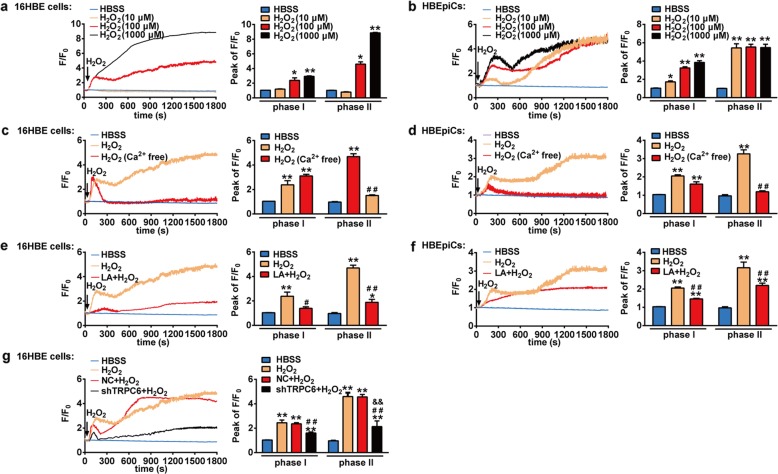
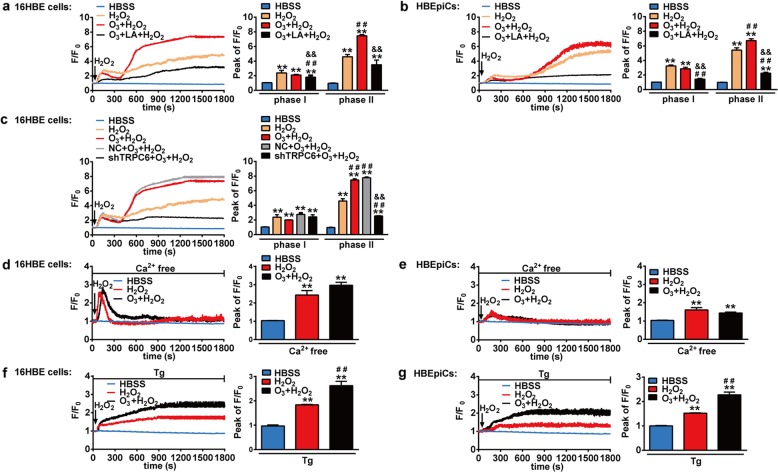
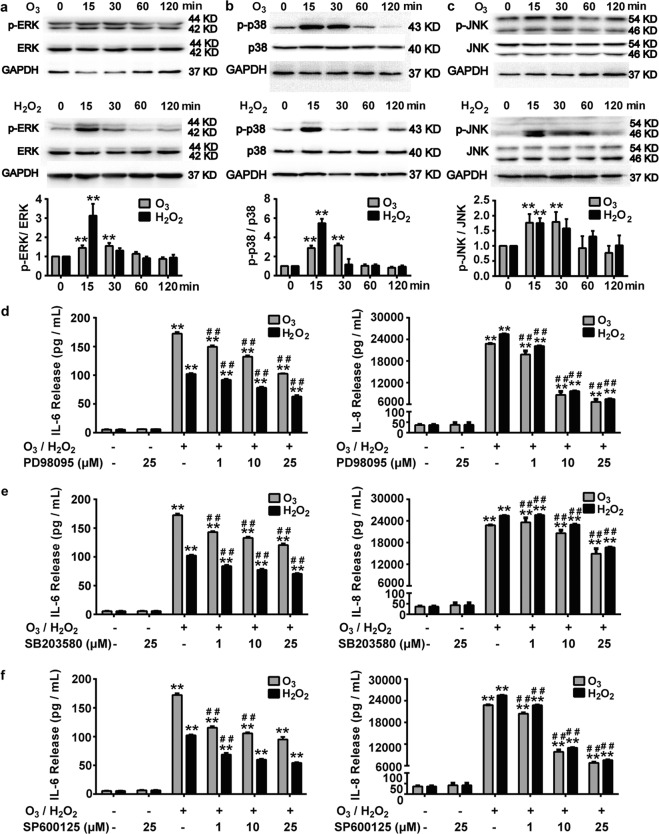
Ozone (O) plays an extremely important role in airway inflammation by generating reactive oxygen species (ROS) including hydrogen peroxide, then promoting redox actions and causing oxidative stress. Evidences indicate that TRPC6 (canonical transient receptor potential channel 6) is a redox-regulated Ca permeable nonselective cation channel, but its role in the setting of oxidative stress-related airway inflammation remains unknown. Here, we found that both TRPC6 mice and mice pretreated with SAR7334, a potent TRPC6 inhibitor, were protected from O-induced airway inflammatory responses. In vitro, both knockdown of TRPC6 expression with shRNA and TRPC6 blockage markedly attenuated the release of cytokines IL-6 and IL-8 induced by O or HO in 16HBE cells (human bronchial epithelial cell line). Treatment with O or HO enhanced TRPC6 protein expression in vivo and vitro. We also observed that TRPC6-dependent increase of intracellular Ca concentration ([Ca]) was triggered by HO, which consisted of the release from intracellular calcium store and the influx of extracellular Ca and could be further strengthened by 6-h O exposure in both 16HBE cells and HBEpiCs (primary human bronchial epithelial cells). Moreover, we confirmed that the activation of MAPK signals (ERK1/2, p38, JNK) was required for the inflammatory response induced by O or HO while only the phosphorylation of ERK pathway was diminished in the TRPC6-knockdown situation. These results demonstrate that oxidative stress regulates TRPC6-mediated Ca cascade, which leads to the activation of ERK pathway and inflammation and could become a potential target to treat oxidative stress-associated airway inflammatory diseases.
臭氧(O)通过生成包括过氧化氢在内的活性氧物质(ROS),从而在气道炎症中发挥极其重要的作用,进而促进氧化还原作用并导致氧化应激。有证据表明,TRPC6(经典瞬时受体电位通道 6)是一种氧化还原调节的 Ca 通透性非选择性阳离子通道,但它在与氧化应激相关的气道炎症中的作用尚不清楚。在这里,我们发现 TRPC6 敲除小鼠和用 SAR7334(一种有效的 TRPC6 抑制剂)预处理的小鼠均能免受 O 诱导的气道炎症反应的影响。在体外,用 shRNA 敲低 TRPC6 表达和 TRPC6 阻断均可显著减轻 O 或 HO 诱导的 16HBE 细胞(人支气管上皮细胞系)中细胞因子 IL-6 和 IL-8 的释放。体内和体外实验均表明,O 或 HO 增强了 TRPC6 蛋白的表达。我们还观察到,HO 触发了依赖于 TRPC6 的细胞内 Ca 浓度 ([Ca]) 的增加,该增加由细胞内钙库的释放和细胞外 Ca 的内流组成,并且在 16HBE 细胞和 HBEpiCs(原代人支气管上皮细胞)中,经过 6 小时的 O 暴露后,这种增加可进一步增强。此外,我们证实 MAPK 信号(ERK1/2、p38、JNK)的激活是 O 或 HO 诱导的炎症反应所必需的,而只有在 TRPC6 敲低的情况下,ERK 通路的磷酸化才会减弱。这些结果表明,氧化应激调节 TRPC6 介导的 Ca 级联反应,从而导致 ERK 通路的激活和炎症,这可能成为治疗与氧化应激相关的气道炎症性疾病的潜在靶点。