Bentley Amy R, Callier Shawneequa L, Rotimi Charles N
1Center for Research on Genomics and Global Health, National Human Genome Research Institute, National Institutes of Health, Bethesda, MD USA.
2Department of Clinical Research and Leadership, The George Washington University School of Medicine and Health Sciences, Washington, DC USA.
NPJ Genom Med. 2020 Feb 25;5:5. doi: 10.1038/s41525-019-0111-x. eCollection 2020.
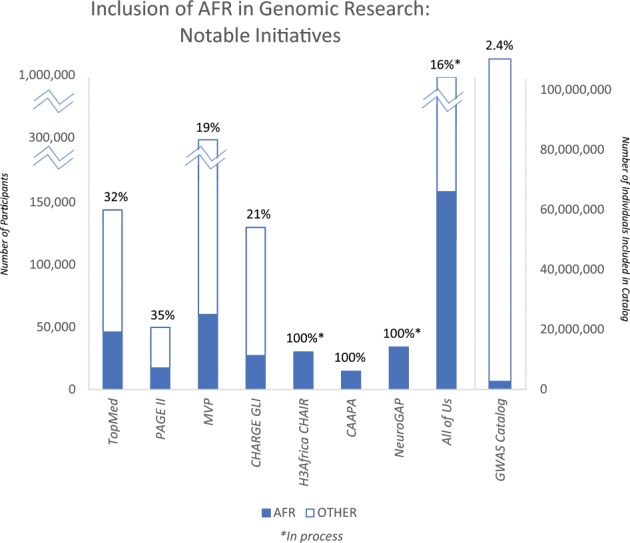
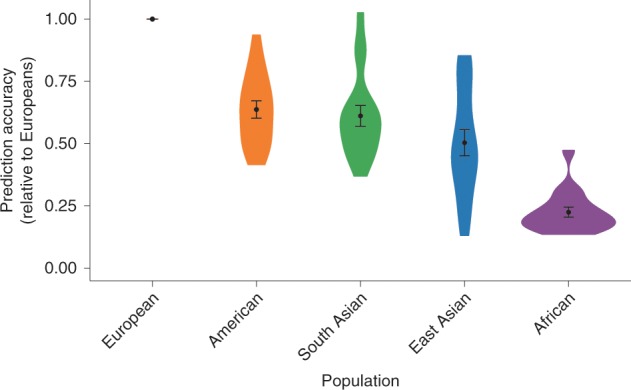
The lack of representation of diverse ancestral backgrounds in genomic research is well-known, and the resultant scientific and ethical limitations are becoming increasingly appreciated. The paucity of data on individuals with African ancestry is especially noteworthy as Africa is the birthplace of modern humans and harbors the greatest genetic diversity. It is expected that greater representation of those with African ancestry in genomic research will bring novel insights into human biology, and lead to improvements in clinical care and improved understanding of health disparities. Now that major efforts have been undertaken to address this failing, is there evidence of these anticipated advances? Here, we evaluate the promise of including diverse individuals in genomic research in the context of recent literature on individuals of African ancestry. In addition, we discuss progress and achievements on related technological challenges and diversity among scientists conducting genomic research.
基因组研究中缺乏对不同祖先背景的代表性是众所周知的,由此产生的科学和伦理限制也越来越受到重视。非洲裔个体的数据匮乏尤其值得注意,因为非洲是现代人类的发源地,拥有最丰富的遗传多样性。预计在基因组研究中增加非洲裔个体的代表性将为人类生物学带来新的见解,并改善临床护理,增进对健康差异的理解。既然已经做出了重大努力来解决这一不足,那么是否有证据表明这些预期的进展呢?在这里,我们结合近期关于非洲裔个体的文献,评估在基因组研究中纳入不同个体的前景。此外,我们还将讨论在相关技术挑战以及从事基因组研究的科学家的多样性方面所取得的进展和成就。