Department of Internal Medicine, University of Texas Southwestern Medical Center, Dallas, TX 75390, USA.
Department of Biochemistry, University of Texas Southwestern Medical Center, Dallas, TX 75390, USA.
Cell. 2020 Apr 16;181(2):293-305.e11. doi: 10.1016/j.cell.2020.02.026. Epub 2020 Mar 5.
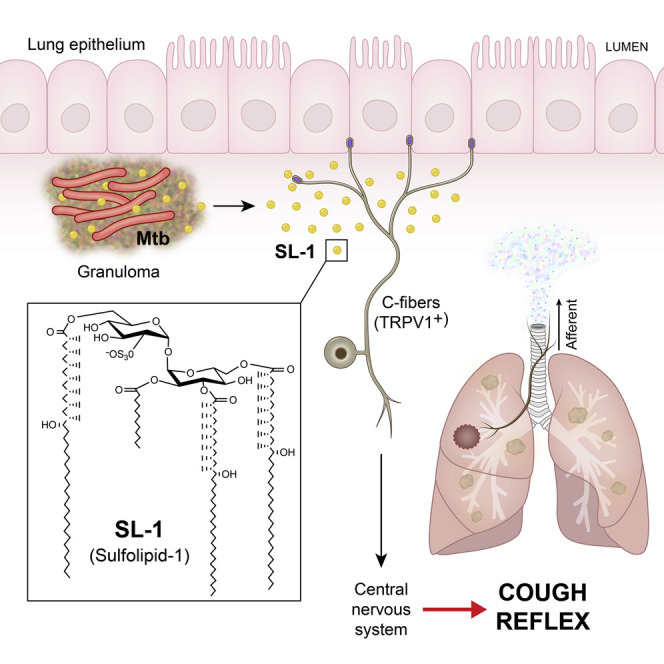
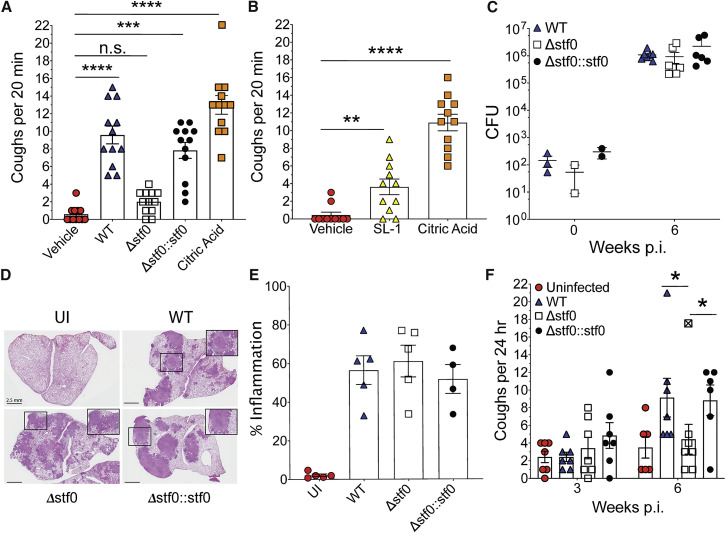
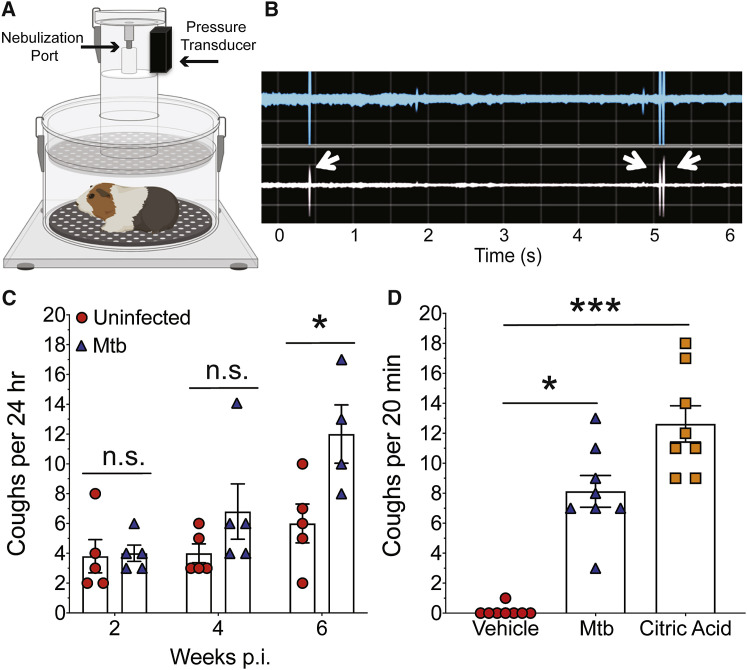
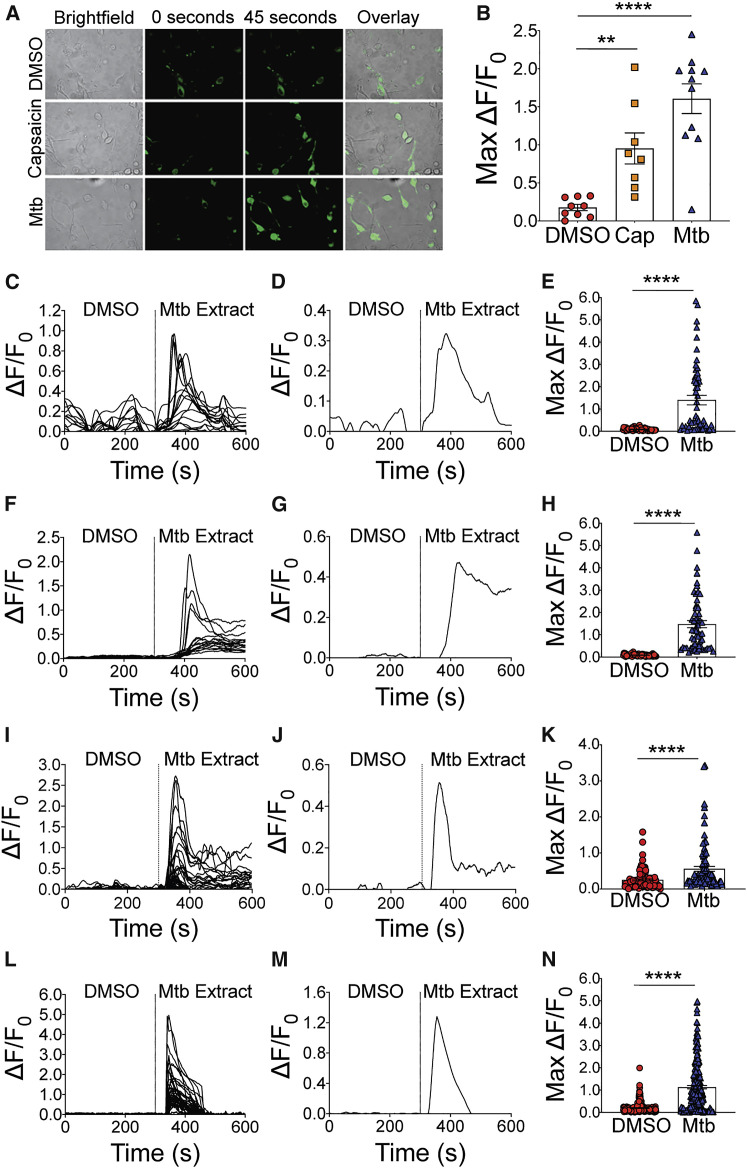
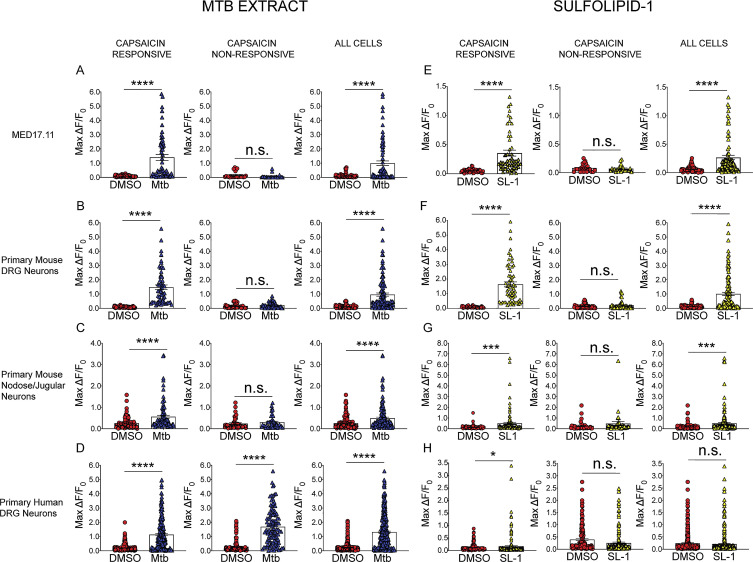
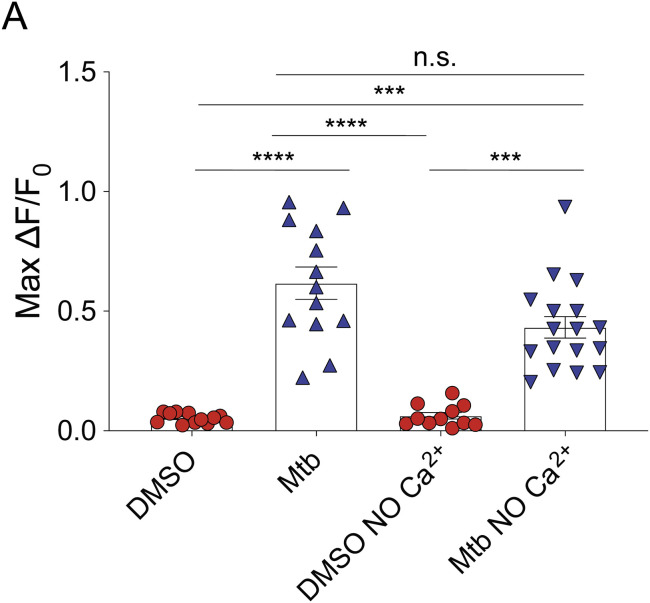
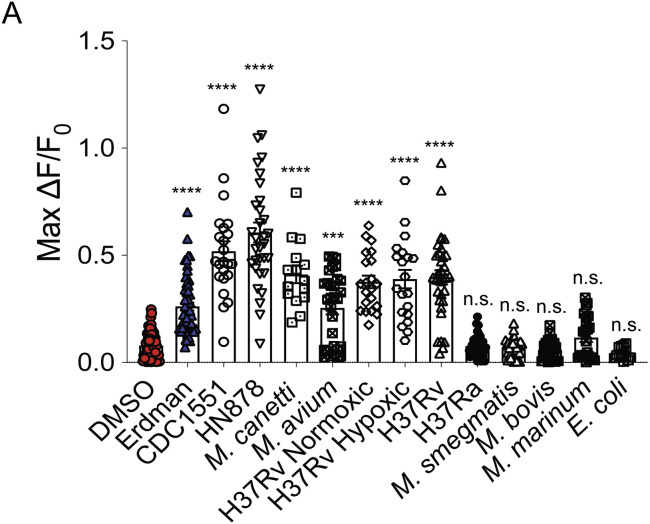
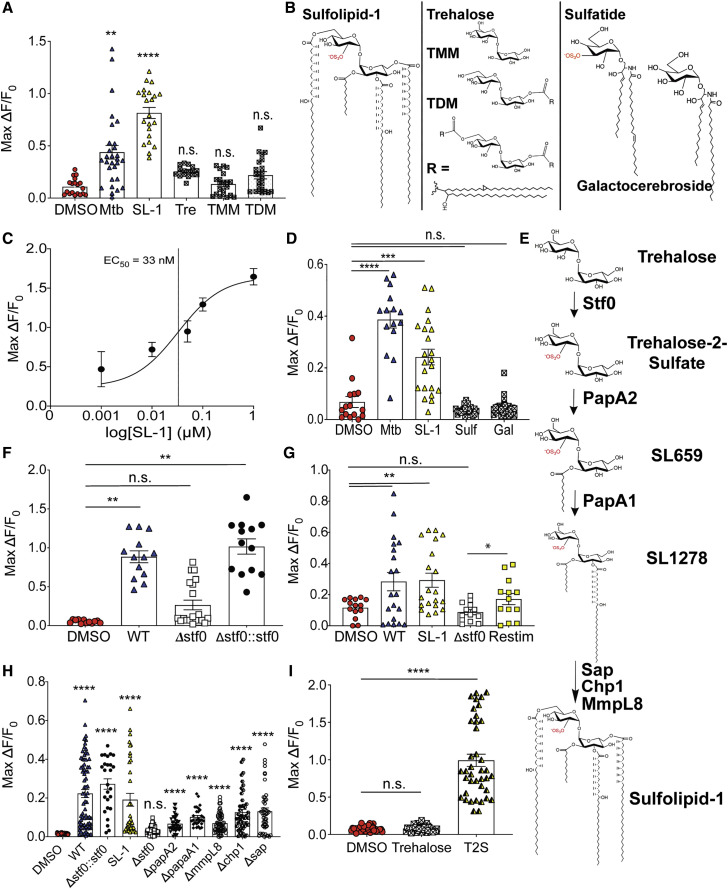
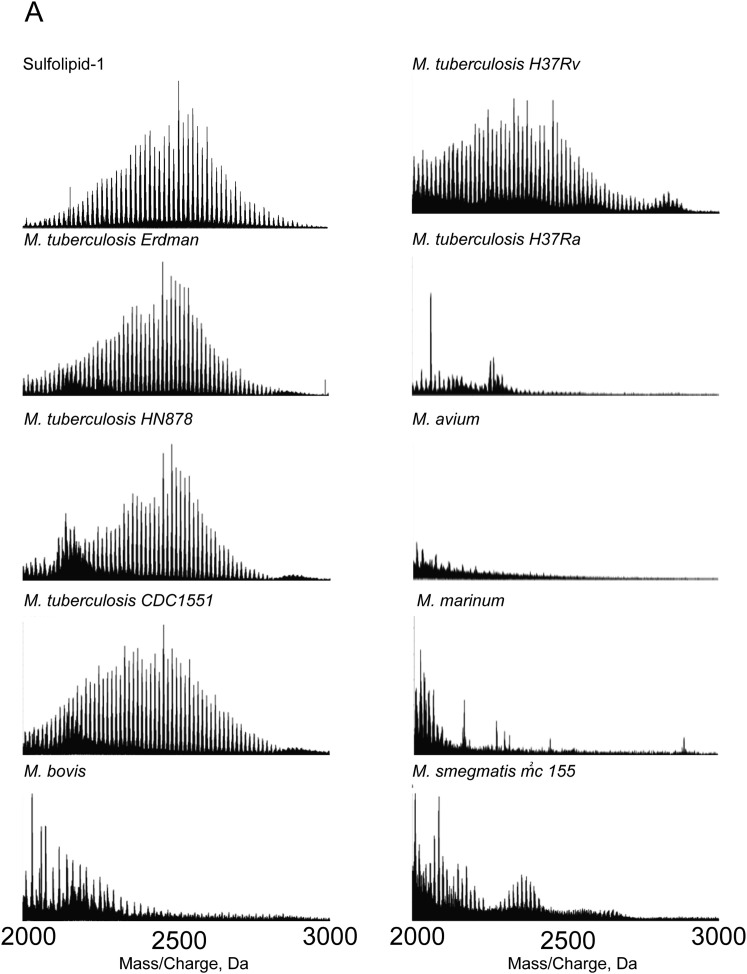
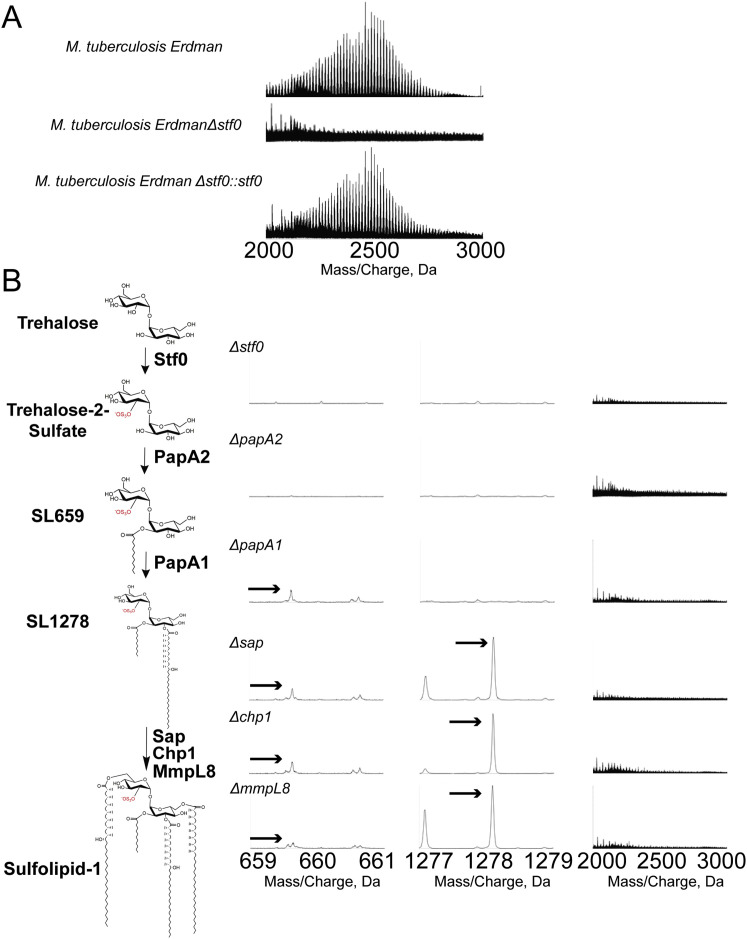
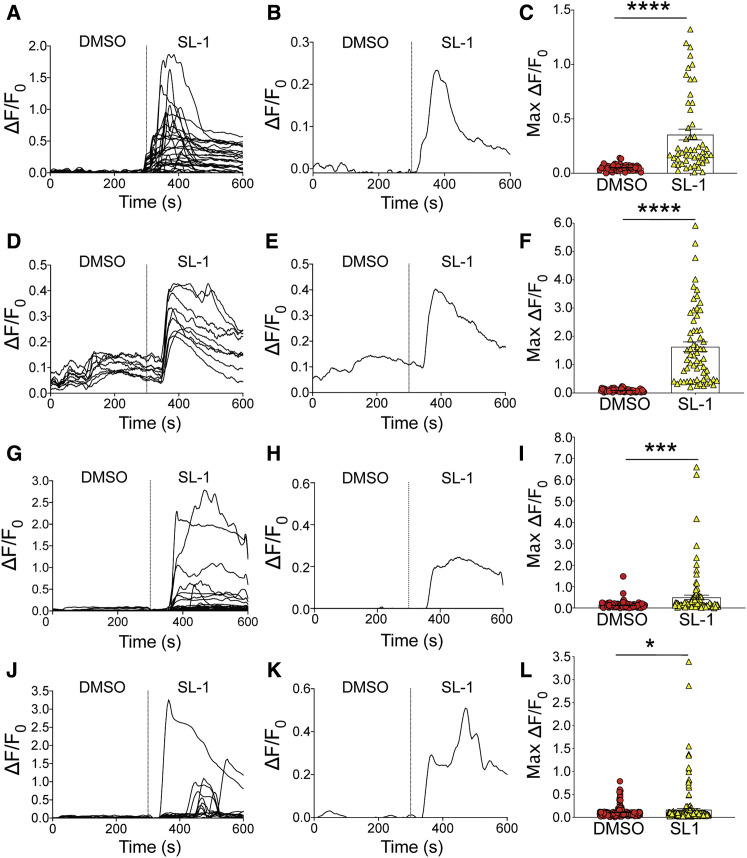
Pulmonary tuberculosis, a disease caused by Mycobacterium tuberculosis (Mtb), manifests with a persistent cough as both a primary symptom and mechanism of transmission. The cough reflex can be triggered by nociceptive neurons innervating the lungs, and some bacteria produce neuron-targeting molecules. However, how pulmonary Mtb infection causes cough remains undefined, and whether Mtb produces a neuron-activating, cough-inducing molecule is unknown. Here, we show that an Mtb organic extract activates nociceptive neurons in vitro and identify the Mtb glycolipid sulfolipid-1 (SL-1) as the nociceptive molecule. Mtb organic extracts from mutants lacking SL-1 synthesis cannot activate neurons in vitro or induce cough in a guinea pig model. Finally, Mtb-infected guinea pigs cough in a manner dependent on SL-1 synthesis. Thus, we demonstrate a heretofore unknown molecular mechanism for cough induction by a virulent human pathogen via its production of a complex lipid.
肺结核,一种由结核分枝杆菌(Mtb)引起的疾病,以持续性咳嗽为主要症状和传播机制。咳嗽反射可由支配肺部的伤害性神经元触发,而某些细菌产生针对神经元的分子。然而,肺部 Mtb 感染如何引起咳嗽尚不清楚,也不知道 Mtb 是否产生激活神经元、引起咳嗽的分子。在这里,我们表明 Mtb 有机提取物在体外激活伤害性神经元,并鉴定出 Mtb 糖脂硫酸脑苷脂-1(SL-1)是伤害性分子。缺乏 SL-1 合成的 Mtb 突变体的有机提取物在体外不能激活神经元,也不能在豚鼠模型中引起咳嗽。最后,感染 Mtb 的豚鼠以依赖 SL-1 合成的方式咳嗽。因此,我们通过其产生复杂脂质,证明了一种先前未知的、由毒力病原体引起咳嗽的分子机制。